




Victorian Curved Glass Credenza
These nineteenth-century pieces of furniture bring display space and rich timber grain to a room.
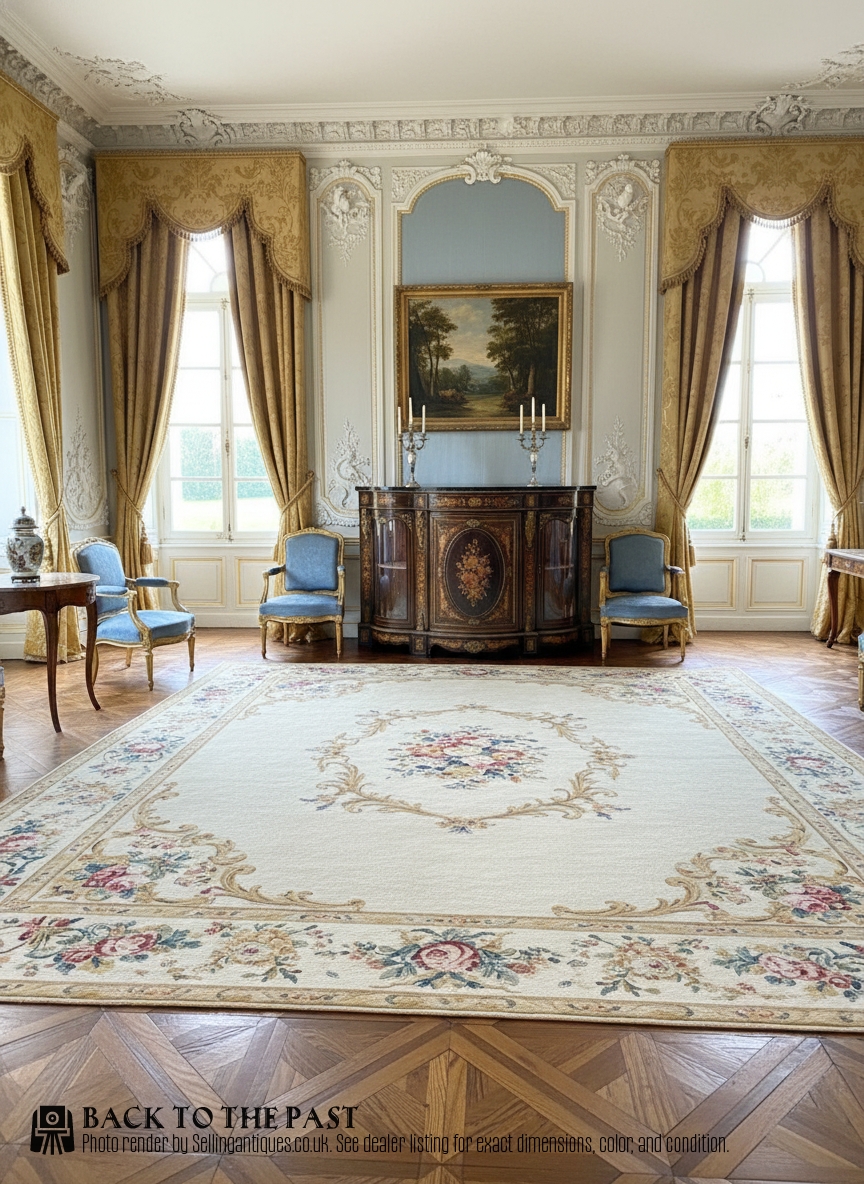
Victorian Curved Glass Credenza
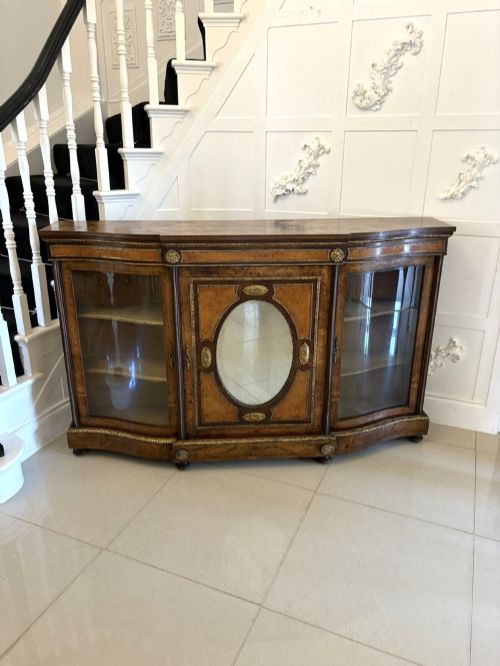
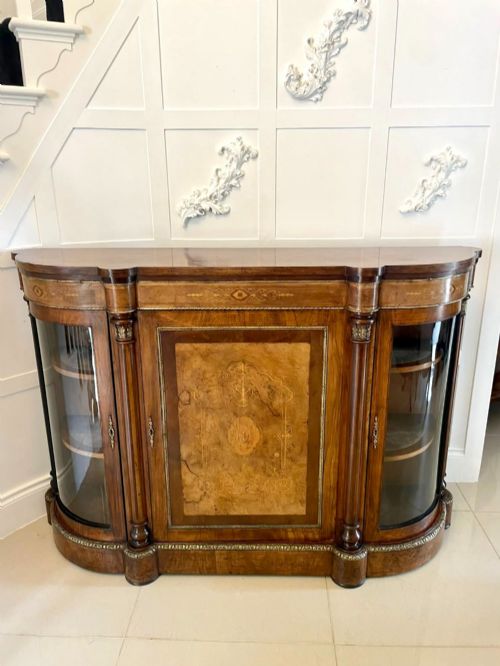
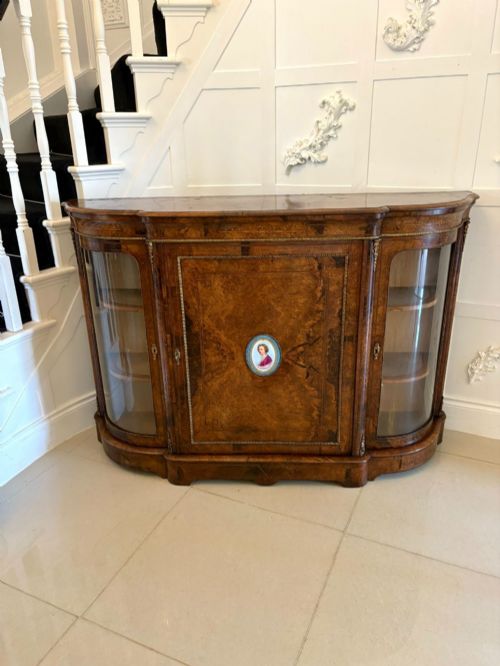
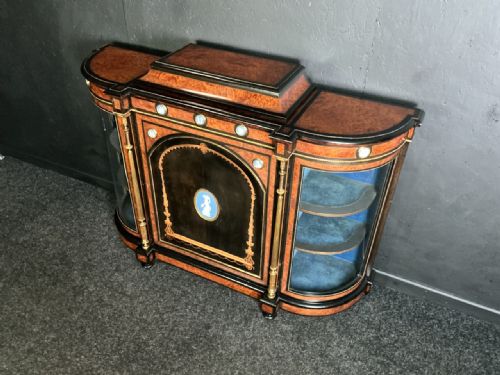
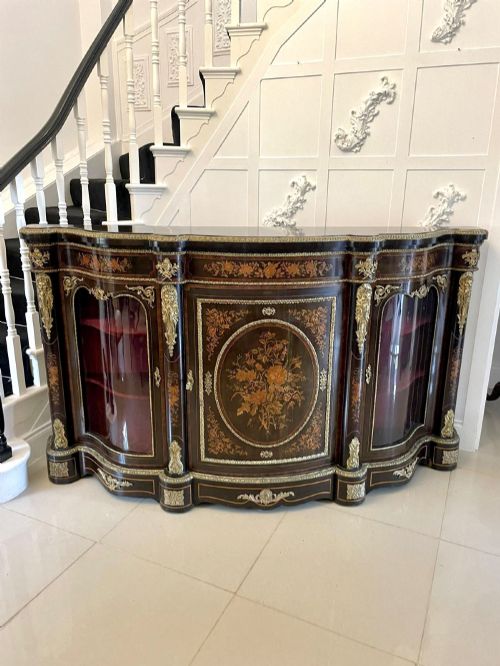
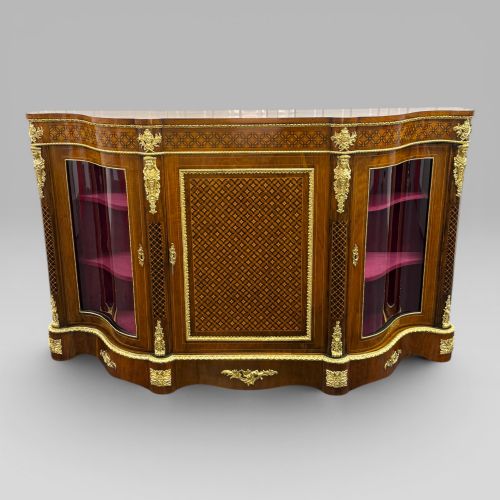
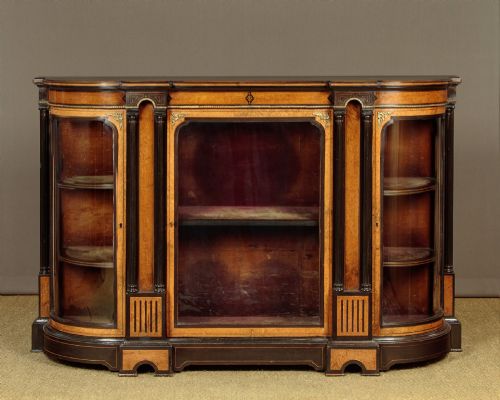
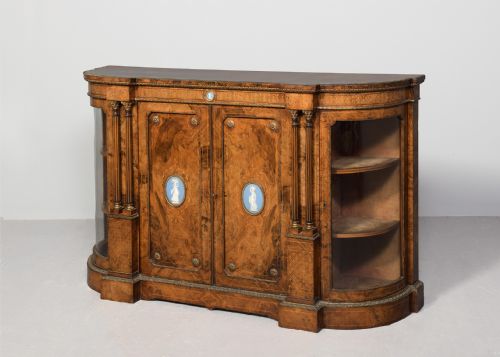
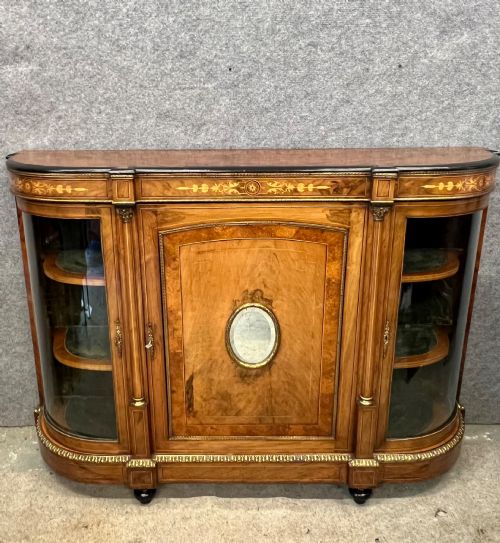
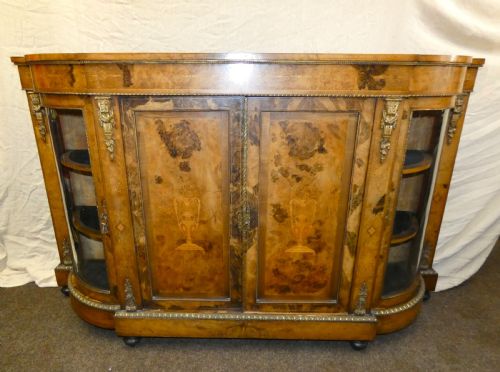
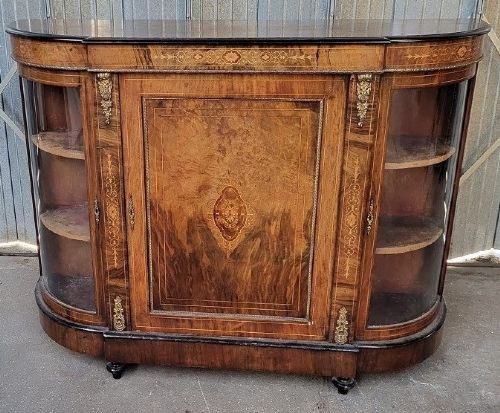
A victorian curved glass credenza is a low, substantial cabinet designed for principal reception rooms, combining central door storage with bowed glass side compartments for displaying ceramics or glass. You will most frequently encounter walnut and burr walnut variations dating from the mid-nineteenth century, often featuring serpentine fronts and glazed side cabinets.
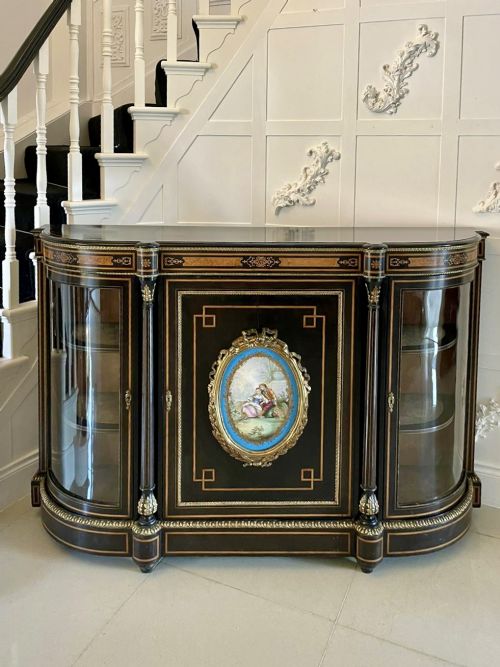
The form spans several stylistic revivals including French Revival, Napoleon III, and Aesthetic Movement designs. Pieces appear in various configurations, functioning both as traditional credenzas and side cabinets with mirrored backs or marble tops.
Distinctions in craftsmanship
The distinction between standard production and top-tier workshop output lies in the depth of the timber figuring and the crispness of the cast ormolu mounts. Finer examples display meticulous floral marquetry with multiple contrasting woods and integrated Sevres-style porcelain plaques.
Structural integrity of the curved glass panels and the precision of the door alignment indicate the standard of original construction. Elaborate serpentine shaping and mirrored backs further separate standard sideboards from exhibition-grade pieces.
Makers meticulously curved glass by hand over heated sand beds, creating miniature glass greenhouses built solely to show off dinner plates.
Maison Gagneau·Gillow
The Victorian Curved Glass Credenza Glossary
- Credenza
- A low dining or reception room cabinet used for storage and display, typically featuring central cupboards flanked by curved glass end cabinets.
- Ormolu
- Gilded bronze mounts applied to furniture for decorative accent along borders, feet, and key escutcheons.
- Marquetry
- Decorative veneer patterns formed from different coloured woods arranged into floral or geometric designs.
- Serpentine
- A cabinet front featuring a gently undulating contour with a convex centre flanked by concave curves.
- Amboyna
- A dense, highly figured tropical wood used as a decorative veneer on nineteenth-century cabinets.
Victorian Curved Glass Credenza: Frequently Asked Questions
What is a victorian curved glass credenza used for?
These cabinets served primarily to display prized porcelain, glassware, and decorative objects in nineteenth-century drawing rooms. The enclosed side compartments protected delicate items behind curved glass while the central section provided concealed storage.
Today, they function as focal display furniture in living spaces or dining rooms, housing collections while offering a broad surface top for lamps or decorative objects.
How do I identify the period of a credenza?
Dating relies on timber choice, mounting styles, and construction techniques characteristic of the mid to late nineteenth century. Burr walnut and heavy ormolu mounts typically point toward the eighteen-fifties and sixties.
Later nineteenth-century pieces often incorporate ebonised finishes or reflect Aesthetic Movement influences. Examining internal secondary woods and backboards also assists in confirming nineteenth-century origins.
How do I clean the wood and ormolu?
Maintenance requires gentle dusting with a soft, dry cloth to prevent dirt accumulation in the intricate marquetry and veneer grain. Avoid modern chemical sprays or silicone polishes which can damage nineteenth-century polish.
Ormolu mounts should remain untouched by harsh metal cleaners, as rubbing can wear away the original fire gilding. A soft brush removes dust from crevices without harming the gilt surface.
Will a credenza fit in a modern room?
These cabinets are typically low in height, which helps them sit beneath picture rails or mirrors without dominating a wall visually. Their shallow depth allows placement in hallways, dining rooms, and spacious reception areas.
Measuring available floor space carefully is essential, as serpentine fronts and curved glass sides extend further outward than standard flat-fronted sideboards.