
Victorian Credenza with Mirror
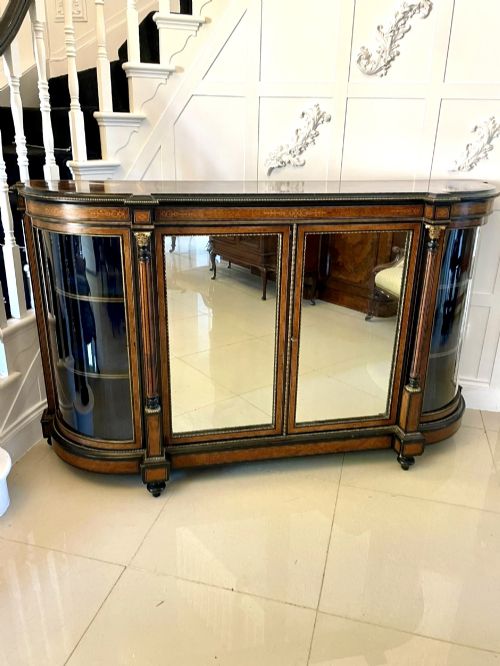
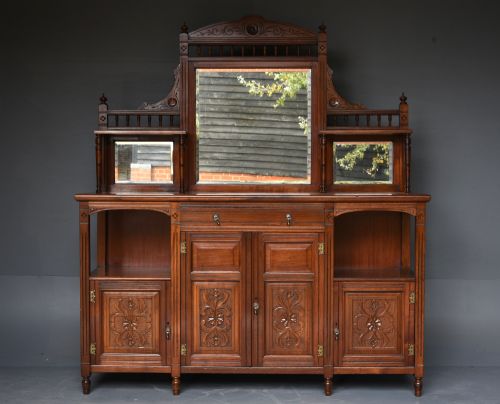
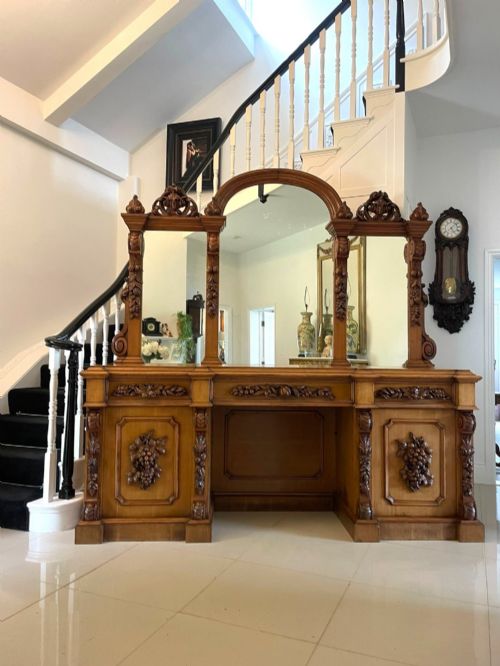
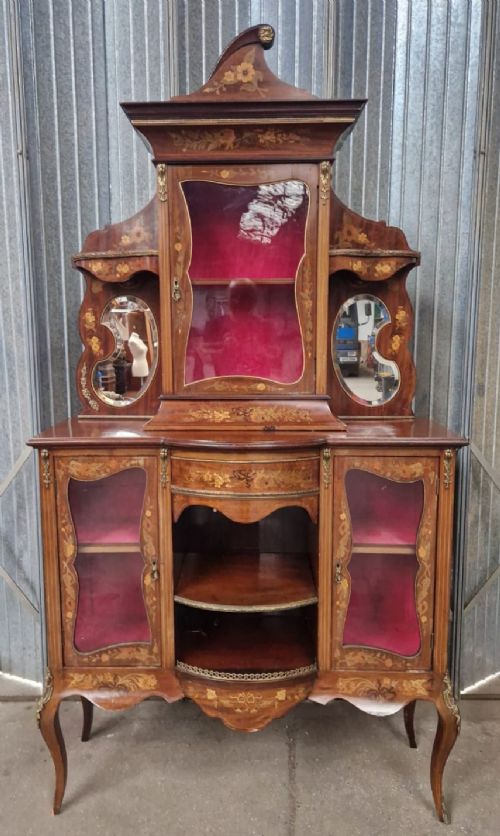
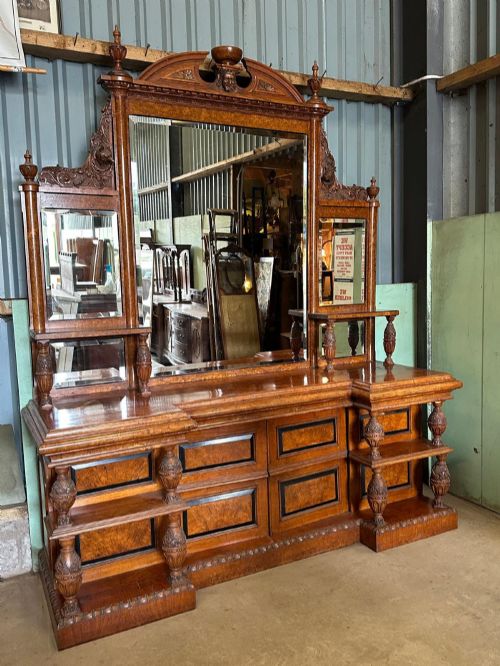
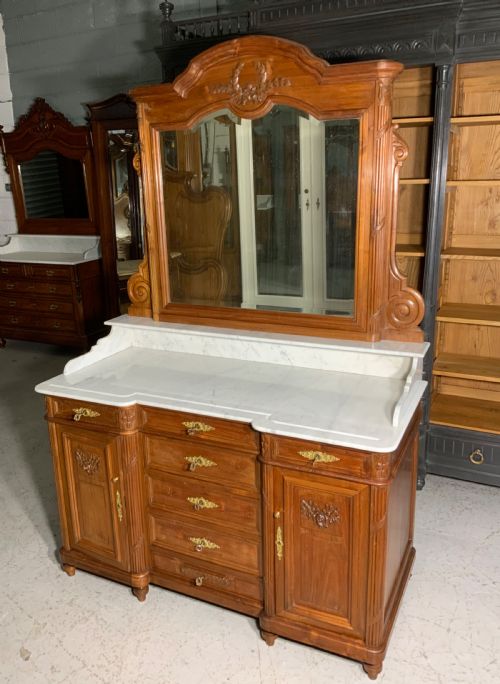
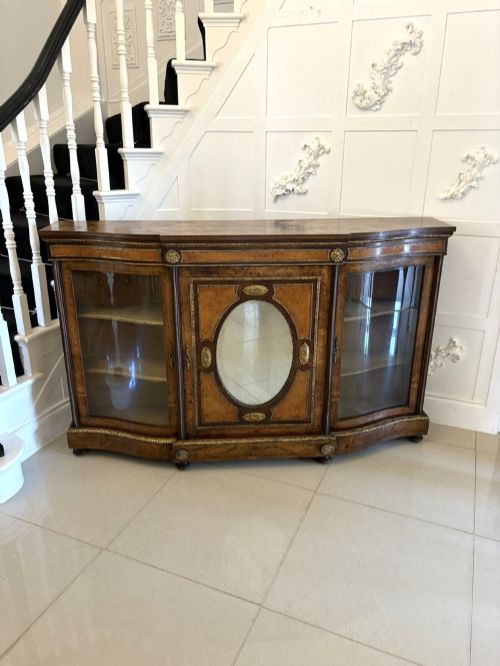
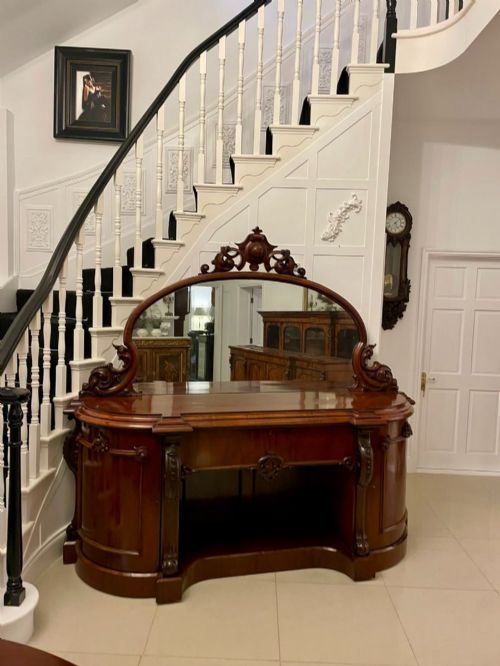
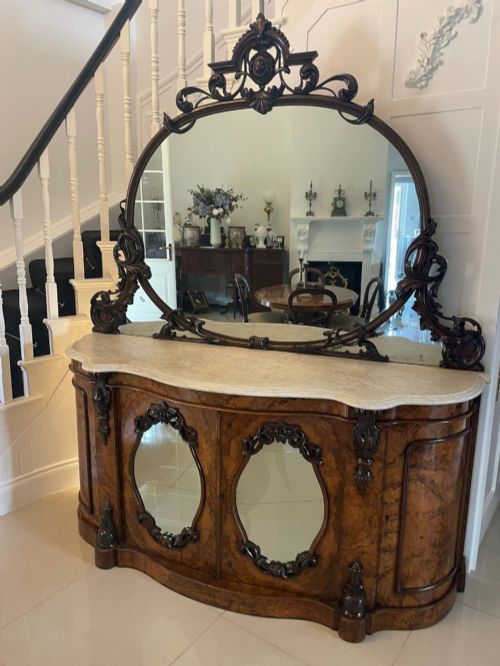
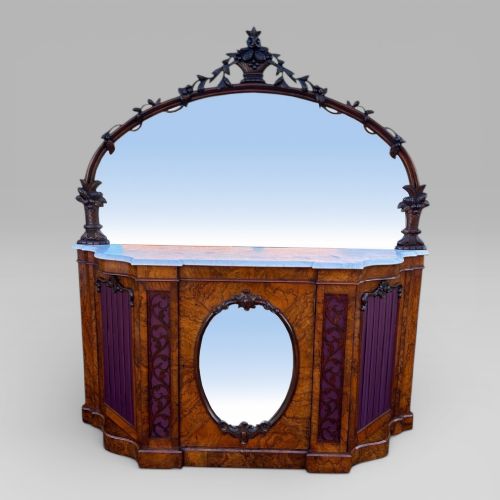
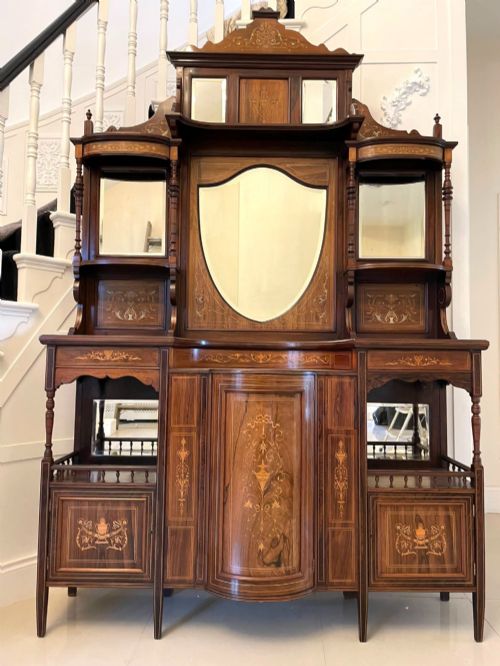
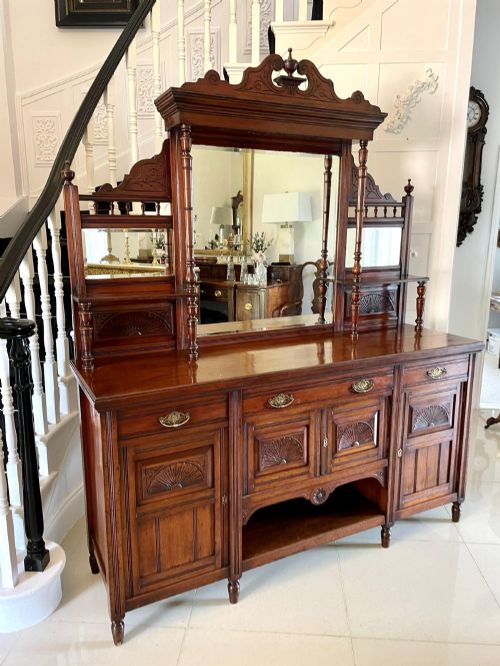
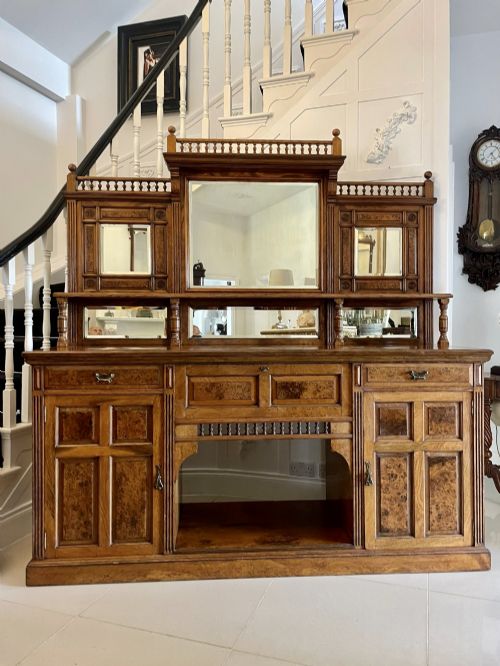
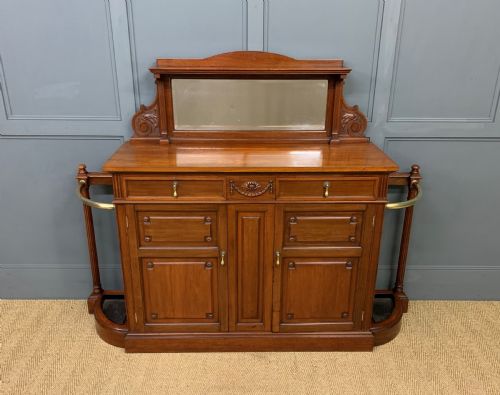
A Victorian credenza with mirror is a substantial reception room piece combining display cabinets and reflective glass, designed to catch the light.
Victorian Credenza with Mirror
A Victorian credenza with mirror serves as a grand focal point in a dining room or drawing room, traditionally used for displaying silver and porcelain. These items emerge primarily from the nineteenth century, spanning various decades up to nineteen ten.
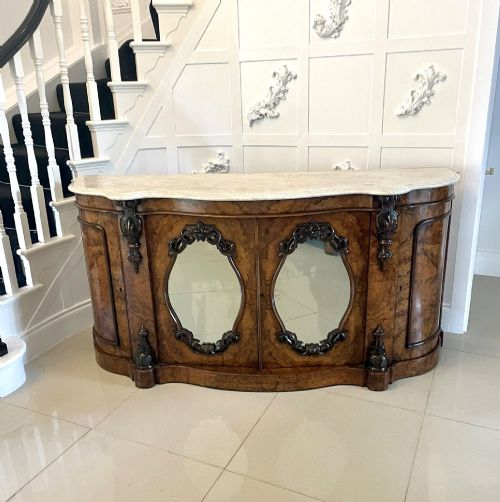
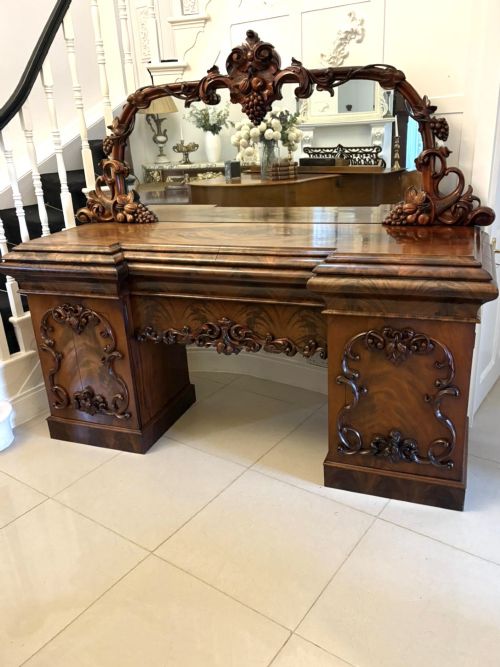
The form frequently appears as a low cabinet accompanied by an upright mirrored superstructure, though related listings include sideboards, side cabinets, and chiffoniers. Burr walnut, oak, and rosewood dominate the structural choices across these periods.
How they were made
Cabinet makers utilised dense timber carcases veneered in highly figured burr walnut, mahogany, rosewood, or carved oak, often enriched with marquetry inlay. Brass mounts and ormolu provide metallic contrast to the dark timber surfaces.
Glass is integrated extensively through bevelled mirror plates in the backboards and glazed door panels, whilst marble sometimes forms the upper surface of the base cabinet.
Materials recorded include glass, oak, burr walnut, brass, mirror, ormolu, mahogany, and rosewood.
What varies in quality
Quality rests upon the selection of timber veneers, where intensely figured burr walnut or profuse marquetry distinguishes finer commissions from plainer oak variants. The crispness of hand-carved details and the integration of cast ormolu mounts elevate specific pieces above standard production.
Structural complexity also dictates the tier, visible in serpentine-shaped fronts, breakfront pedestals, and substantial mirror frames that require expert joinery to support heavy glass panels.
Gillows
The Victorian Credenza with Mirror Glossary
- Credenza
- A low dining room or drawing room cabinet, often featuring central cupboards flanked by curved glass doors. This form evolved significantly during the Victorian era.
- Ormolu
- Gilded bronze mounts applied to furniture for decorative enrichment. These metallic elements catch the ambient light within a room.
- Burr walnut
- A highly prized timber veneer showing swirling, knotty grain patterns. Cabinet makers selected these figured sections for the principal exterior surfaces.
- Marquetry
- Decorative woodwork where different coloured veneers are fitted into a ground material to form intricate patterns. This technique appears frequently on late Victorian rosewood pieces.
- Chiffonier
- A compact sideboard or low cabinet equipped with a raised shelf or mirror back. The type offers similar display utility to the credenza.
Victorian Credenza with Mirror: Frequently Asked Questions
Where should I place a credenza?
These large cabinets sit best against a principal wall in a dining room or drawing room where their height and mirrored backs can reflect natural light.
Ensure the floor is level and keep the timber away from direct heat sources to protect the polished finish and delicate veneers.
How do I care for burr walnut?
Dust the timber regularly with a dry, soft cloth and avoid chemical polishes that can degrade the historic French polish surface.
Keep the room humidity stable to prevent the burr walnut veneer from shrinking or lifting over time.
What is the difference between a sideboard and a credenza?
A sideboard generally stands taller and was designed specifically for serving food and storing dining paraphernalia. A credenza tends to be lower, often incorporating glass-fronted display sections for decorative porcelain.
Both forms frequently acquired mirrored superstructures during the nineteenth century.
How do I date a mirrored cabinet?
Examine the timber species, the style of carving, and the construction methods used in the carcass and mirror frame. Pieces from the early nineteenth century often feature figured walnut and serpentine shapes, while later examples embrace Arts and Crafts influences or profuse marquetry.
The bevel of the mirror glass and the type of internal fixings also provide clues to the decade of manufacture.