
Victorian Countryside Landscape Art
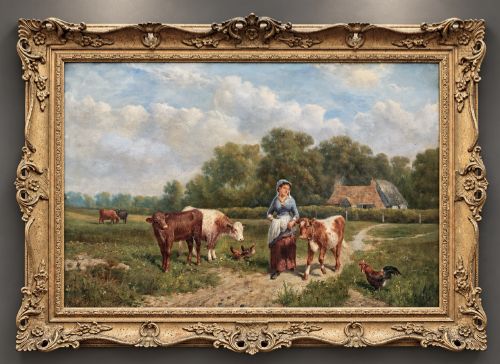
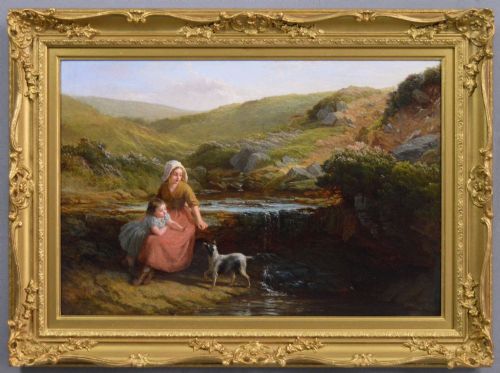
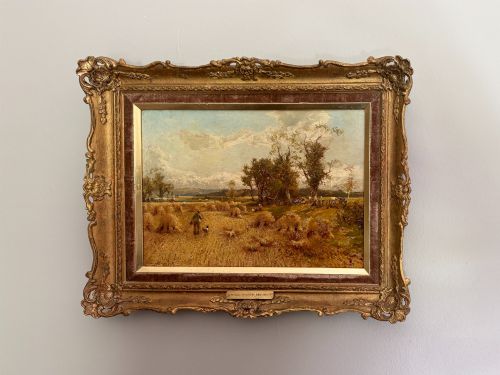
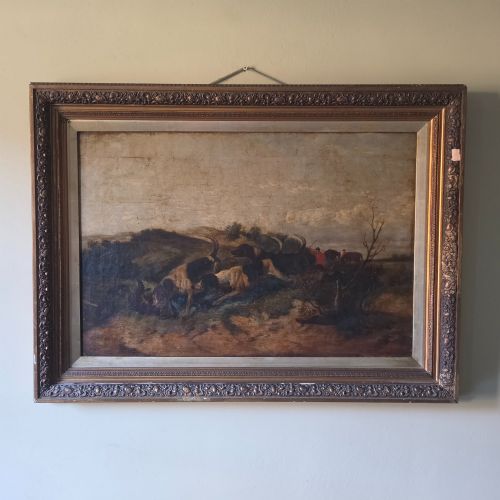
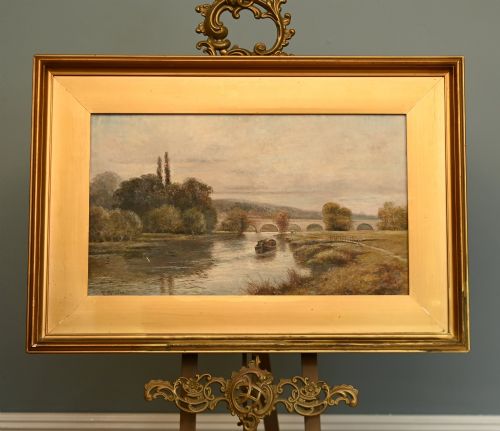
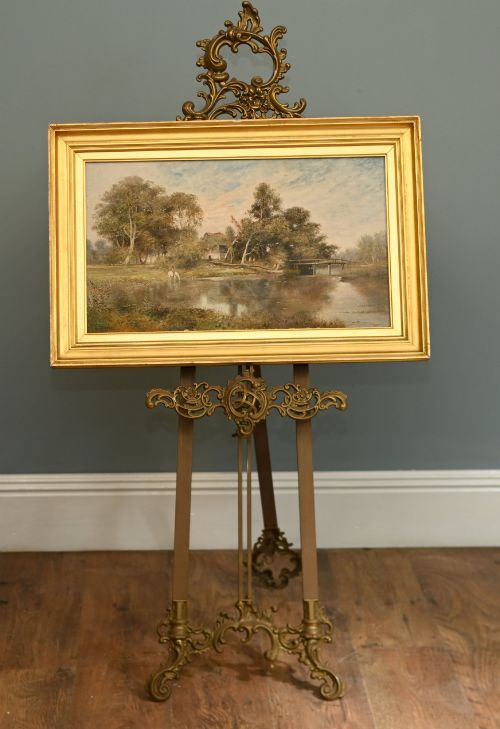
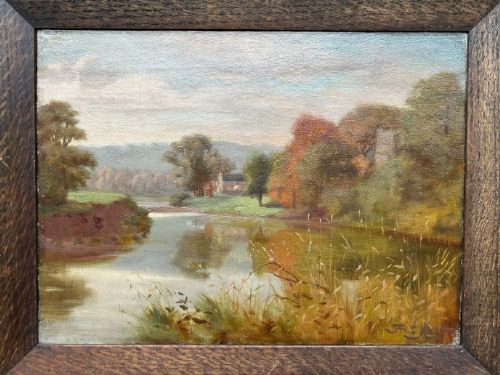
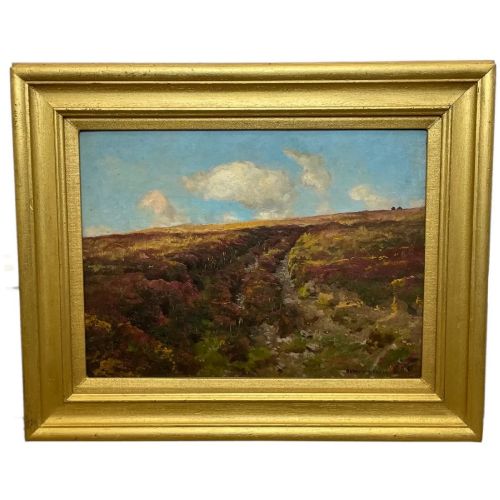
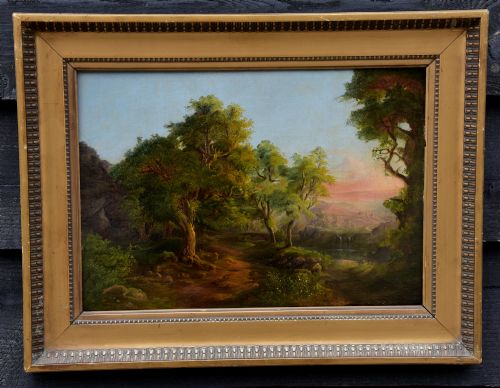
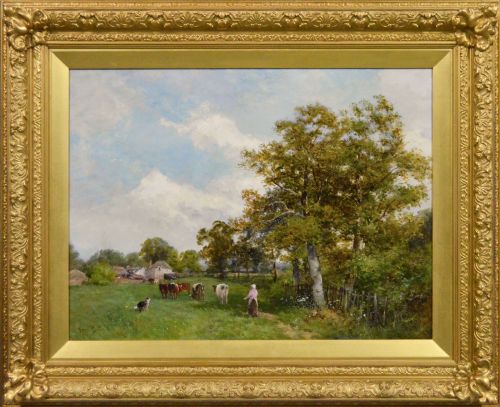
When you search for victorian countryside landscape art, you discover framed pastoral views and river scenes painted across the nineteenth century.
Victorian Countryside Landscape Art
Victorian countryside landscape art captures rural life, woodland rivers, and pastoral valleys through nineteenth-century painting traditions.
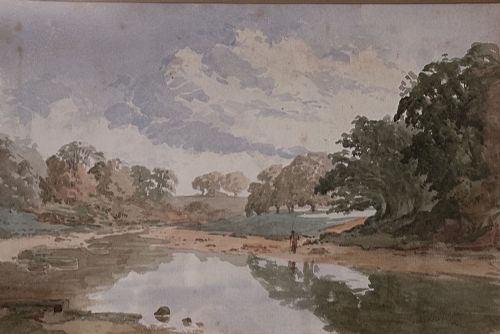
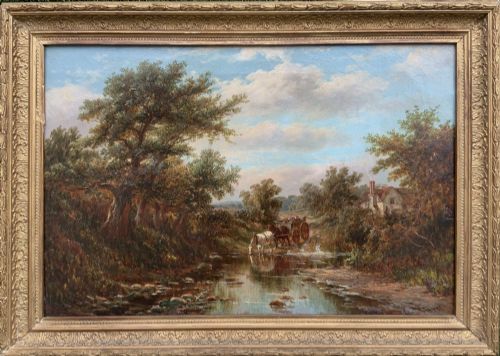
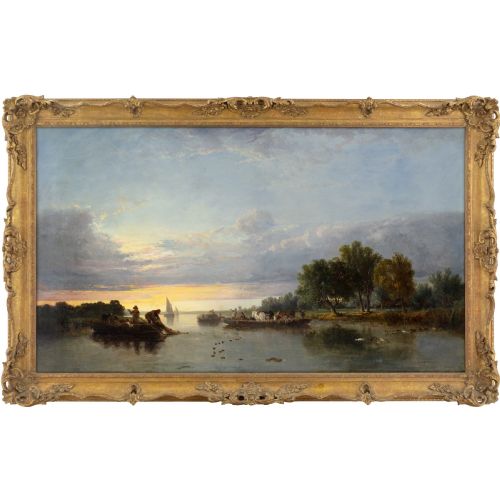
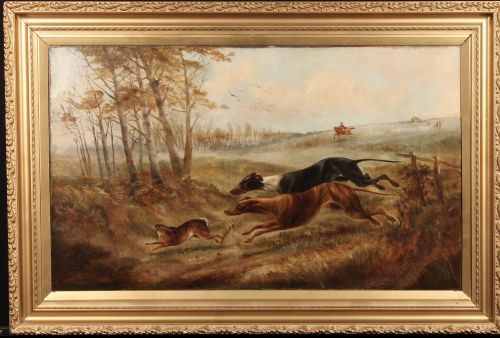
The pieces on this page include oil paintings on canvas and board alongside watercolour paintings on paper.
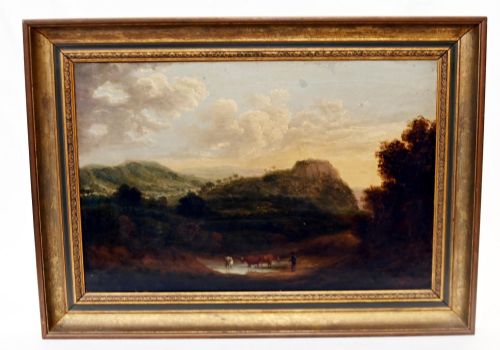
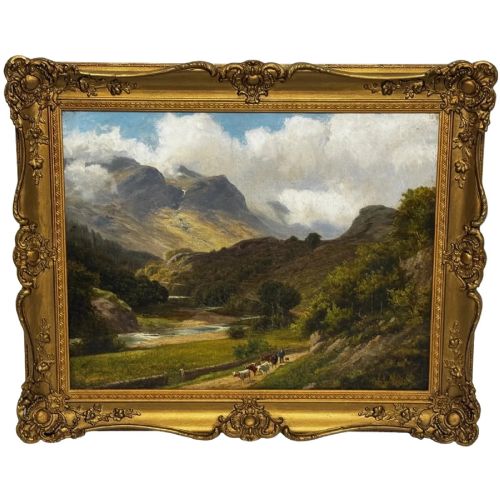
Subjects range from Welsh mountain views and harvest scenes to cattle grazing by rivers and shepherds with flocks.
Materials and Technique
Artists painted primarily with oil paint on canvas or board, and with watercolour pigment on paper.
Works are frequently housed in original gilded wood frames that complement the depth of the pigments.
Sheep appear in numerous pastures across these canvases, patiently enduring every shift in British weather.
Judging Quality
Quality rests in the handling of natural light, atmospheric depth, and the precise rendering of foliage, water, and figures.
Stronger pieces show confident brushwork and balanced composition, whereas weaker works rely on formulaic arrangements of trees and rivers.
Richard Sebastian Bond·Frederick Marriott·Arthur Wardle·David Bates·Frederick Walker·Richard Redgrave·John Horace Hooper·Alfred George Morgan·Charles Gregory·William Henry Mander·Arthur Tucker·James William Booth·Alfred Augustus Glendening Jnr·William Sydney Cooper·Thomas Hunn·Sidney Richard Percy·James Orrock·Thomas Spinks·Robert John Hammond·Robert Thorne Waite·Charles Vickers·Henry Bailey·William Mellor·Walter J Watson·John Linnell
The Victorian Countryside Landscape Art Glossary
- Pastoral landscape
- A genre of art depicting rural life, shepherds, farm animals, and gentle countryside scenery. These works romanticise agricultural labour and natural calm.
- Oil on canvas
- Pigment mixed with drying oil applied to a stretched woven fabric support. This combination allows for rich colour blending and textured brushwork.
- Watercolour pigment
- Finely ground colour suspended in a water-soluble binder applied to paper. It creates transparent washes that capture bright daylight.
- Gilded wood
- Timber frames coated with a thin layer of gold leaf or metallic gilt. They provide traditional framing for nineteenth-century fine art.
Victorian Countryside Landscape Art: Frequently Asked Questions
What subjects appear in these paintings?
The canvases and watercolours depict rural rivers, mountain ranges, harvest fields, and grazing cattle.
Scenes frequently include farm workers, sheep, and historic bridges within British and European settings.
How do I care for these watercolours?
Watercolour paintings on paper require protection from direct sunlight to prevent the pigments from fading over time.
Keep them away from damp environments and display them behind glass with acid-free mounts.
Are these paintings signed by the artist?
Many of the works feature signatures or initials from the period, while others remain attributed to the British School.
Signatures often appear distinctly in the lower corners of the canvas or paper.
How do oils and watercolours differ?
Oil paintings utilise heavy pigments on canvas to build rich texture and deep tonal contrast.
Watercolours employ transparent washes on paper to produce luminous, lighter compositions.