
Victorian Country Landscape Artwork
These pieces of victorian country landscape artwork capture rural life through oils and watercolours spanning the nineteenth century.
Victorian Country Landscape Artwork
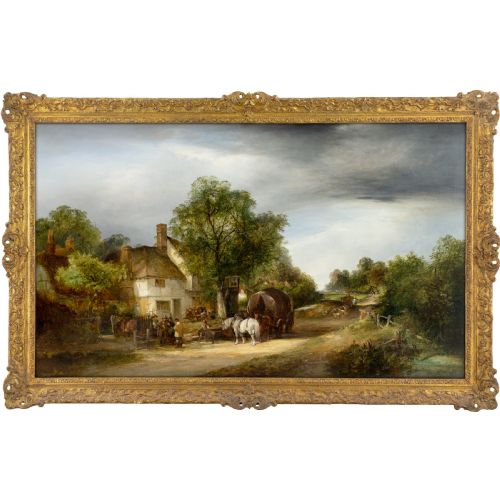
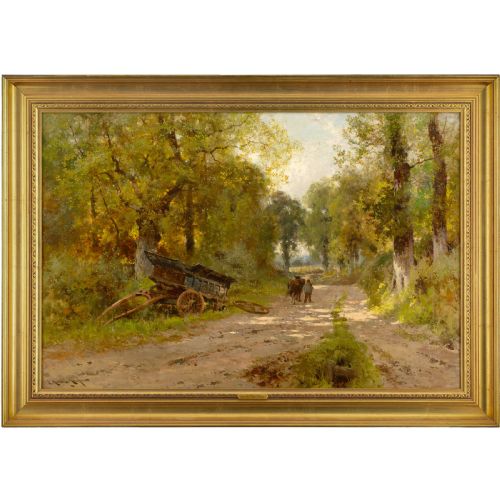
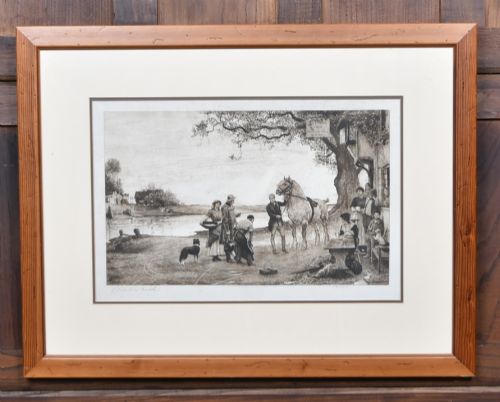
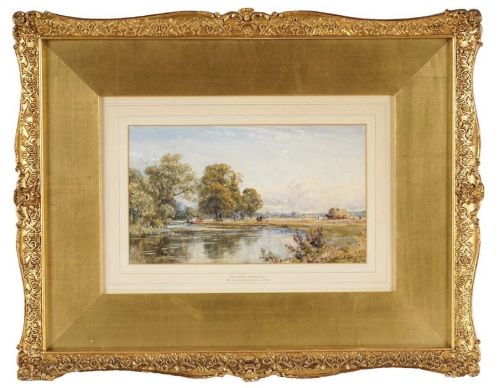
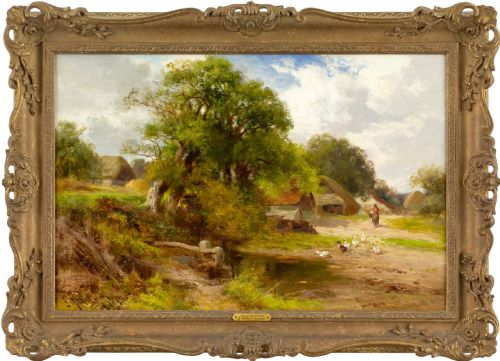
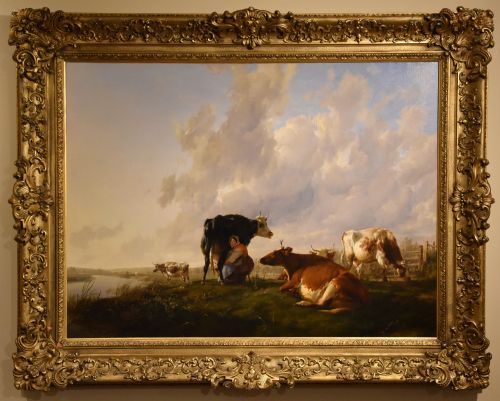
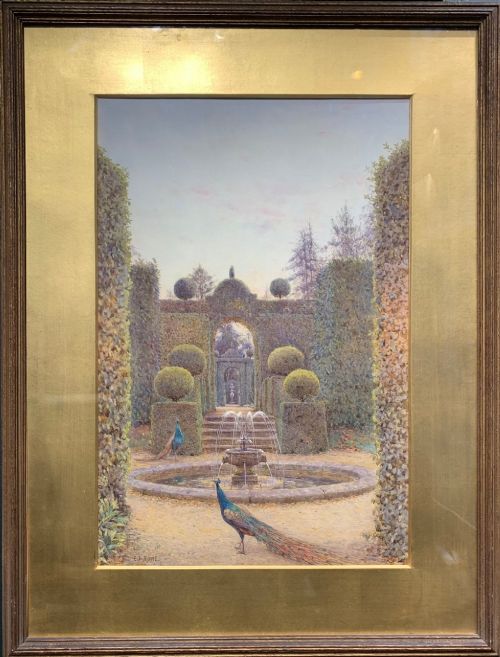
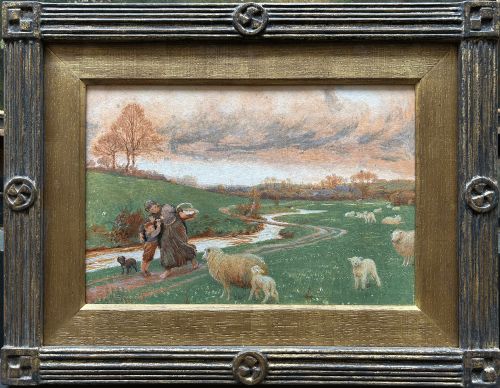
When you search for victorian country landscape artwork, you are looking at nineteenth-century paintings that depict fields, rivers, cottages and farm animals. The works record rural scenes across Britain, capturing rural life and pastoral settings through the eyes of period artists.
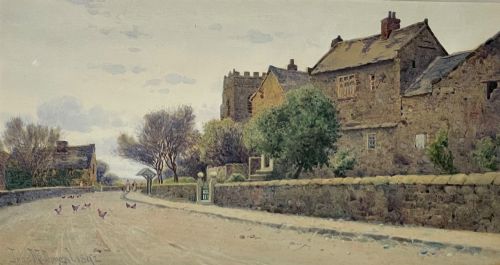
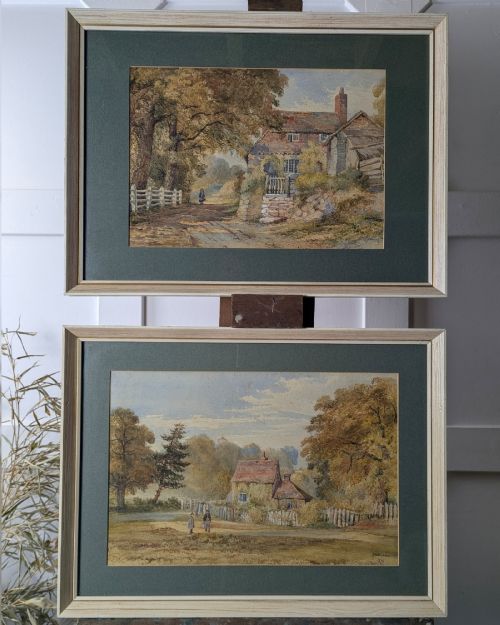
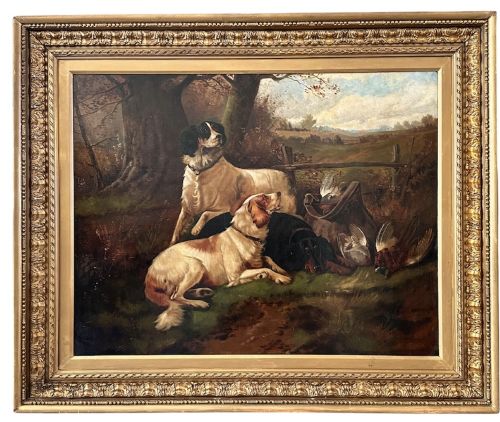
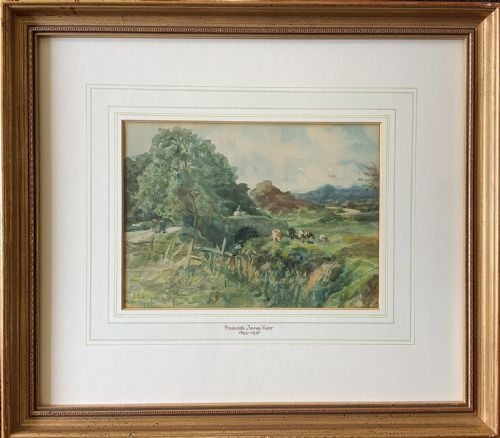
The pieces you meet on this page take the form of oil paintings on canvas or panel, alongside watercolours on paper. Most date from the decades between eighteen-fifty and nineteen-hundred, reflecting the Victorian taste for natural scenery and rural charm.
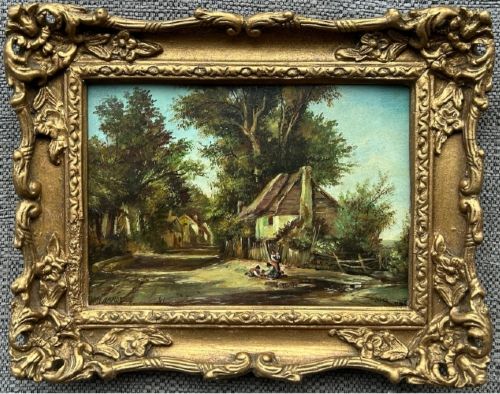
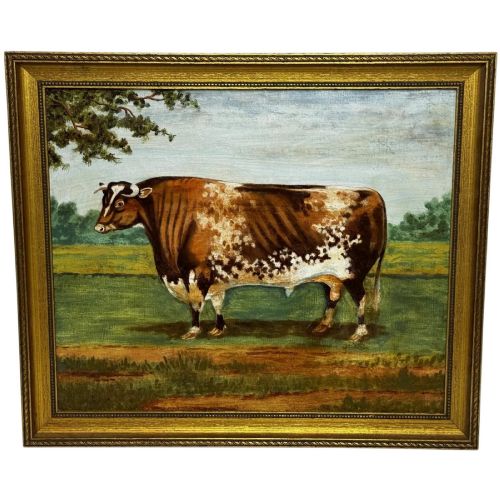
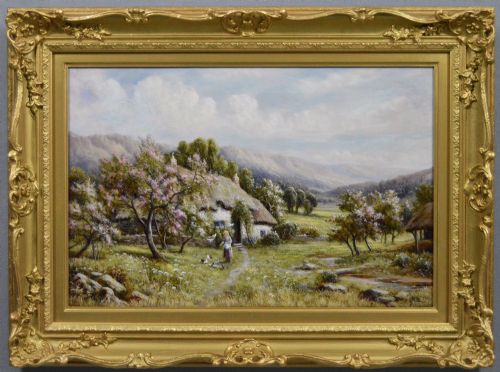
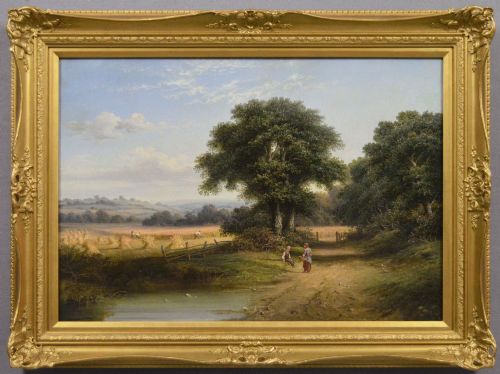
Subjects range from quiet river banks and harvest fields to cottages and cattle. They present a window into the countryside of the period, executed by named painters and the British School.
How they were made
Artists worked primarily with oil paint on canvas or board, and watercolour on paper, applying pigments to capture light and atmosphere in rural settings. The preparation involved stretching canvas over wooden frames or mounting paper securely before applying the medium.
Makers framed these works in wood, frequently utilising gilt frames that complemented the tones of the pastoral scenes. The combination of oil paint, canvas and gilt wood defines the physical presence of these nineteenth-century pictures.
Listings feature works from the nineteenth century, including pieces dated across the eighteen-fifties, sixties, seventies, eighties and nineties.
What varies in quality
The standard of a victorian country landscape artwork rests on the artist's ability to render light, depth and anatomical detail in figures and animals. Superior examples display confident brushwork and a balanced composition that draws the eye into the depth of the field or river valley.
Condition and framing also separate works at different levels. Original gilt wood frames and well-preserved paint surfaces without heavy restoration maintain the integrity of the period piece.
John Horace Hooper·John McDougal·Robert John Hammond·Walter Heath Williams·Thomas Sidney Cooper·Ernest Arthur Rowe·Frederick James Kerr·Henry Yeen King·Henry H Parker·Herman S Melville·Joseph Knight·A M Gauci·John Bedloe Goddard·Robert Little·Henry John Kinnaird·Arthur Hopkins
The Victorian Country Landscape Artwork Glossary
- Oil on canvas
- Pigment mixed with drying oil applied to a woven fabric support. This combination allowed artists to build rich textures and deep colour tones.
- Watercolour
- A paint consisting of water-soluble pigments used on paper. It creates translucent washes of colour suited to atmospheric sky and water studies.
- Gilt wood
- Wood carved and coated with gold leaf or gold-coloured finish. These frames were standard for displaying nineteenth-century paintings.
- Pastoral
- A style of art that idealises rural life and country scenery. These works focus on shepherds, farm animals and quiet agricultural settings.
- British School
- A term used to describe artists working in Britain whose specific identities are unrecorded or part of a wider national tradition. It groups together works sharing regional techniques and subjects.
Victorian Country Landscape Artwork: Frequently Asked Questions
What periods do these paintings cover?
The works span the nineteenth century, with a strong representation from eighteen-fifty to nineteen-hundred. This era encompasses the Victorian period and the transition into Edwardian styles.
Dates on the listings reflect the working periods of the artists or the specific year the canvas or watercolour was produced.
How were these watercolours and oils framed?
Many pieces retain their period frames made of wood, often finished with gilt. These frames were designed to complement the rich tones of the pastoral scenes.
Original framing helps preserve the historical context of the artwork.
What subjects appear in these landscapes?
Common subjects include river banks, harvest fields, cottages, and farm animals such as cattle and sheep. Artists recorded rural activities like logging and tending to livestock.
These scenes reflect a strong interest in natural history and rural life during the Victorian era.
How do I care for an antique oil painting?
Keep oil paintings away from direct sunlight and dramatic changes in humidity to protect the canvas and paint layers. Dust the surface gently with a soft, dry brush.
Avoid using water or cleaning solutions on the paint or the gilt wood frame.