


Antique Angler Art
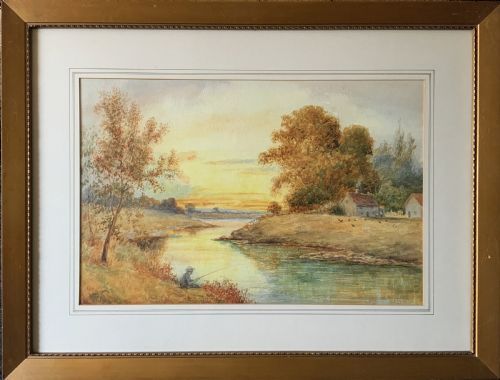
These antique angler art pieces capture the quiet patience of riverbanks, bringing historical sporting scenes directly into your home.
Antique Angler Art
When you search for antique angler art, you encounter a specialised selection of paintings that focus on fishermen, riversides, and sporting landscapes. The pieces here span the nineteenth century through to the mid-twentieth century, capturing enduring pastoral pursuits.
You are most likely to meet Victorian British school works, alongside Edwardian pastoral watercolours and mid-century impressionist views. These works range from intimate watercolours on paper to substantial oil paintings on canvas framed in gilt wood.
Subjects vary from quiet portraits of an angler with a catch on a riverbank to detailed genre scenes of men preparing fishing tackle. Each piece preserves a distinct record of historical angling traditions across various British and European waterways.
Materials and techniques
Artists working within this genre relied primarily on oil paint on canvas or watercolour pigment applied to paper. These traditional mediums allowed painters to capture the shifting light on water and the subtle textures of riverbank foliage.
Many of these works are housed in period wood or gilt wood frames that complement the painting style of the era. The application of paint ranges from the precise brushwork of Victorian sporting art to looser impressionist interpretations.
Listings feature oil on canvas and watercolour on paper, framed in wood and gilt wood.
Assessing quality and execution
The distinction between standard works and finer pieces rests in the handling of light, water reflections, and human anatomy. Skilled painters render the concentration of the angler and the movement of the river with convincing depth.
Provenance and attribution also influence distinction, as signed works by documented artists command closer attention from collectors. The preservation of the original canvas, pigment vibrancy, and period framing further contribute to the standing of each piece.
Alfred Augustus Glendening Jnr·Phyllis Morgans·Harry Davis·Paul H Ellis·John Arthur Lomax·Sonia Mervyn·Peter de Wint
The Antique Angler Art Glossary
- Genre painting
- A style that depicts aspects of everyday life by portraying ordinary people engaged in common activities. In this context, it often shows anglers preparing tackle or waiting by the water.
- Gilt wood frame
- A wooden picture frame coated with a thin layer of gold leaf or gold paint. These frames frequently accompany nineteenth-century oils and enhance the visual weight of the artwork.
- Sporting art
- Artwork that depicts rural sports, including fishing, shooting, and hunting. This genre documents the social history and leisure pursuits of past centuries.
- Watercolour pigment
- A paint consisting of colour suspended in a water-soluble binder, traditionally used on paper. It creates transparent washes that lend themselves well to light-filled river landscapes.
Antique Angler Art: Frequently Asked Questions
What periods do these paintings cover?
The selection spans from the nineteenth century through the Edwardian era and into the mid-twentieth century. Most examples date from the Victorian period up to the nineteen-thirties.
These dates reflect traditional British sporting art and pastoral painting styles popular across those decades.
How were these fishing scenes displayed historically?
Landscapes and sporting paintings were traditionally hung in country houses, libraries, and studies to celebrate outdoor pursuits. They brought the atmosphere of the riverbank into domestic interiors.
Today, they suit similar traditional or eclectic interior spaces where framed wall art creates a focal point.
Are watercolours as durable as oils?
Watercolour paintings on paper require protection from direct sunlight to prevent fading of the pigments over time. They are typically glazed and framed to safeguard the delicate surface.
Oil paintings on canvas are generally more robust, though both mediums benefit from stable indoor humidity and temperature.
How can I tell a Victorian painting from a later work?
Victorian pieces often feature tighter brushwork and a focus on narrative detail, such as the specific tackle or the expression of the angler. Later twentieth-century works tend towards looser impressionist brushstrokes and broader interpretations of light.
Frame styles, canvas types, and artist signatures also provide reliable clues to the exact period of execution.