
Victorian Country House Chair
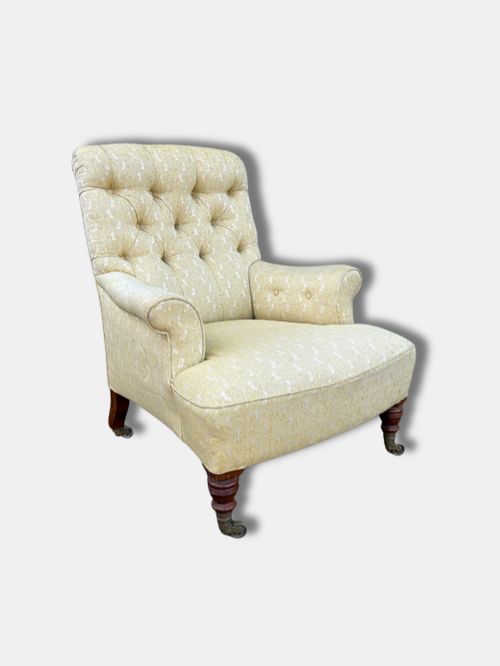
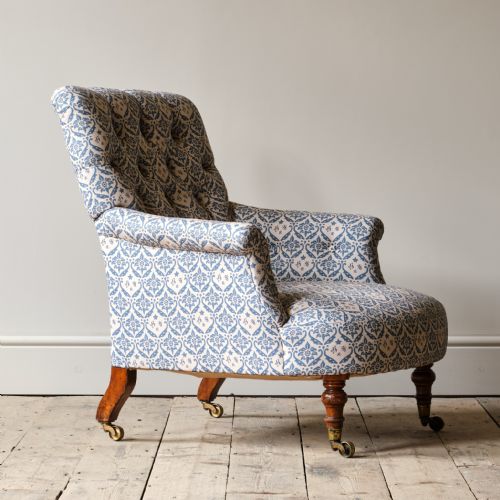
A victorian country house chair brings lived-in comfort and sturdy craftsmanship to a room through upholstered ease and robust timber framing.
Victorian Country House Chair
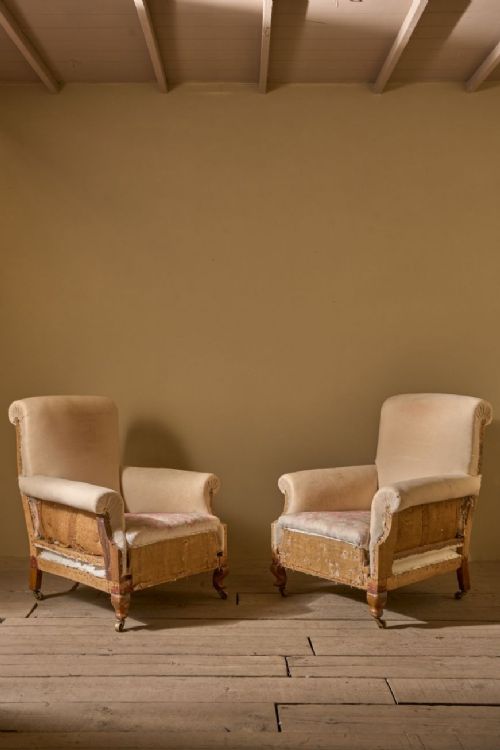
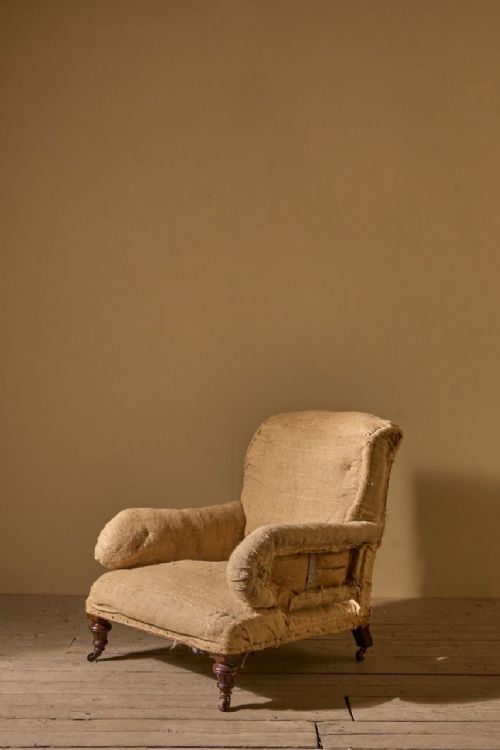
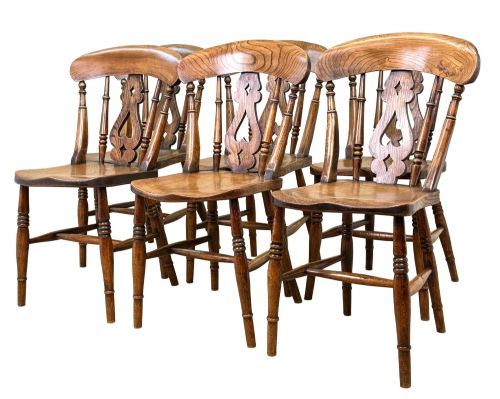
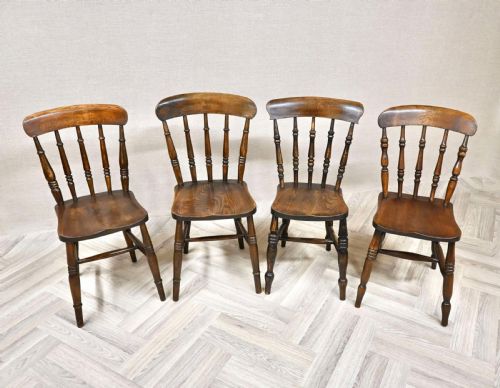
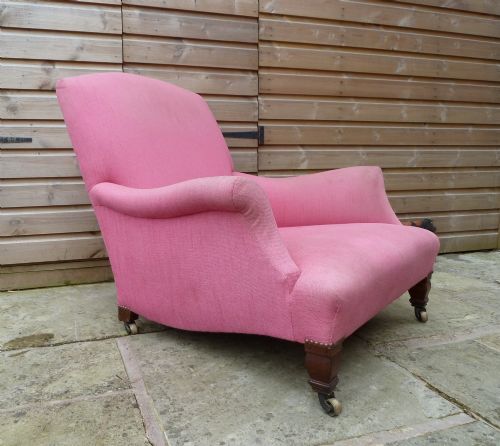
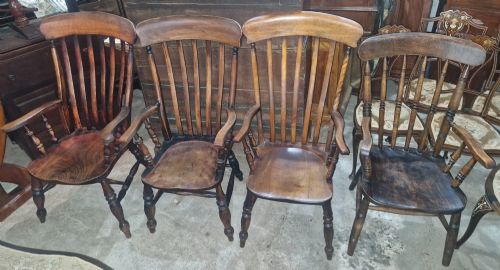
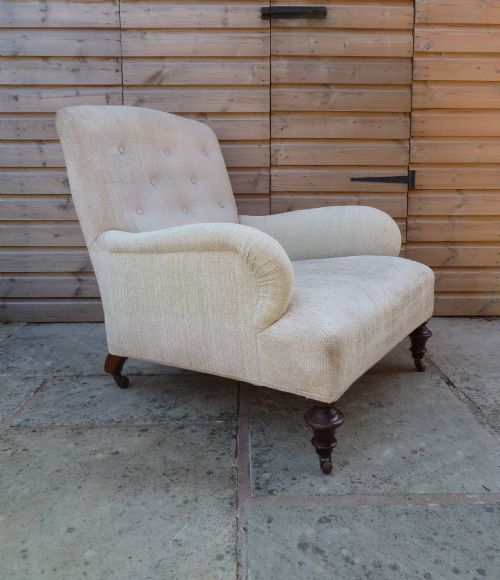
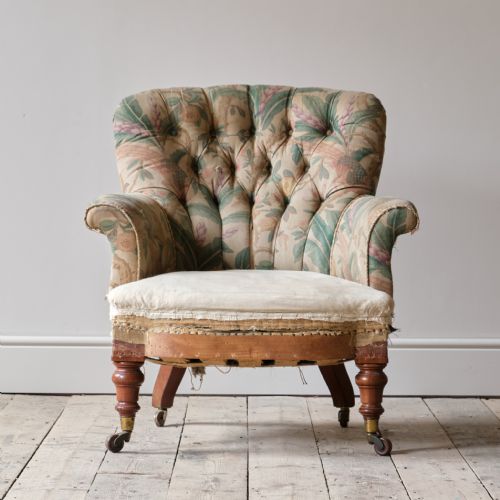
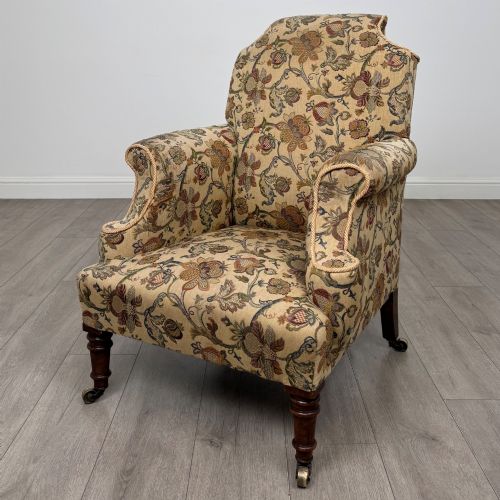
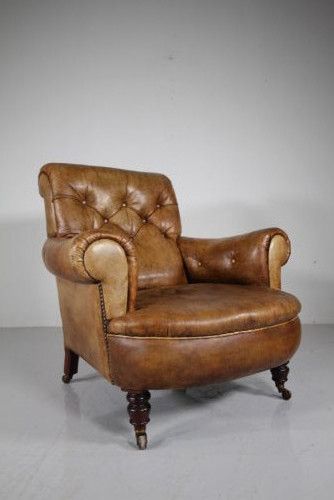
A victorian country house chair encompasses a wide variety of seating built for comfort and utility in large estates, ranging from deep-seated upholstered armchairs to sturdy wooden kitchen windsors and formal hall chairs. You will most frequently encounter generous, sprung armchairs designed for long hours of relaxation alongside spindle-backed farmhouse dining chairs and smokers bows.
The selections span the nineteenth century, drawing on stylistic revivals and cabinet-maker designs that prioritized durability alongside domestic luxury. Pieces vary from simple elm and beech kitchen seating to substantial mahogany, walnut, and rosewood library or drawing room chairs bearing maker stamps and upholstery remnants.
Originating predominantly from English and Scottish workshops, these chairs reflect the distinct social spaces of the domestic interior, moving effortlessly from service quarters and nurseries to grand libraries and drawing rooms.
Materials and construction
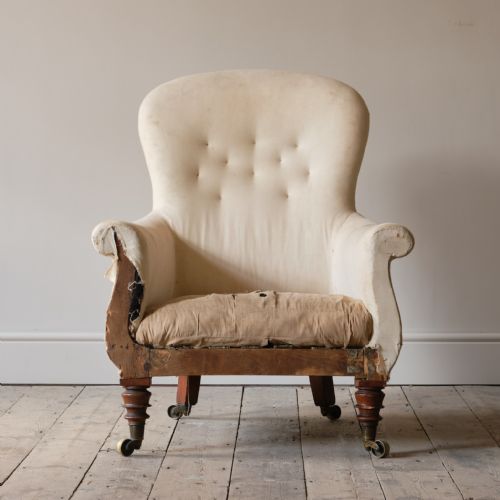
Construction relies heavily on traditional hardwoods such as elm, ash, beech, mahogany, and walnut, paired with robust internal framing and traditional joinery like mortise and tenon. Windsor and kitchen models utilise turned spindles and bentwood bows, whilst larger armchairs incorporate webbed or sprung bases designed to support heavy upholstery.
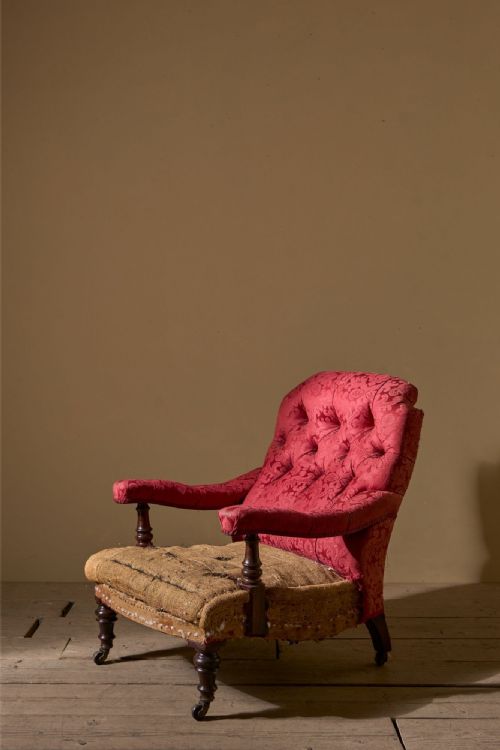
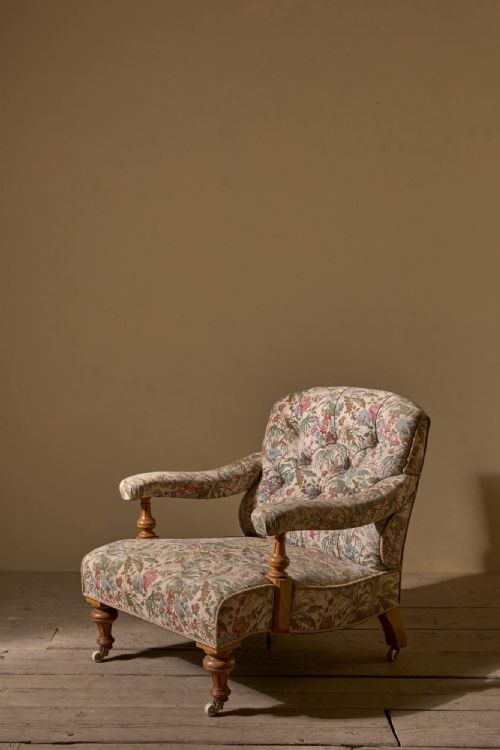
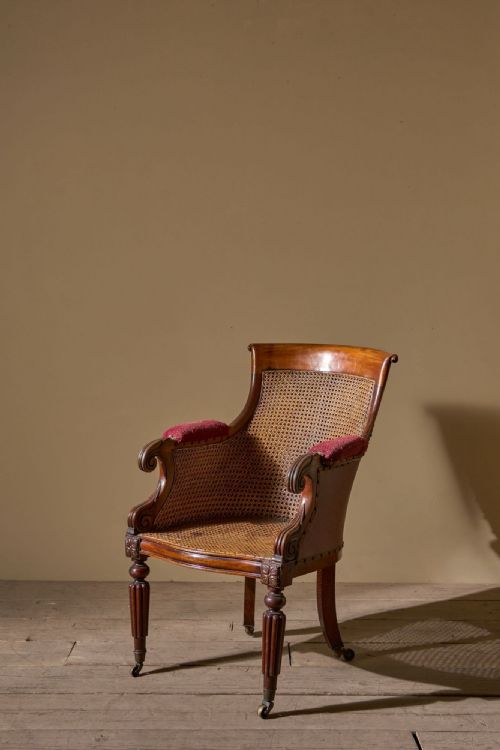
Upholstered examples combine horsehair stuffing, hessian webbing, and calico lining beneath top covers of leather, wool chenille, or printed chintz. Decorative touches include buttoning, decorative brass nailing, cane panels, and carved details echoing Carolean or Regency motifs.
Some nineteenth-century armchairs arrived with matching footstools, proving that Victorian afternoon fatigue required serious architectural intervention.
What separates the best from the rest
Quality rests in the integrity of the timber frame, the depth of the proportions, and the authenticity of the maker or upholstery foundation. Superior examples display thoughtful joinery, high-grade timbers such as figured mahogany or seasoned walnut, and balanced ergonomic shaping that ensures deep seating comfort.
Pieces bearing documented maker attributions or stamps from prominent cabinet-makers command greater interest due to their verified lineage and refined execution. Lesser examples may show utilitarian utility framing, replaced components, or diminished proportions that sacrifice the signature generosity associated with estate seating.
Howard and Sons·Morison and Co·Holland and Sons·Gillows·Sopwith·Hindley and Sons·William Birch·SF Cullen
The Victorian Country House Chair Glossary
- Smoker's Bow
- A sturdy low-backed wooden armchair with a turned spindle gallery, commonly found in nineteenth-century kitchens and parlours. These comfortable seats feature continuous bentwood arm rails supported by thick turned pillars.
- Bergere
- An upholstered armchair featuring an enclosed wooden or cane-panelled frame with a loose seat cushion. The woven cane sides and back offer a lighter aesthetic suited to drawing rooms.
- Wingback
- An armchair with high side panels designed to shield the sitter from drafts and retain fireplace warmth. The upholstered wings extend downward from the back to integrate with the armrests.
- Bobbin Chair
- A turned wooden chair where the legs, stretchers, and uprights are shaped to resemble a series of bobbins or spools. This distinctive decorative turning style gained popularity during the nineteenth-century revival periods.
- Spindleback
- A wooden chair featuring a backrest composed of numerous thin vertical turned rods. This lightweight construction technique provides resilient support in farmhouse and kitchen settings.
Victorian Country House Chair: Frequently Asked Questions
What defines a country house armchair?
A country house armchair is characterised by generous proportions, deep cushioning, and robust construction intended for heavy domestic use. These pieces prioritize physical comfort above formal stiffness, often featuring sprung seats and upholstered frames designed for country estates.
Over the nineteenth century, these chairs evolved from functional seating into statement pieces of relaxed interior luxury. Their welcoming scale and durable upholstery made them central fixtures in libraries, smoking rooms, and drawing rooms.
How do I care for antique leather upholstery?
Antique leather requires gentle cleaning with a damp cloth and periodic conditioning to prevent the hide from drying and cracking. Avoid harsh chemical cleaners and keep leather chairs away from direct sunlight and heat sources.
Maintaining the natural moisture of the leather preserves its historic patina and flexibility. Regular dusting prevents abrasive particles from wearing into the grain over time.
Where were Windsor chairs used?
Windsor chairs served primarily in kitchens, servants' quarters, and farmhouse dining spaces due to their resilient wooden construction. Their combination of solid elm seats and steam-bent ash or beech frames withstood rigorous daily activity.
Later in the period, lighter Windsor styles also found their way into informal sitting rooms and studies. Their honest craftsmanship made them a versatile seating option across different levels of the household.
How do I distinguish a library chair from a dining chair?
Library chairs are built with broader proportions, lower seats, and supportive armrests designed for prolonged reading and relaxation. They frequently incorporate padded upholstery or cane seating for added comfort.
Dining chairs are narrower, upright, and often armless to allow easy placement around a dining table. Their frame geometry encourages an upright posture rather than a relaxed lounge.