

Victorian Country Chest
A victorian country chest brings robust utility and honest charm to a room, offering practical storage through unpretentious timber craftsmanship.

Victorian Country Chest
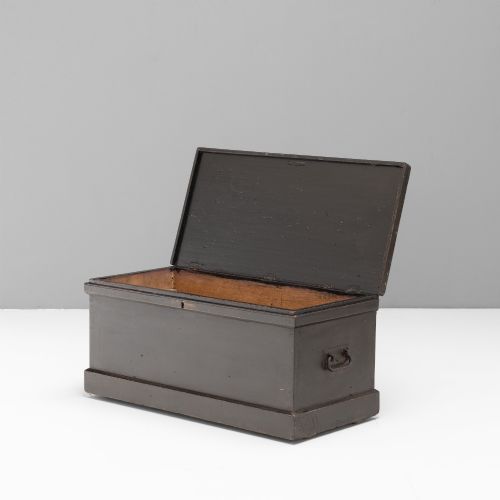
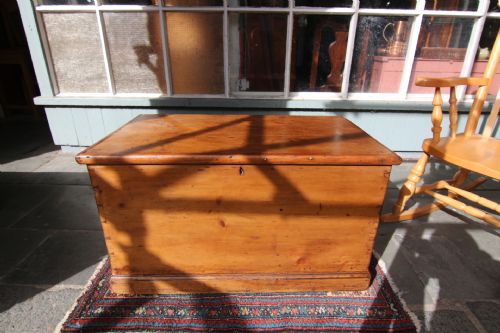
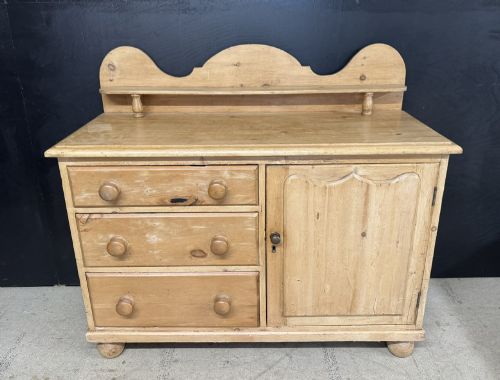
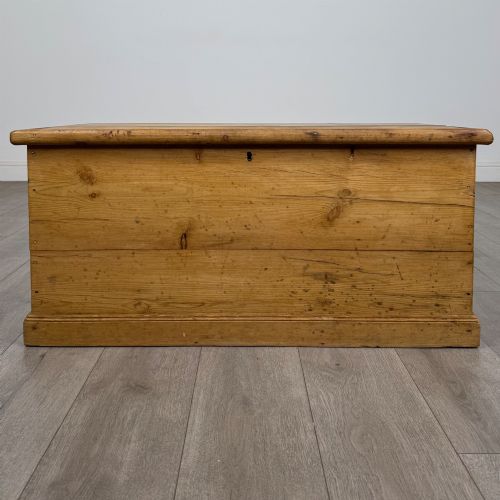
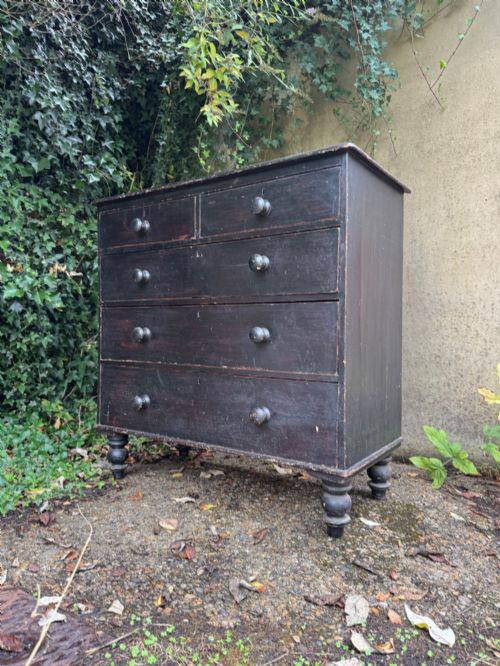
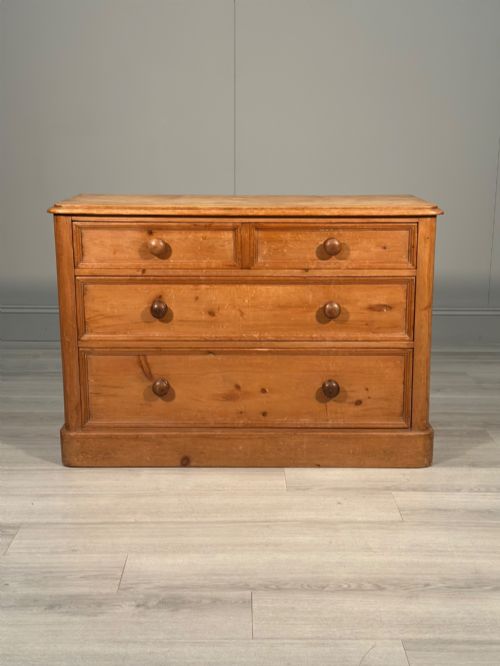
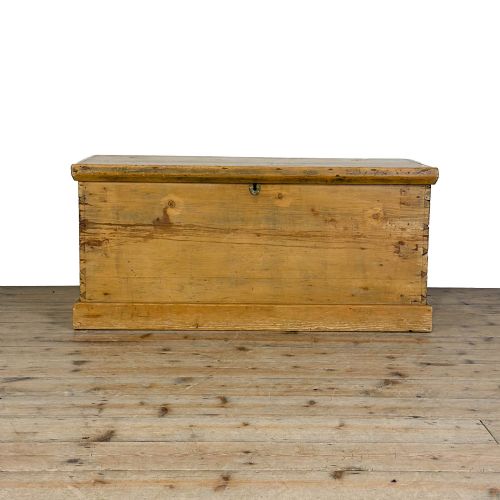
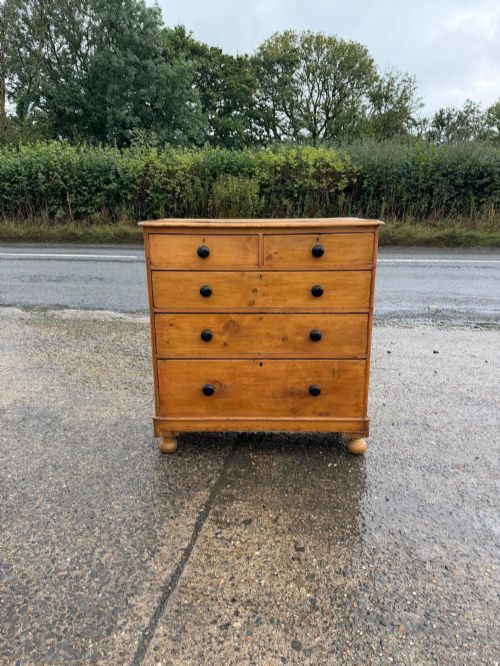
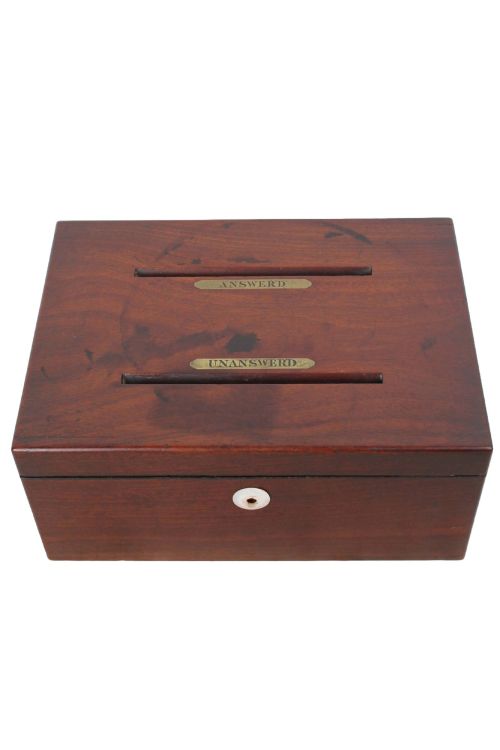
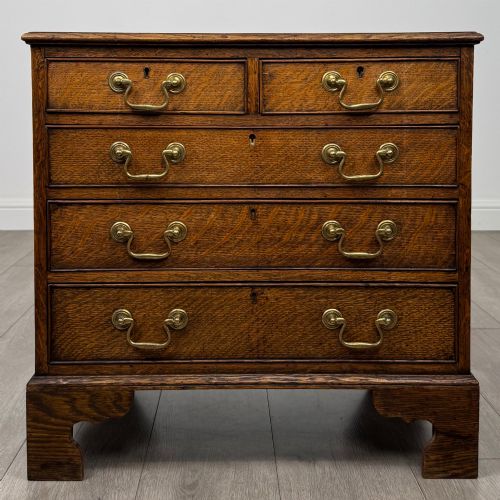
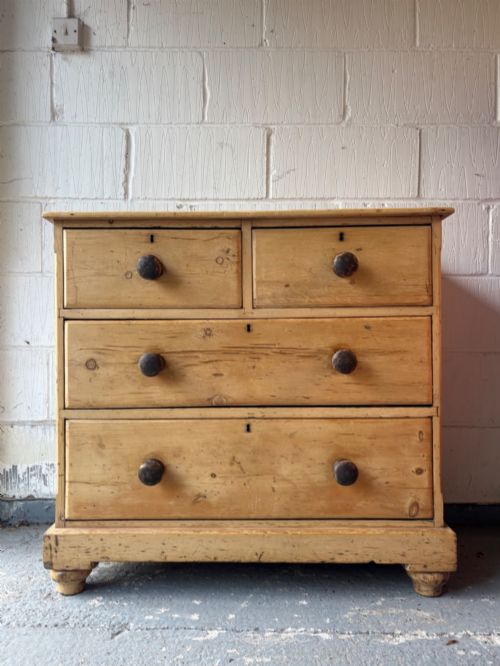
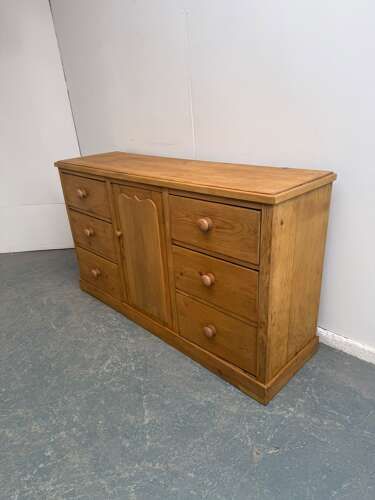
A victorian country chest encompasses practical storage forms built during the nineteenth century, most frequently taking shape as chests of drawers, blanket boxes, and linen presses in domestic domestic settings. The pieces appearing on this page span the Victorian and Edwardian periods, stretching from the mid-nineteenth century through to around nineteen hundred.
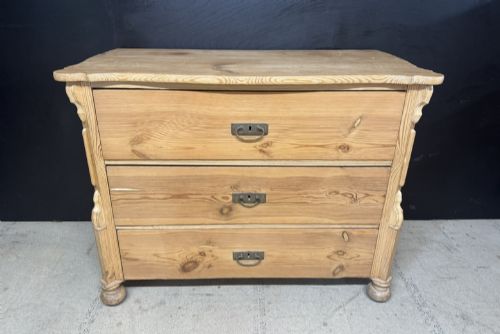
The version most commonly encountered is constructed from pine, often found stripped to bare wood or retained in original paint, alongside examples in oak, ash, and pitch pine. These storage pieces range from modest two-plus-three drawer arrangements to larger blanket boxes and low wide drawer configurations designed for rural homes.
Materials and construction
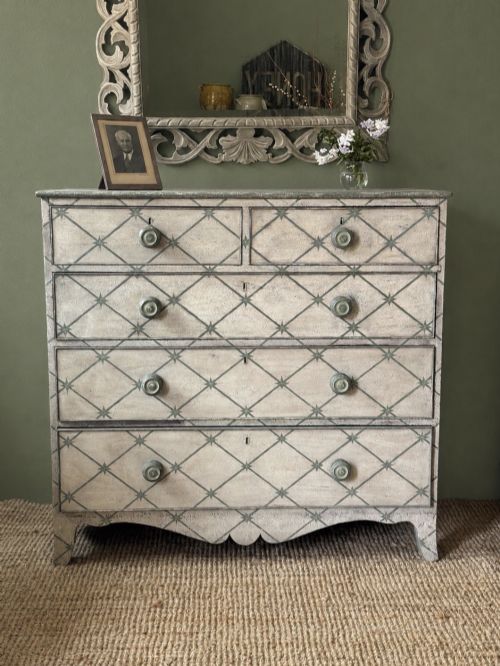
Construction relies primarily on softwoods and hardwoods like pine, pitch pine, oak, and ash, assembled with simple joinery suited to domestic utility rather than urban polish. Surfaces frequently show the application of wax finishes or decorative treatments such as original paint and scumble glaze.
Hardware details involve brass and iron fittings, alongside turned wooden elements like bun handles and feet that anchor the proportions of these utilitarian storage items.
Listings feature items dated from eighteen fifty through to nineteen hundred, encompassing both the Victorian and Edwardian eras.
Understanding quality
Quality in these domestic storage pieces rests upon the integrity of the timber selection and the survival of original finishes, such as early scumble paint or patinated waxed surfaces. Pieces retaining their original configuration of handles, feet, and structural timber present greater integrity than those altered over time.
The refinement of the proportions and the balance between utilitarian function and decorative restraint distinguish different tiers within the range, separating standard workshop output from more considered regional examples.
The Victorian Country Chest Glossary
- Scumble
- A decorative paint technique involving a translucent top layer dragged or patterned over a lighter base colour to simulate grain. It appears frequently on nineteenth-century country furniture.
- Pitch pine
- A dense, resinous softwood with pronounced grain patterns utilised for durability in furniture construction. It provides a robust alternative to standard pine.
- Mule chest
- A storage chest featuring one or more drawers built into the base beneath a lift-top compartment. This form bridges the traditional blanket box and the chest of drawers.
- Bun feet
- Spherical or slightly flattened rounded feet characteristic of nineteenth-century cabinet work. They lift the case body cleanly off the floor.
- Linen press
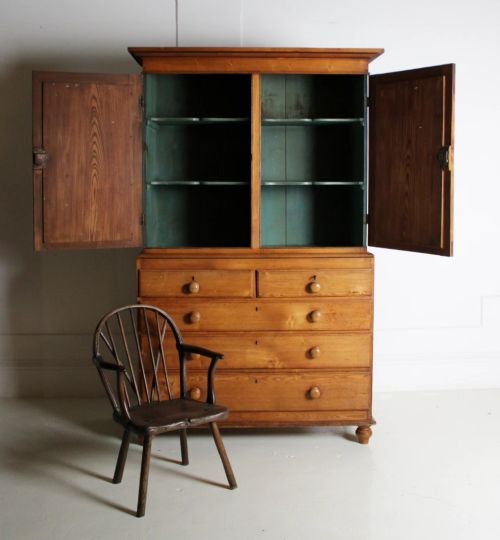
- A tall cupboard featuring upper shelving enclosed by doors above a lower bank of drawers. Originally designed for storing household textiles.
Victorian Country Chest: Frequently Asked Questions
What is a victorian country chest?
A victorian country chest is a nineteenth-century storage piece built for domestic use in rural or provincial homes, typically constructed from timber like pine, oak, or ash.
These functional items include chests of drawers, blanket boxes, and linen presses designed for everyday household storage rather than formal urban reception rooms.
How do I care for a waxed pine chest?
Care for a waxed pine surface involves dusting with a soft cloth and applying a traditional beeswax polish sparingly when the wood appears dry.
Avoid placing these timber pieces near direct heat sources or in damp environments to preserve the integrity of the wood and finish.
How do I identify original paint?
Original paint on these storage pieces displays natural wear patterns, craquelure, and integration with the underlying timber surface consistent with age.
Examination under natural light reveals how the decorative layers have aged together with the structure beneath over the course of the nineteenth century.
Where were these pieces used?
These storage chests and cabinets originated in farmhouses, country houses, and provincial dwellings where practical utility governed domestic interiors.
Today, they adapt readily to modern bedrooms, hallways, and living spaces as functional storage furniture with historic character.