


Victorian Corner Seating
Victorian corner seating brings together functional spatial design and period craftsmanship, offering character and utility for awkward spaces.
Victorian Corner Seating
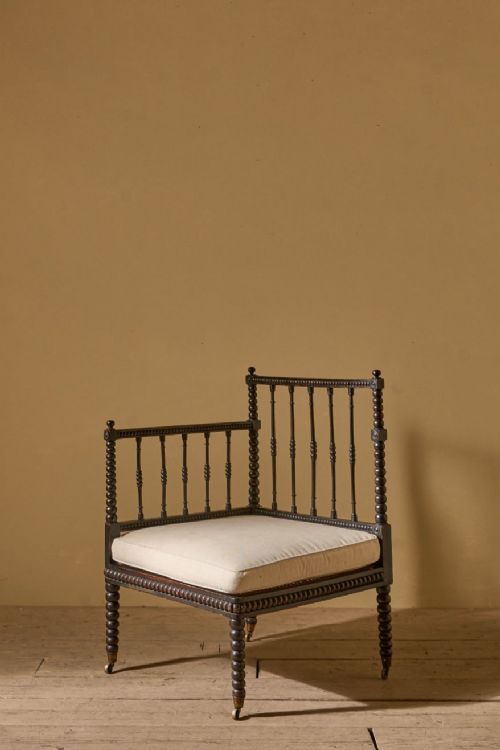
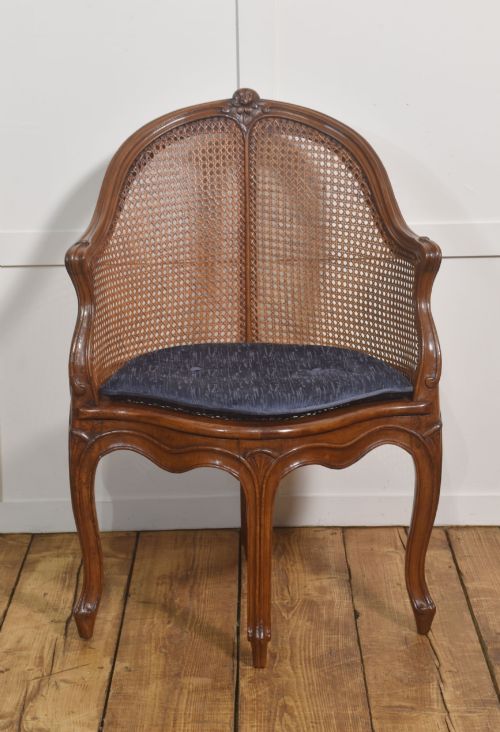
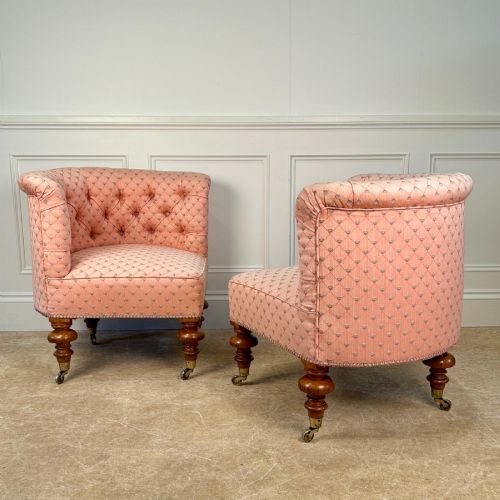
Victorian corner seating spans various forms designed to utilise room angles efficiently, including corner chairs, armchairs, and corner sofas. The inventory relies heavily on wooden frames, notably oak and walnut, paired with upholstered pads or cane panels.
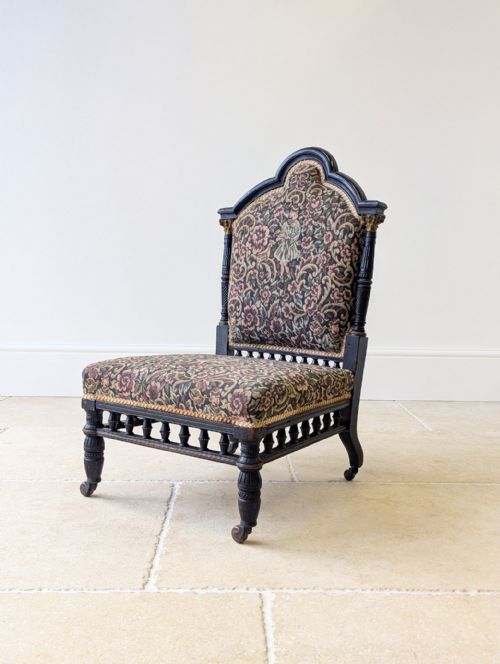
Makers and workshops produced these pieces across the nineteenth century, incorporating styles such as Aesthetic Movement, Gothic Revival, and Anglo-Moorish influences. Buyers encounter structural pieces alongside decorative salon chairs and club fenders designed for hearth placement.
The selection ranges from simple turned wood bobbin designs to heavily carved walnut and inlaid models. These items serve functional seating roles while anchoring a room's architectural layout.
Materials and construction
Makers utilised solid hardwoods such as oak, walnut, mahogany, and ebonised wood to build sturdy frames capable of withstanding daily use. Turned elements, bobbin work, and structural joinery defined the framing techniques of the period.
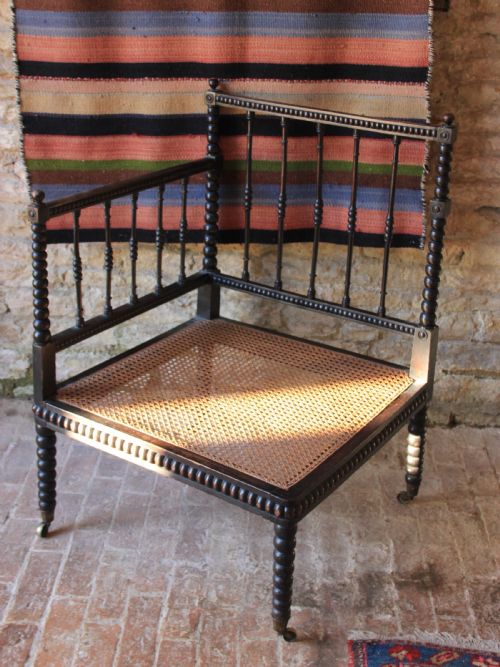
Surface decoration involved intricate carving, marquetry inlay, and Mashrabiya panels, while seating surfaces featured cane work, leather, or textile upholstery including velvet.
Metal components appeared in brass club fenders and wrought iron hearth accessories, combining structural durability with decorative metalwork.
Listings feature items spanning the Victorian, Edwardian, and Aesthetic Movement periods, constructed from oak, walnut, mahogany, and ebonised wood.
Distinctions in quality
Quality rests in the crispness of the timber carving and the integrity of the joinery, distinguishing standard production from workshop-attributed pieces. Finer examples display deliberate proportions, precise turning, and detailed inlay work.
The preservation of original materials, such as mature leather, period cane work, and early textile upholstery, elevates a piece's integrity. Secondary woods and heavy alterations diverge from the standards maintained by established cabinet makers.
Liberty and Co·Miles and Edward
The Victorian Corner Seating Glossary
- Bobbin chair
- A chair constructed with turned cylindrical pieces resembling bobbins or spools linked together. This style gained popularity during the nineteenth century revival periods.
- Club fender
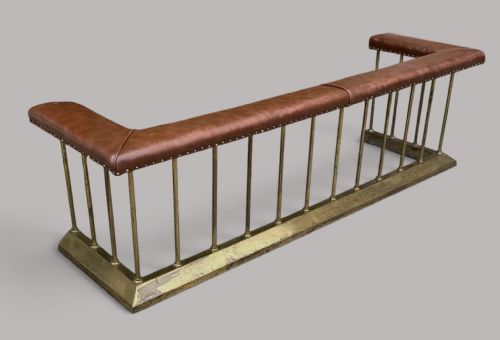
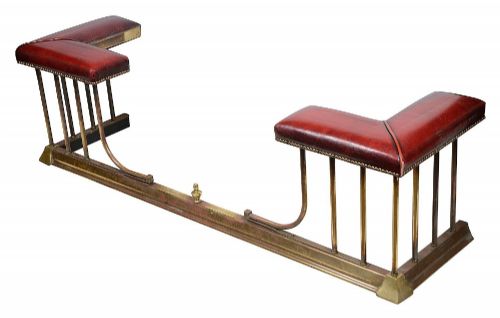
- A low upholstered metal frame placed around a fireplace to provide seating near the hearth. They often incorporate brass uprights and leather squab seats.
- Mashrabiya
- An architectural element of turned wood lattices used in panels and screens. Anglo-Moorish furniture incorporated these intricate woodwork designs.
- Turners chair
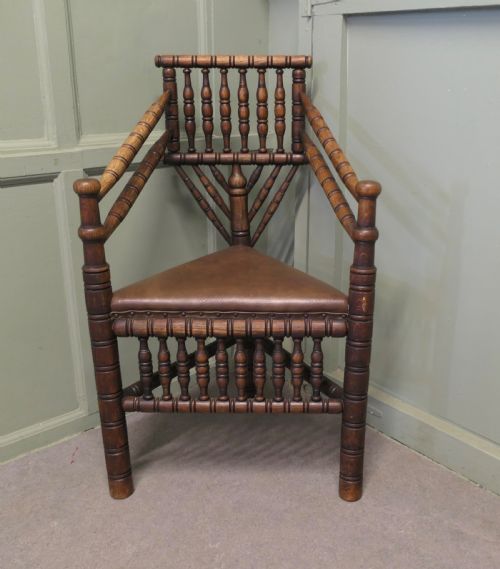
- A heavy wooden armchair constructed almost entirely from turned spindles and posts. These pieces draw on sixteenth-century vernacular traditions revived in the Victorian era.
Victorian Corner Seating: Frequently Asked Questions
Where do I put a corner chair?
These chairs fit directly into unused room angles, turning dead corners into functional seating areas. They work well in bedrooms, libraries, and drawing rooms.
Peculiar spatial requirements drove makers to design frames with diagonal footprints, allowing the furniture to hug walls without blocking walkways.
What is a club fender used for?
Club fenders sit directly on the floor around an open fireplace to provide low seating close to the fire. The cushioned top rails offer a comfortable bench.
Solid brass bases and leather upholstery protected sitters from drafts while keeping them at an optimal distance from the heat source.
How do I identify a Turner chair?
Turner chairs feature heavy frames built entirely from geometrically turned wooden spindles and thick upright posts. They possess solid wooden elbow seats and upright backs.
These designs replicate sixteenth-century vernacular seating, though nineteenth-century makers produced faithful interpretations using oak and beech.
What defines Aesthetic Movement seating?
Aesthetic Movement furniture prioritises visual harmony and artistic design over rigid historical revival styles. These pieces often feature ebonised wood finishes and slender silhouettes.
They reflect late nineteenth-century ideals that valued craftsmanship and visual balance in domestic interiors.