



Victorian Copper Street Lantern
These robust victorian copper street lantern pieces bring authentic municipal character to modern gardens and porches.
Victorian Copper Street Lantern
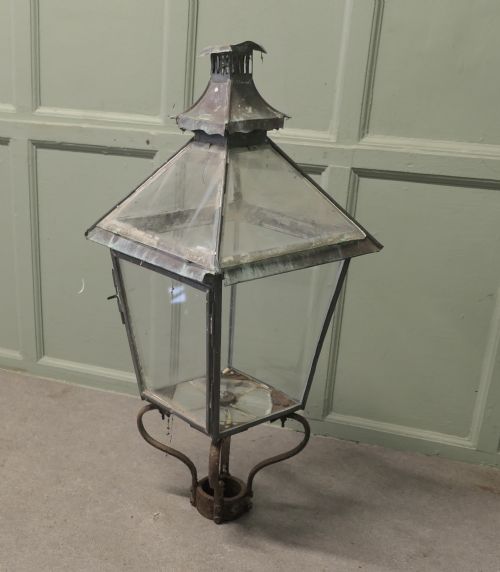
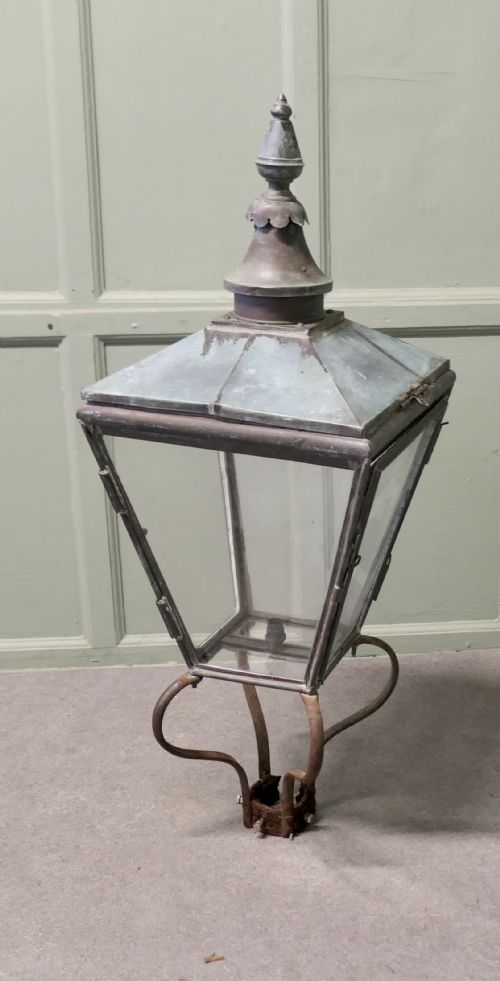
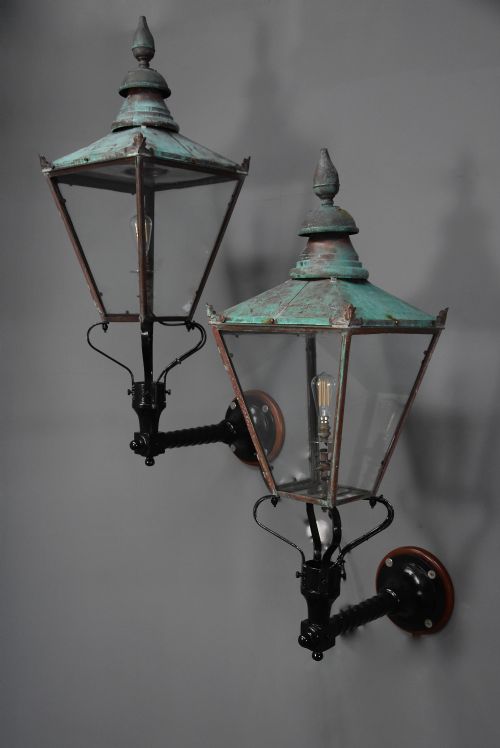
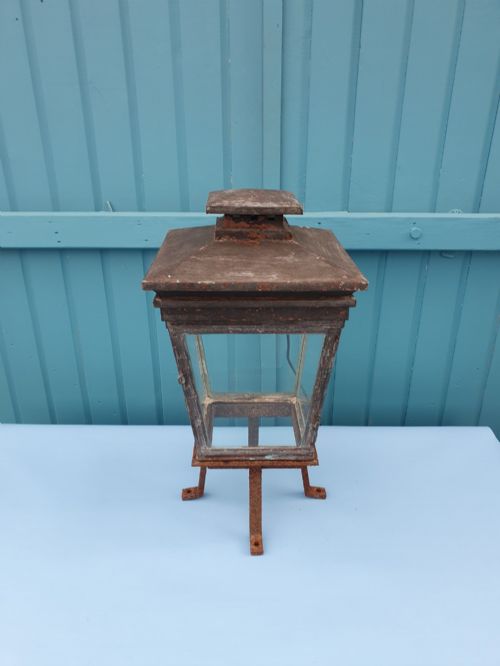
A victorian copper street lantern is a heavy-duty outdoor lighting fixture designed originally for public thoroughfares, town gates or estate grounds. These fixtures combine resilient metal bodies with glazed panels to protect open flames or early electric bulbs from wind and rain.
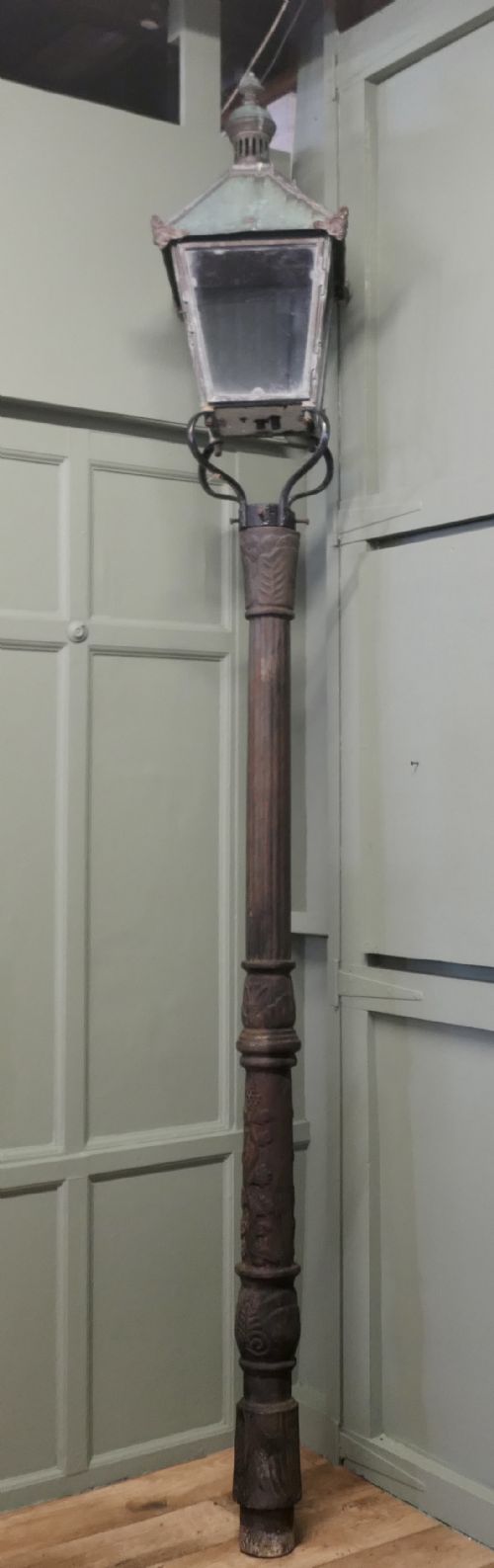
The pieces on this page span the nineteenth century into the early twentieth century, showing forms such as wall lights, gate post lights and fixtures mounted on iron lampposts. Many examples arrive with conversions from gas illumination to modern wiring.
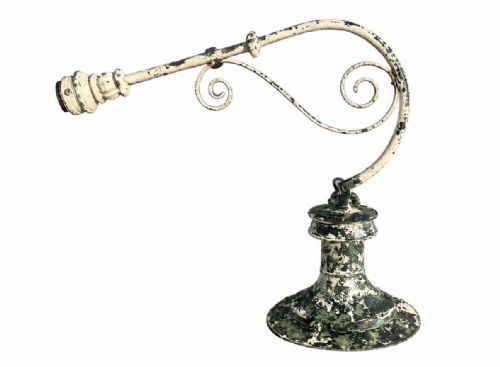
Buyers encounter variations ranging from single monumental lanterns to matched pairs, often accompanied by wrought iron or cast iron support brackets. Their scale tends to be substantial, designed to project light across open exterior spaces.
How they were made
Panels of thick glass fit securely into the metal framework to diffuse the light while enduring outdoor elements. Paint finishes occasionally coat the iron components to prevent corrosion, contrasting with the weathering of the exposed copper.
Victorian Copper Street Lantern Retail Price Guide 2026
Typical asking prices for victorian copper street lantern among the pieces listed under this phrase on Sellingantiques today, from the lower quarter to the upper quarter. They describe what is for sale here now, not the wider market.
Listings for this phrase feature materials including copper, wrought iron, cast iron, glass, and wood across the nineteenth and early twentieth centuries.
What varies in quality
The sophistication of the supporting metalwork distinguishes superior examples from utilitarian pieces, particularly where brackets feature decorative spiral twists or complex scrollwork. Heavier gauge copper and intact original glazing bars also indicate a higher grade of manufacture.
The integrity of the original proportions and the survival of mounting components determine the overall presence of the lantern. Pieces retaining their original functional fittings and municipal provenance sit firmly at the upper end of the range.
A FOSTER & PULLEN BRADFORD
The Victorian Copper Street Lantern Glossary
- Lantern
- A transparent enclosure designed to protect a light source from wind and rain. In these pieces, it usually combines copper frames with glass panels.
- Lamppost
- A vertical support standard made from iron or other metals, designed to elevate a street light to an effective municipal height.
- Gas conversion
- The adaptation of an antique lighting fixture from a gas supply to modern electric wiring. This process allows historic lanterns to function safely in contemporary settings.
- Bracket
- A supporting arm fixed to a wall or post to hold an outdoor lantern away from the building surface.
Victorian Copper Street Lantern: Frequently Asked Questions
How do I mount a heavy street lantern?
These lanterns typically require solid structural support due to their substantial copper and iron weight. Wall-mounted versions need secure fixings into masonry using appropriate heavy-duty anchor bolts.
Freestanding or post-mounted lanterns require stable ground foundations to bear the load safely against wind resistance and leverage.
Are these lanterns suitable for outdoor use?
Yes, these pieces were originally engineered to endure permanent exterior exposure on nineteenth-century streets and gateways. Their copper bodies naturally resist corrosion, developing a protective patina over decades outdoors.
Buyers should inspect the electrical wiring and sealing to ensure compliance with current safety standards before exterior installation.
How do I date a copper street lantern?
Dating relies on examining the construction techniques, such as the method of joining copper panels and the style of the iron brackets. Listings indicate periods ranging from the Victorian era into the early twentieth century based on these structural characteristics.
Municipal stamps, maker plates or specific regional bracket designs also help narrow down the decade of production.