



Vintage Copper Gas Lamp
A vintage copper gas lamp brings robust industrial character to gardens and gates, offering substantial lanterns built to weather the elements.
Vintage Copper Gas Lamp
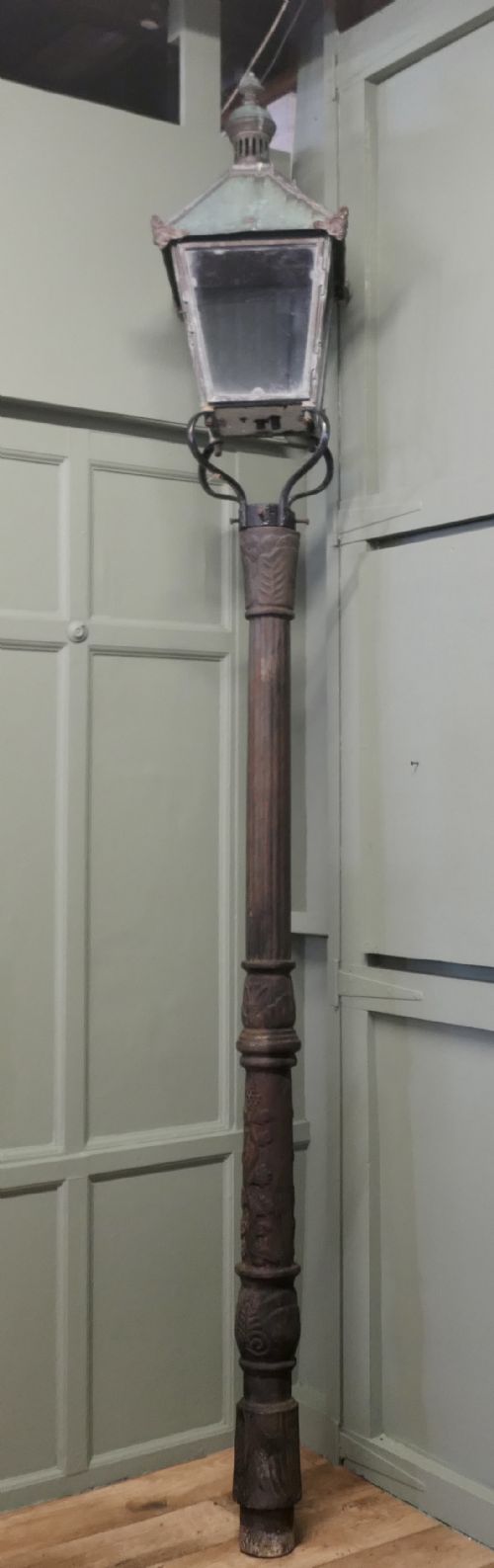
When searching for a vintage copper gas lamp, you encounter substantial outdoor lanterns and street lighting dating from the nineteenth and early twentieth centuries. These pieces typically originate from municipal street lighting or large estate gateposts, designed originally to burn gas before later electrical conversion.
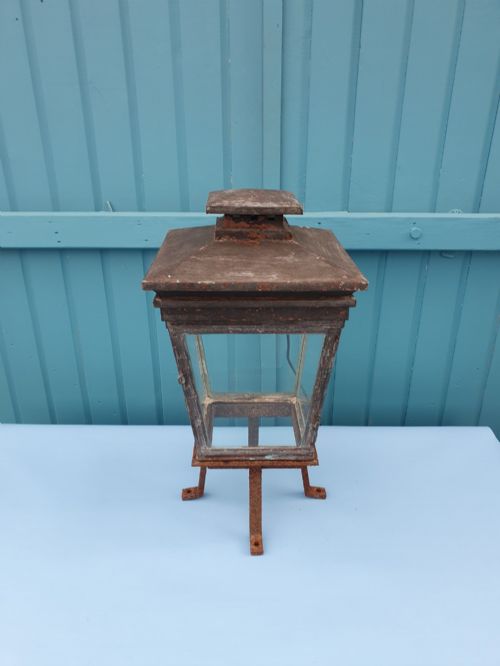
The selections on this page span Victorian and Edwardian periods, featuring robust forms constructed for permanent exterior mounting. You will find wall-mounted brackets, freestanding lampposts, and base-mounted post lanterns rather than delicate indoor light fixtures.
How they were made
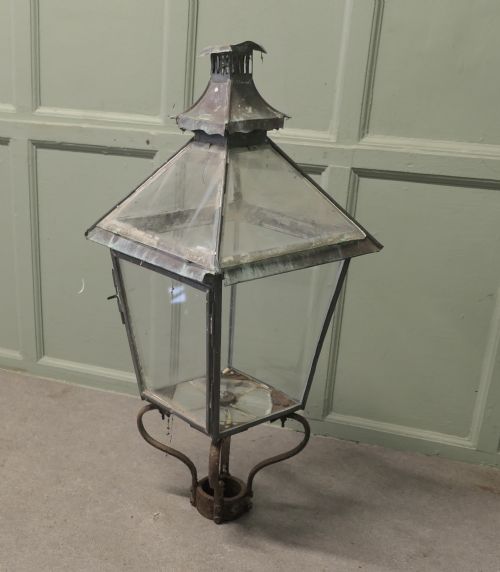
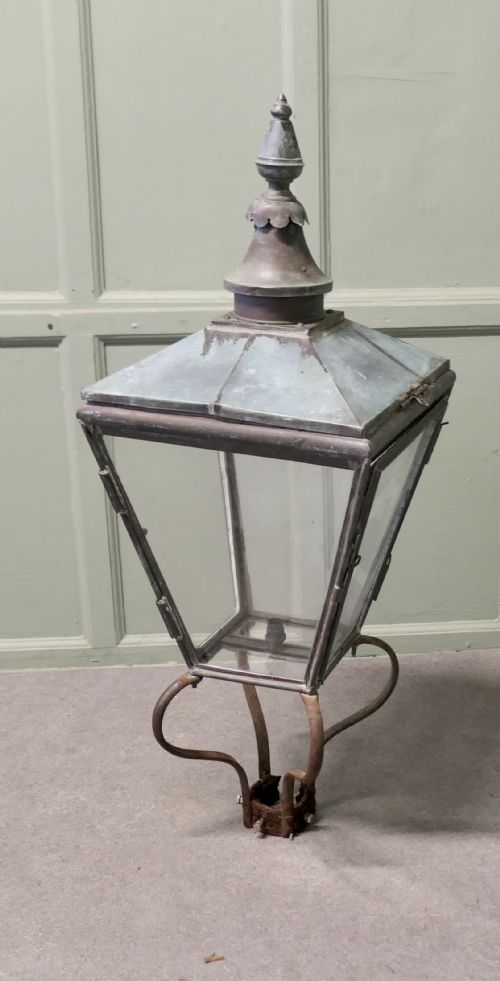
These lanterns combine heavy sheet copper with structural iron components, utilising cast iron, wrought iron, and steel for frames, bases, and brackets. Skilled metalworkers soldered and riveted the copper sheets together to form weather-resistant canopies and housings capable of withstanding severe outdoor conditions.
Glazing typically involves heavy glass panes secured within metal framework to protect the flame from wind while maximising light distribution. Paint finishes often coat the iron elements, while the copper surfaces are generally left bare to weather naturally over time.
Vintage Copper Gas Lamp Retail Price Guide 2026
Typical asking prices for vintage copper gas lamp among the pieces listed under this phrase on Sellingantiques today, from the lower quarter to the upper quarter. They describe what is for sale here now, not the wider market.
Street lamps often bear the hard-knock scars of passing horse-drawn carriages and Edwardian delivery carts.
What varies in quality
Quality in these street lamps rests upon the substantial thickness of the metal and the integrity of the original construction. Superior examples retain heavy-gauge copper bodies and robust iron mounting brackets that show minimal distortion from decades of exposure.
The presence of maker stamps or specific regional foundry markings elevates an ordinary utility light into an identifiable piece of civic history. Furthermore, the survival of original glass configurations and uncompromised structural joins distinguishes the finest specimens from heavily altered utility lights.
A Foster And Pullen Bradford
The Vintage Copper Gas Lamp Glossary
- Lamppost
- A tall vertical post, usually cast or wrought iron, designed to support an outdoor lantern at a height suitable for illumination. These sturdy uprights anchor large street lights and gatepost fixtures.
- Street Lantern
- A large enclosed light fixture historically mounted on public thoroughfares or major estate boundaries. They feature protective metal hoods and extensive glass panels.
- Gate Post Light
- A lantern specifically proportioned for mounting upon the top of brick or stone gate piers. These fixtures often sit directly on a dedicated base rather than hanging from a bracket.
- Wrought Iron
- A tough, malleable form of iron worked by hammering and bending, frequently used for the structural brackets and scrolls of period lighting. This material resists snapping under heavy wind loads.
Vintage Copper Gas Lamp: Frequently Asked Questions
How do I mount a vintage copper gas lamp outdoors?
Most of these lanterns require secure fixing to an existing exterior wall bracket, a dedicated metal lamppost, or a sturdy stone gate pier. Because of their considerable weight, professional installation using appropriate structural anchors is essential.
Ensure that any electrical wiring is housed safely within the mounting base and protected by weather-rated seals. Consulting a qualified electrician guarantees that the conversion from gas to modern electric lighting complies with current safety standards.
Can these lamps be used outside today?
Yes, these industrial lanterns were originally built for permanent exterior use and tolerate outdoor placement well. Copper and iron develop a protective patina when exposed to rain and air over decades.
Positioning them in slightly sheltered exterior locations helps preserve fragile glass panes against severe storm damage. Regular cleaning of the glass ensures maximum light output for modern gardens and pathways.
How do I date a Victorian street lamp?
Dating relies heavily on construction techniques, metal types, and specific municipal styling cues from the nineteenth century. Heavier cast iron elements and specific rivet patterns often point toward earlier Victorian periods.
Examining any maker stamps or surviving foundry badges provides the most reliable chronological marker. Stylistic shifts between plain utilitarian municipal lights and decorative estate pieces also help narrow the decade of manufacture.
What maintenance does a copper lantern require?
Copper requires very little maintenance outdoors, as it naturally oxidises from bright metal to a deep brown and eventually verdigris. Leaving the surface unsealed allows this protective weathering process to occur naturally.
Iron components benefit from occasional checks for paint flaking and corrosion, particularly around mounting points. Applying a suitable protective metal paint to the iron frame prevents rust from compromising the structural integrity.