
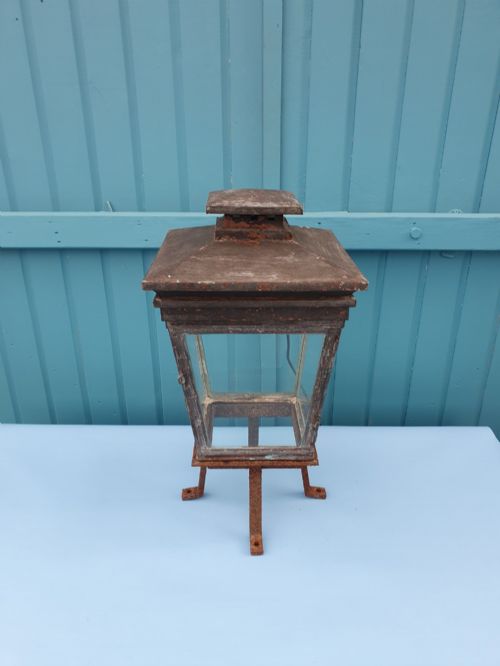


Antique Outdoor Street Light
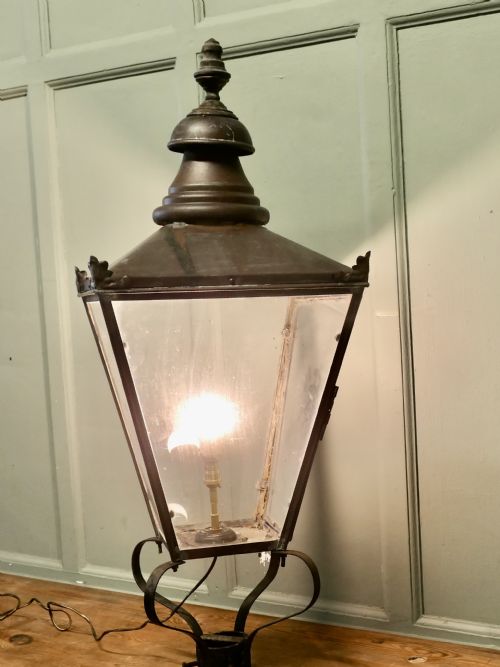
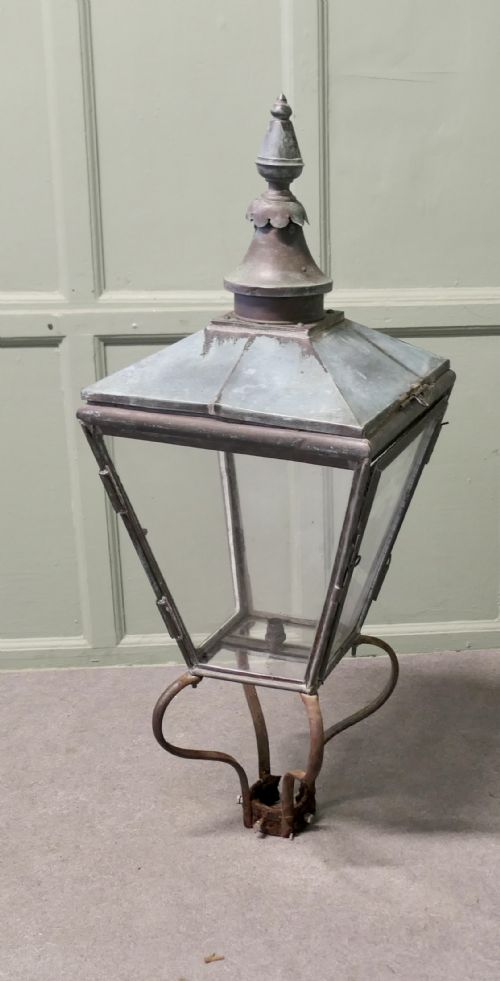
An antique outdoor street light brings genuine architectural presence to a garden or driveway, offering substantial copper, iron, and glass construction from past centuries.
Antique Outdoor Street Light
An antique outdoor street light encompasses robust exterior fixtures designed to illuminate pathways, gates, and gardens. Buyers browsing this selection encounter heavy street lighting, wall lanterns, and complete lampposts.
The objects stem predominantly from the Victorian era and the early twentieth century, spanning decades from the eighteen-eighties through to nineteen-forty. Many examples originate as utilitarian municipal street lamps or gas conversions.
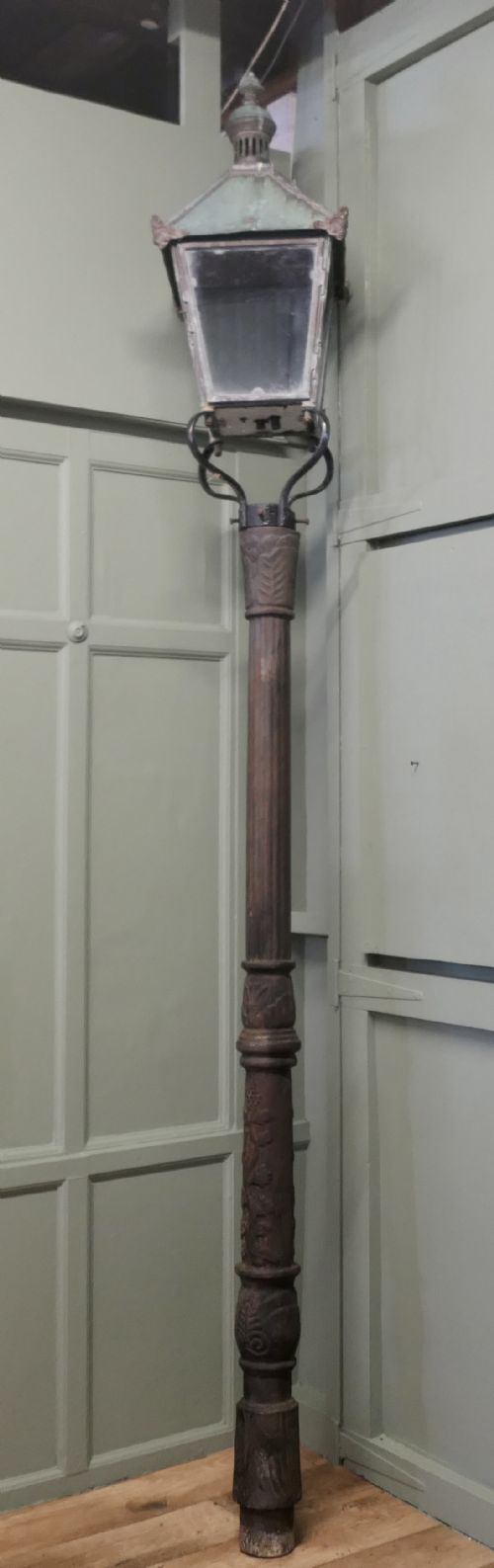
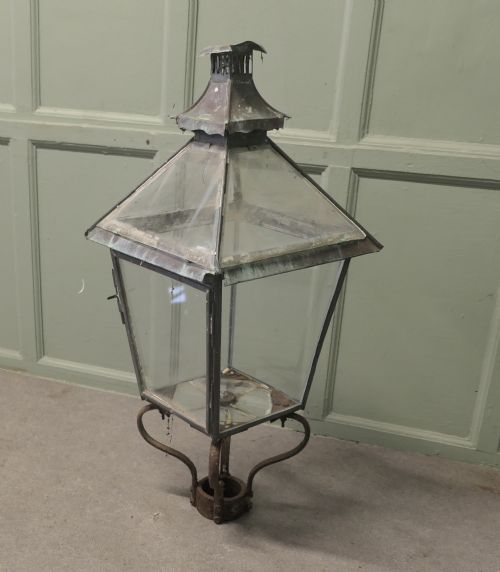
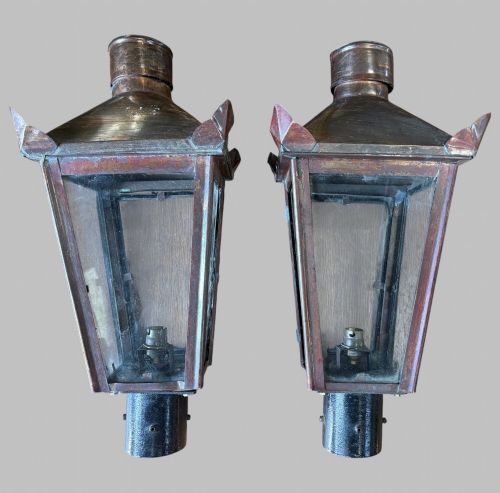
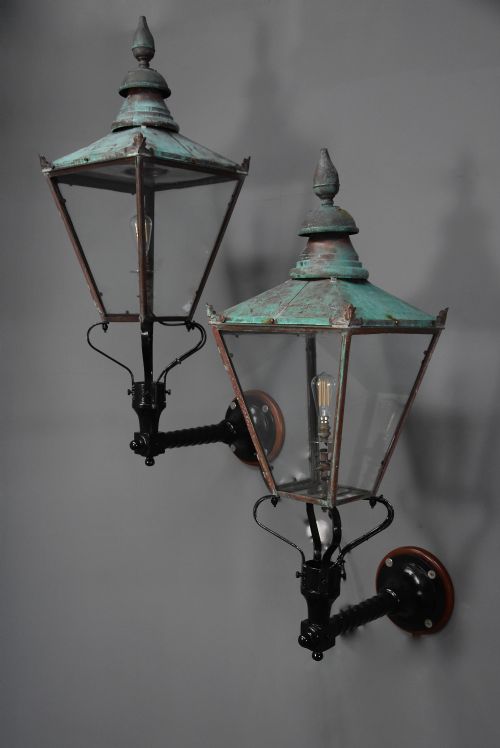
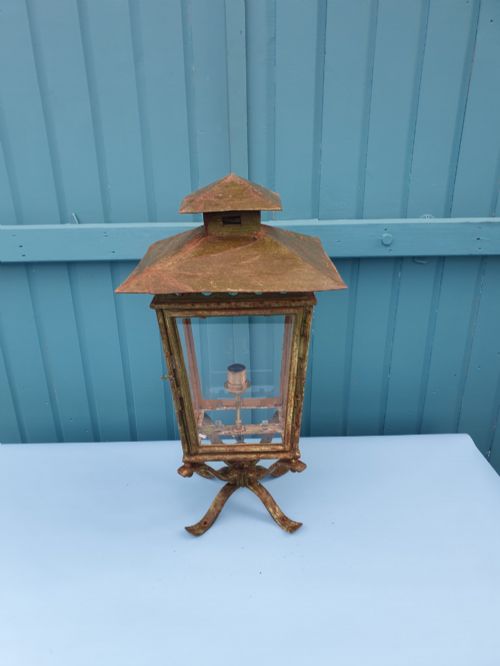
Most pieces combine glazed panels with durable metal frames to withstand the elements. Architectural forms range from simple wall-mounted brackets to monumental pairs of copper post lanterns.
How they were made
Makers constructed these lanterns using sheet copper, cast iron, and wrought iron, joining structural elements with rivets and solder. Glass panels sat securely within metal framing to protect the interior flame or bulb from wind and rain.
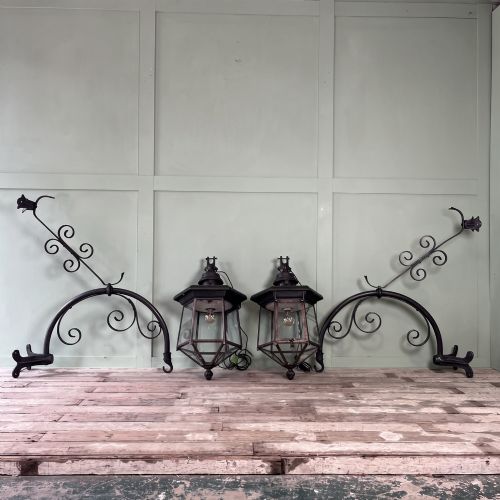
Foundries cast heavy iron bases and decorative brackets, often incorporating sophisticated spiral twist details or swan neck supports. Early models relied on gas burners before later conversions adapted them for electrical wiring.
Listings feature materials including copper, cast iron, wrought iron, and glass across Victorian and twentieth-century periods.
What varies in quality
The distinction between standard utility items and finer pieces lies in the substance of the metalwork and the complexity of the bracket design. Heavy-gauge copper and intricate cast iron hardware indicate superior production standards.
Proportion and scale dictate the visual impact of the fixture, with larger paired lanterns and marked industrial works holding greater architectural weight. Preserved original surfaces, such as early green painted finishes, elevate the character of the object.
REVO·REVO "Leicester"·Revo Tipton·FOSTER & PULLEN BRADFORD
The Antique Outdoor Street Light Glossary
- Gas conversion
- The historical alteration of a lighting fixture from a gas burner system to electrical wiring. This process typically retains the original metal housing while updating internal components.
- Swan neck
- A curved metal mounting bracket resembling a bird's neck used to suspend a lantern away from a wall or post. This shape directs light outward and away from the building facade.
- Post lantern
- A large exterior light designed to mount directly onto the top of a vertical lamppost or gate pillar. These fixtures provide illumination for entrances and driveways.
- Wall bracket
- An architectural support arm attached to a vertical surface to hold a hanging lantern. Sophisticated examples feature forged scrolls or spiral twists.
Antique Outdoor Street Light: Frequently Asked Questions
Can these lights be wired for modern electricity?
Most antique outdoor street lights have already undergone conversion from gas or early oil systems to accommodate standard electrical wiring.
Fittings inside the lanterns generally accept contemporary bulbs, though professional installation by a qualified electrician remains recommended for exterior placement.
How do I mount a wall lantern?
Wall-mounted fixtures require secure attachment to an exterior brick or stone surface using appropriate structural fixings.
The weight of heavy copper and iron lanterns demands robust brackets and load-bearing anchors to withstand outdoor weather conditions.
Are these lights suitable for coastal gardens?
Materials such as copper and cast iron weather naturally outdoors, developing patinas over time when exposed to the elements.
Salt air can accelerate corrosion on exposed iron components, meaning regular maintenance helps preserve the metal structure.
How do I identify a Victorian street light?
Victorian pieces typically display nineteenth-century manufacturing traits, including hand-soldered copper frames, heavy cast iron bases, and designs originally engineered for gas illumination.
Stylistic markers often align with nineteenth-century industrial architecture and municipal street furniture design.