


Antique Street Lighting Post
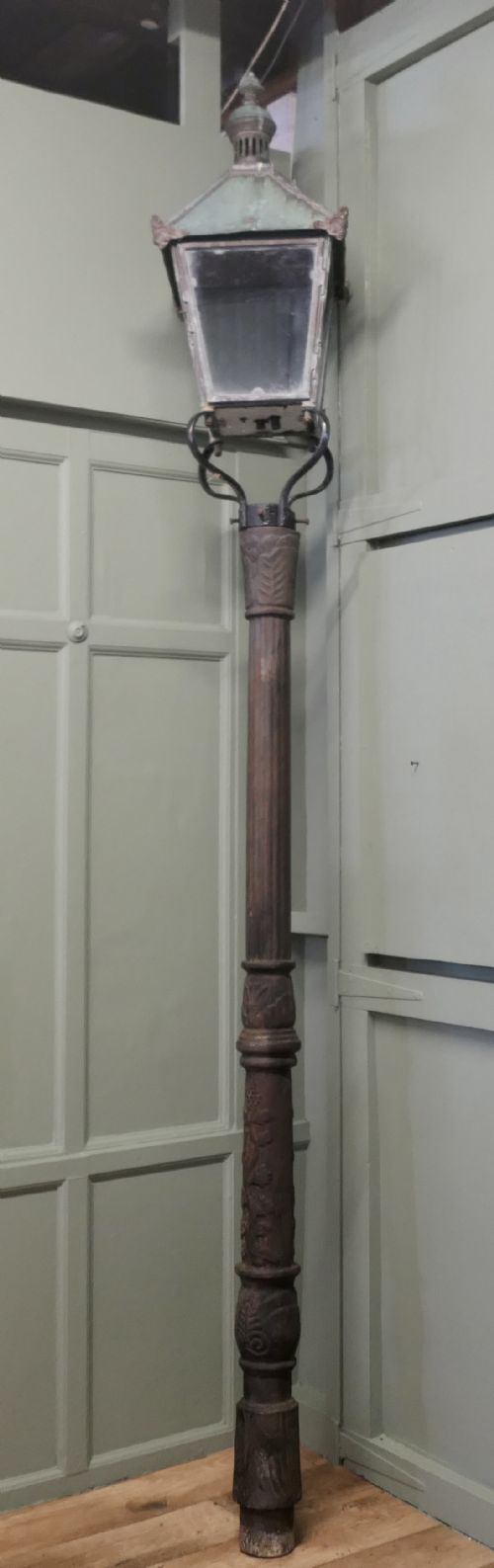
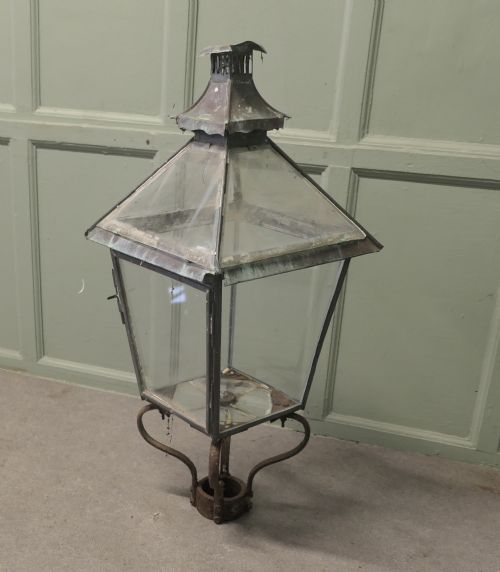
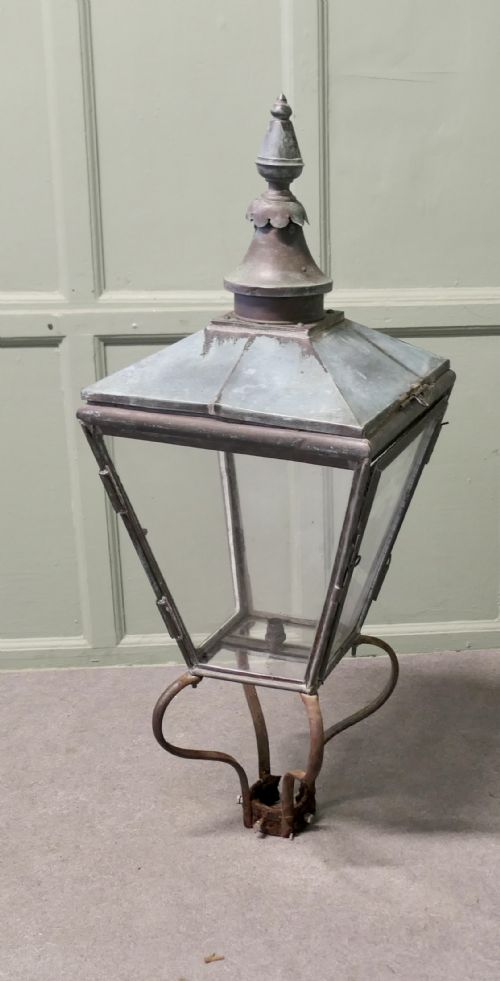
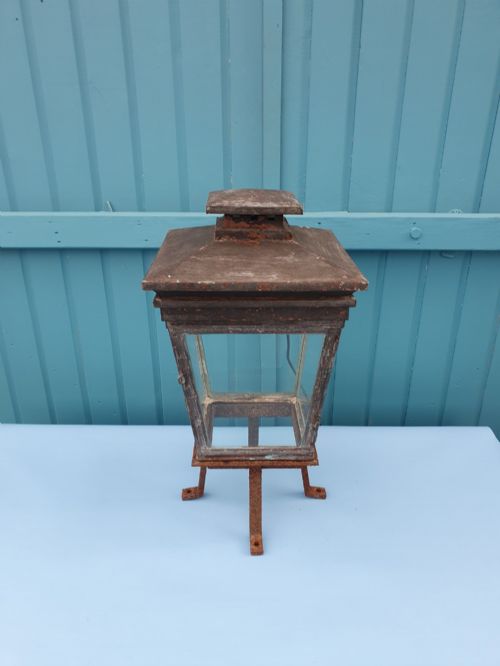
These antique street lighting post examples bring authentic civic history into domestic gardens, combining robust metalwork with substantial glass and copper lanterns.
Antique Street Lighting Post
When you search for an antique street lighting post, you are looking at substantial outdoor illumination fixtures that once stood along thoroughfares, pathways, and gates. The pieces gathered here span the Victorian, Edwardian, and early twentieth-century eras, reflecting shifts in civic design from the nineteenth century into the twentieth.
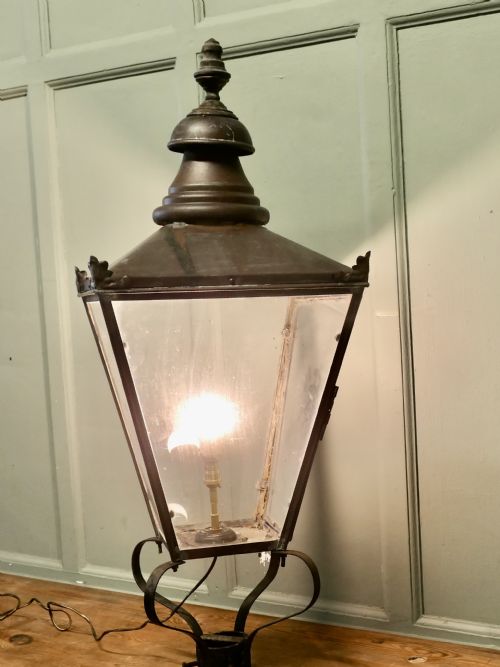
You will most commonly encounter cast iron and wrought iron bases or lamp posts paired with copper and glass lanterns. Many of these outdoor lanterns were originally converted from gas, retaining their distinctive proportions and mounting configurations from periods such as the eighteen-eighties and eighteen-nineties.
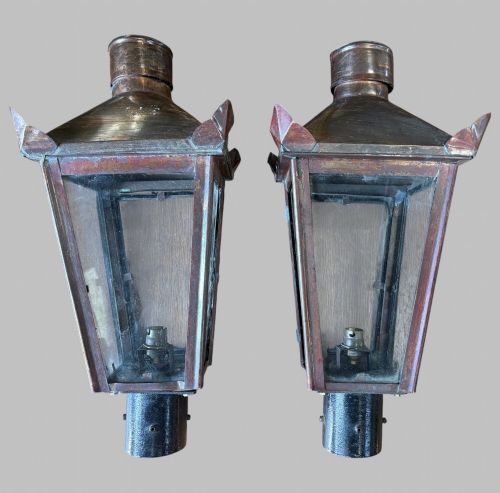
The assortment includes pairs of copper gas street lamps and larger gate post lights alongside complete swan neck lamp posts. Formats range from circular street lamps to detailed Victorian designs originating from workshops in places like Bradford and Tipton.
Materials and construction methods
Construction relies heavily on durable metals suited for exterior exposure, utilising cast iron, wrought iron, and steel for structural posts and bases. These metal elements provide the weight and rigidity necessary to support large housings in all weather conditions.
Lantern bodies are fabricated primarily from copper sheets joined to house glass panels, creating weather-resistant enclosures for early lighting mechanisms. Many components display the hand-worked seams and riveted joints typical of industrial metal fabrication from the Victorian and Edwardian periods.
Some copper street lanterns still harbour the soot ghosts of nineteenth-century gas flames inside their weathered hoods.
Assessing quality and craftsmanship
Quality in these outdoor fixtures rests upon the integrity of the original metal casting and the thickness of the copper used in the lantern body. Heavier gauge copper and finely detailed ironwork distinguish pieces intended for prominent civic placements from utility installations.
The preservation of original structural elements, such as swan necks, mounting bases, and authentic glazing, dictates the overall integrity of a piece. Examples retaining their original gas conversion details or specific maker markings demonstrate a higher degree of historical survival.
A Foster & Pullen Bradford·Revo Tipton
The Antique Street Lighting Post Glossary
- Swan Neck
- A curved metal arm supporting a lantern, designed to project the light source away from the main post. This configuration was common in twentieth-century street lighting.
- Gate Post Light
- A smaller scale lantern adapted to sit directly atop a gate pier or entrance column rather than a full height post. These served both decorative and practical functions at property boundaries.
- Gas Conversion
- The historical modification of a lighting fixture from a gas burner system to modern electric wiring. This process often leaves internal traces of early pipework and burner assemblies.
- Cast Iron
- Molten iron poured into a mould to create rigid structural bases and decorative components. It provides the heavy foundation required for tall outdoor lamp posts.
- Wrought Iron
- Iron heated and hammered into shape by hand, known for its fibrous texture and tensile strength. It appears in brackets and structural fixings on exterior lanterns.
Antique Street Lighting Post: Frequently Asked Questions
How were these street lamps originally powered?
Most of these antique lanterns operated on municipal gas supplies before being adapted for electricity in later decades. The internal burners and gas supply pipes were routinely replaced during conversion.
Evidence of this history often remains visible in the upper chambers and base entries of nineteenth-century copper lanterns.
Can these lamp posts be installed outdoors today?
These robust iron and copper structures are inherently suited for exterior placement in gardens and driveways. Their heavy metal construction withstands outdoor environments when properly anchored.
Electrical components will require modern wiring to meet current safety standards for exterior garden lighting.
What materials are most common on these posts?
Cast iron and heavy steel form the structural posts and mounting bases to ensure stability against wind and weather. Copper and glass make up the upper lantern housing designed to protect the flame or bulb.
Wrought iron elements also appear in decorative brackets and framing.
How do I identify a Victorian street light?
Victorian examples typically display nineteenth-century manufacturing traits such as riveted copper panels and traditional iron casting styles. Dating is often supported by the specific form of the gas conversion and structural proportions.
Design cues from this era emphasise utility combined with ornate civic detailing.