



Victorian Copper Jelly
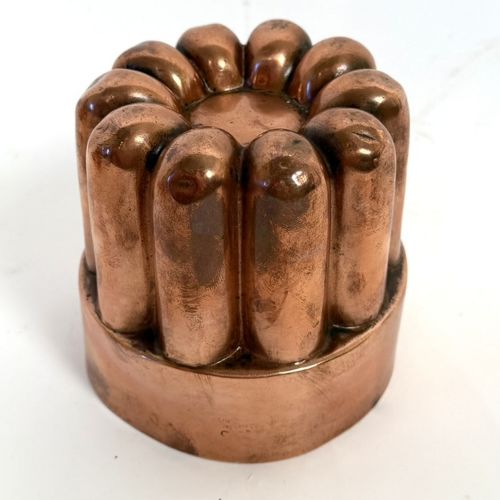
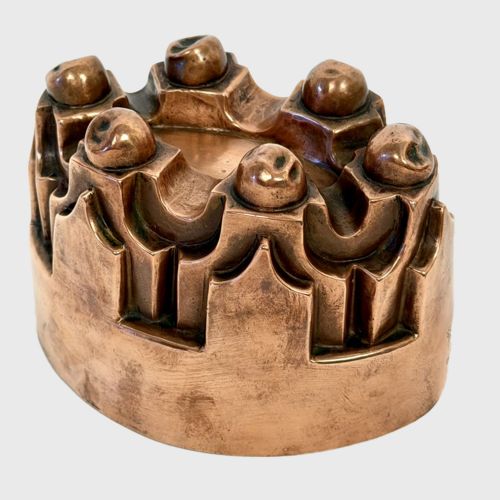
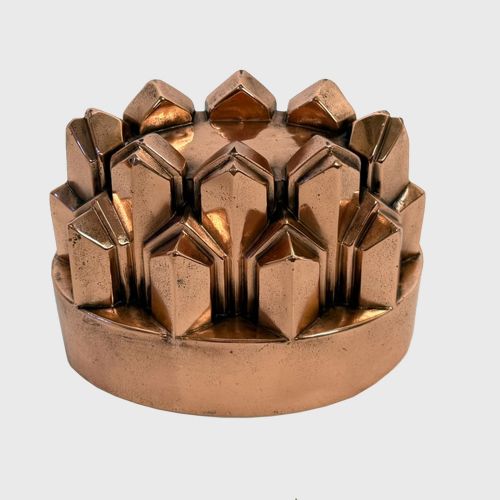
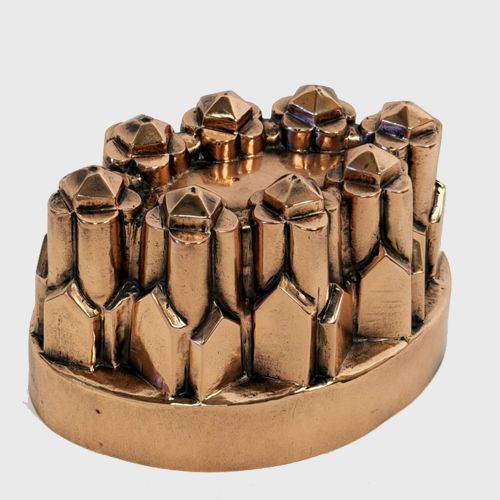
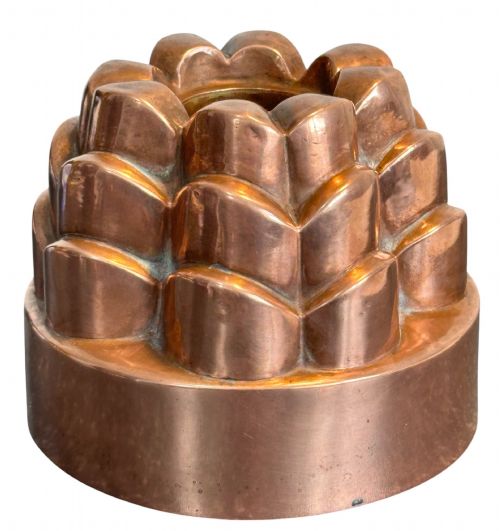
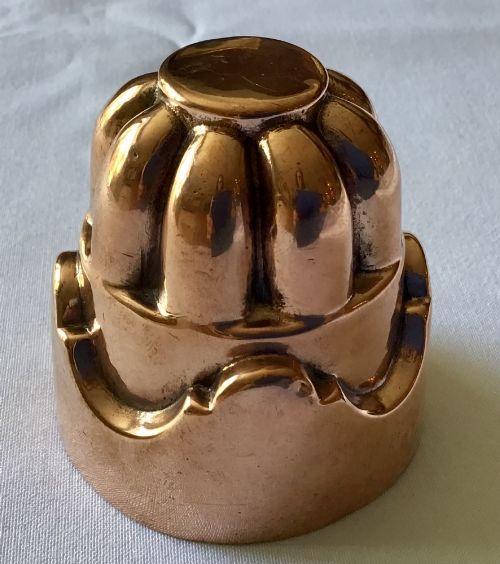
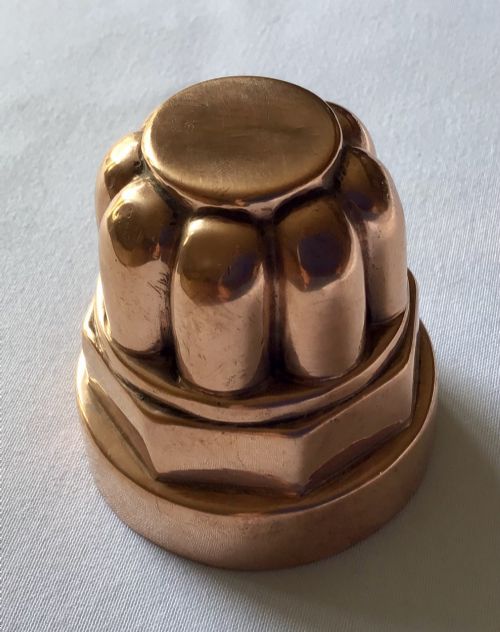
These Victorian copper jelly moulds bring sculptural shape to the table and hang with real authority on a kitchen wall.
Victorian Copper Jelly
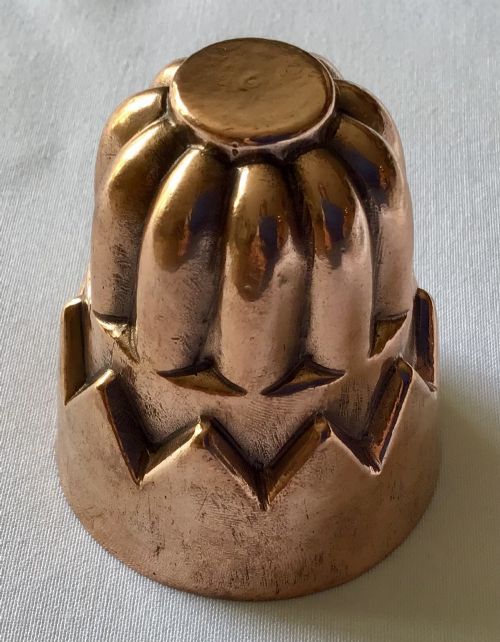
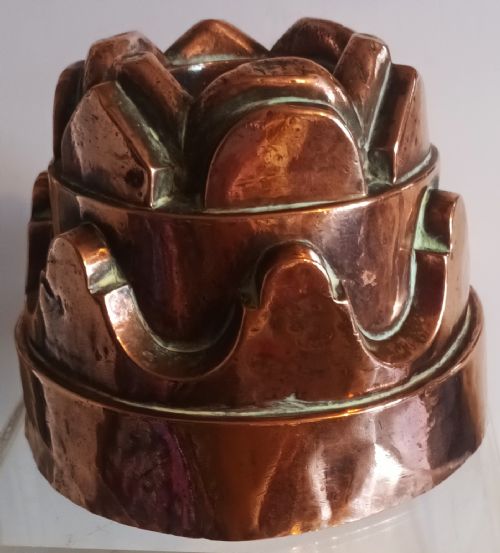
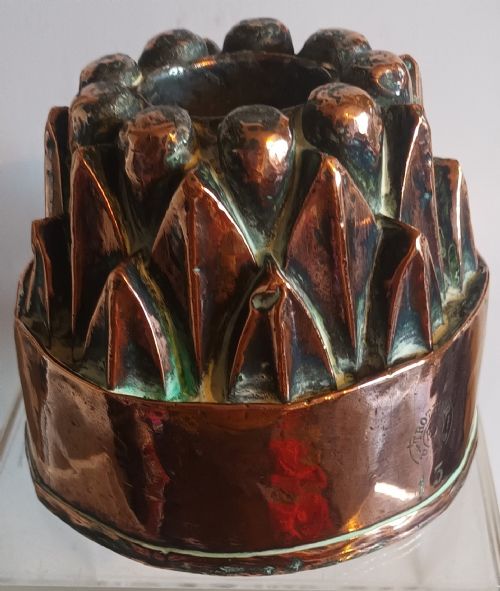
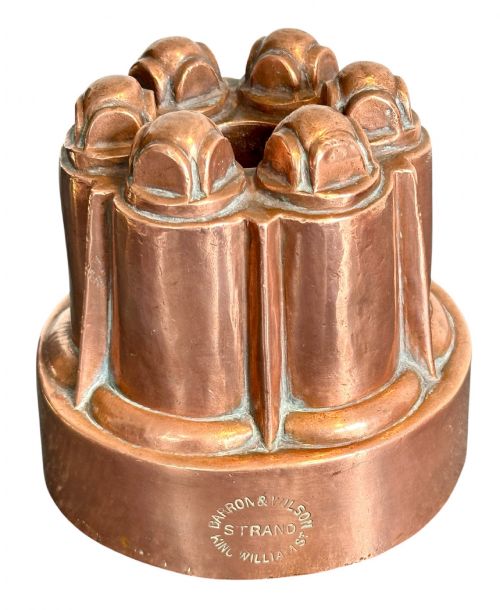
Victorian copper jelly items are culinary moulds designed to shape set desserts, custards, and savouries during the nineteenth century. Buyers searching for a Victorian copper jelly mould encounter robust kitchenware originating from English and French workshops. The selection on this page centres on domestic and miniature forms created for nineteenth-century food preparation.
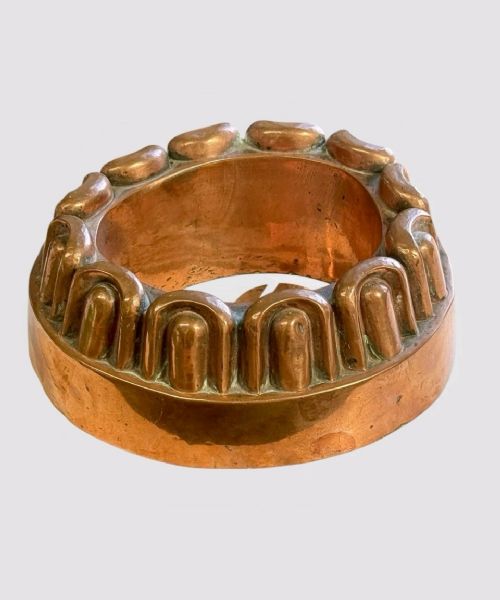
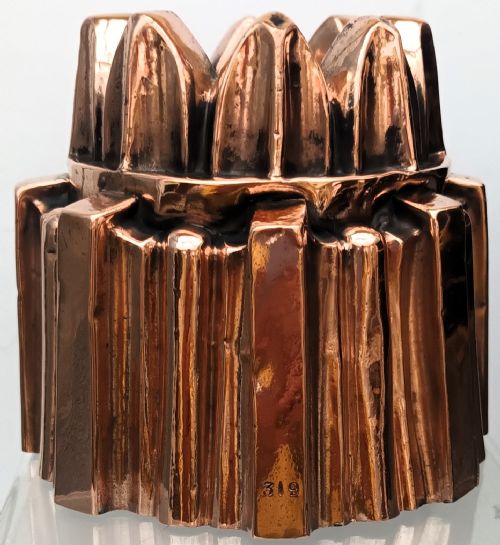
Forms range from simple round and oval vessels to architectural castle tops and figurative shapes like cats. Miniature versions appear alongside standard kitchenalia, while lidded ice cream pots and kitchen moulds broaden the culinary category.
How they were made
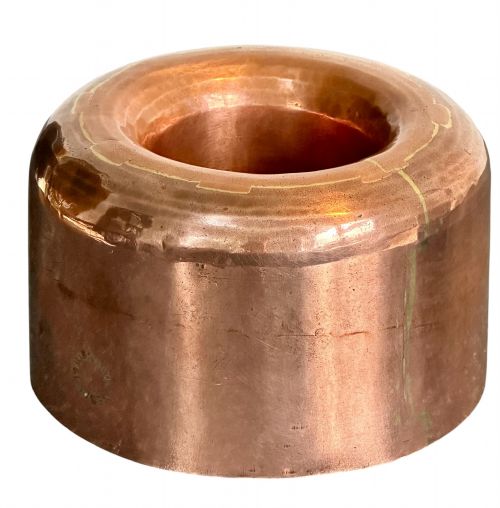
These nineteenth-century pieces utilise heavy sheet copper beaten and raised into intricate forms, often featuring distinct internal flutes or raised motifs. The metal provides rapid thermal conductivity, which helped desserts chill quickly in cold storage or ice chests.
Interiors are lined with a thin layer of tin to prevent the copper from reacting with acidic food ingredients during the setting process. Brass or bronze elements sometimes appear on mounts or reinforcement seams, while exterior surfaces show the natural warm tone of unplated metal.
Victorian Copper Jelly Retail Price Guide 2026
Typical asking prices for victorian copper jelly among the pieces listed under this phrase on Sellingantiques today, from the lower quarter to the upper quarter. They describe what is for sale here now, not the wider market.
A nineteenth-century cat mould stands ready to turn out feline jellies for unsuspecting Victorian dinner guests.
What varies in quality
Quality rests in the crispness of the raised design and the weight of the metal plate used to form the vessel. Pieces with sharp architectural details or complex figurative shapes demand greater skill from the coppersmith than plain round vessels.
The survival of the original tin lining and the integrity of the exterior surface condition distinguish everyday kitchen tools from finer display pieces. Formats that incorporate lids or retain maker attribution markings occupy a different tier of interest.
Trottier·Harrods
The Victorian Copper Jelly Glossary
- Tin lined
- The protective interior coating applied to copper cookware to prevent food contamination. This historical lining was regularly renewed during the working life of the vessel.
- Kitchenalia
- Domestic utensils and culinary equipment collected for their historical utility and visual appeal. These items span baking collectables and everyday food preparation tools.
- Castle top
- A culinary mould featuring an architectural turret or fortress design on the interior face. Such shapes produced elaborate moulded jellies for formal dining tables.
- Ice cream mould
- A lidded metal pot used to shape frozen desserts in ice and salt freezers. Pairs of these lidded pots represent specialised confectionery equipment.
Victorian Copper Jelly: Frequently Asked Questions
What were copper jelly moulds used for?
Victorian households utilised these moulds to shape cold desserts, aspics, and jellies for dining tables. The intricate interior designs transferred patterns onto the set food.
After use, these vessels served as decorative items when hung in kitchens and pantries. Their sturdy construction made them central to nineteenth-century culinary preparation.
How do I clean a copper mould?
Warm soapy water and a soft cloth suffice for routine cleaning of nineteenth-century copper items. Avoid harsh abrasives that strip the remaining patina from the exterior.
Preserve the interior tin lining by avoiding aggressive metal scrapers. Gentle care maintains the historic surface character of the piece.
Are these moulds safe for modern cooking?
Most antique copper vessels require professional retinning before food contact due to wear on the interior coating. Using them solely for display protects the historic fabric.
Modern acidic ingredients can react with exposed copper if the protective tin layer has thinned. Many collectors prefer to enjoy them purely as decorative kitchenalia.
How do I spot a reproduction?
Genuine nineteenth-century pieces show hand-beaten construction marks, distinct seam joins, and heavy gauge copper. Modern replicas often feature uniform machine stamping and lightweight metal.
Examine the wear patterns around the hanging loops and base edges for natural age indicators. Period pieces display genuine patination developed over decades of use.