
Victorian Column Table Lamp
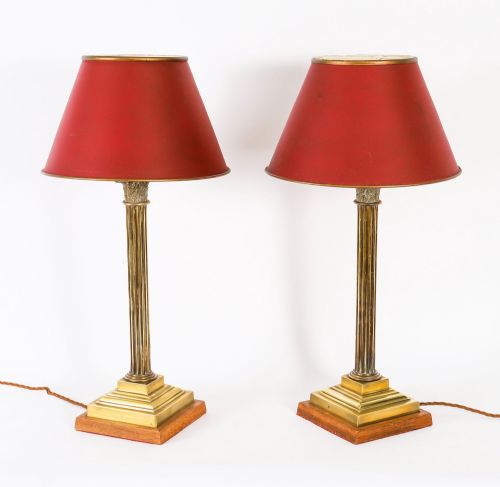
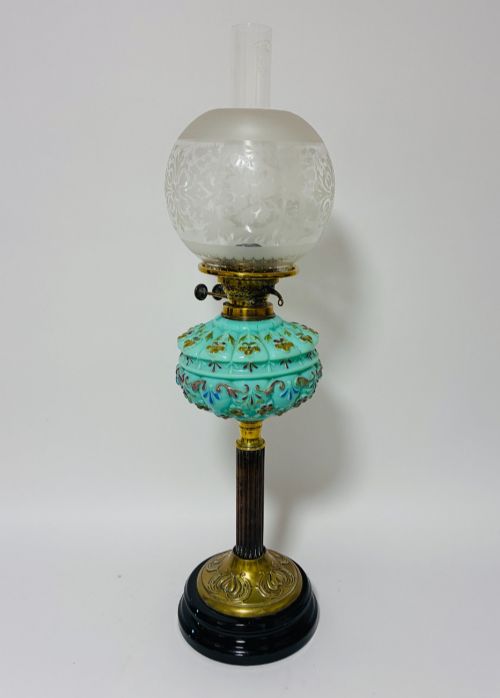
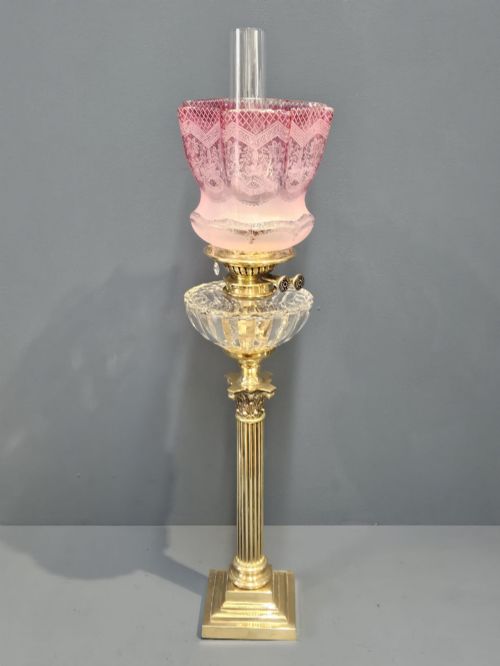
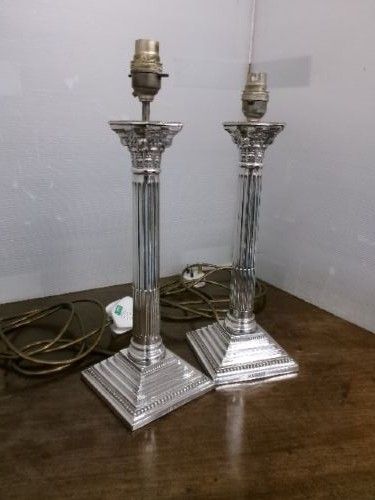
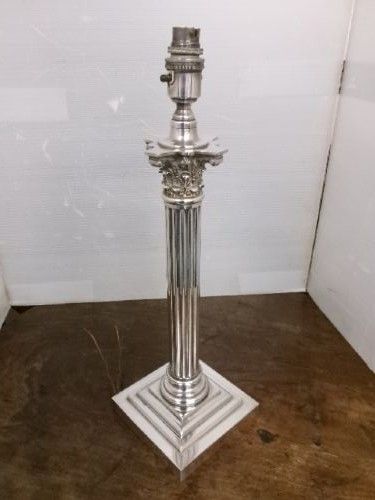
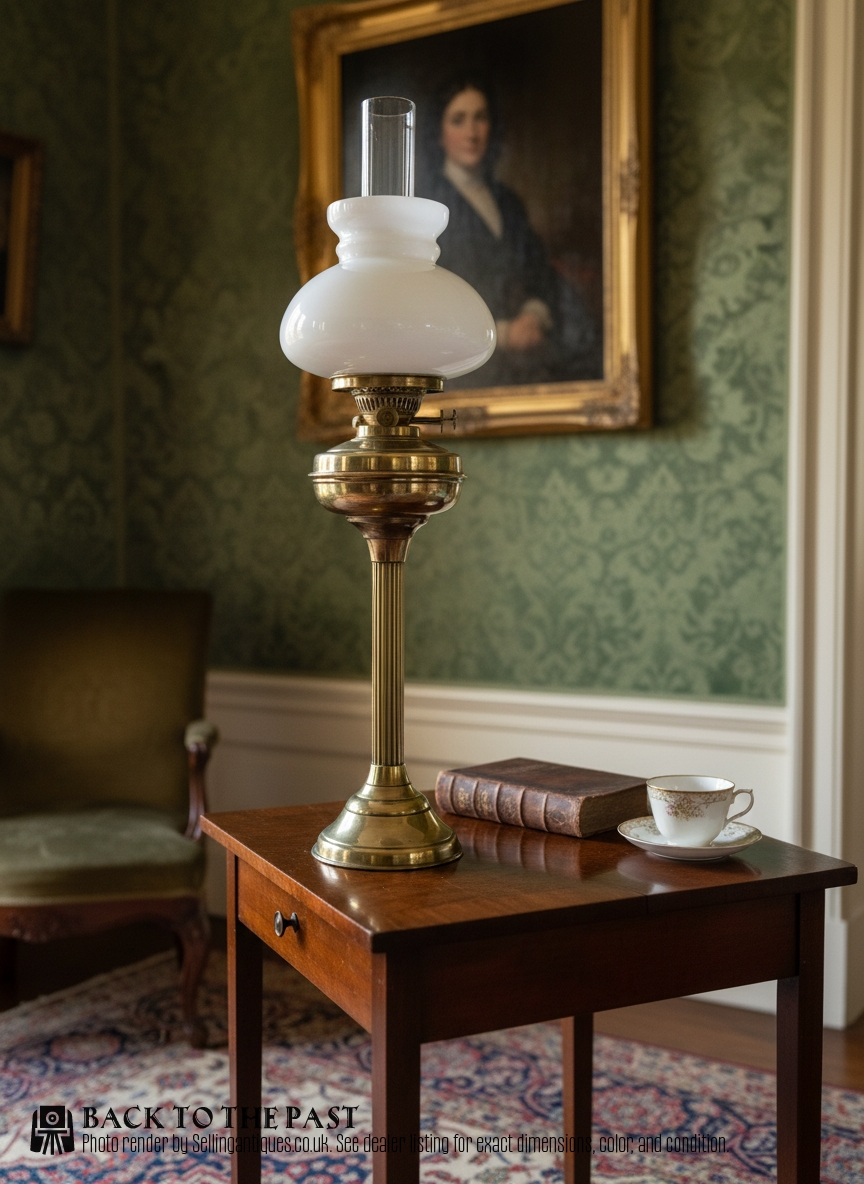
A victorian column table lamp brings classical architectural dignity to an interior through fluted brass and silver-plated shafts.
Victorian Column Table Lamp
When you search for a victorian column table lamp, you encounter lighting fixtures rooted in nineteenth-century classical revivals. Many examples began life as burning oil lamps before conversion to electricity, retaining proportions designed for elevated burners and patterned shades.
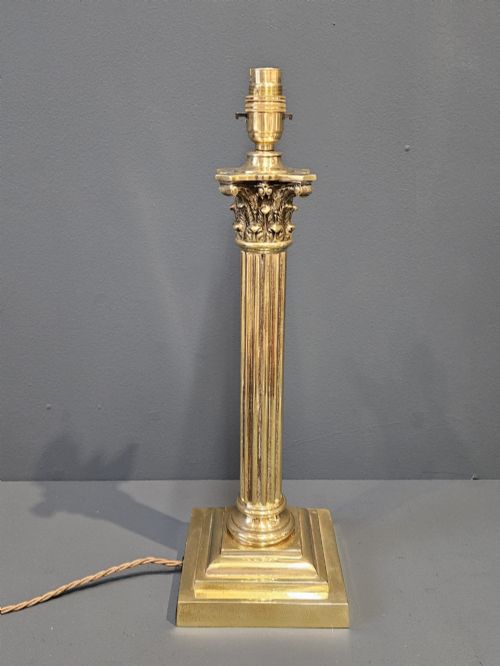
The architectural format dominates the selection, featuring fluted shafts resting on stepped pedestals. Corinthian and Doric capitals appear regularly, translating stone temple orders into polished metalwork.
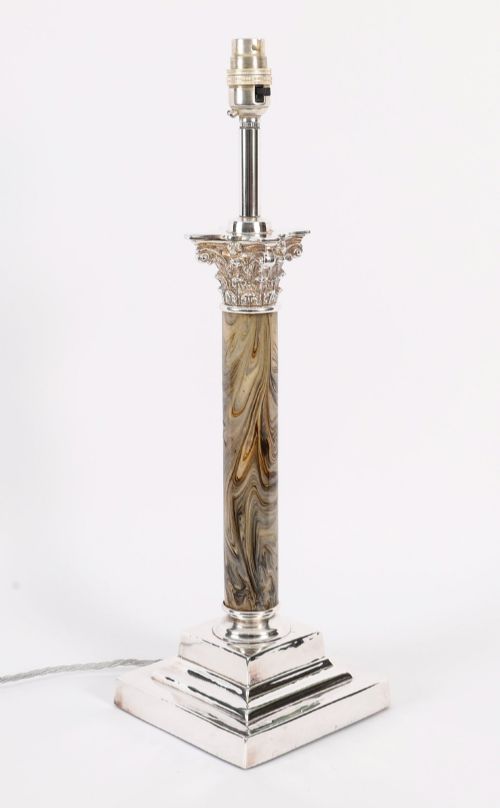
Beyond standard brass castings, silver-plated surfaces and combinations involving marble or opaline glass occur across the period. These variations reflect domestic aspirations during the nineteenth century, moving from functional illumination toward decorative interior ornament.
Materials and construction methods
Makers utilised heavy brass castings and silver plating to build stable vertical shafts capable of supporting weighty fonts and shades. Columns frequently feature reeded or fluted exteriors, requiring precise lathe work or moulding before hand-finishing.
Glass components, including cranberry shades and opaline bodies, were integrated into designs during the middle and late nineteenth century. Structural elements often incorporate weighted bases of slate, onyx, or timber to counterbalance the height of the lamp.
Victorian Column Table Lamp Retail Price Guide 2026
Typical asking prices for victorian column table lamp among the pieces listed under this phrase on Sellingantiques today, from the lower quarter to the upper quarter. They describe what is for sale here now, not the wider market.
Listings feature both solid brass and silver-plated examples spanning the Victorian period through the Edwardian era.
Distinctions in craftsmanship
The crispness of the casting defines the upper tier of these pieces, particularly in the detailed acanthus leaves of Corinthian capitals. Weaker examples show soft definition and shallow tooling, where mass production smoothed away architectural precision.
Weight and structural integrity also separate standard production from superior work. Substantial gauge metalwork and robust stepped bases ensure the column stands true without listing, whereas lesser pieces rely on thin shells prone to denting.
Hinks and Sons
The Victorian Column Table Lamp Glossary
- Corinthian
- An architectural order featuring ornate capitals decorated with rows of carved acanthus leaves. This style frequently tops nineteenth-century metal lamp shafts.
- Duplex burner
- A double-wick mechanism developed in the nineteenth century to increase the luminosity of oil lamps. Its presence indicates an item originally designed for heavy illumination.
- Opaline glass
- An opaque, milky glass popular for nineteenth-century lamp bodies and shades. It softens transmitted light with a characteristic pastel glow.
- Reeded
- A decorative surface finish consisting of parallel convex moulding strips placed tightly together. It adds vertical emphasis to cylindrical metal columns.
Victorian Column Table Lamp: Frequently Asked Questions
Were these lamps converted from oil?
Many surviving examples began as burning oil lamps before receiving modern electrical wiring.
Conversion methods vary, but quality pieces retain their original burners and fonts adapted for contemporary use.
How do I clean brass columns?
Gentle dusting preserves the patinated surface accumulated over more than a century of existence.
Avoid aggressive metal polishes that strip away age and soften the sharp details of the architectural casting.
What shades suit these lamps?
Period-appropriate choices include etched cranberry glass, frosted opaline, or pleated fabric designs.
Proportion remains paramount, ensuring the shade diameter matches the substantial footprint of the column base.
How do I date a column lamp?
Stylistic markers, patent stamps, and burner mechanisms provide reliable chronological clues.
Victorian pieces often display registration marks or manufacturer names stamped directly onto the metal components.