


Victorian Column Mirror
When you search for a victorian column mirror, you are looking for nineteenth-century framing built with architectural strength and classical proportions.
Victorian Column Mirror
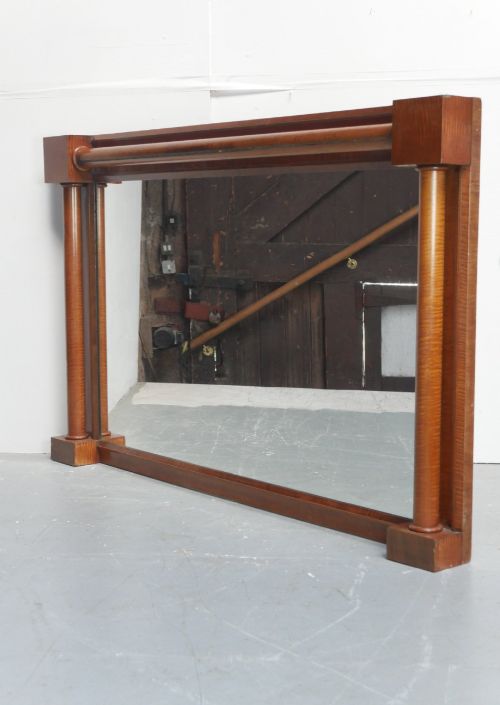
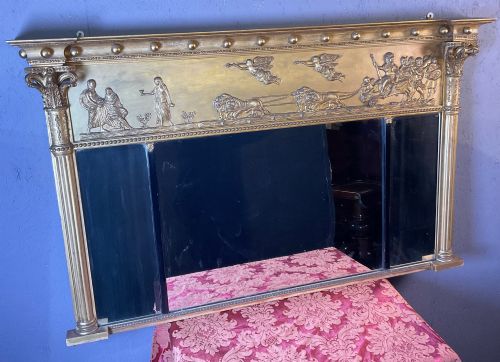
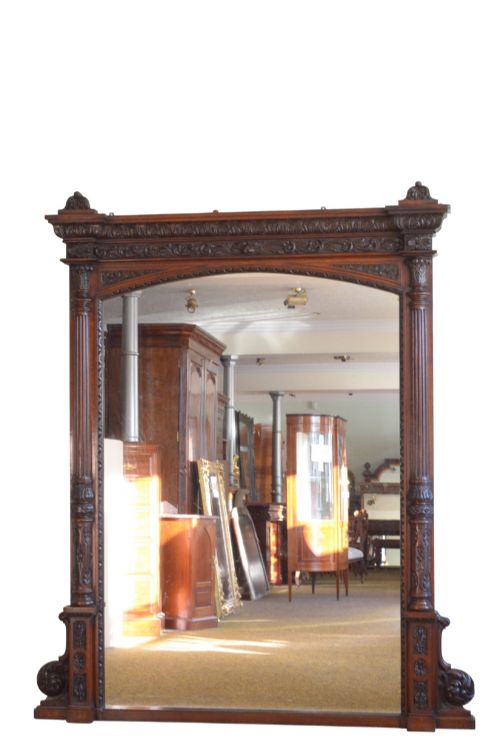
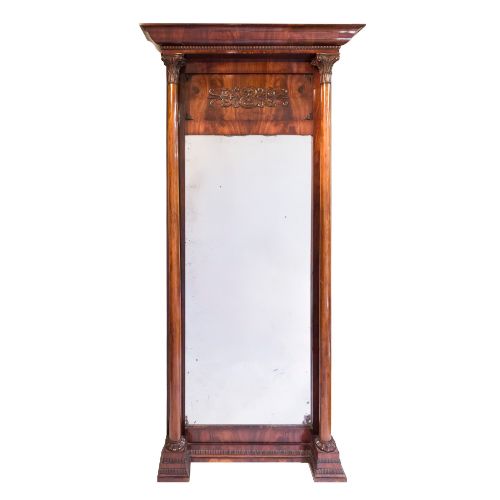
A victorian column mirror brings structural architectural presence into a room, typically taking the form of large overmantel mirrors, pier mirrors, or dressing mirrors. These pieces originate primarily from the nineteenth century, reflecting the tastes of the Victorian era alongside revivals of Regency and William IV styles.
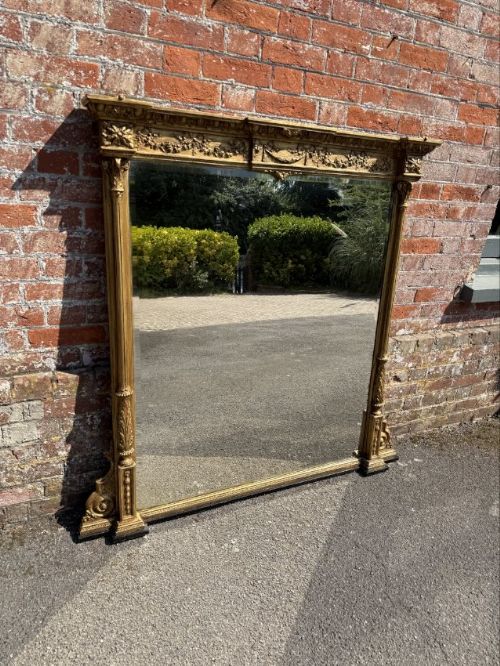
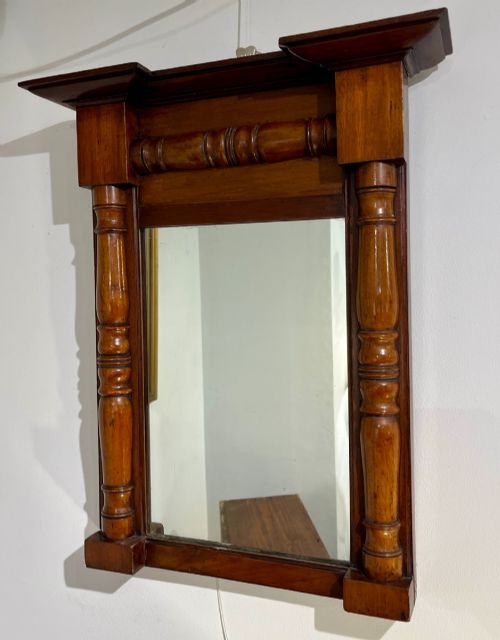
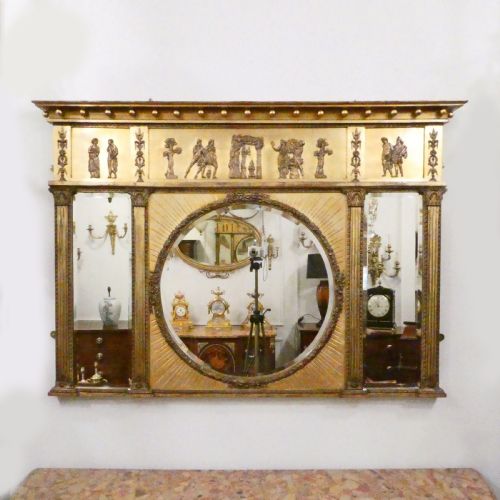
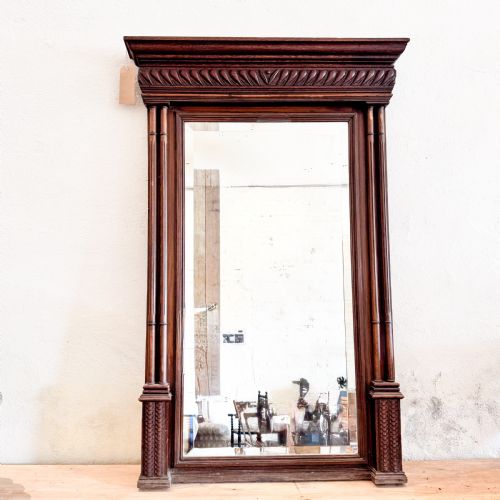
The most common formats on this page are substantial overmantel mirrors and upright pier mirrors designed to anchor large wall spaces or sit above mantelpieces. They utilise classical column supports, pilasters, or half-columns integrated directly into the timber or giltwood framing.
How they were made
Makers constructed these frames from native and exotic timbers including mahogany, walnut, oak, and satin birch, often applying gesso over carved wood to receive gold leaf or paint finishes. Gilding techniques created the bright reflective surfaces seen on nineteenth-century overmantel and wall pieces.
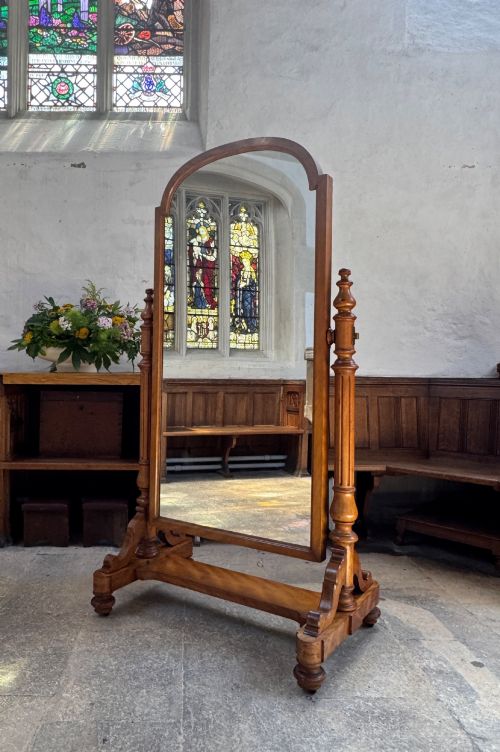
Mirrors incorporated sheet glass, sometimes retaining original mercury plates, held securely within heavy wooden or plaster-moulded rebates. Architectural elements like turned or ribbed columns were shaped by hand or lathe before assembly into the main frame.
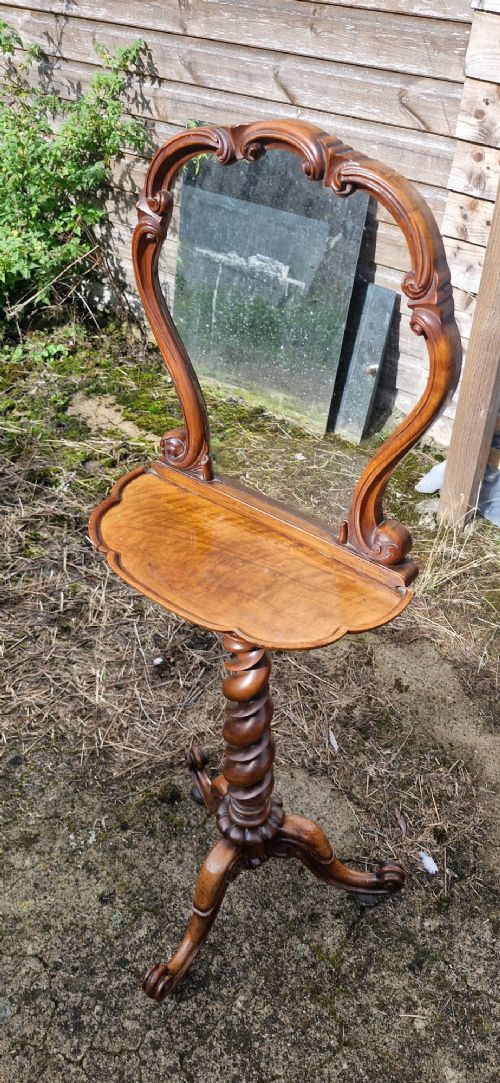
Object forms span overmantel mirrors, pier mirrors, cheval mirrors, and dressing mirrors.
What varies in quality
Quality rests in the crispness of the carved wood and gesso ornamentation, the depth of the timber figuring such as pollard oak or birds eye maple, and the architectural harmony of the columns. Superior examples display finely proportioned mouldings and integrated brass or gilt detailing rather than cast composition substitutes.
The choice of primary wood also dictates the character of the piece, with solid mahogany, rosewood, and figured walnut sitting at the upper end of the scale alongside original mercury mirror plates.
The Victorian Column Mirror Glossary
- Overmantel mirror
- A large horizontal or arched mirror designed specifically to hang on the wall above a fireplace mantelpiece. These pieces frequently feature architectural column frames.
- Pier mirror
- A tall, narrow mirror designed to hang on the narrow section of wall between two windows, often placed above a pier table or console.
- Gesso
- A plaster-like mixture applied to wood frames to create a smooth surface for subsequent gilding or painting. It allowed carvers to achieve sharp architectural details.
- Mercury plate
- An older type of mirror glass produced using a tin and mercury amalgam before the modern silver nitrate process was introduced.
Victorian Column Mirror: Frequently Asked Questions
Where should I hang a victorian column mirror?
These mirrors suit principal reception rooms, hallways, or above bedroom fireplaces where their architectural height can visually expand the space.
Ensure the wall construction supports the substantial weight of solid wood and gesso frames.
How do I identify a victorian column mirror?
Look for nineteenth-century timber frames incorporating classical pilasters, turned columns, or ribbed side supports alongside traditional joinery methods.
Overmantel and pier formats dominate this category, often finished in giltwood or polished mahogany.
Are these mirrors heavy?
Solid wood frames combined with thick glass and gesso mouldings create considerable weight requiring secure wall fixings into masonry or studs.
Professional installation is recommended for large overmantel versions.
Can I clean the original glass?
Use a soft cloth and a gentle glass cleaner, avoiding abrasive materials that might damage aged surfaces or original silvering.
Take care around the edges where the mirror plate meets the wooden rebate.