

Victorian Coffer Trunk
A victorian coffer trunk is a sturdy storage piece built for travel and household keeping, offering timeless utility and robust charm.
Victorian Coffer Trunk
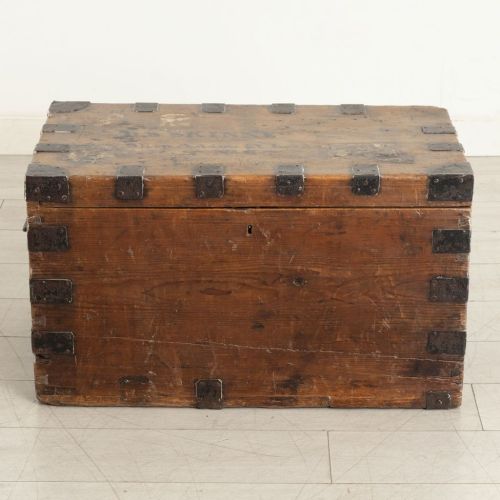
A victorian coffer trunk is a heavy-duty container designed for storage and transit during the nineteenth century. These pieces encompass utilitarian blanket boxes, travel chests, and military campaign containers.
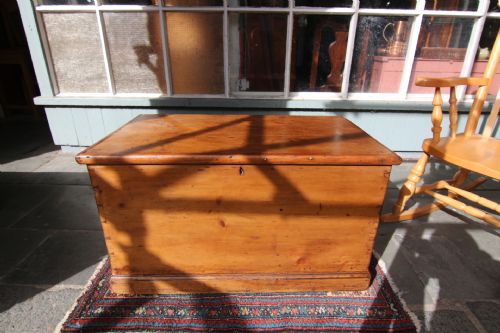
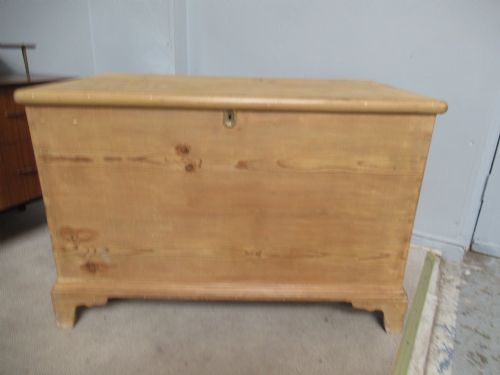
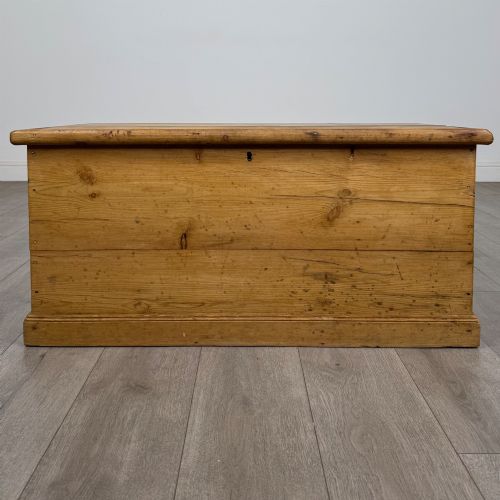
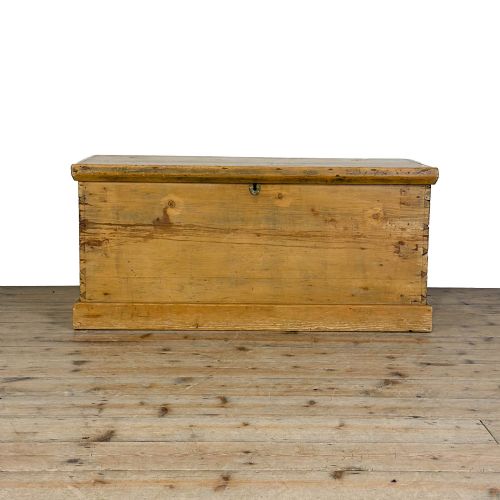
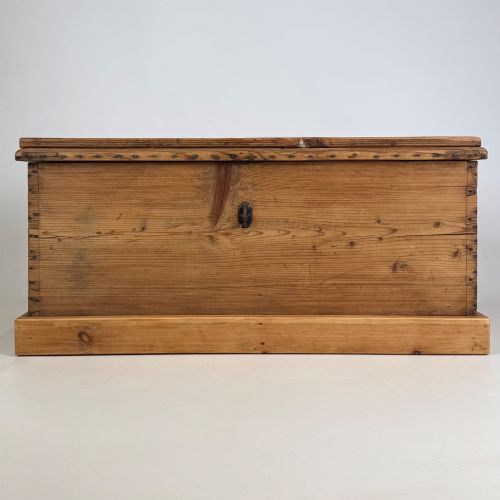
Buyers encounter numerous domestic pine blanket boxes alongside exotic wood travel chests originating from military contexts. The selection bridges simple domestic storage and sophisticated campaign furniture.
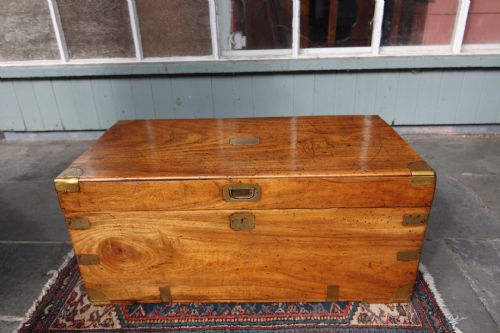
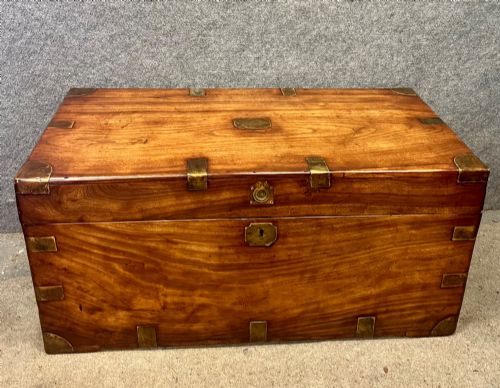
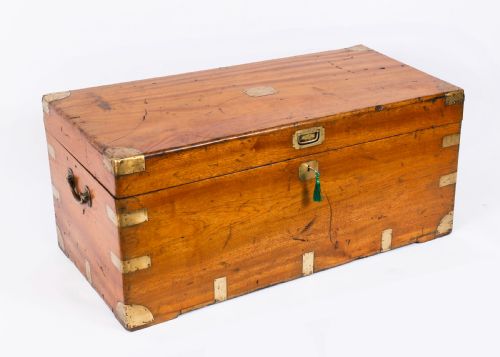
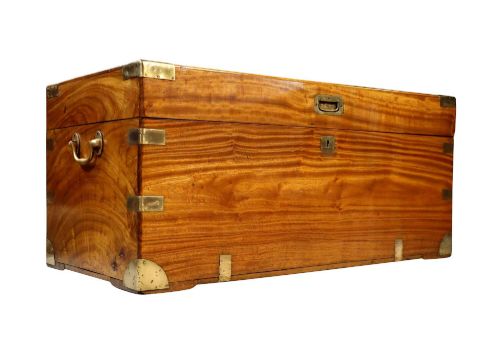
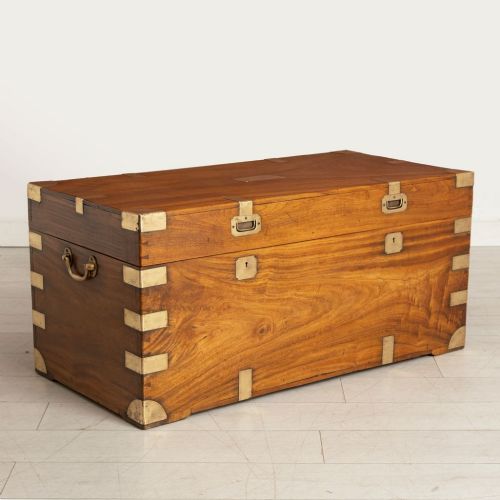
Forms range from humble stripped pine boxes to brass-bound camphor wood and teak chests built for officers on the move. Each object reflects the practical demands of nineteenth-century life and travel.
How They Were Made
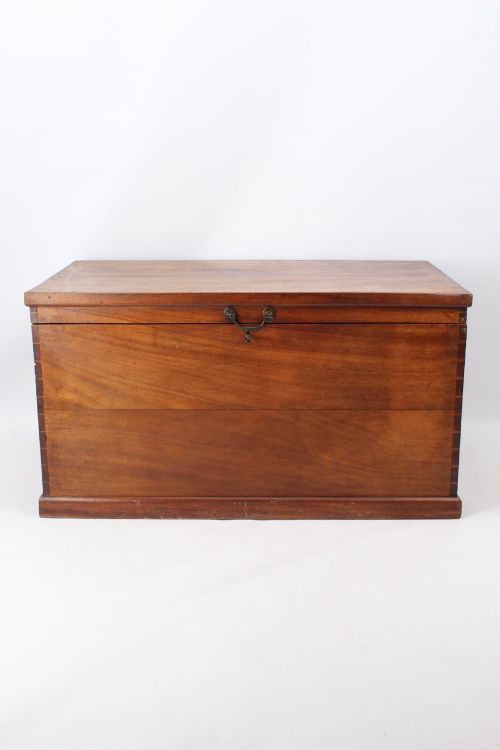
Carpenters utilised durable timbers including pine, oak, mahogany, teak, and camphor wood to construct these robust chests. Camphor wood was selected for campaign trunks to naturally repel insects during tropical transport.
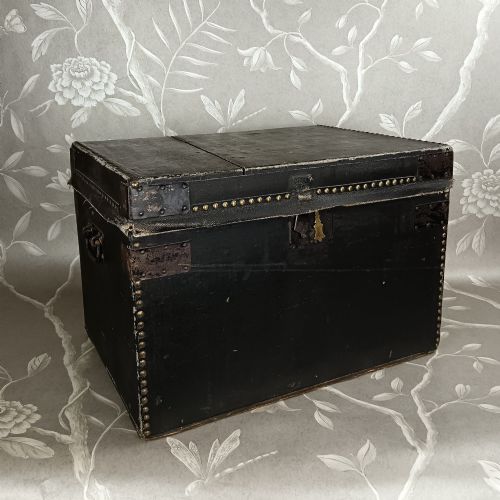
Metal reinforcement was essential for structural integrity during long journeys. Brass banding, iron mounts, and studwork protected corners and edges from the heavy knocks of travel.
Camphor wood trunks still carry their distinctive sharp aroma after nearly two centuries of travel.
What Varies in Quality
The grade of timber and the sophistication of the internal fittings dictate the hierarchy of these pieces. Simple pine blanket boxes contrast sharply with fitted camphor wood campaign chests containing internal drawers and compartments.
Hardware execution separates standard utilitarian items from elite travelling equipment. Flush brass handles, dovetail joinery, and maker signatures indicate superior workshop production.
Wm. Insall of Bristol·Arthur Wannop
The Victorian Coffer Trunk Glossary
- Campaign trunk
- A sectional or reinforced chest designed for military officers on active service overseas. These pieces typically feature recessed brass handles and protective corner brackets.
- Camphor wood
- An aromatic hardwood utilised extensively for nineteenth-century military chests. Its natural scent protects stored textiles from moths and damp conditions.
- Brass bound
- A method of reinforcing chest edges and corners with metal strips secured by numerous screws. This protects the wood from heavy impact during transport.
- Blanket box
- A domestic storage chest traditionally kept in bedrooms for linens and bedding. They appear frequently in plain or waxed pine.
- Dowry chest
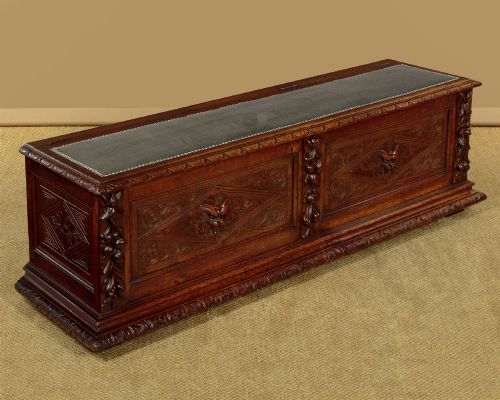
- A large storage container commissioned to hold household goods and textiles for a bride. These pieces are often monumental in scale and heavily constructed.
Victorian Coffer Trunk: Frequently Asked Questions
What is a victorian coffer trunk used for today?
These trunks serve primarily as functional living room coffee tables and bedroom blanket storage. Their sturdy lids and internal capacity make them practical for hiding clutter while adding historical character to a room.
Interior designers utilise them to anchor seating areas or place them at the foot of beds for spare linens. The robust construction handles daily household use with ease.
How do I identify a military campaign chest?
Military pieces feature distinctive brass hardware designed to sit flush against the wood surface. This prevented handles and mounts from catching during transport.
They are frequently constructed from camphor wood, teak, or mahogany with iron or brass binding. Many split into sections or contain internal fitted drawers for officer equipment.
Are pine trunks authentic to the Victorian period?
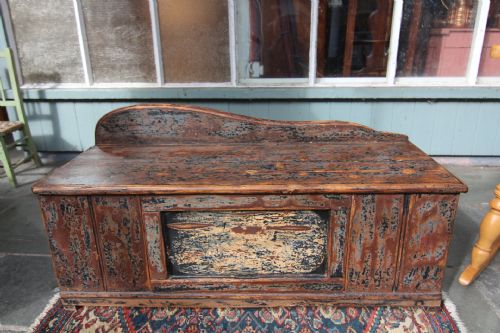
Pine was widely utilised throughout the nineteenth century for domestic storage boxes, blanket chests, and travel trunks. Waxed or painted pine pieces represent the everyday utilitarian output of the era.
Examples range from simple dovetailed tool chests to fine fitted pine boxes with internal compartments. They offer a direct connection to domestic life in the eighteen hundreds.
How should I care for a camphor wood chest?
Camphor wood requires minimal maintenance due to its natural oils and protective aroma. Regular dusting with a dry cloth keeps the surface clean without stripping the finish.
Avoid placing the trunk in direct sunlight or near intense heat sources to prevent timber shrinkage. The natural scent can be lightly refreshed by gently sanding the interior if it fades over decades.