



Victorian Cocktail Table
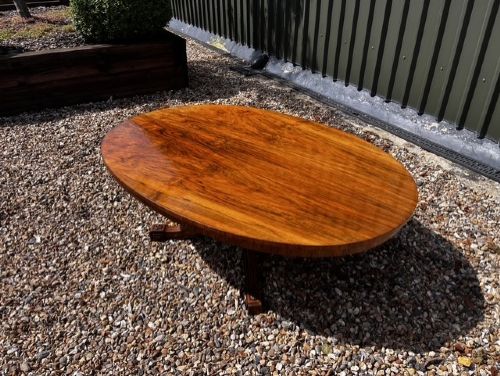
These Victorian cocktail table pieces bring period character to a modern room, combining rich timber with traditional forms designed for serving and entertaining.
Victorian Cocktail Table
A Victorian cocktail table brings nineteenth-century craftsmanship to contemporary interiors, drawing from forms originally used for drinks, serving, or general occasional use. You will most frequently encounter low coffee tables and coffee tables adapted from earlier butler trays or side tables.
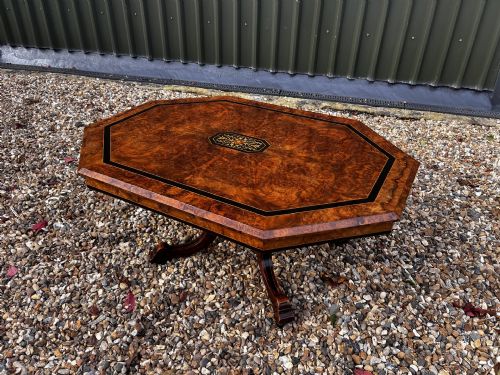
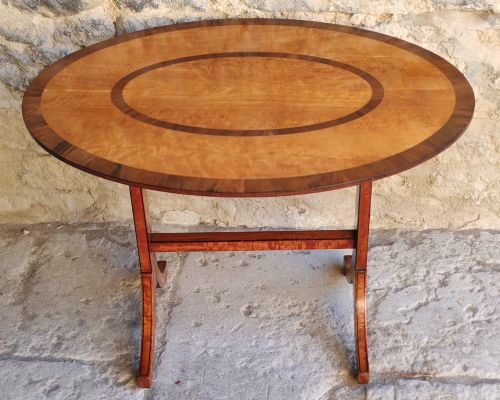
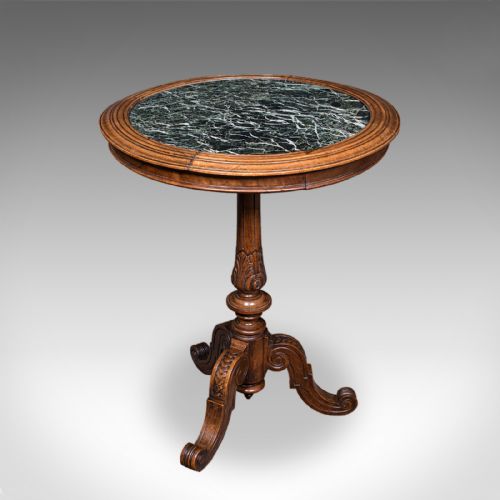
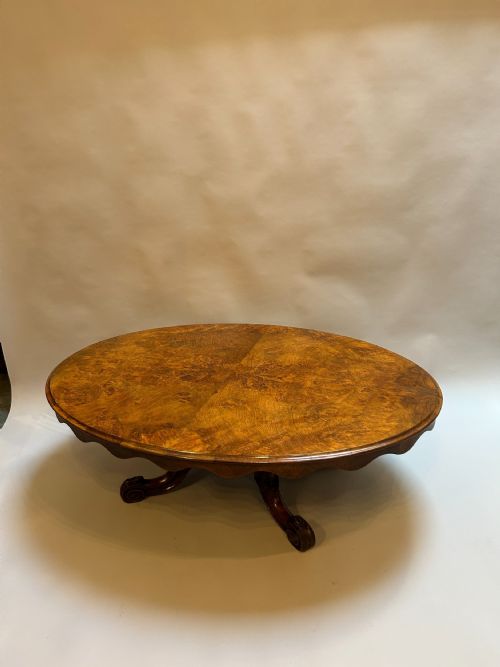
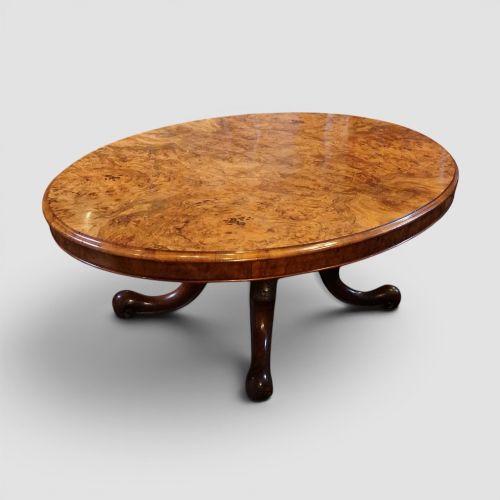
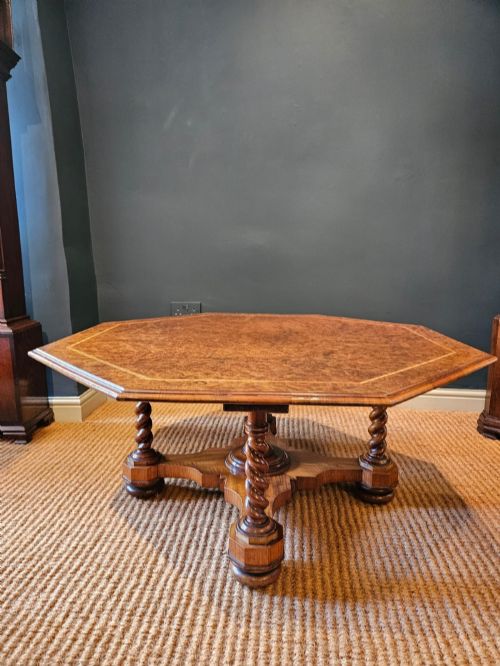
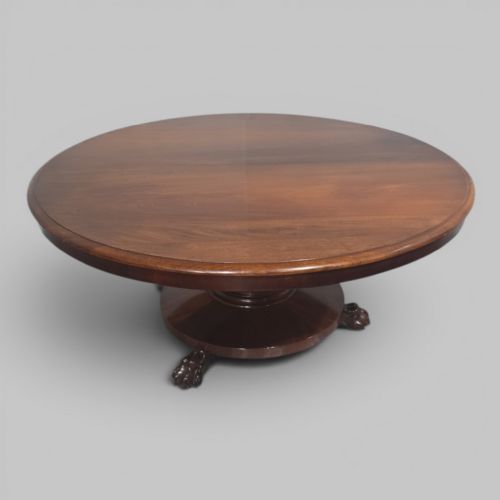
The materials span traditional British timbers such as walnut, burr walnut, mahogany, and oak, often paired with inset marble tops or brass hardware. Many pieces demonstrate classic nineteenth-century proportions, featuring oval, octagonal, or rectangular surfaces supported by carved pillars or tripod bases.
Regional variations appear across the selection, from English cabinet work to items with Chinoiserie lacquer decoration or Italian marble inserts. Certain examples incorporate ingenious mechanical elements, including patent mechanisms designed for domestic hospitality.
How They Were Made
Cabinet makers utilised dense hardwoods like mahogany and walnut, frequently selecting highly figured burr walnut veneers for central table surfaces. These timbers were joined using traditional methods and finished to highlight the natural grain.
Marble tops, leather inserts, and brass mounts added durability and decorative contrast to the timber frames. Carved details were executed by hand, creating the textured borders and pedestals seen across the period.
Victorian Cocktail Table Retail Price Guide 2026
Typical asking prices for victorian cocktail table among the pieces listed under this phrase on Sellingantiques today, from the lower quarter to the upper quarter. They describe what is for sale here now, not the wider market.
One exceptional piece incorporates a modern cast-iron tripod base paired with a traditional burr walnut top.
What Varies in Quality
The distinction between standard workshop production and high-end cabinet making lies in the selection of timber veneers and the crispness of hand-carved ornamentation. Finer examples display carefully matched burr walnut and robust structural joinery that withstands daily use.
Attribution to documented makers or inclusion of patent hardware elevates certain pieces above standard domestic furniture of the period. The integration of materials, such as fitted marble slabs and quality brass fittings, further defines the standard of manufacture.
Holland & Sons Of London·Gillows of Lancaster
The Victorian Cocktail Table Glossary
- Burr Walnut
- A timber obtained from the gnarled growths of walnut trees, prized for its swirling, highly decorative grain patterns. Cabinet makers typically applied it as a veneer to prominent table tops.
- Butler Tray
- A portable wooden tray with hinged or fixed sides, originally designed for carrying glasses and decanters. Many period examples are paired with folding wooden stands to form low tables.
- Chinoiserie
- A European decorative style reflecting Chinese artistic motifs, often rendered in lacquer. This technique appears on specific tray tables from the nineteenth century.
- Tripod Base
- A three-legged support structure commonly found on occasional and centre tables. It provides stability on uneven floors while allowing decorative turning on the central pillar.
Victorian Cocktail Table: Frequently Asked Questions
Are these tables suitable for everyday living?
These nineteenth-century pieces function well as central coffee tables in modern reception rooms, providing sturdy surfaces for everyday use. Their robust timber construction accommodates normal domestic requirements.
Care should be taken with vulnerable finishes such as polished wood or marble inserts by using coasters and mats. Regular dusting and occasional wax polishing help maintain the surface condition.
How do I identify a butler tray table?
A butler tray table typically consists of a detachable rectangular tray with raised sides, often featuring hand-cut carry grips. The tray rests upon a folding X-frame or four-legged wooden stand.
Original stands fold flat for storage when not in use. The combination of portable tray and separate base distinguishes these pieces from standard static tables.
What is the difference between a centre table and a coffee table?
Period centre tables were originally manufactured with taller heights for placement in the middle of Victorian reception rooms. Many examples have since been professionally lowered to function as coffee tables.
Tables specifically designated as coffee tables in nineteenth-century contexts are less common, meaning proportion and height modifications often indicate the piece's history.
How do I care for antique walnut furniture?
Walnut timber requires protection from direct sunlight and extreme temperature fluctuations to prevent veneer lifting or wood splitting. Routine maintenance involves wiping surfaces with a soft, dry cloth.
Applying traditional beeswax periodically nourishes the grain and preserves the patina. Avoid using modern silicone-based polishes which can damage historic finishes.