
Victorian Coat and Hat Stand
When you search for a victorian coat and hat stand, you find practical hallway furniture designed to organise outerwear and umbrellas in domestic entryways.
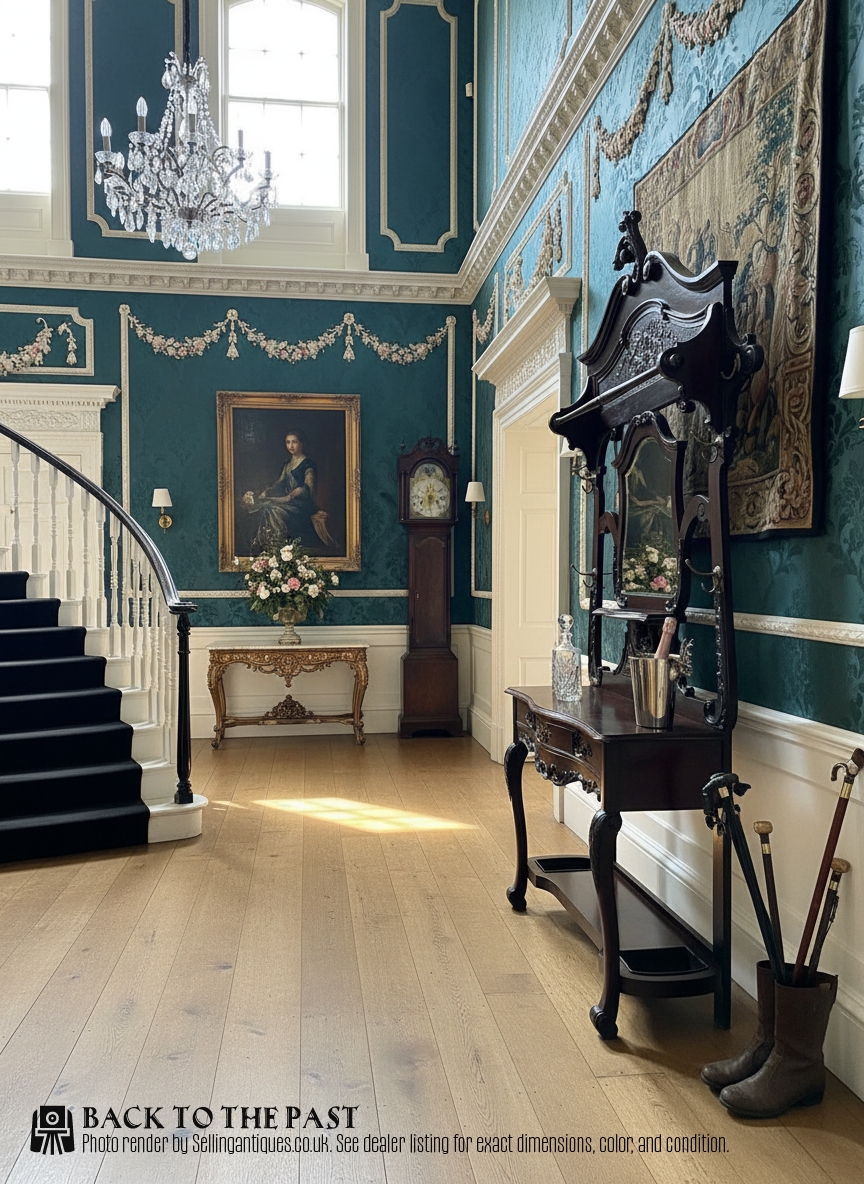
Victorian Coat and Hat Stand
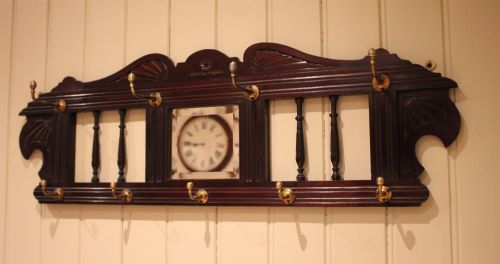
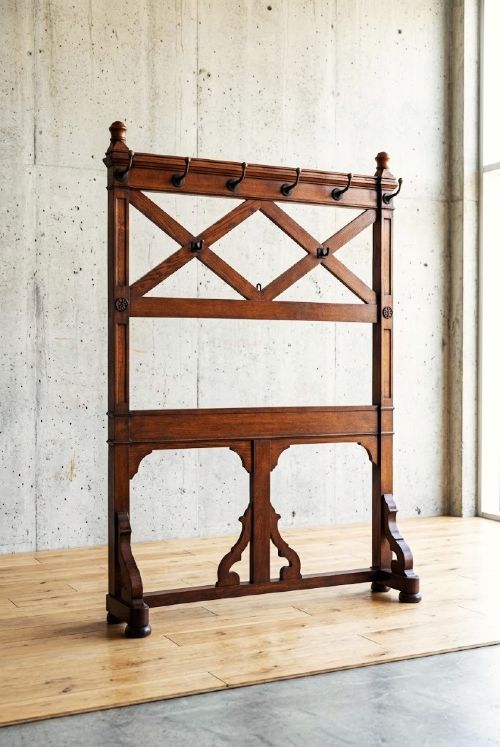
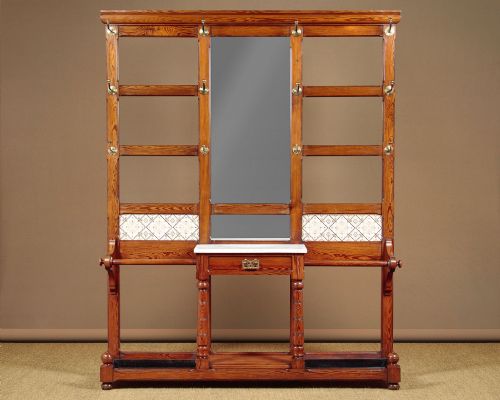
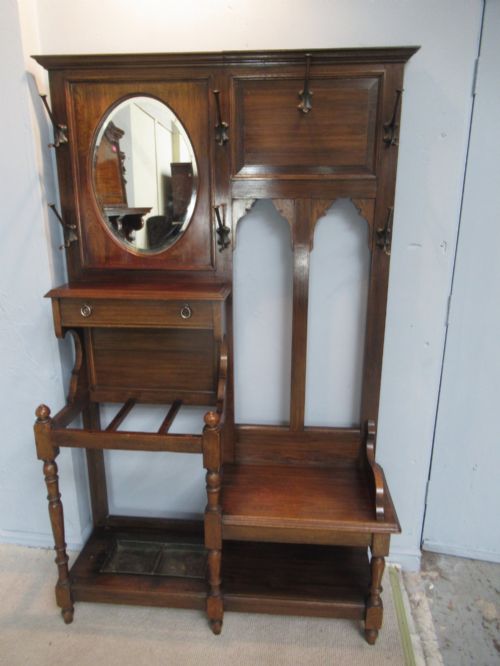
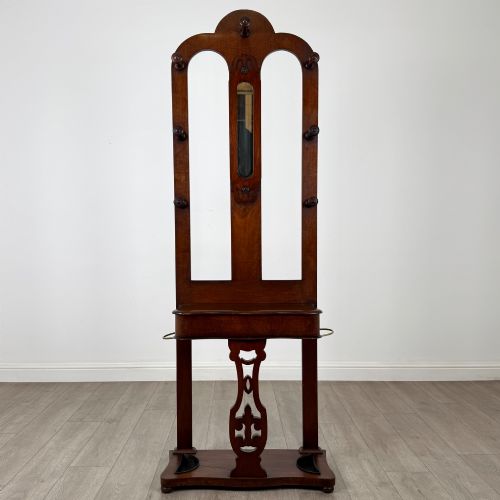
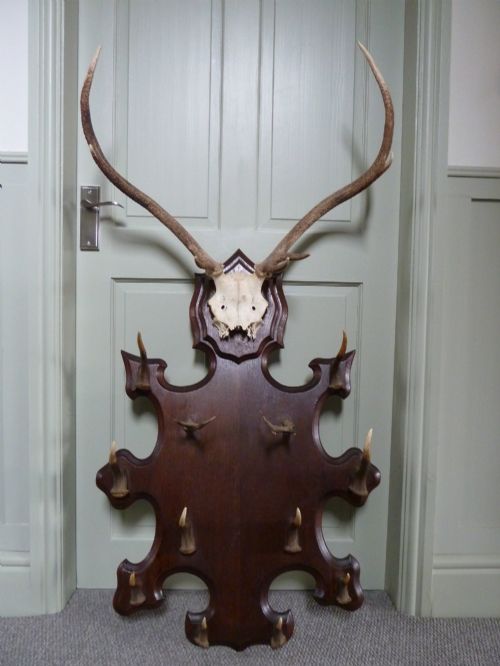
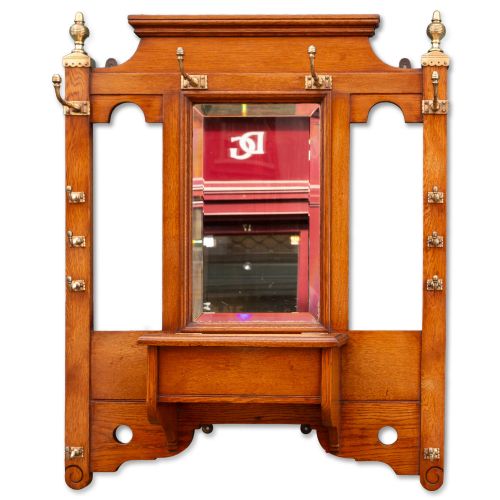
A victorian coat and hat stand serves as a functional anchor for the hallway, designed to hold hats, coats, sticks and umbrellas upon entry. The pieces seen here span the Victorian, Edwardian and later nineteenth-century periods, taking forms from wall-mounted racks to large freestanding hallstands.
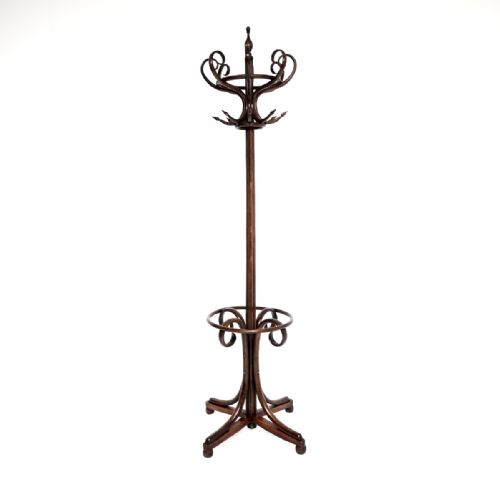
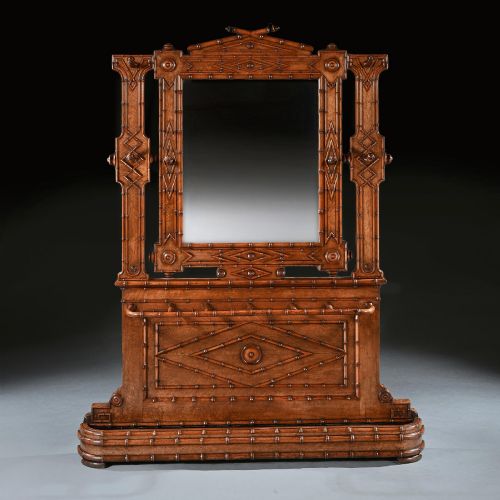
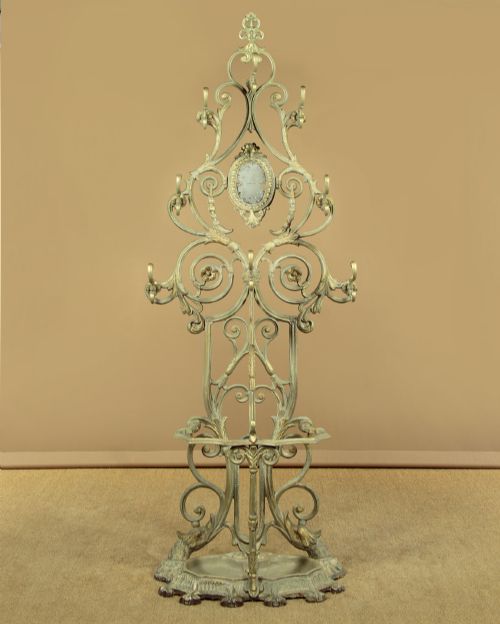
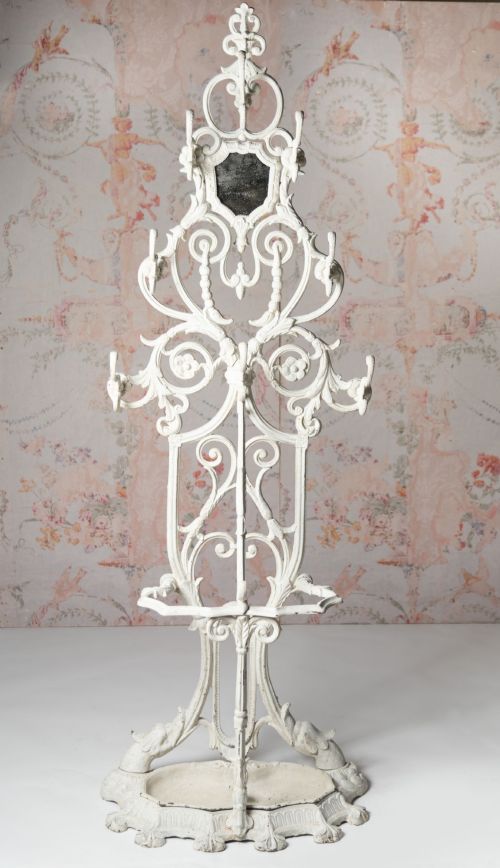
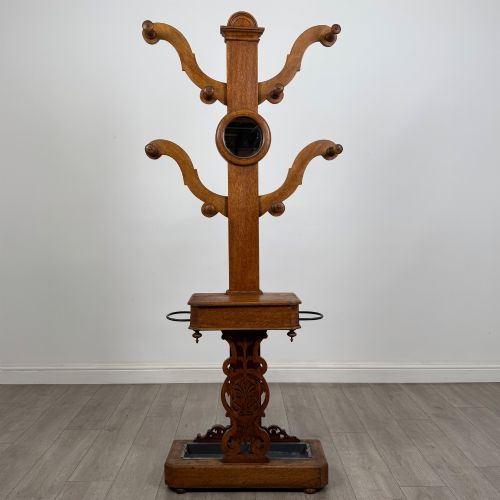
Freestanding examples often incorporate central mirrors, umbrella wells with drip pans, and tiered hooks arranged around a central column. Buyers encounter substantial carved timber furniture alongside lighter bentwood designs and cast iron framework.
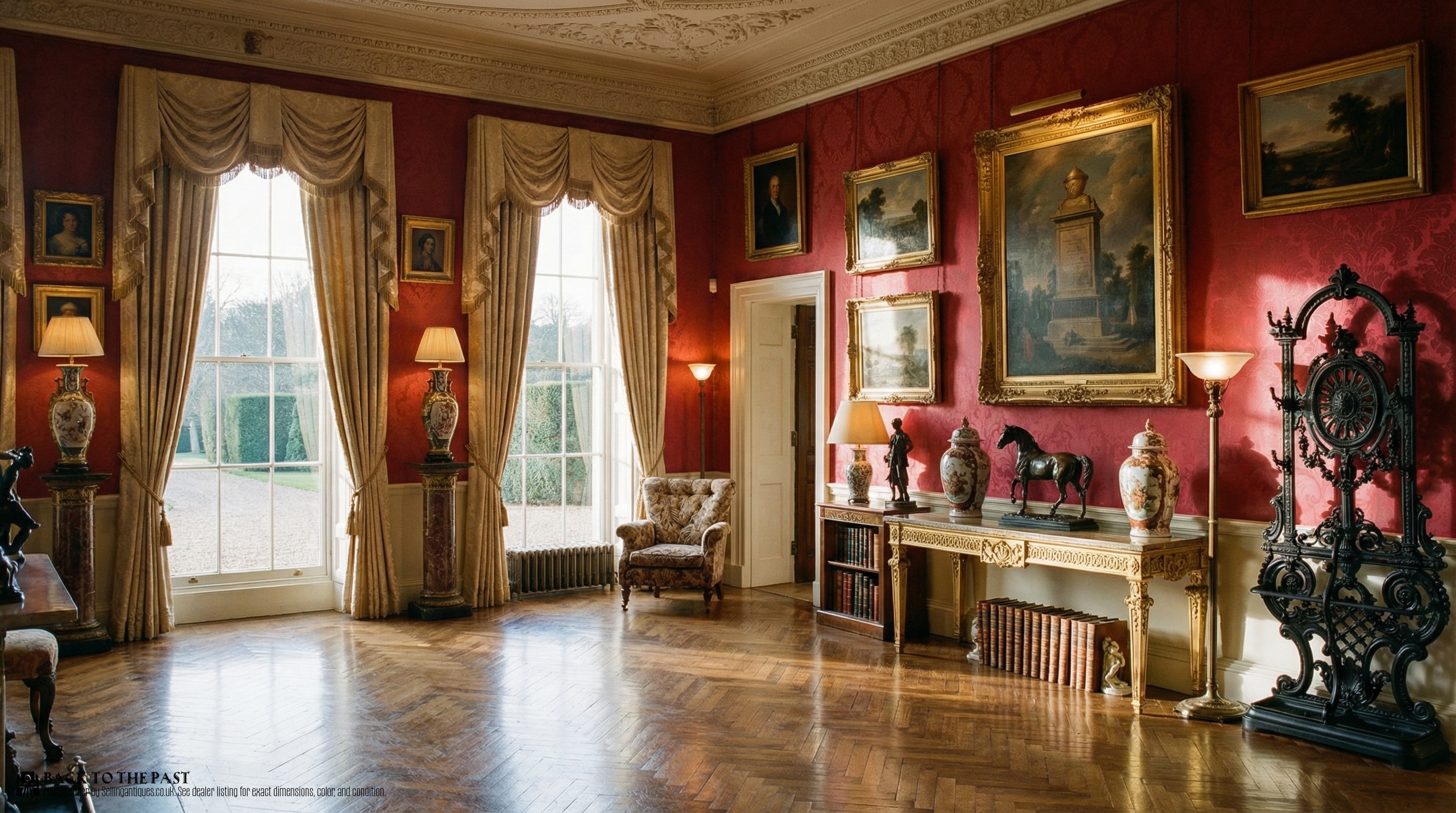
How They Were Made
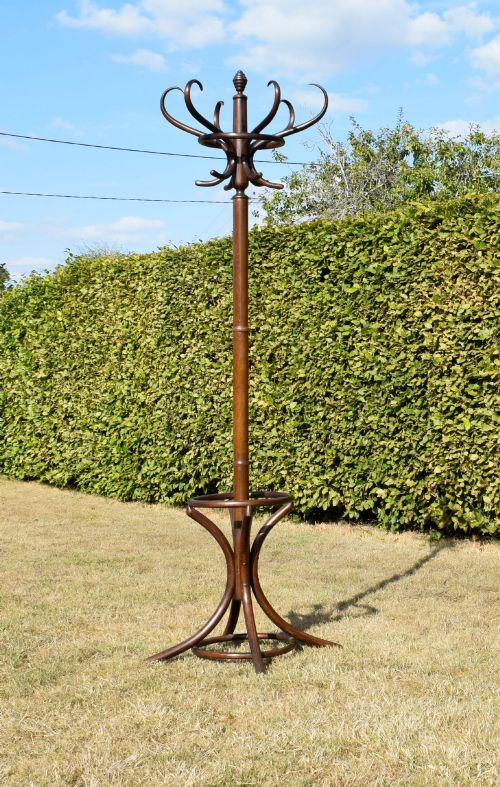
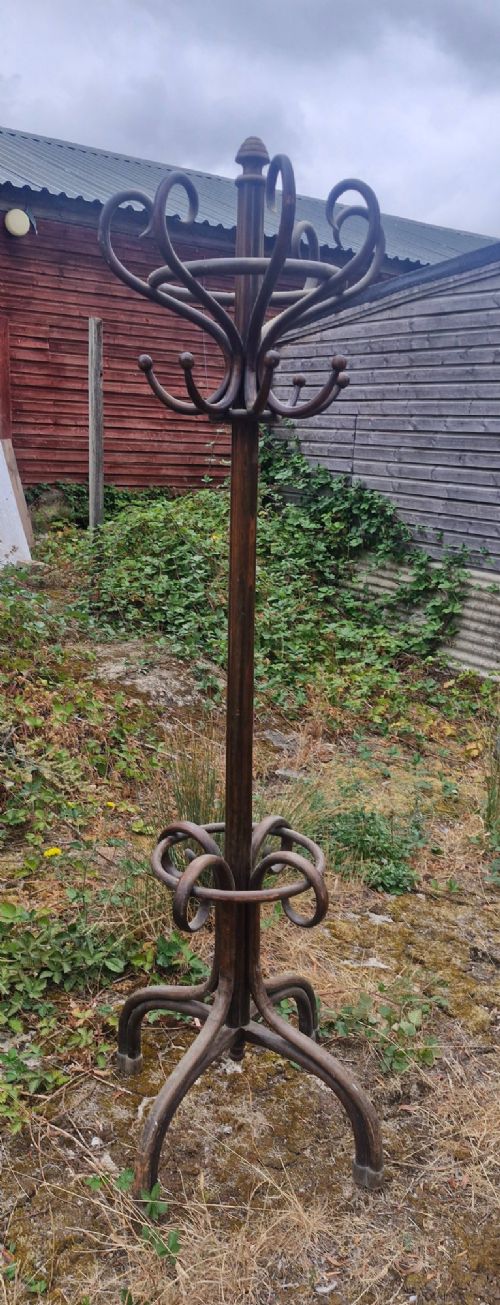
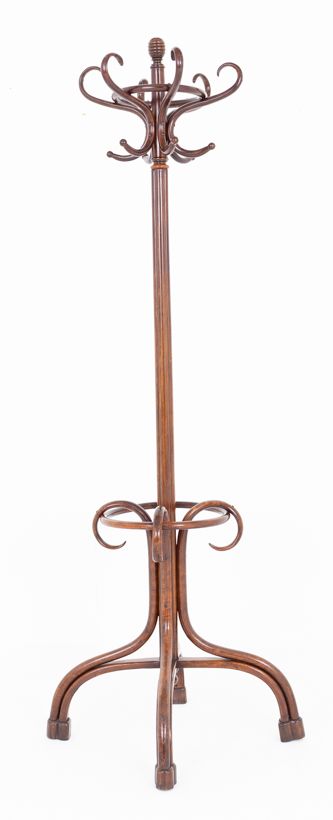
Solid timbers such as oak, walnut and mahogany provide the structural integrity for carved and panelled hallstands, frequently incorporating brass fittings and mirrored glass. Cabinetmakers utilised steam-bent beech in bentwood variations to achieve curved profiles without heavy joinery.
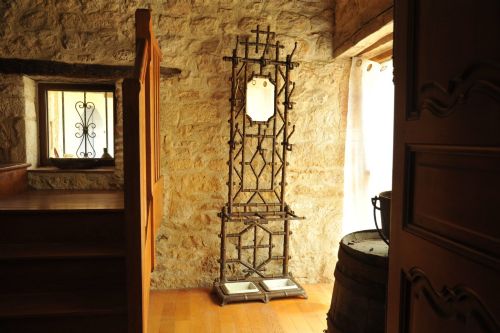
Foundries cast iron into intricate patterns for industrial and decorative hallway stands, while specialist pieces utilise natural materials including stag horn and bamboo.
Materials span oak, mahogany, walnut, cast iron, bamboo, and steam-bent beech.
What Varies in Quality
The integrity of the structural joints and the retention of original drip trays and brass hooks further define the standing of individual items within the wider selection.
Thonet·Fischel·Jas. Shoolbred·J. Parker of Woodstock
The Victorian Coat and Hat Stand Glossary
- Bentwood
- Furniture formed by steaming wood until pliable and bending it into curved shapes. This technique defines lightweight stands produced by prominent makers.
- Hallstand
- A multi-functional piece of hallway furniture combining coat hooks, a mirror, and umbrella storage. These items often feature glove boxes and heavy timber panelling.
- Gothic Revival
- A nineteenth-century design movement drawing inspiration from medieval architecture. Pieces in this style display pointed arches, heavy linenfold carving and structural vigor.
- Faux Bamboo
- Timber or metal turned and painted to imitate natural bamboo shoots. This finish appears frequently on nineteenth-century aesthetic movement pieces.
- Aesthetic Period
- A late nineteenth-century movement emphasising visual beauty over narrative content. Items from this era often incorporate Japanese design influences.
Victorian Coat and Hat Stand: Frequently Asked Questions
What is a hallstand used for?
A hallstand provides a designated place in an entrance hall for hanging coats, hats, and scarves while keeping walking sticks and umbrellas contained in integrated bases.
Many examples also incorporate small drawers or compartments for gloves and keys, alongside mirrors for final checks before leaving the house.
How do I identify a bentwood stand?
Bentwood stands are recognised by their smooth, curving rounded wooden members formed through steam-heating rather than traditional joinery.
These pieces typically present a lightweight, skeletal silhouette with looped branch-like hooks radiating from a central post.
Where were cast iron stands placed?
Cast iron stands served in domestic hallways, public buildings, and country house boot rooms where durable, moisture-resistant furniture was required.
The heavy metal construction easily supported wet umbrellas and heavy winter garments without tipping.
What is an aesthetic movement hall stand?
An aesthetic movement hall stand reflects late nineteenth-century design principles that favoured slender profiles, bamboo or faux bamboo construction, and Japanese-inspired motifs.
These pieces often sacrifice heavy storage boxes for refined geometric lines and decorative panels.