

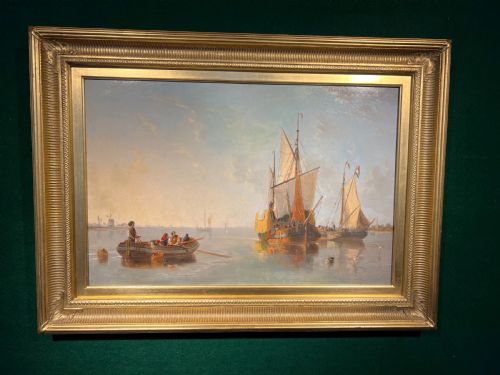
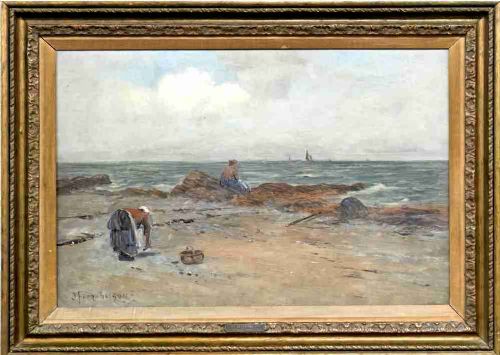
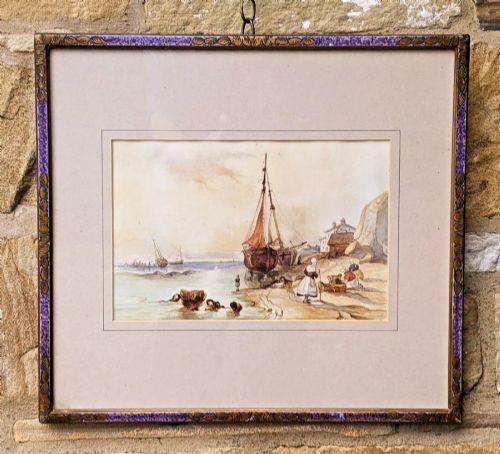
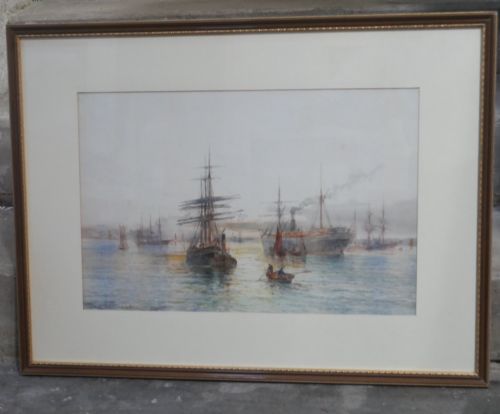


Victorian Coastal Picture
A victorian coastal picture brings nineteenth-century maritime life and salt-air views directly into a room through oil and watercolour.
Victorian Coastal Picture
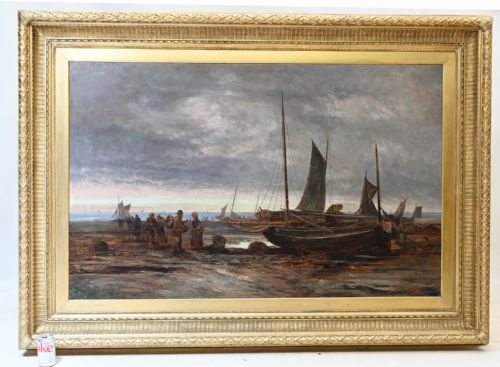
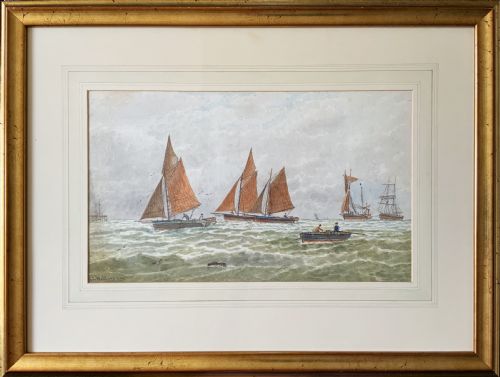
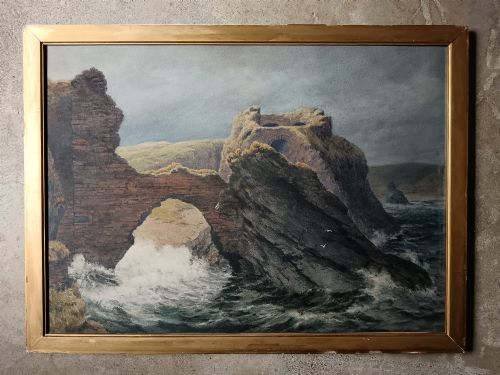
A victorian coastal picture depicts harbours, fishing fleets, cliffs and shipping across the British and European shores during the nineteenth century. These works capture specific locations such as Whitby, Dublin Bay, and the Dorset coast alongside bustling maritime scenes.
Buyers encounter two primary mediums in these selections: oil paintings on canvas and delicate works on paper. Many are framed in period gilt wood that complements the maritime subject matter.
How they were made
Artists painted using oil on canvas or applied watercolour pigment onto paper to record changing light over the sea. Works often utilise framed gilt wood housings designed to protect and display the maritime artwork.
Makers applied pigments to capture marine details, ranging from vast coastal landscapes down to small harbour vessels and fishing boats.
Listings span periods from 1860 through 1910, featuring oil paintings, watercolours, and period gilt wood frames.
What varies in quality
Quality depends upon the artist's ability to render atmosphere, coastal light, and maritime motion convincingly across the canvas or paper. Finer pieces demonstrate confident brushwork and precise topographical detail in depicting ships, architecture, and shorelines.
The preservation of the paper or canvas and the originality of the period gilt frame contribute to the overall standing of an individual work.
Edward Mills·John Wilson Carmichael·Joseph Farquharson·George Stanfield Walters·John Moxon·William Frederick Settle·Alfred George Morgan·John Bedloe Goddard·Gustave De Bréanski·Sir Thomas Newenham Dean·Arthur Tucker·John McDougal·T.S. Wallis·William Raymond Dommersen·James Webb·Robert Buchan Nisbet·John Douglas Perrett·Frederick William Hattersley·James Thomas Watts·John Mitchell·Frederick William Booty·Kate E Booth·R.P.Noble·Alfred Henry Vickers·George Henry Knight
The Victorian Coastal Picture Glossary
- Watercolour
- A paint consisting of water-soluble pigment suspended in a water-based solution, frequently utilised for nineteenth-century coastal landscapes on paper.
- Oil on canvas
- Pigment mixed with an oil medium and applied to a stretched woven fabric surface, common in larger nineteenth-century marine paintings.
- Gilt wood
- Wood carved and coated with gold leaf or a gold-coloured finish, forming the traditional frames found around many period paintings.
- Seascape
- A work of fine art specifically depicting the sea, coastal views, shipping, or marine subjects.
Victorian Coastal Picture: Frequently Asked Questions
What subjects appear in these paintings?
The selections depict British and European shorelines, including busy harbours, sailing ships, lighthouses, and fishing villages. Artists recorded specific coastal landmarks from Yorkshire, Dorset, and Scottish waters.
Many works focus on maritime life such as oyster pickers, beached shipwrecks, and vessels leaving port under nineteenth-century skies.
How do oil and watercolour differ here?
Oil paintings utilise canvas surfaces and often span larger dimensions, suitable for grand maritime scenes and heavy seas. Watercolour works are executed on paper and typically offer finer linear detail in depicting harbour architecture.
Both mediums share a common nineteenth-century interest in recording coastal atmosphere and shipping traffic.
Are these works in original frames?
Many pieces retain period gilt wood frames that match the nineteenth-century origin of the paintings. These frames enhance the visual weight of the maritime artwork.
Inspect the individual listing details to confirm whether a specific piece includes its historic frame.
How should I display a coastal picture?
Hang these works away from direct sunlight to protect watercolours on paper and oil pigments from fading. Selecting a wall with stable room humidity preserves both the canvas and the gilt wood frame.
Pairing the artwork with traditional interior spaces allows the nineteenth-century maritime subject to stand out.