


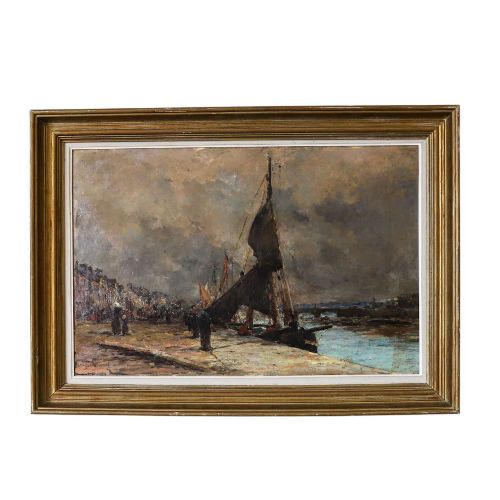
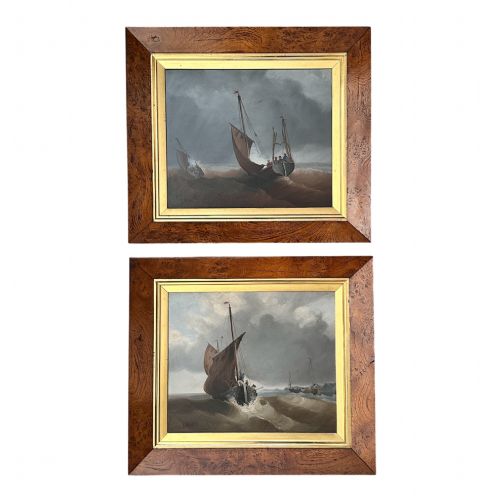
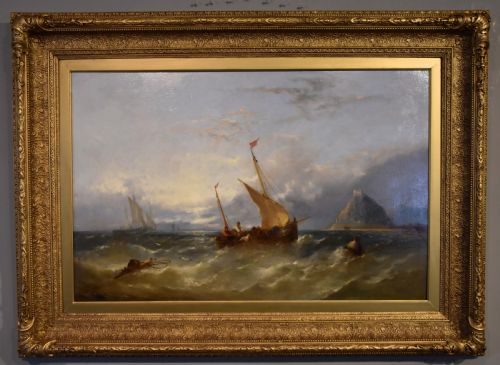
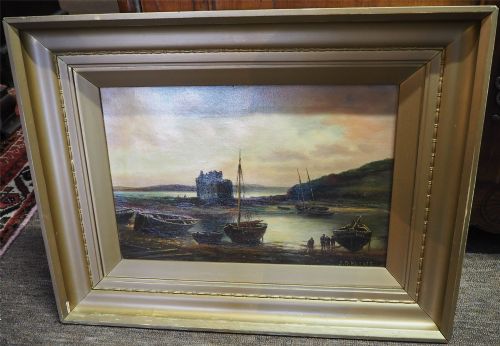
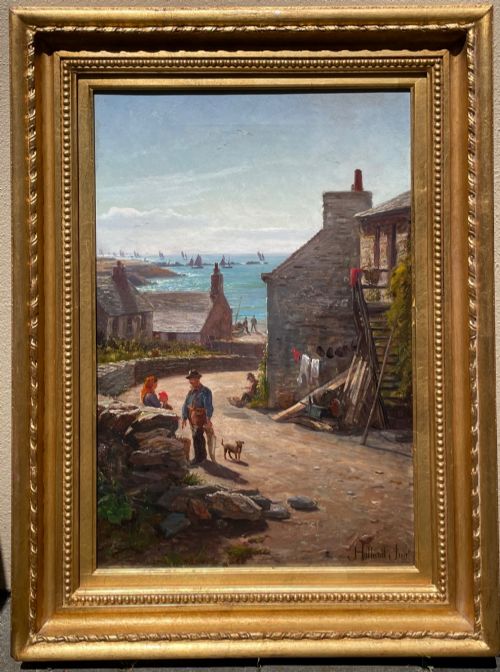
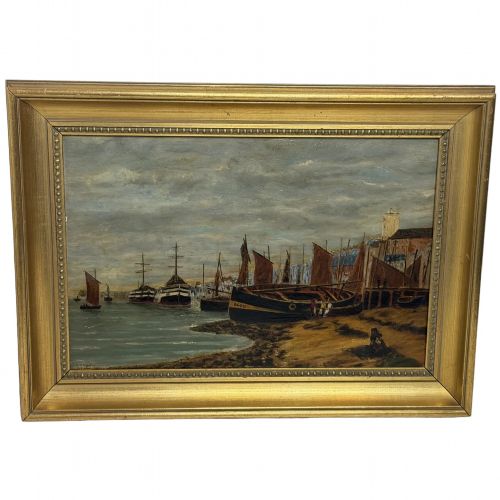
Victorian Coastal Oil Painting
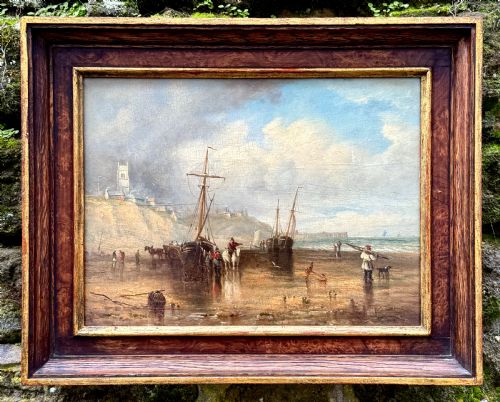
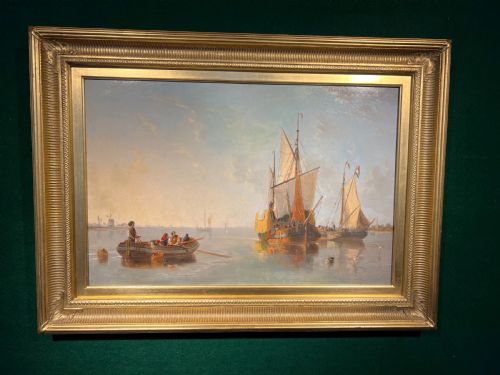
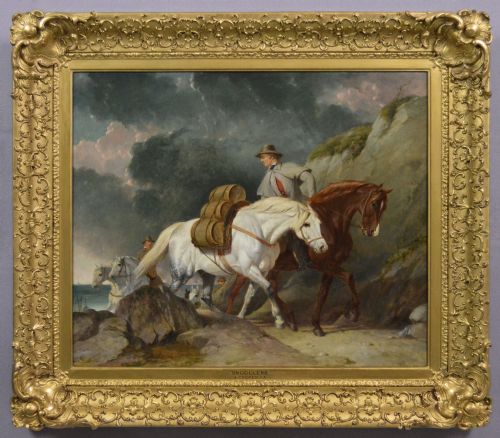
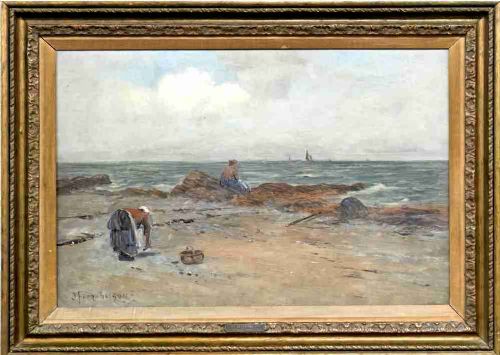
A victorian coastal oil painting brings nineteenth-century shorelines, harbours and rough seas into the room with oil paint on canvas.
Victorian Coastal Oil Painting
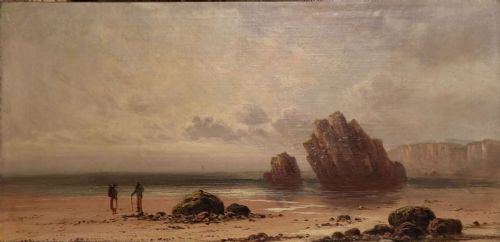
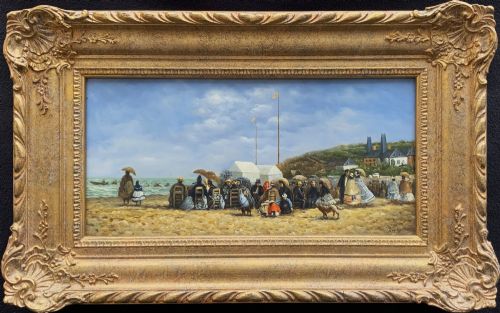
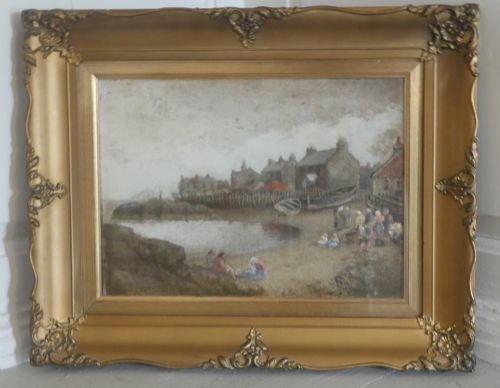
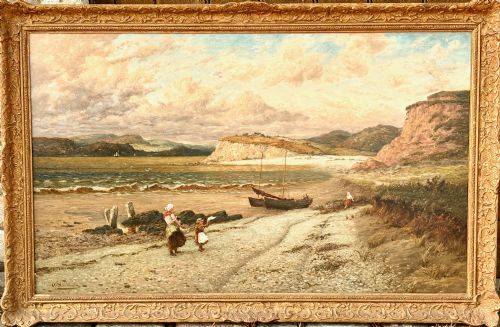
A victorian coastal oil painting records maritime life, fishing vessels and rocky shores through nineteenth-century brushwork. These works range from calm harbour scenes and distant shipping to dramatic shipwrecks and crashing waves against sea stacks.
Most pieces on this page emerge from the nineteenth century and the Victorian period, utilising canvas, board or panel as a support. Artists frequently framed these works in gilt wood or gesso frames that complement the maritime subject matter.
How they were made
Painters applied oil paint to stretched canvas or wooden panels, building up texture and depth with layered brushstrokes. Many works rely on a foundation of oil paint over primed canvas to capture the shifting light of sea and sky.
Surviving pieces are typically housed in giltwood and gesso frames, often original to the artwork, which provide a heavy ornamental border suited to nineteenth-century display.
Victorian Coastal Oil Painting Retail Price Guide 2026
Typical asking prices for victorian coastal oil painting among the pieces listed under this phrase on Sellingantiques today, from the lower quarter to the upper quarter. They describe what is for sale here now, not the wider market.
Materials across these listings include oil on canvas, wood panels, gesso and giltwood frames.
What varies in quality
Quality rests in the artist's command of light, atmosphere and maritime detail rather than the mere age of the canvas. Stronger paintings handle the transparency of water and the movement of clouds with confident, expressive brushwork.
The preservation of the original gilt frame and the stability of the oil paint surface also distinguish finer examples from standard decorative works.
Bernard Benedict Hemy·Thomas Creswick·John Wilson Carmichael·Abraham Cooper·Joseph Farquharson·John Moore of Ipswich·William Henry Williamson·John Holland·Abraham Hulk I·William Edward Webb·Gustave De Bréanski·James Kyd·Stanley Leader·William Greaves·T.S. Wallis·Charles Sim Mottram·George Gregory·William Pitt·William Raymond Dommersen·James Webb·George Dodgson Callow·F.W.Pike
The Victorian Coastal Oil Painting Glossary
- Oil on Canvas
- A painting technique where pigment suspended in drying oil is applied to stretched woven fabric. This combination allows for rich colour blending and textured surface effects.
- Gesso
- A plaster-like mixture applied to wood or canvas as a base for painting or applied to wood to form moulded frame ornaments. It provides a smooth, absorbent surface for subsequent gilding.
- Giltwood
- Wood that has been coated with a thin layer of gold leaf or gold paint. Frames finished this way were standard for nineteenth-century exhibition paintings.
- Seascape
- A work of art depicting the sea, coastal views or marine vessels. These subjects gained immense popularity during the Victorian era due to maritime trade and coastal tourism.
- Sea Stack
- A geological landform consisting of a steep and often vertical column or columns of rock in the sea. Painters used these dramatic formations to add scale and tension to coastal compositions.
Victorian Coastal Oil Painting: Frequently Asked Questions
How do I hang a heavy oil painting?
Secure fixings directly into wall studs or use heavy-duty wall anchors rated for the combined weight of the canvas and its gilt frame. Hang the piece at eye level using sturdy picture wire attached firmly to the frame's D-rings.
Ensure the wall can support the substantial weight of nineteenth-century frames, which often incorporate heavy gesso and wood mouldings.
Where should I display a marine painting?
Position the artwork away from direct sunlight and damp environments like unheated kitchens or bathrooms. Stable indoor temperatures prevent the canvas and wooden stretcher bars from warping over time.
Well-lit rooms with indirect natural light allow the dark tones and luminous skies typical of nineteenth-century coastal art to show clearly.
How can I tell the age of the frame?
Examine the construction of the corners and the composition of the gesso mouldings on the reverse. Nineteenth-century frames often show hand-carved wooden elements or composition ornament applied over wooden foundations.
Original frames frequently display shrinkage cracks in the gesso and patination on the gilding that matches the age of the canvas inside.