

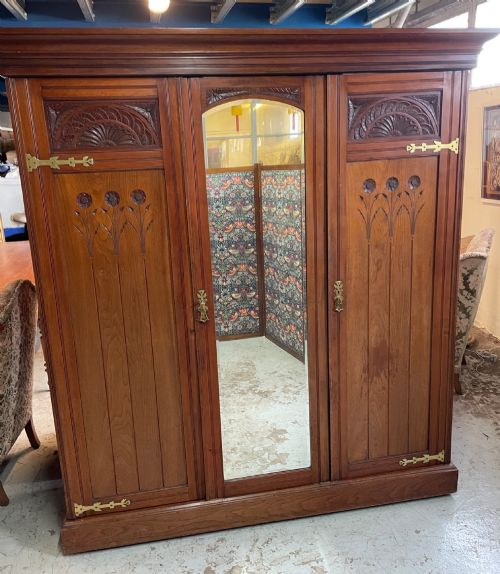
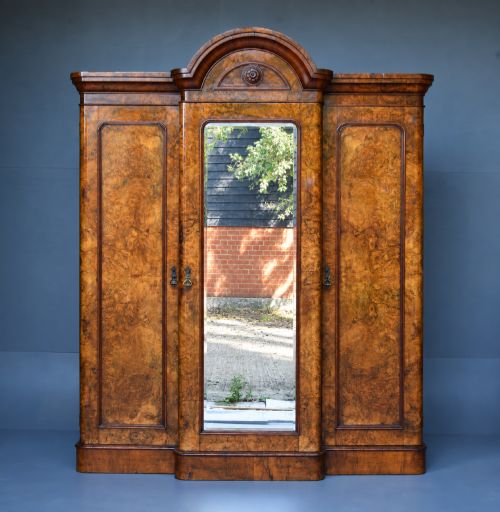
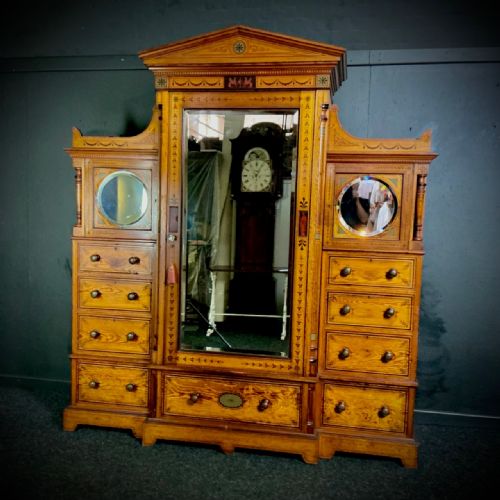
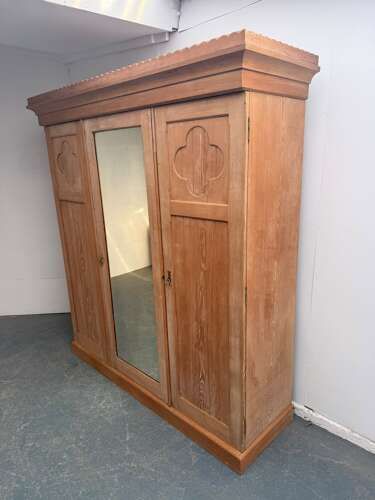
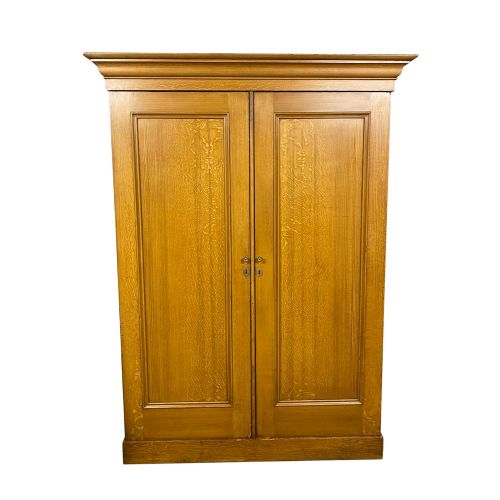
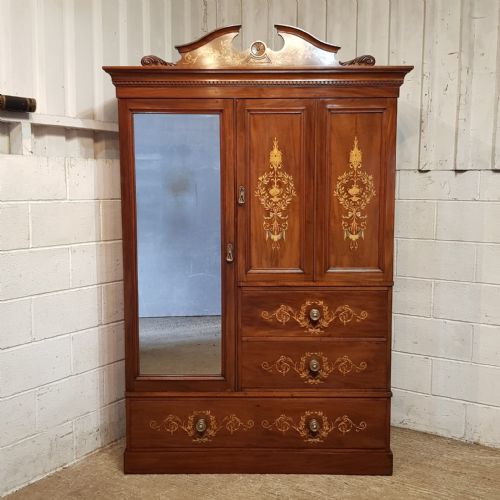
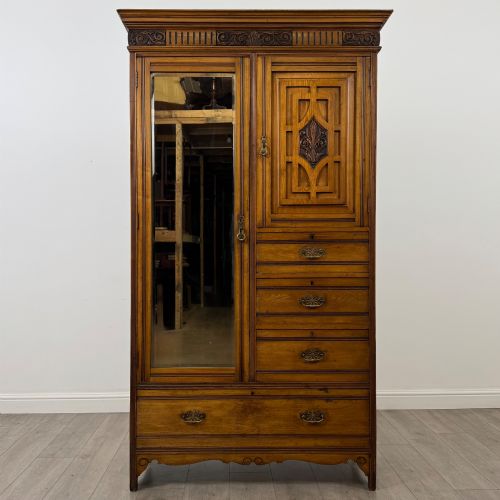
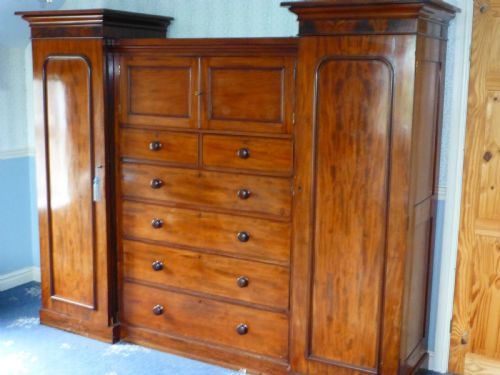




Victorian Clothes Compactum
A victorian clothes compactum brings fitted multi-compartment storage into the bedroom through robust nineteenth-century carpentry.
Victorian Clothes Compactum
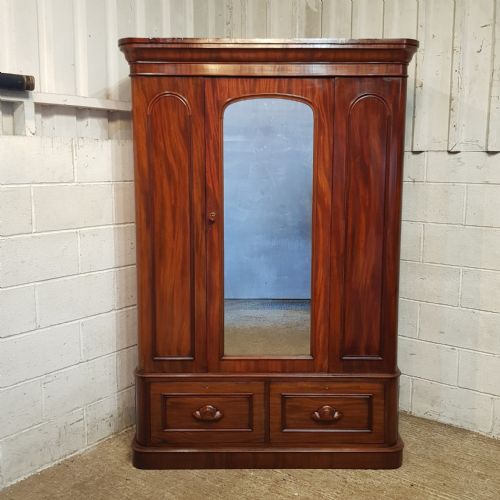
A victorian clothes compactum combines hanging space, linen drawers and sliding trays within a single substantial timber carcass. These architectural bedroom pieces emerged across the nineteenth century to organise elaborate wardrobes systematically.
Most examples encountered here date from the Victorian period through to the Edwardian era, spanning single, double and triple configurations. Makers utilised rich timbers such as mahogany, burr walnut, ash and pine to construct these large-scale storage units.
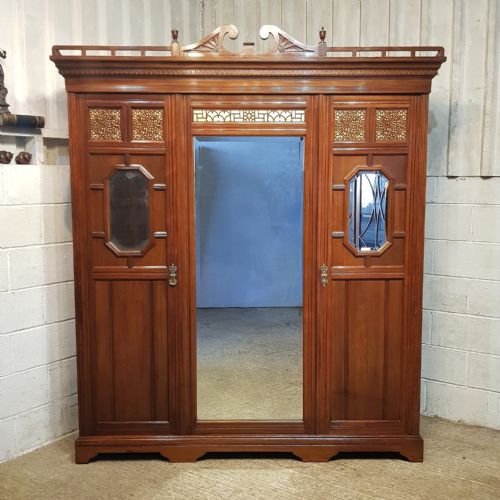
The layout typically incorporates central mirrored doors flanked by hanging sections and internal banks of linen drawers. Buyers select these multi-functional pieces for genuine domestic utility and imposing period presence.
Materials and construction methods
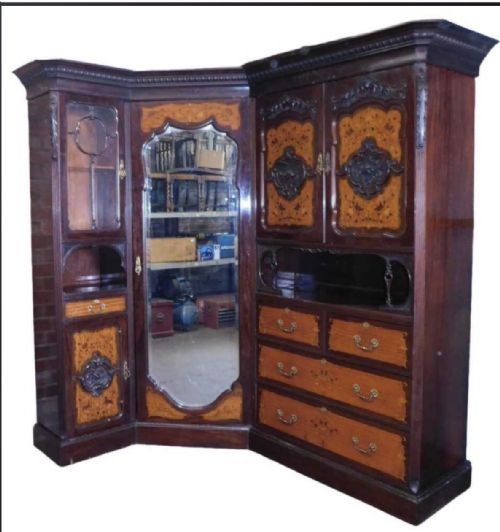
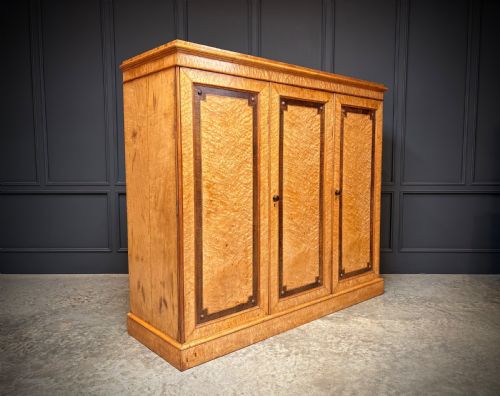
Cabinet makers built these large carcasses using solid foundational timbers like pine and mahogany, applying highly figured veneers such as burr walnut, flame mahogany and birds eye maple to primary display surfaces. Workshops employed cross-banding, marquetry inlay and subtle scumble paintwork to decorate the exterior facades.
Internal components relied on secondary softwoods for drawer linings, while structural joints utilised traditional dovetailing to support heavy timber doors. Brass hardware, mirrored glass panels and sliding trays completed the internal architecture of these combination wardrobes.
Victorian Clothes Compactum Retail Price Guide 2026
Typical asking prices for victorian clothes compactum among the pieces listed under this phrase on Sellingantiques today, from the lower quarter to the upper quarter. They describe what is for sale here now, not the wider market.
The inventory records pieces spanning the early nineteenth-century William IV era through to Edwardian variations with mirrored door panels.
Judging execution and finish
Quality rests upon the selection of timber veneers and the crispness of inlaid details across the breakfront facade. Superior workshops maintained book-matched grain patterns and seamless timber joins on prominent exterior doors.
The internal configuration dictates the tier of the piece, with fitted linen slides, adjustable shelving and original brass fittings marking out finer examples. Heavier breakfront cornices and deeply carved mouldings separate standard production from exceptional cabinet work.
Gillows·Holland & Sons·Edwards & Roberts
The Victorian Clothes Compactum Glossary
- Compactum
- A multi-functional wardrobe designed to house various types of clothing within one integrated unit. These pieces typically combine hanging space, drawers and sliding trays.
- Breakfront
- A piece of furniture featuring a central section that projects forward from the flanking wings. This architectural arrangement creates depth and shadow on large wardrobes.
- Scumble
- A decorative paint technique used to simulate natural wood grain over a plain ground. Artisans dragged combs or brushes through translucent glaze to imitate oak or walnut.
- Linen press
- A tall storage piece containing sliding internal trays originally intended for flat linens. Later nineteenth-century versions evolved into the modern combination wardrobe.
- Marquetry
- The art of forming decorative patterns using fitted veneers of different coloured woods. Craftsmen applied these intricate pictorial designs to drawer fronts and pediments.
Victorian Clothes Compactum: Frequently Asked Questions
How do I fit a compactum in a modern bedroom?
These architectural wardrobes arrive as large, heavy units requiring careful measurement of ceiling height and doorway clearance. Most examples dismantle into modular sections for easier transport and reassembly on site.
Position the carcass away from direct heat sources to protect sensitive wood veneers and antique polished surfaces. Leave adequate clearance for doors and internal sliding trays to open fully.
What is the difference between a wardrobe and a compactum?
A standard wardrobe focuses primarily on hanging garments behind full-length doors. A victorian clothes compactum integrates multiple internal storage types, including linen drawers, sliding shelves and partitioned compartments, into a single footprint.
This multi-purpose design allowed Victorian households to store entire wardrobes of folded and hung garments together. The exterior often reflects this complexity through breakfront facades and multi-door arrangements.
How do I care for burr walnut veneer?
Maintain the timber by dusting with a soft, dry cloth and applying natural beeswax periodically to nourish the grain. Avoid chemical cleaners and direct sunlight, which can dry out and fade figured burr surfaces.
Keep bedroom humidity stable to prevent the underlying timber from expanding and causing the delicate veneer to lift. Handle brass hardware gently during routine cleaning.
Can I dismantle these large wardrobes for moving?
Many nineteenth-century triple and breakfront wardrobes separate into distinct modules comprising a cornice, a plinth, side hanging robes and a central section. The carcase members lock together using internal bolts and bed-style fittings rather than permanent glue.
Enlist professional handlers familiar with antique cabinet work to disassemble and rebuild the structure safely. Forcing tight timber joints during a house move risks cracking original internal frames.