

Victorian Clock Case
When you search for a victorian clock case, you are looking at housing designed to protect and display movements in mahogany, walnut, or brass.

Victorian Clock Case
A victorian clock case encompasses large floor-standing longcase enclosures, wall-hanging dial clocks, and smaller mantel or carriage housings.
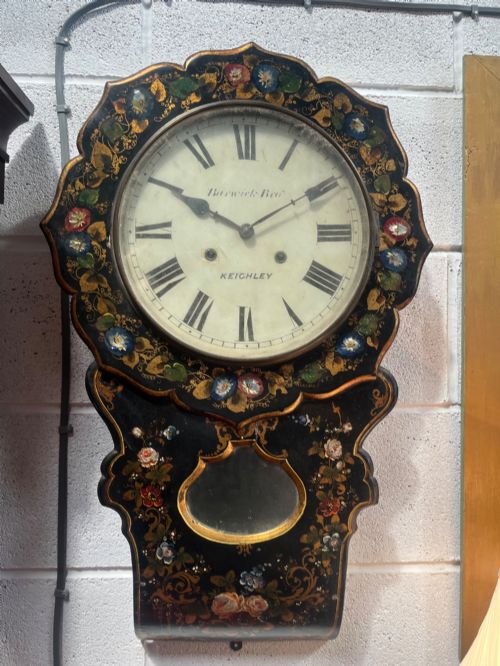
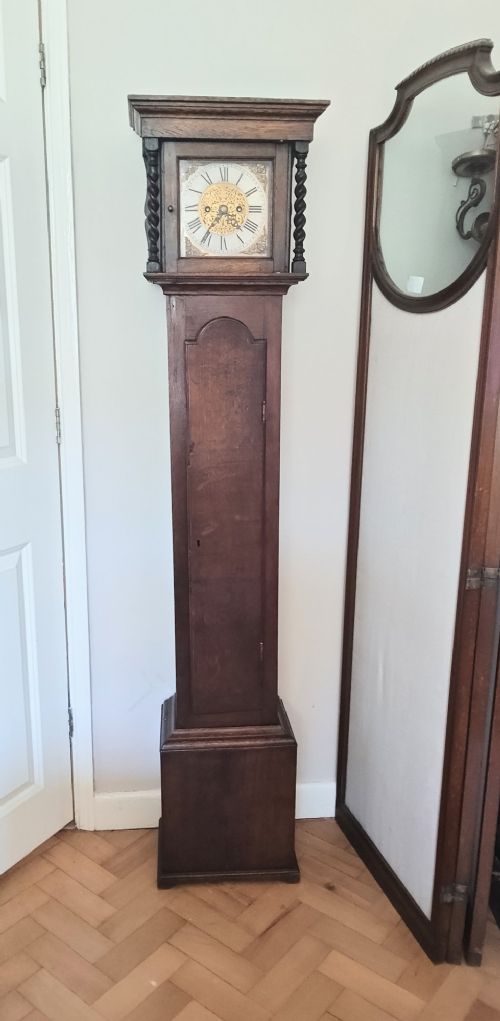
The evidence shows tall wooden floor models alongside domestic wall regulators and portable brass or gilt frames with glass panels.
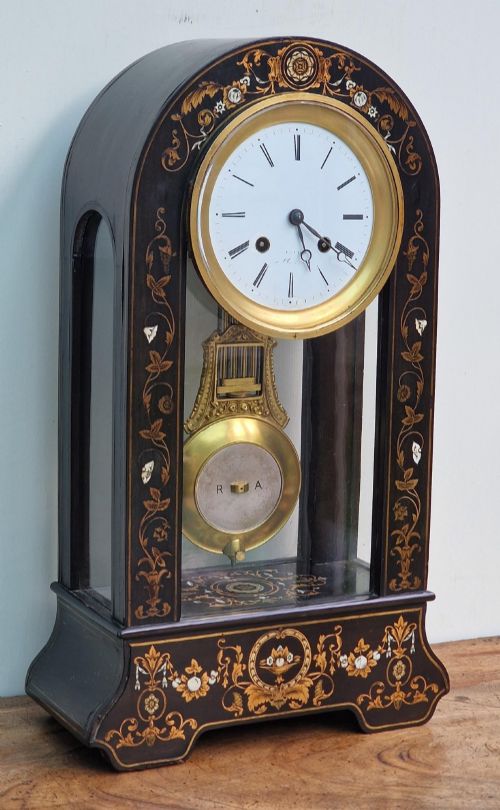
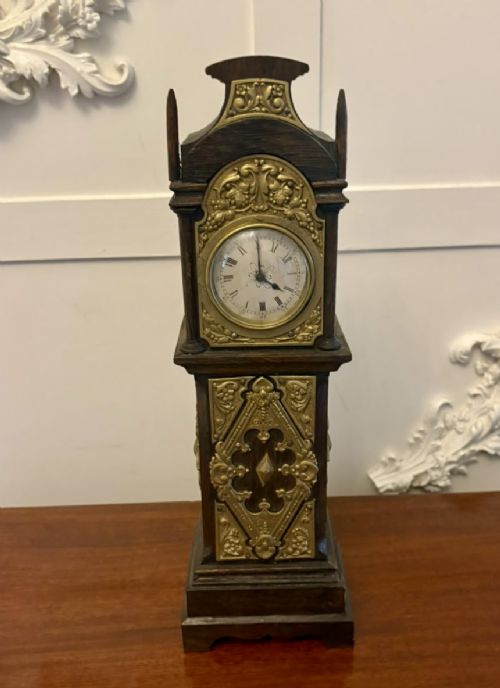
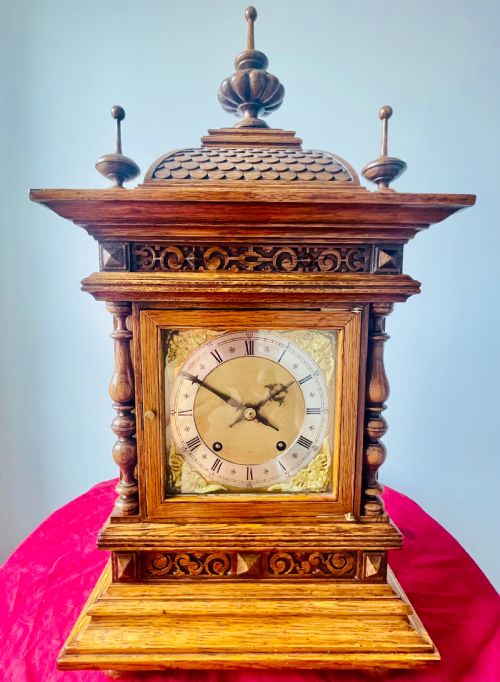
Makers housed movements in mahogany, walnut, oak, and ebonised wood, often incorporating enamel dials and brass weights.
How they were made
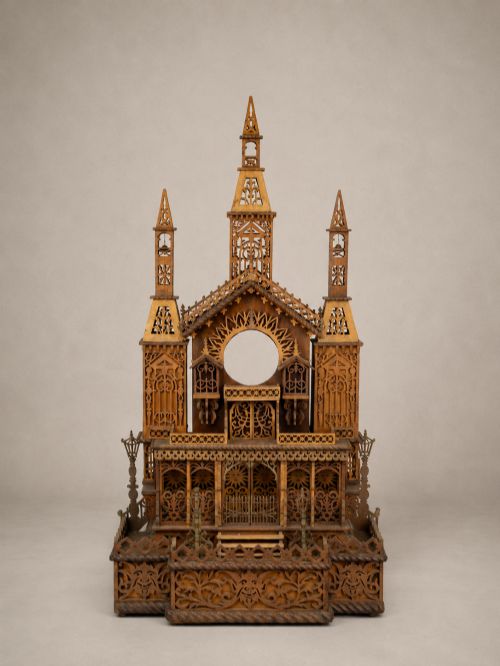
Carpenters constructed tall and wall-mounted enclosures using solid and veneered timbers such as mahogany and walnut, frequently adding fretwork or carved details.
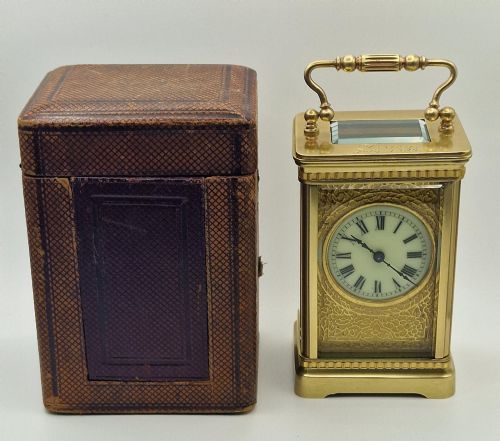
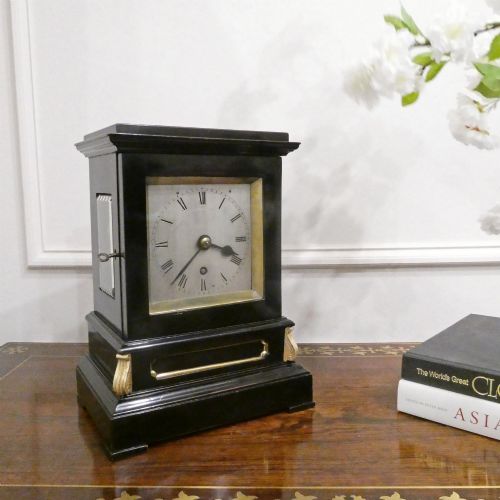
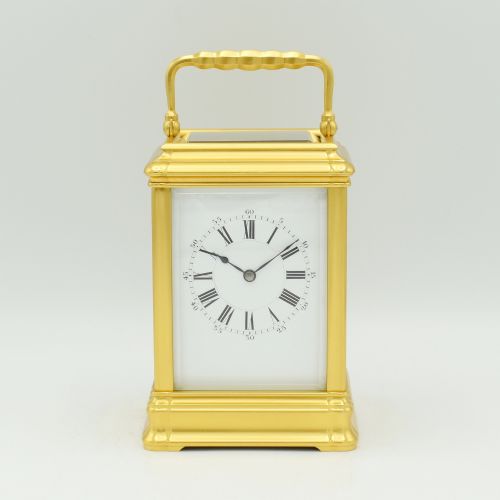
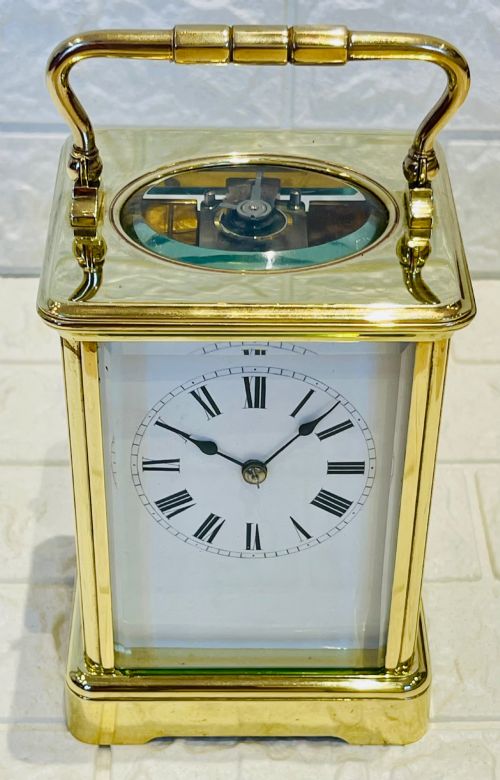
Metal housings relied on cast or gilt brass, paired with glass panels for carriage clocks or four-glass mantel designs to reveal the internal mechanics.
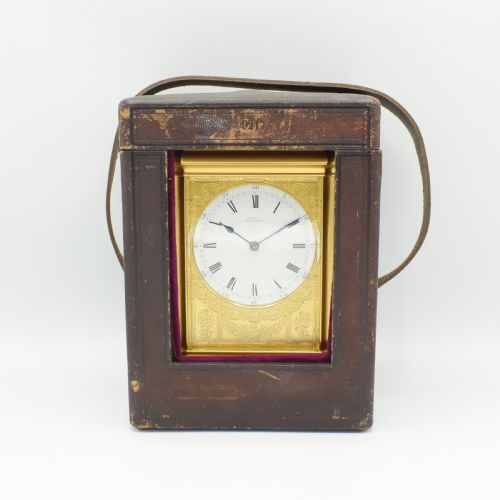
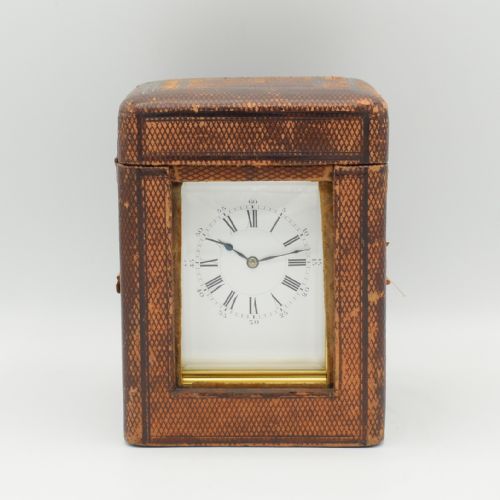
Dials utilised painted metal, enamel panels, or brass chapters, sometimes fitted inside leather travel cases.
Materials recorded across the archive include Sienna marble, gilt brass, leather travel cases, and ebonised wood.
What varies in quality
The standard of timber selection and cabinetmaking distinguishes standard domestic pieces from exhibition-grade examples with intricate carving and marquetry.
Engraving on brass carriage cases and gilt work shows the skill level of the maker, with deep hand-chasing setting apart finer workshops.
The crispness of architectural details, fretwork, and door fit indicates the original time and care invested in the construction.
Henri Jacot·Drocourt Paris·Winterhalder·AG Lenzkirch·Antoine Redier·Margaine
The Victorian Clock Case Glossary
- Fusee
- A conical pulley used in clock movements to maintain even driving force as the mainspring unwinds. This mechanism appears frequently in higher-grade English dial and bracket clocks.
- Vienna Regulator
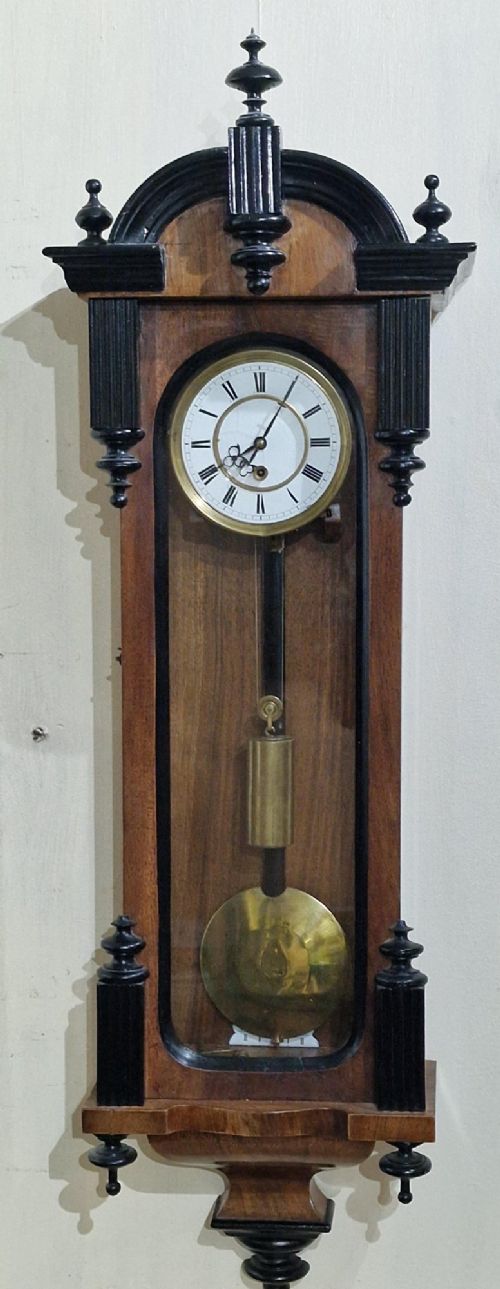
- A precision wall clock style originating in Austria, driven by hanging weights and noted for long pendulums. These cases often feature tall glass viewing doors and walnut or mahogany veneers.
- Gorge case
- A stepped, pillared brass frame typical of better French carriage clocks. It provides structural rigidity and holds glass panels securely on all sides.
- Drumhead
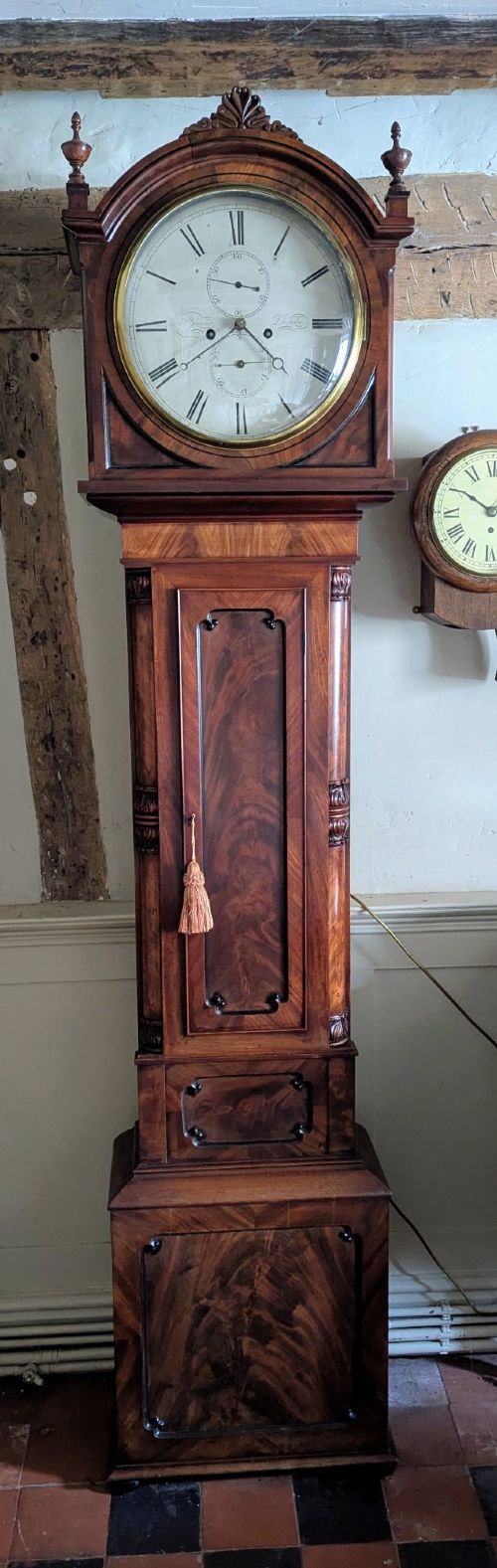
- A circular dial housing positioned atop a tapering wooden trunk, common in Scottish longcase clocks. This form gives the upper section the appearance of a drum mounted on a pedestal.
- Four-glass
- A mantel or desk clock enclosed entirely in glass panels within a brass or gilt frame. This design allows light to pass through and exposes the movement from every angle.
Victorian Clock Case: Frequently Asked Questions
How do I identify a Vienna regulator case?
Vienna regulator wall clock cases are taller and narrower than standard dial clocks, featuring long glass front doors designed to display the pendulum and brass weights.
They often use walnut veneers and architectural mouldings derived from 19th-century Austrian designs.
What timber was used for Scottish longcases?
Scottish longcase clock housings from the period relied heavily on mahogany, sometimes featuring drumhead upper sections or ebonised details.
Regional makers frequently paired these timbers with painted iron dials and local signature plaques.
Are carriage clock cases meant for travel?
Carriage clocks were originally built with robust brass frames and protective glass panels for transit, often accompanied by original leather travel cases.
Their sturdy construction allowed owners to move them between rooms or pack them securely for journeys.
What is a fusee wall clock case?
A fusee wall clock case houses a single-chain or wire-driven movement without a striking train, typically mounted in a circular mahogany or oak frame.
Railway companies and public buildings utilised these simple, clear dial enclosures for accurate timekeeping.