

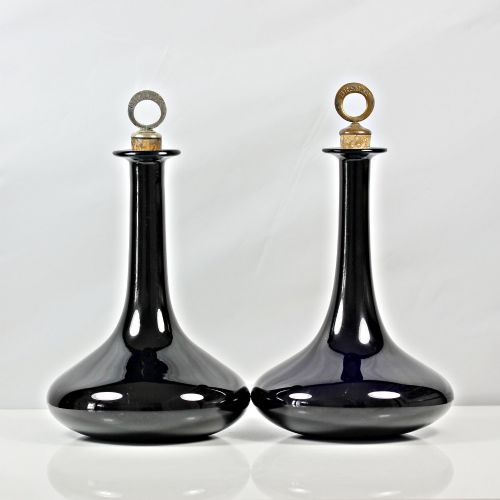
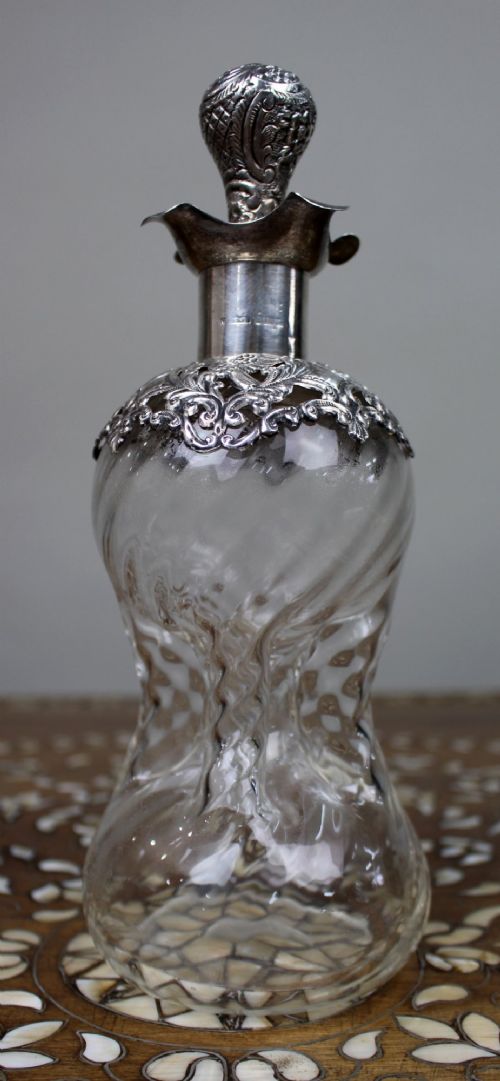
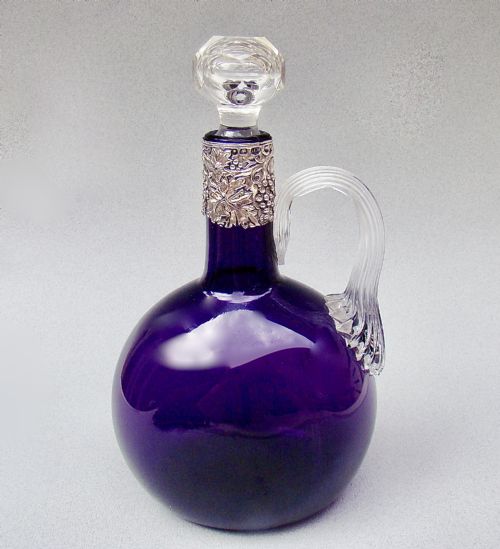
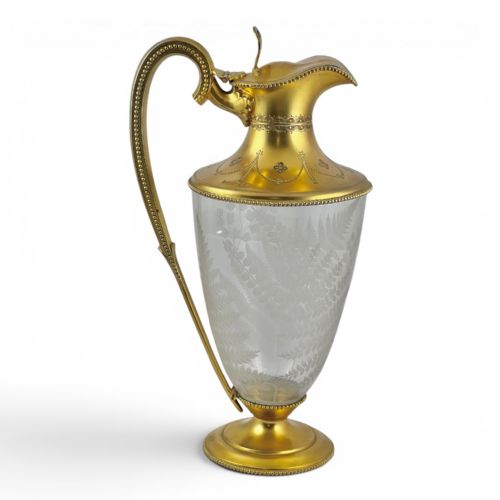



Victorian Claret Glasses
These Victorian claret glasses and associated wine vessels bring period elegance to the table, combining functional glassware with ornate metal mounts.
Victorian Claret Glasses
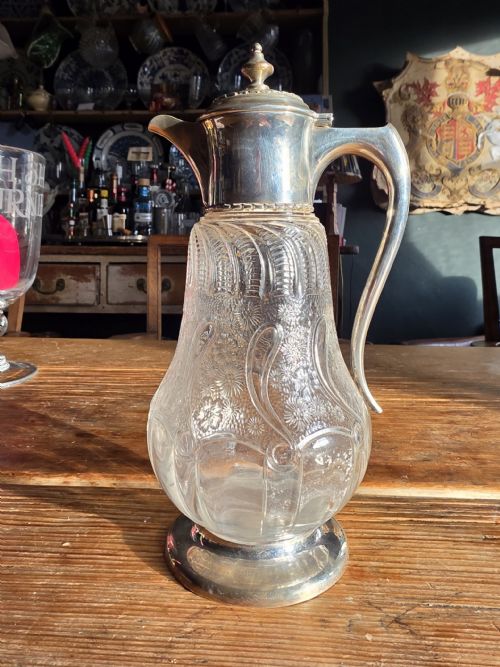
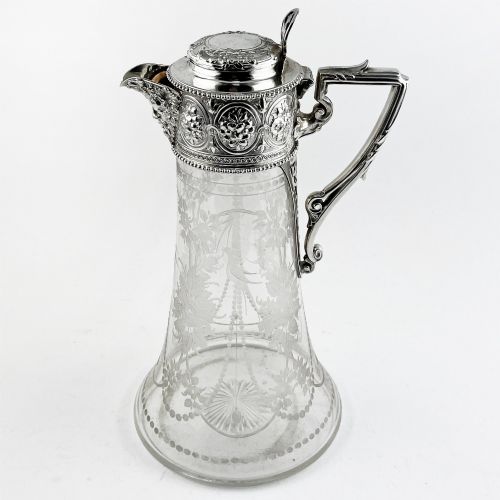
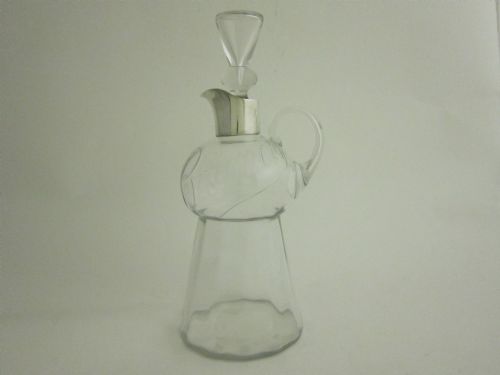
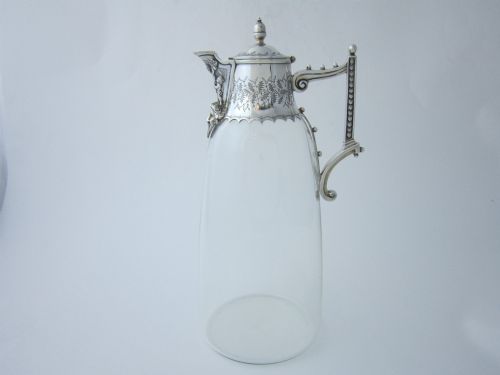
Victorian claret glasses encompass a variety of drinking vessels, wine jugs, decanters, and carafes designed for serving and enjoying wine during the nineteenth century. Buyers searching this phrase encounter predominantly larger serving pieces such as claret jugs, decanters, and ewers mounted in silver, silver plate, or sterling silver alongside occasional sets of drinking glasses.
The objects span multiple decades of the nineteenth century and extend into the Edwardian period, reflecting shifting tastes from formal Victorian design towards Aesthetic Movement and Art Nouveau styles. Forms range from Bristol blue and cranberry glass decanters to Bohemian cut glass wine jugs and vessels adorned with engraved fruiting vines or botanical motifs.
How They Were Made
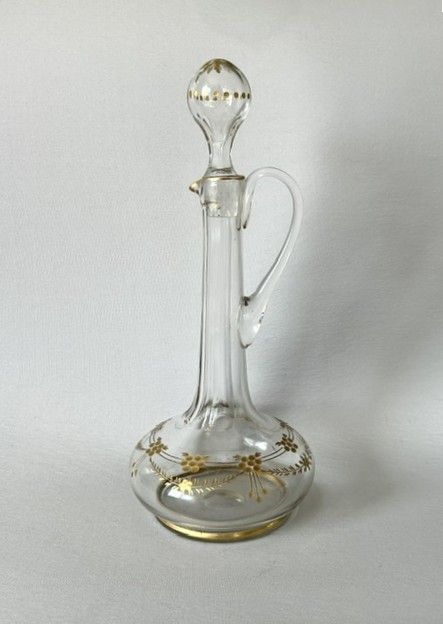
Makers utilised clear glass, crystal, and coloured glass varieties including green, amber, amethyst, and cranberry, frequently applying techniques such as wheel cutting, etching, enamelling, and gilding. Vessels often incorporate flash overlay methods where a coloured glass layer coats a clear core before being cut back.
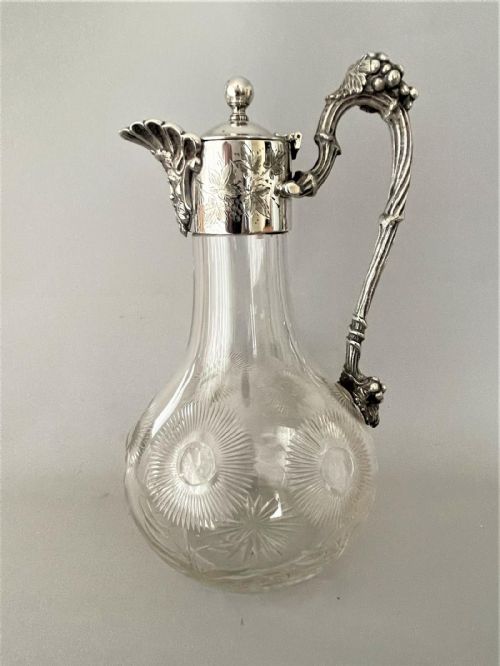
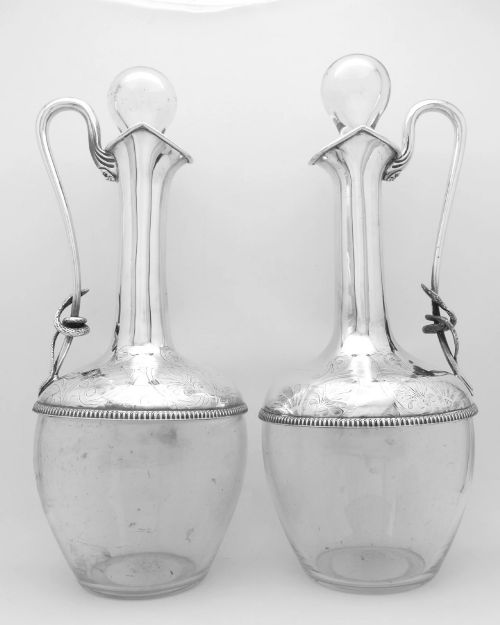
Metal mounts in sterling silver, silver plate, and silver gilt secure the glass bodies, frequently incorporating cast handles shaped as serpents or Bacchus masks. Silversmiths and manufacturers applied hallmarks to metal components, providing verifiable dates and assay office locations.
Some Victorian wine jugs feature fierce serpent handles and smiling Bacchus masks guarding the claret.
What Varies in Quality
Quality rests upon the crispness of the glass cutting, the depth of hand-engraving, and the weight and intricacy of the metal mounts. Superior pieces display finely detailed cast silver handles, substantial crystal bodies, and precise wheel-carved ornamentation rather than superficial surface etching.
The cohesion between glassblower and silversmith determines overall refinement, where bespoke mounts follow the exact contours of the vessel. The distinction between standard silver-plated wares and solid sterling silver or silver-gilt mounts further separates utilitarian items from exhibition pieces.
Asprey and Co. Ltd·Henry Matthews·Mappin and Webb·Richardsons
The Victorian Claret Glasses Glossary
- Claret Jug
- A vessel specifically shaped and mounted for serving claret or red wine at the dining table. These pieces typically feature a hinged lid and a handle attached to a glass body.
- Silver Plate
- A base metal substrate coated with a thin layer of silver. This technique allowed manufacturers to produce elaborate mounts at a lower cost than solid sterling silver.
- Cranberry Glass
- A transparent red-pink glass coloured through the addition of gold chloride into the molten batch. It gained popularity during the Victorian era for tableware and decanters.
- Latticinio
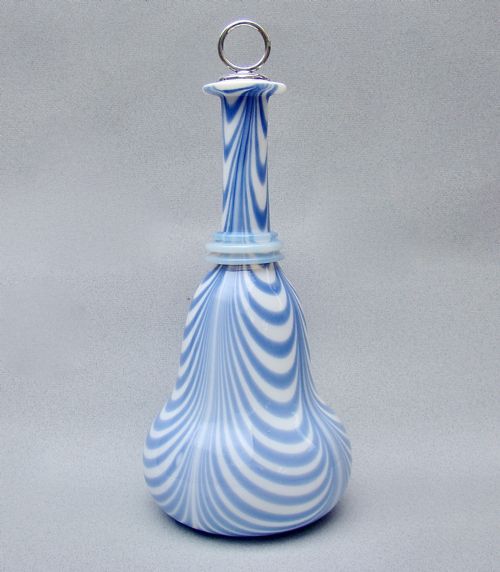
- A decorative glass technique utilising opaque white or coloured glass threads embedded within clear crystal. This method creates delicate latticework patterns inside the vessel wall.
- Silver Gilt
- Sterling silver that has been coated with a thin layer of gold through an electrochemical or mercury gilding process. It provides a rich two-tone finish against clear or coloured glass.
Victorian Claret Glasses: Frequently Asked Questions
How were Victorian claret glasses and jugs used?
These vessels served to decant, aerate, and pour claret and other wines during formal dining services. Hosts utilised them to bring wine from the cellar to the table in decorative style.
The matching glasses accompanied these jugs for individual consumption. Together they formed an essential part of nineteenth century tablescape etiquette.
Are these glass vessels safe for everyday use?
While structurally robust, antique glass benefits from careful handling and hand washing rather than automated dishwashers. The historical metal mounts require gentle cleaning to preserve the original finish.
Using them for modern dining brings historical craftsmanship into daily routines. Owners simply need to avoid thermal shock from extreme temperature changes.
How do I identify the period of a piece?
Silver mounts frequently carry hallmarks indicating the assay office, date letter, and maker's mark. These stamps provide precise chronological markers for the metal components.
Stylistic indicators such as Aesthetic Movement engraving or Victorian Rococo Revival curves offer further clues. Glass manufacturing techniques also evolved across the decades to help date unmarked pieces.
What is the difference between crystal and glass?
Crystal contains added mineral content such as lead oxide that increases the weight, refractive index, and clarity of the material. This composition allows for deeper and sharper wheel-cut decoration.
Standard glass lacks these additives, resulting in a lighter feel and different acoustic resonance. Both materials appear extensively across nineteenth century wine serving vessels.