




Victorian Chromolithographs
Victorian chromolithographs bring multi-coloured historic illustration into a room, offering rich visual records of nineteenth-century subjects from advertising to portraiture.
Victorian Chromolithographs
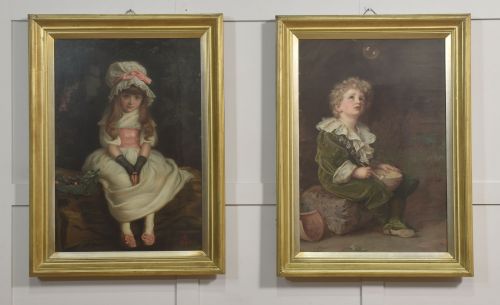
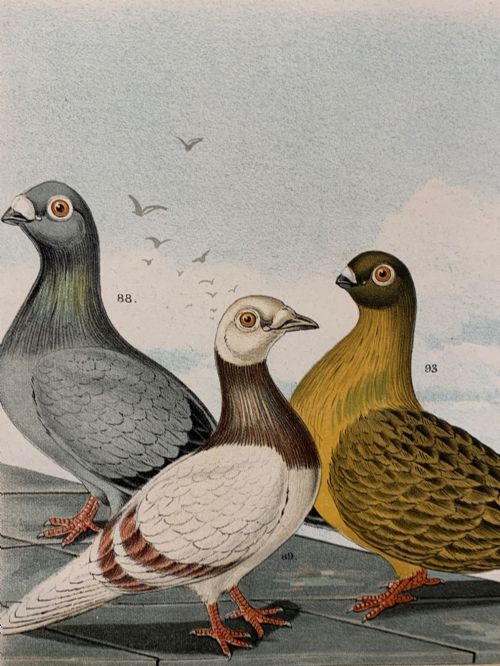
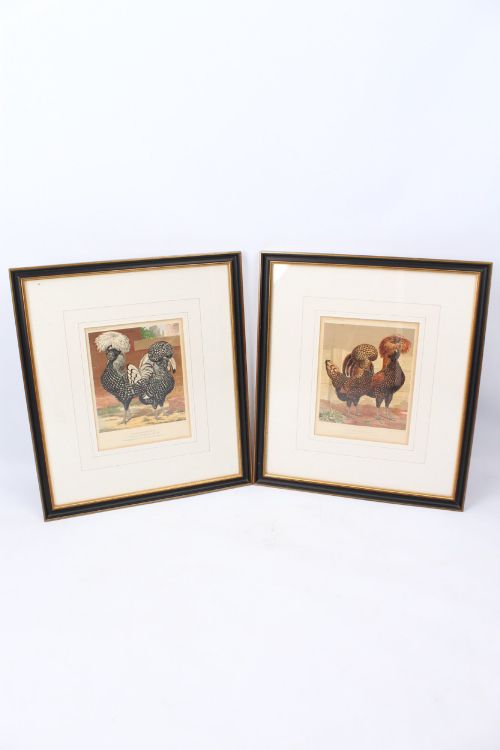
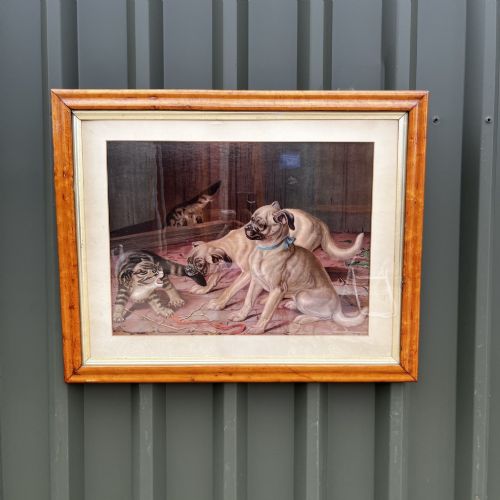
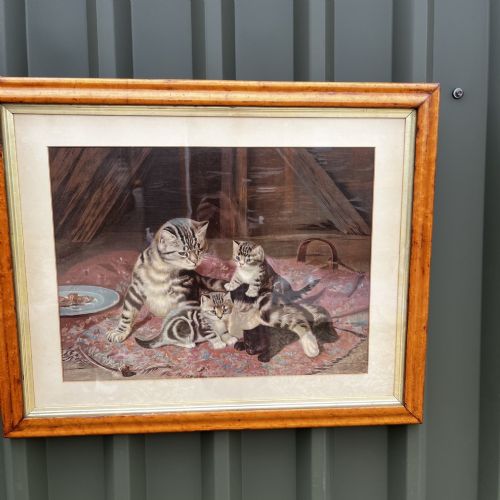
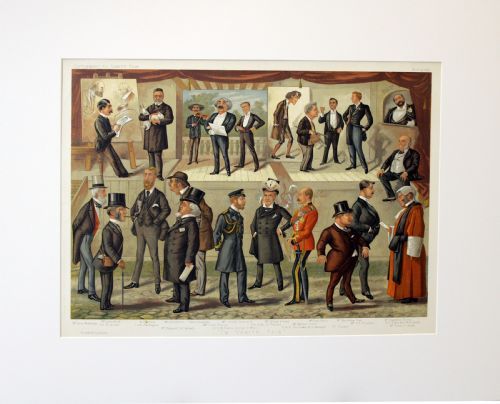
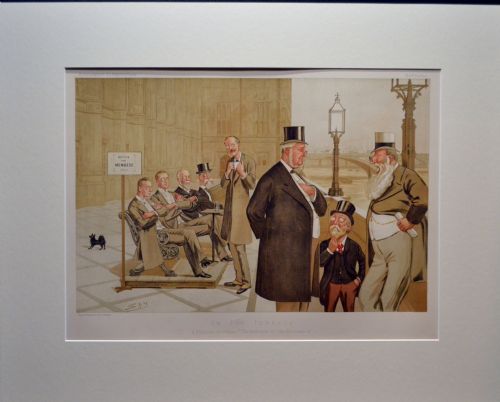
When buyers search for victorian chromolithographs, they encounter framed prints, wall art and antique illustrations originating predominantly from the nineteenth century and the Victorian period. These pieces encompass advertising art, botanical plates, domestic animal scenes and satirical personality portraits.
The versions met most frequently on this page include advertising prints from Pears Soap and satirical caricatures from Vanity Fair. Botanical plates and framed animal studies also appear frequently across the selection.
Formats range from single sheets to double-page spreads, often preserved behind glass within wooden, gilt or mount board frames. Subjects span domestic pets, sports such as cricket and hunting, royalty, and society figures.
How they were made
The production relies on multi-stone lithography utilising ink on paper to build up rich blocks of colour layer by layer. Registration precision determines the crispness of the final image.
Finished plates are frequently mounted on paper, card or mount board, and many examples feature gold leaf accents or gilt highlights. Framing materials include oak and carved wood, sometimes paired with glass protection.
Even Victorian monkeys found their way onto the printing press, proving that Victorian households appreciated a well-dressed primate.
What varies in quality
The standard of a print depends upon the registration of the colour inks and the preservation of the paper support. Sharpness of detail in complex multi-colour compositions separates superior impressions from flat or muddy examples.
Original framing materials, such as period oak and carved wooden surrounds, contribute significantly to the integrity of a piece. The presence of clear publisher text and intact margins preserves the historical context of the work.
Horatio Henry Couldrey·Charles Burton Barber
The Victorian Chromolithographs Glossary
- Chromolithograph
- A multi-coloured print produced using lithographic stones, where a separate stone is used for each ink colour. This technique allows for rich, vibrant hues that mimic oil paintings.
- Vanity Fair print
- A satirical portrait published in the periodical Vanity Fair, often featuring prominent public figures of the era. These plates are known for their caricature style and accompanying biographical sketches.
- Chrystoleum
- A method of applying a hand-coloured paper print to glass, clearing the paper with oil, and painting the reverse to create a dimensional image. These pieces are typically housed in convex frames.
- Mount board
- A heavy cardboard material used to frame and support works on paper. It protects the edges of the print from direct contact with the glass.
- Gilt
- A thin layer of gold applied to wood or metal framing. It provides a reflective decorative border around the artwork.
Victorian Chromolithographs: Frequently Asked Questions
What are victorian chromolithographs?
Victorian chromolithographs are multi-coloured printed images produced in the nineteenth and early twentieth centuries using stone lithography. They capture subjects ranging from household advertisements to social caricature.
These pieces served as popular wall decor and magazine illustrations, reflecting the visual culture of the period through vivid ink applications.
How were they displayed originally?
Many of these prints were issued in periodicals like Vanity Fair or as advertising supplements for companies such as Pears Soap. Households often framed them for domestic display.
Framing materials from the period included carved wood, oak, and gilt surrounds designed to protect the paper and enhance the visual presentation.
How do I care for framed prints?
Protect these pieces from direct sunlight to prevent the ink colours from fading over time. Maintaining stable indoor humidity prevents warping in the paper and the wooden frames.
Keep the glass clean using dry microfiber cloths, avoiding liquid cleaners that might seep behind the frame and damage the paper or mount board.
How do I identify different types?
Examine the surface through a loupe to check for the distinct dot patterns of lithography versus the solid ink blocks of chromolithography. Text margins, publisher stamps, and paper watermarks often provide clues to the publication date.
Subject matter also distinguishes the types, separating satirical personality portraits from botanical studies and commercial advertising art.