


Victorian Chinese Porcelain
Victorian chinese porcelain brings together British domestic taste and Eastern craftsmanship, offering decorative bowls, lamps, and garden seats that transform an interior.
Victorian Chinese Porcelain
When buyers search for victorian chinese porcelain, they encounter a diverse range of objects spanning the nineteenth century, including table lamps, vases, garden seats, and decorative bowls. These pieces often merge traditional Chinese ceramics with Western mounting styles, such as ormolu or brass fittings suited to nineteenth-century drawing rooms.
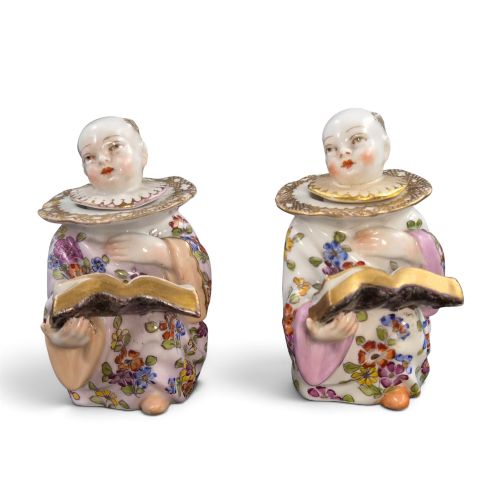
The selection on this page most frequently highlights nineteenth-century Cantonese and Famille Rose ceramics alongside British pottery produced in the Chinese taste. Items range from large centrepiece bowls and ginger jars to converted oil lantern lamps and figural inkwells.
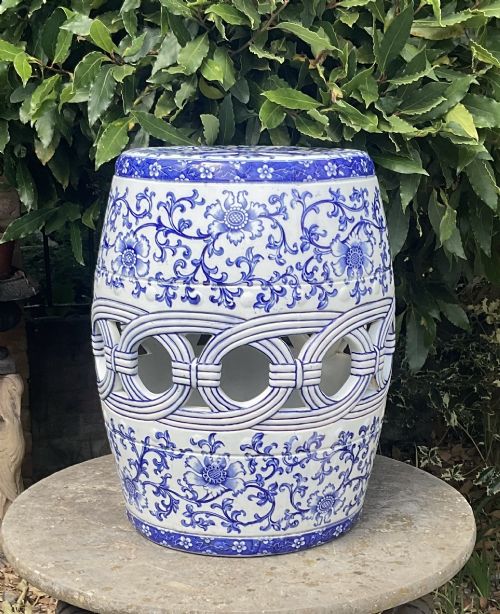
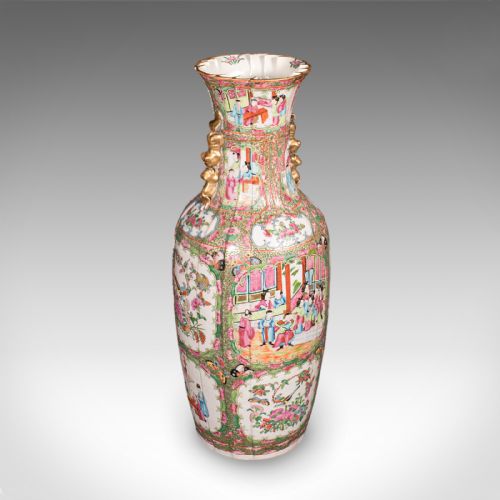
Objects originate from both Chinese export workshops and British factories like Minton, demonstrating how deeply nineteenth-century makers drew upon oriental motifs. Buyers find everything from blue and white prunus blossom vases to heavily enamelled Rose Medallion vessels.
Materials and production methods
The pieces rely primarily on ceramic and porcelain bodies finished with hand-painted enamel, glaze, or blue and white underglaze decoration. Famille Rose and Famille Verte palettes dominate the surface designs, utilising bright pinks, greens, and gilt highlights.
Many nineteenth-century examples incorporate metal mounts, combining porcelain bodies with brass, ormolu, and gold leaf. These metal fittings often turn vases into table lamps or add decorative bases and handles in French Rococo Revival styles.
Listings feature items spanning the 1800s to the Edwardian era, predominantly utilising porcelain, ceramic, ormolu, and brass across Chinoiserie and Qing styles.
Judging quality and execution
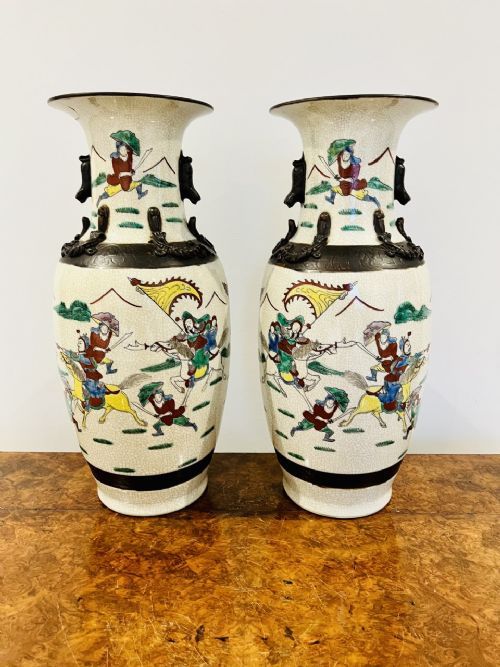
Quality rests heavily on the crispness of the hand-painted enamels and the execution of the glaze, whether cracked, monochrome sang-de-bœuf, or complex floral panels. Finer pieces display meticulous brushwork and vibrant pigments that retain their depth across the ceramic body.
The integration of mountings also separates tiers of production, particularly where ormolu or brass components frame the porcelain. Secure, substantial metalwork cast with careful detail elevates converted lamps, bowls, and vases far above standard utilitarian pieces.
Edmé Samson·Minton
The Victorian Chinese Porcelain Glossary
- Famille Rose
- A palette of opaque enamels dominated by pink or rose colours, introduced to Chinese porcelain during the Qing dynasty. It allowed artists to achieve subtle tonal gradations in floral and figural scenes.
- Ormolu
- Gilded bronze mounts applied to furniture, clocks, and porcelain during the nineteenth century. It provided a heavy, decorative metallic contrast to ceramic bodies.
- Canton
- A major port in southern China responsible for exporting vast quantities of decorated porcelain to Western markets during the nineteenth century. Canton porcelain is frequently characterised by densely painted panels of figures, birds, and flowers.
- Prunus Blossom
- A decorative motif depicting the winter-flowering plum tree, commonly rendered in blue and white on ginger jars and vases. It symbolised resilience and endurance in traditional Chinese art.
- Sang-de-Bœuf
- A rich ox-blood red glaze developed in Chinese kilns, prized for its deep colour and mottled variation. Nineteenth-century makers frequently adapted this glaze for decorative vases and candelabra.
Victorian Chinese Porcelain: Frequently Asked Questions
What is victorian chinese porcelain?
Victorian chinese porcelain encompasses decorative and functional items imported from China during the nineteenth century, alongside British ceramic interpretations made in the Chinese taste.
These objects range from Cantonese export bowls and Famille Rose vases to garden seats and table lamps mounted in ormolu.
How were these pieces used?
In nineteenth-century homes, these ceramics served primarily as display items to signal worldly taste and an appreciation of global trade. Many were also adapted for domestic utility, functioning as centrepiece bowls, inkwells, jardinieres, or later converted into oil and electric lamps.
Garden seats found placement both indoors in conservatories and outside on terraces, while platters managed serving duties during formal dining.
How do I style these pieces at home?
These ceramics work effectively as focal points in both traditional and contemporary interiors, where their rich glazes and hand-painted details introduce texture and colour. Large bowls anchor sideboards or tables, while matched pairs of vases or lamps bring symmetry to mantelpieces.
Mixing blue and white porcelain with Famille Rose enamels creates visual depth without requiring strict period matching.
How do I tell periods apart?
Differentiating periods relies on examining the character of the glaze, the style of the hand-painting, and any accompanying metal mounts. Nineteenth-century export pieces often feature heavy ormolu fittings cast in Rococo Revival styles alongside vibrant enamel palettes.
British-made pieces in the Chinese taste, such as those from Minton, typically exhibit standard European pottery marks and paste bodies distinct from traditional Chinese porcelain.