

Victorian China Cupboard
A victorian china cupboard brings architectural timber and glazed display into the domestic interior.
Victorian China Cupboard
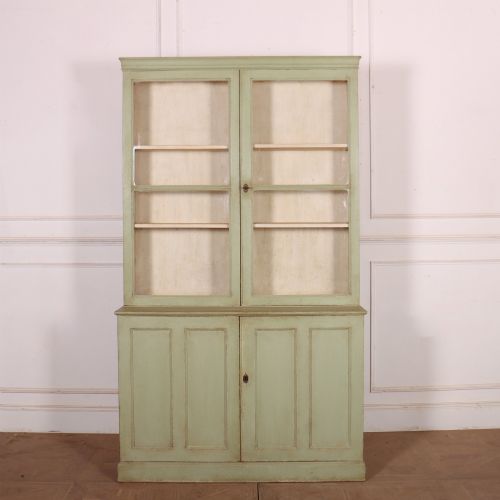
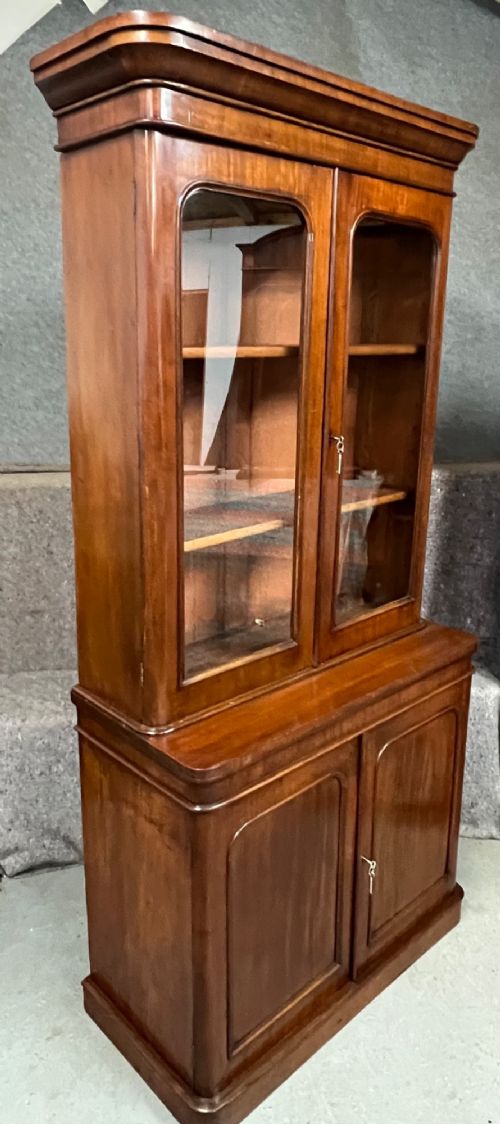
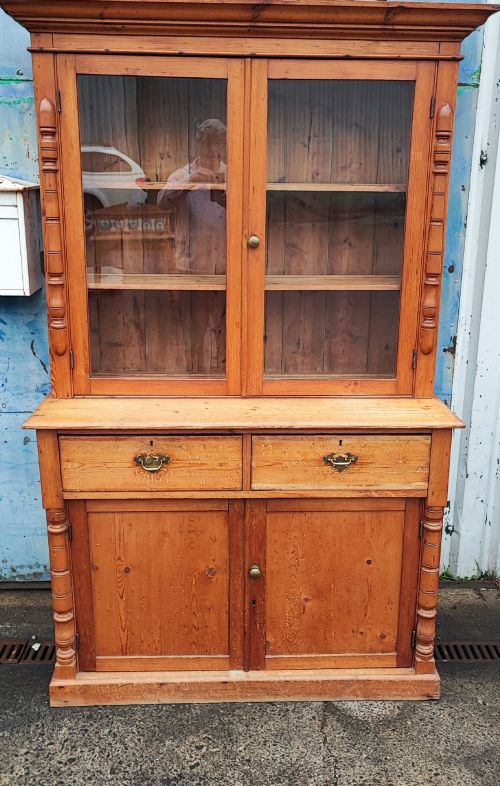
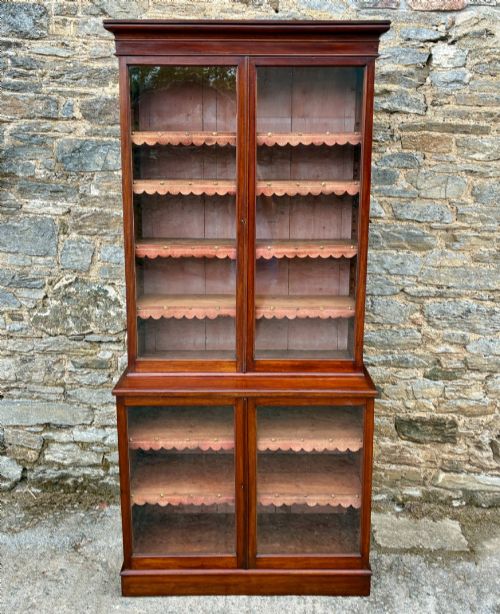
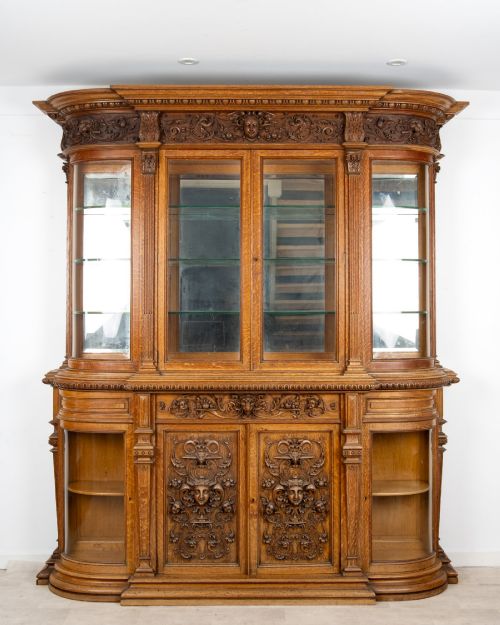
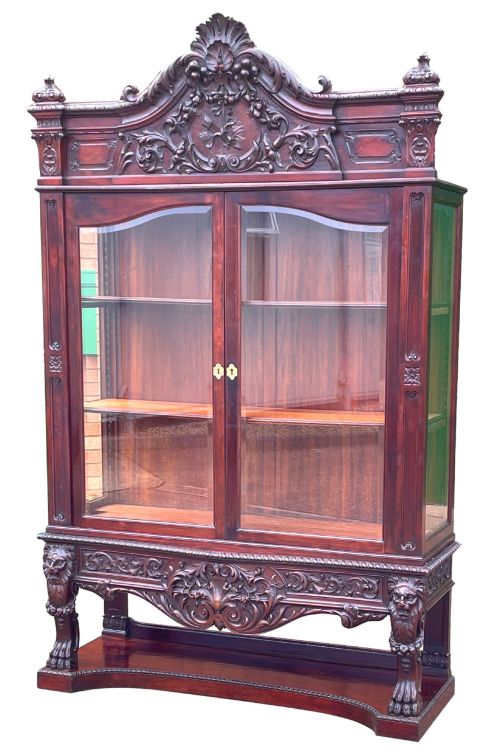
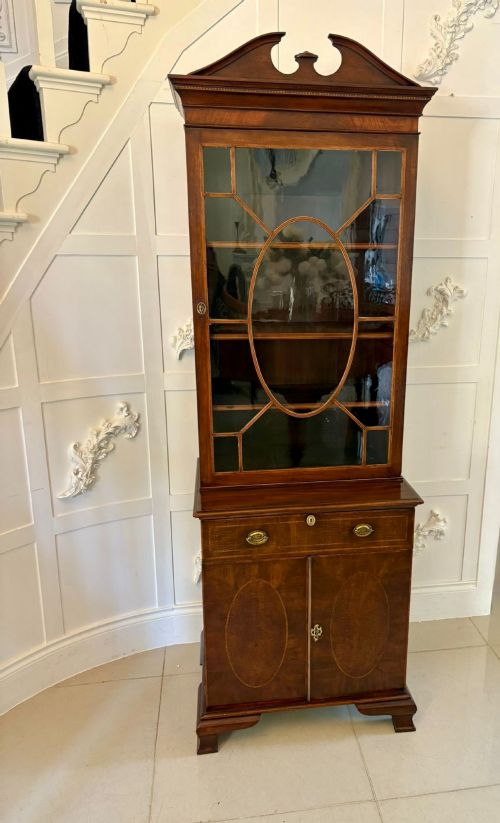
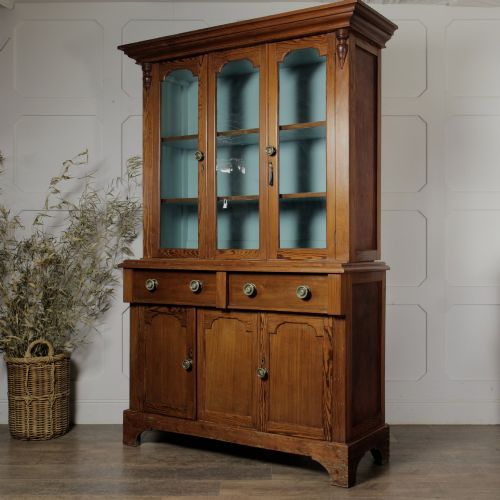
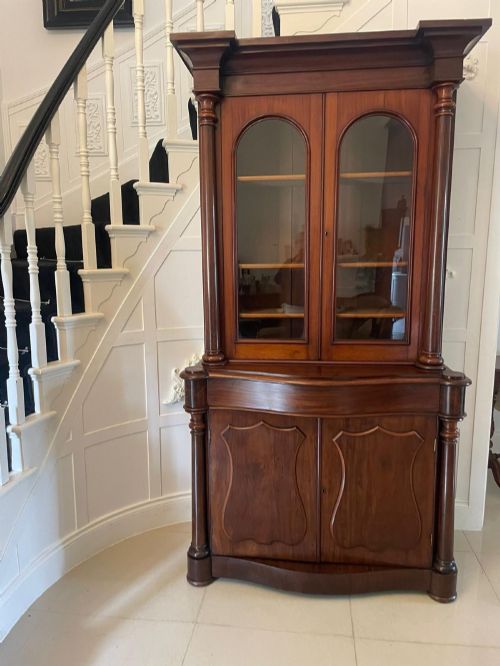
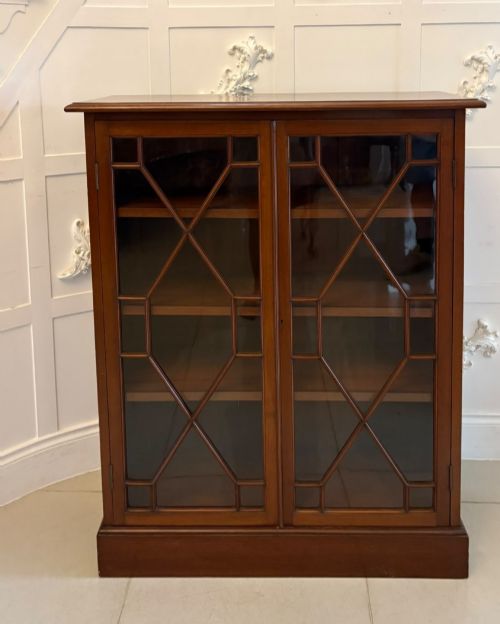
A victorian china cupboard is primarily encountered as a mahogany bookcase, display cabinet, or glazed cupboard produced during the nineteenth century. These pieces combine upper glazed shelving for display with lower enclosed storage, appearing in both formal cabinet timbers and vernacular painted or waxed pine.
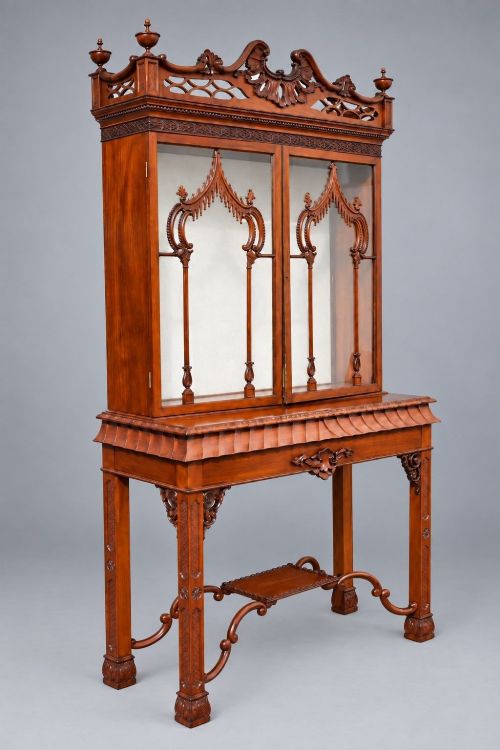
The selection ranges from substantial breakfront bookcases and Welsh dressers to compact pier cabinets and corner units. Revival styles dominate the production, including Sheraton Revival, Chippendale Revival, and Gothic Revival interpretations applied to standard domestic storage forms.
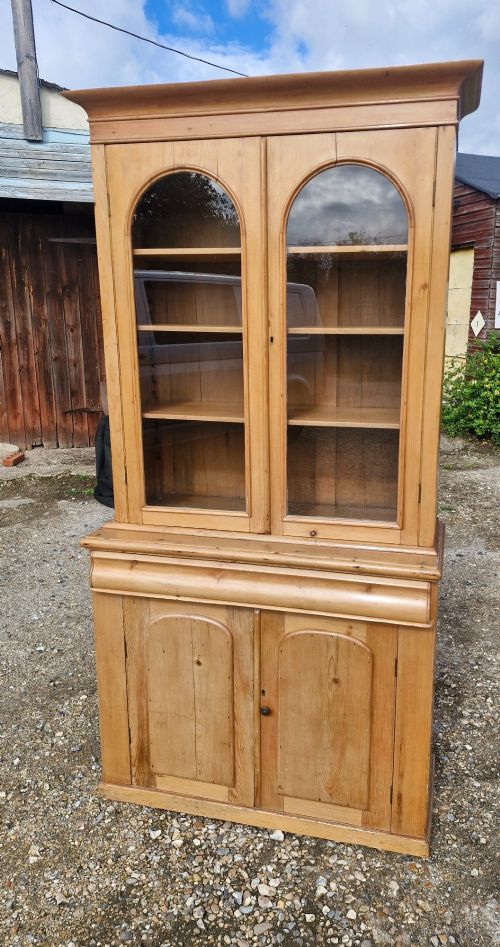
Makers utilised various regional timbers to construct these cabinets, tailoring the finish to the intended room in the house. Formal reception rooms received mahogany, satinwood, and walnut with inlaid details, while kitchens and less formal spaces relied on pine and oak.
Timber and construction
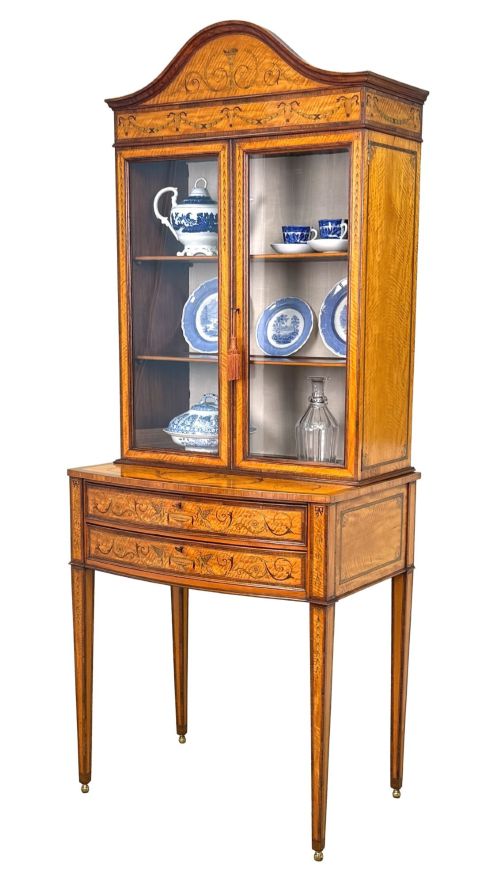
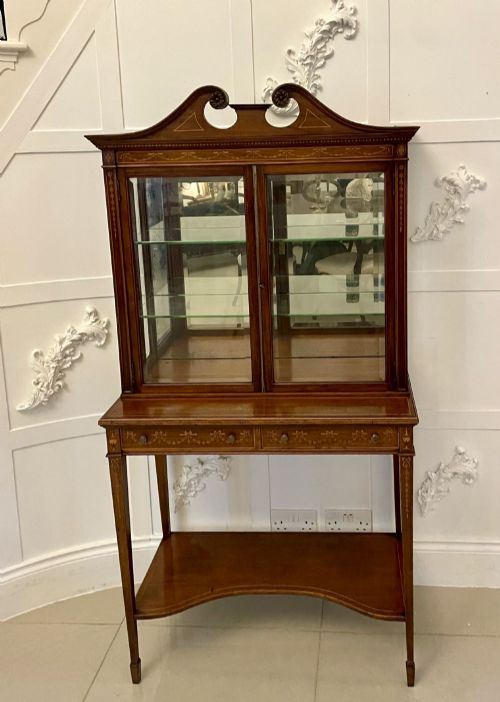
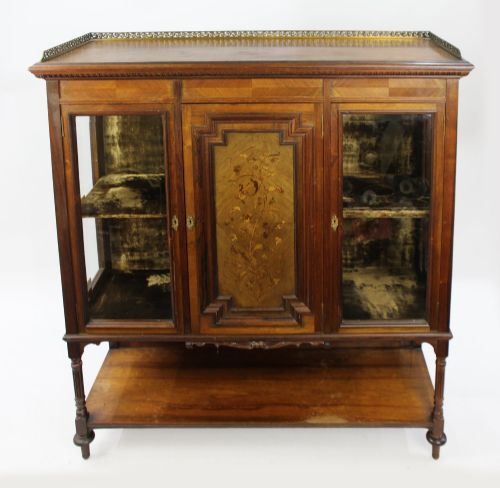
Makers constructed the primary carcass using solid mahogany, oak, or pine, frequently applying fine satinwood or marquetry veneers to display surfaces. Glazed doors incorporate timber glazing bars, sometimes arranged in astragal patterns, paired with brass hardware and mirrored backing panels.
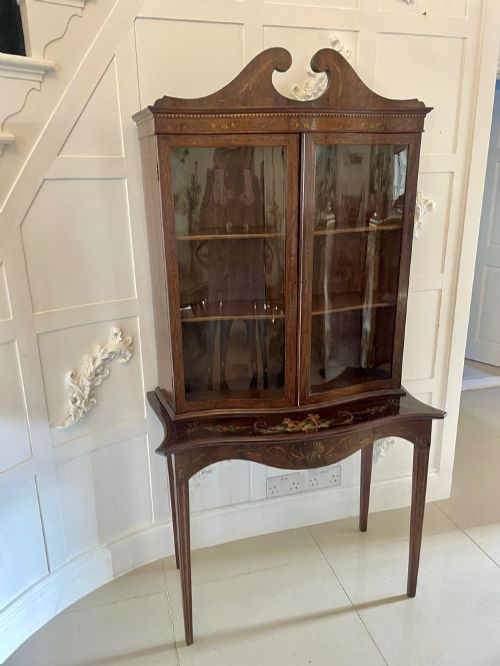
Surface treatments vary from waxed and stripped pine finishes to polished mahogany with original painted decoration or marquetry details. Structural elements rely on traditional joinery methods suited to heavy domestic furniture, supporting extensive shelving within glazed upper sections.
Victorian China Cupboard Retail Price Guide 2026
Typical asking prices for victorian china cupboard among the pieces listed under this phrase on Sellingantiques today, from the lower quarter to the upper quarter. They describe what is for sale here now, not the wider market.
Listings feature mahogany, satinwood, pine, oak, and birch timbers alongside glass, brass, mirror, and fabric elements across the nineteenth century.
Assessing the craftsmanship
Quality in a victorian china cupboard rests on the selection of timber veneers, the precision of inlay work, and the crispness of any carved elements. Finer examples display figured mahogany or satinwood paired with delicate marquetry, whereas utilitarian pieces rely on simple pine or oak boards.
The sophistication of the glazing bars and the inclusion of original painted decoration or mirrored glass elevate a piece from standard utility storage to high cabinetmaking. Internal fittings, drawer construction, and the integrity of the original brass hardware further distinguish workshop production.
Edwards & Roberts·Jas Shoolbred
The Victorian China Cupboard Glossary
- Astragal
- A small convex moulding used to divide panes of glass in a door or window. These mouldings form geometric grids across the front of glazed bookcases.
- Marquetry
- Decorative veneer work formed by fitting together small pieces of coloured wood, ivory, or shell to create pictorial patterns. It appears frequently on satinwood and mahogany cabinet doors.
- Breakfront
- A piece of furniture where the central section projects forward from the flanking wings. This architectural arrangement creates depth and visual variety on large bookcases.
- Pier cabinet
- A low, narrow cabinet designed to stand against the solid wall space between windows. These pieces often feature glazed doors for the display of ceramics.
- Glazed cupboard
- A storage piece featuring glass-fronted doors intended for the safe viewing of contents. They form the primary structural basis for nineteenth-century display furniture.
Victorian China Cupboard: Frequently Asked Questions
What woods were used for a victorian china cupboard?
Cabinetmakers employed mahogany, satinwood, walnut, and oak for formal domestic pieces intended for principal living rooms. Utility versions and kitchen furniture relied on regional pine.
Finer examples combined primary structural timbers with exotic veneer panels and marquetry inlay. Secondary woods like pine frequently form internal drawer linings and backboards.
How do I distinguish early and late pieces?
Early examples from the mid-nineteenth century often display simpler structural lines and heavier solid timber construction in mahogany or pine. Late nineteenth-century pieces frequently embrace revival styles with complex veneer work and delicate inlay.
Stylistic shifts toward Sheraton Revival and Art Nouveau aesthetics appear increasingly in pieces produced toward the end of the century. The use of lighter satinwood veneers also gains prominence in later decades.
Were these cabinets meant for dining rooms?
These cupboards served primarily in dining rooms and drawing rooms to store and display valuable ceramics, glass, and household silver. Glazed doors protected delicate items from dust while keeping them visible.
Larger variants incorporating dressers and hutches functioned within domestic kitchens and pantries for everyday crockery storage. Corner units utilised dead space in smaller rooms for similar display purposes.
How should I care for a waxed pine interior?
Waxed pine surfaces require periodic application of traditional furniture wax to maintain the moisture content of the timber and prevent drying. Avoid placing these cabinets in direct sunlight or near heat sources.
Interior painted finishes and glass panels need gentle cleaning with dry or slightly damp cloths without harsh chemical solvents. Ensure shelves are not overloaded to protect historic timber joints.