
Victorian Chest on Chest
When you search for a victorian chest on chest, you enter a world of towering storage pieces built to command grand nineteenth-century chambers.
Victorian Chest on Chest
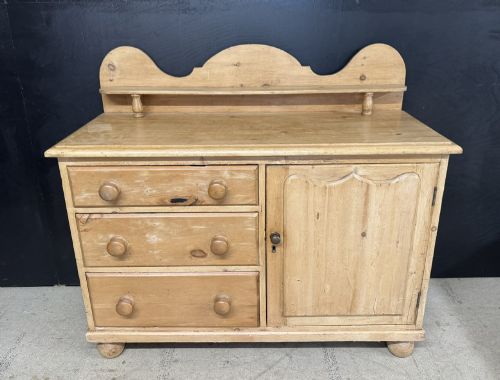
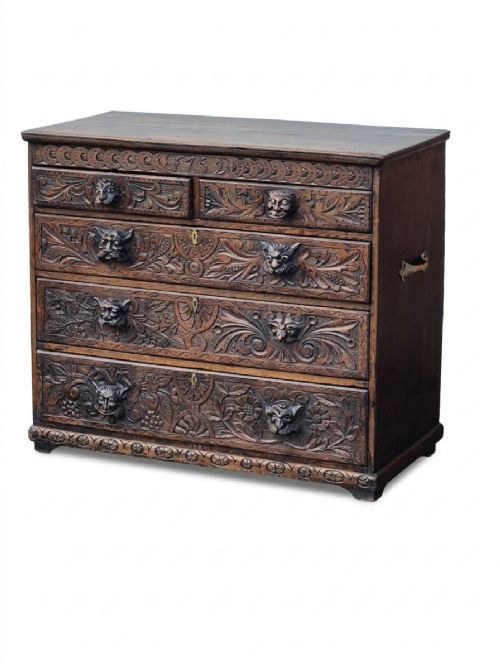
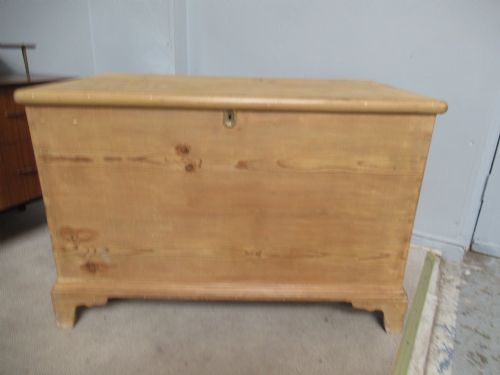
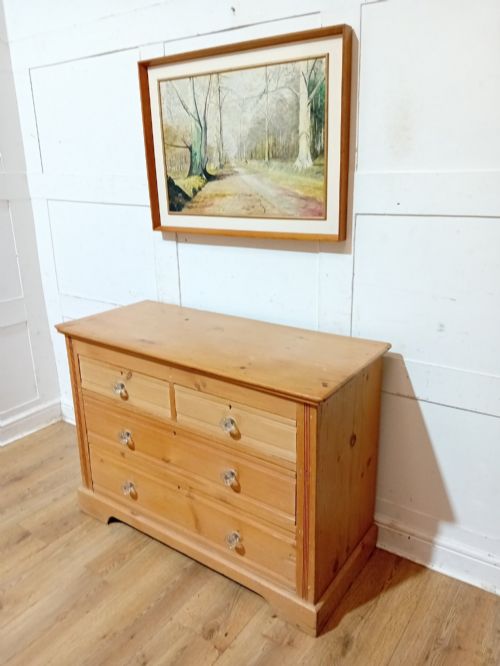
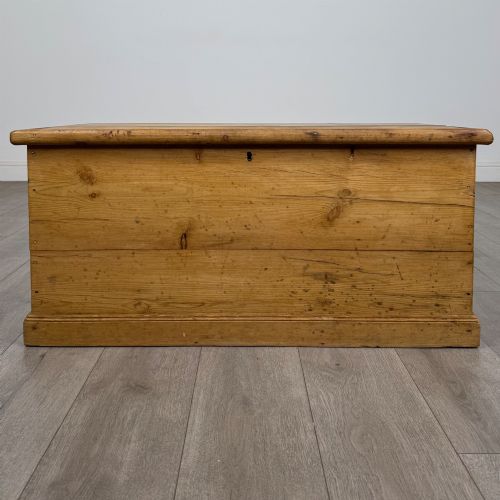
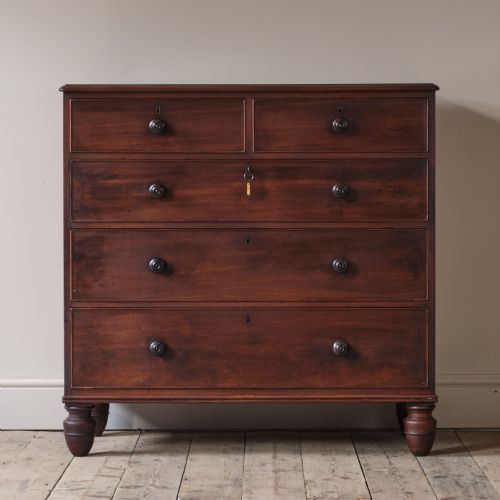
A victorian chest on chest typically combines a taller upper carcase set directly upon a slightly wider lower section, creating an imposing stacked silhouette designed for maximum chamber storage. Buyers encounter various interpretations spanning the nineteenth century, including substantial mahogany designs and more utilitarian pine examples.
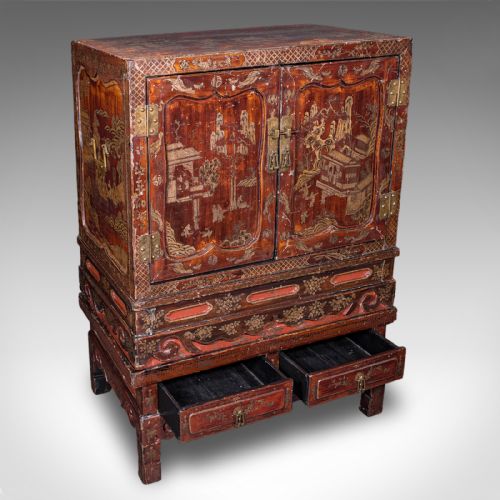
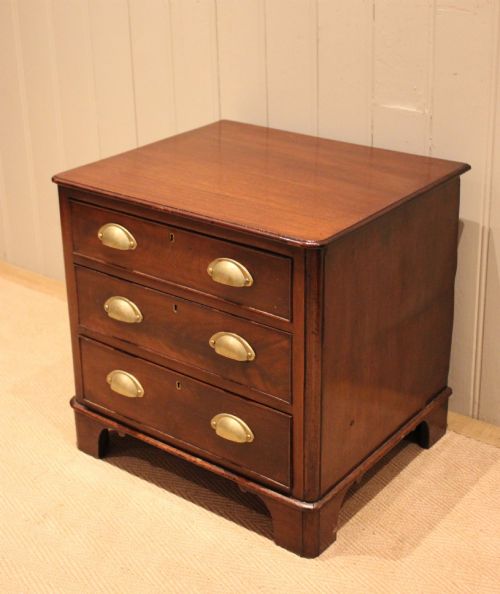
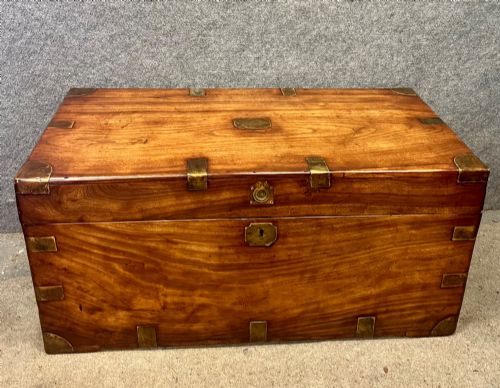
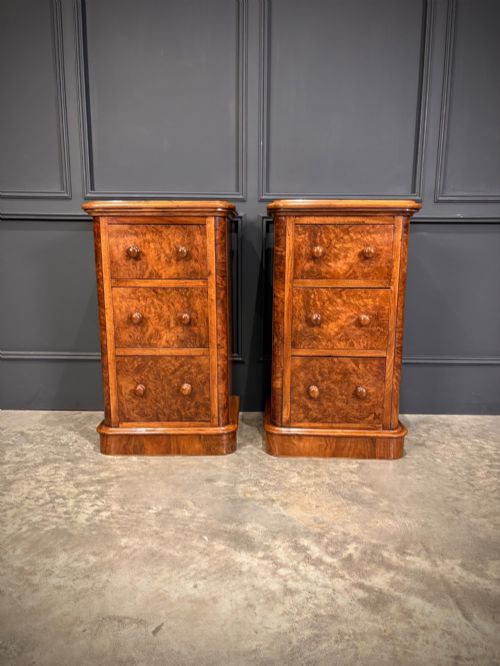
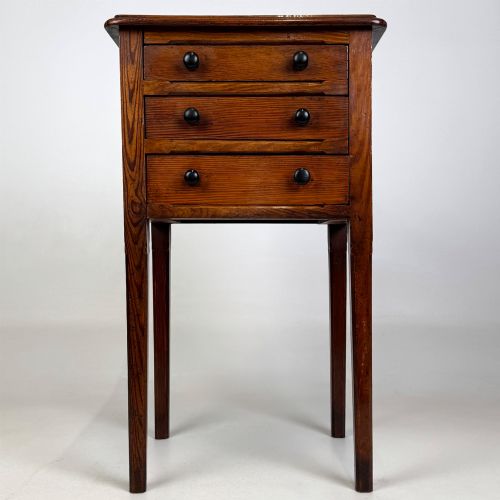
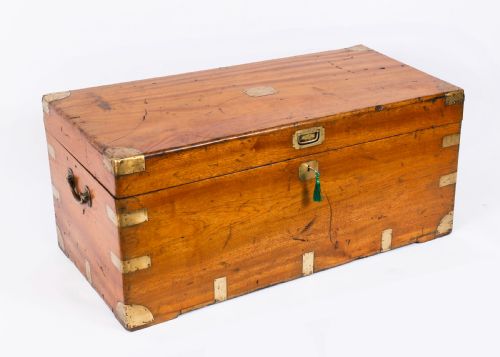
The selection ranges from classic bow front configurations to compact bedside chests and specialised campaign trunks adapted for travel. Cabinet makers utilised dense timbers and traditional joinery to construct these substantial double-tiered storage units.
Materials and Construction
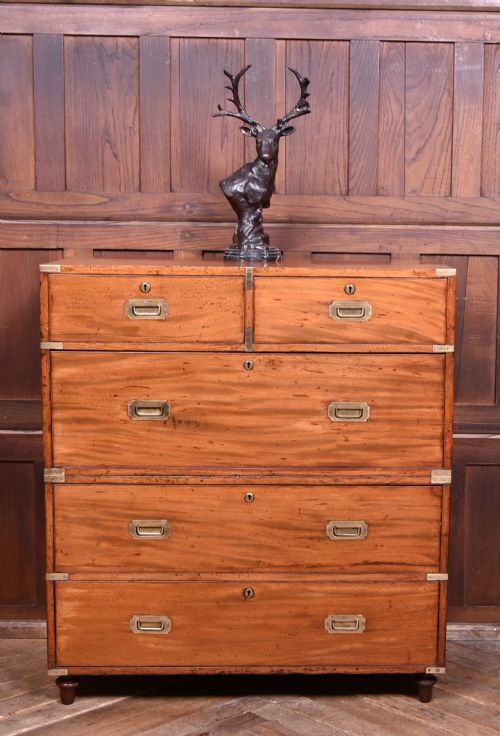
Cabinet makers relied heavily on rich hardwoods such as mahogany and burr walnut for formal domestic pieces, often highlighting natural flame grain patterns across the drawer fronts. Pine served as a primary material for country pieces and secondary carcase linings, while brass featured prominently on military campaign variations for corner braces and flush handles.
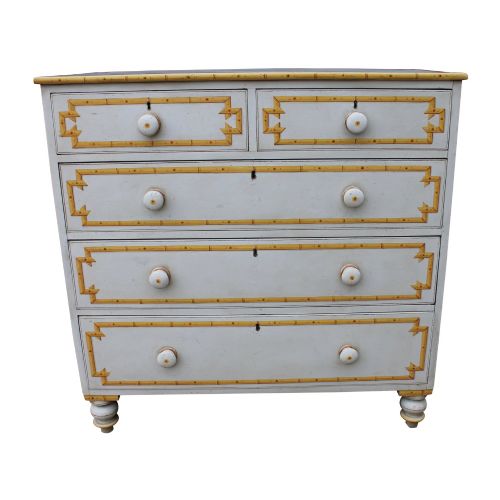
Joinery methods involved precise dovetailing for drawers and robust internal framing to support the heavy stacked sections. Surfaces received hand-applied finishes, polish, or stencilling depending on whether the destination was a formal parlour or a provincial bedroom.
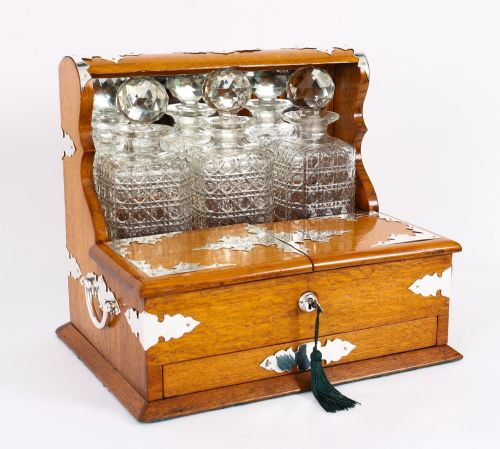
Some nineteenth-century chests feature hidden compartments secretly tucked behind sliding panels for storing sovereigns.
Craftsmanship and Proportion
Superior examples display carefully matched timber veneers, such as figured mahogany or burr walnut, carried seamlessly across multiple drawer tiers. The balance of proportions, integrity of original handles, and crispness of carved details separate standard utility storage from exceptional cabinet work.
Druce and Co·T and G Seddon·Hall and Co·Armstrong Manchester
The Victorian Chest on Chest Glossary
- Campaign chest
- A portable storage unit made in two or more sections with recessed brass handles, designed for military officers on the move.
- Wellington chest
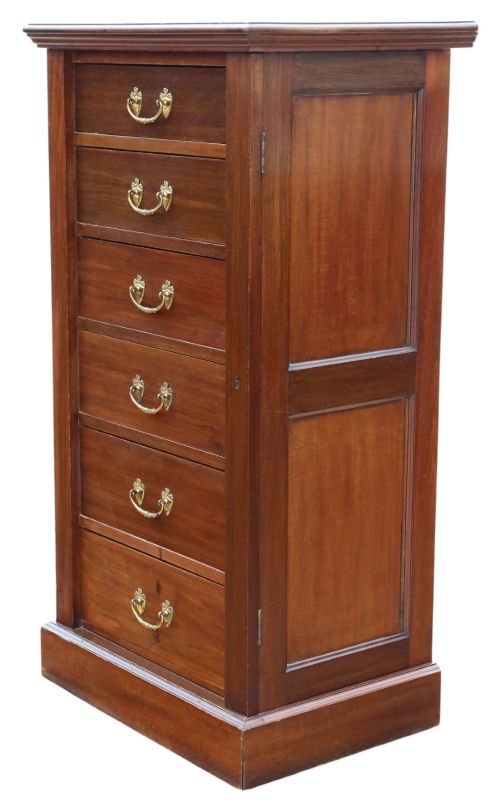
- A tall, narrow chest of drawers secured by a single locking hinged vertical side flap.
- Secretaire
- A desk disguised as a chest drawer, featuring a drop-front writing surface concealing smaller compartments.
- Bow front
- A convex curved drawer front projecting outward, popular during the nineteenth century to soften rigid room angles.
- Linen press
- A tall cabinet enclosing sliding shelves or trays for textiles, often sitting above a base of wider drawers.
Victorian Chest on Chest: Frequently Asked Questions
How do I fit a tall chest into a modern bedroom?
These stacked storage units offer a remarkably small floor footprint relative to their immense vertical capacity. Measure your ceiling height carefully before placing a tall carcase.
Anchor the upper section securely to the wall to prevent tipping, particularly when dealing with heavy nineteenth-century hardwood timber.
What is the difference between a standard chest and a campaign chest?
Standard domestic chests remain stationary and feature decorative wooden or glass pulls. Campaign pieces use brass binding and flush handles for transport.
Military chests split into two separate modular sections for ease of travel across distant territories.
How should I care for nineteenth-century wood finishes?
Apply traditional beeswax sparingly with a soft cloth to nourish dry timber and maintain a natural sheen. Avoid placing antique pieces near direct heat sources or strong sunlight.
Dust regularly with a dry cloth to protect the historic polish from abrasive particles.
How do I identify a secretaire drawer?
Pull the specific upper drawer front forward to reveal a hinged writing surface that drops down. Inside you will find small pigeonholes and tiny accessory drawers for correspondence.
This clever dual-purpose design allowed Victorians to write letters without requiring a separate bulky desk.