


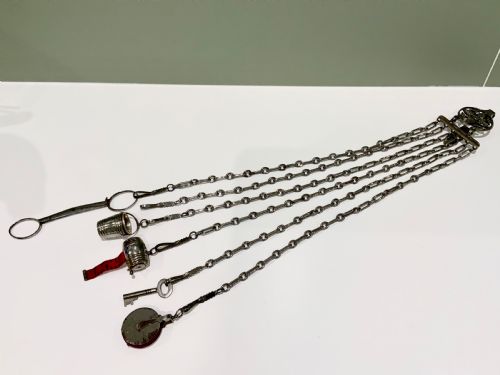


Victorian Chatelaine Accessory
These nineteenth-century pieces of a victorian chatelaine accessory offer a fascinating glimpse into period utility, bringing functional elegance directly to the belt.
Victorian Chatelaine Accessory
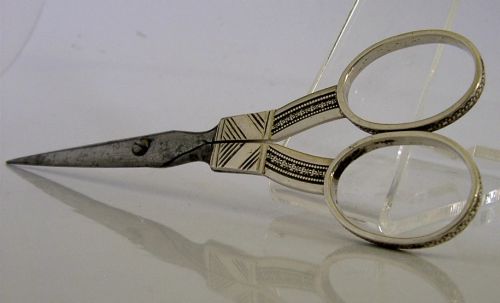
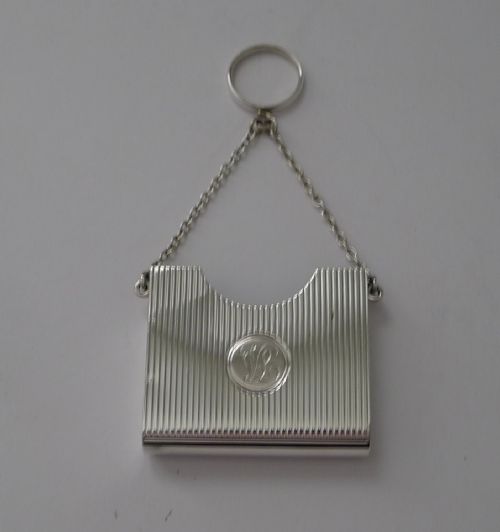
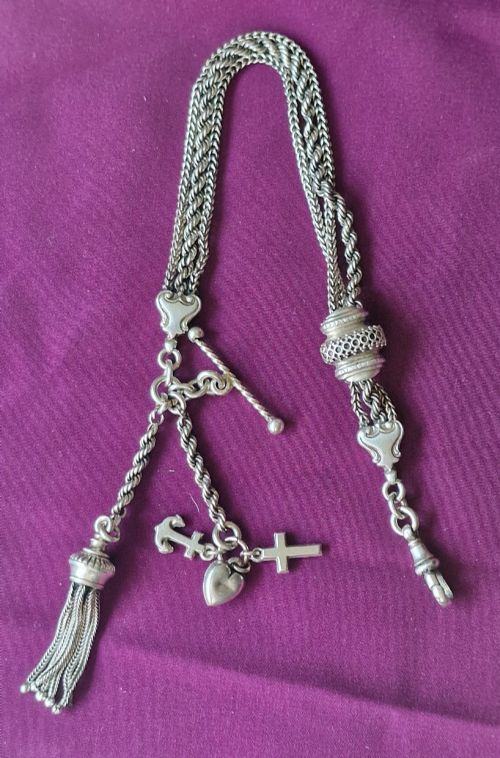
A victorian chatelaine accessory encompasses a diverse array of suspended items, ranging from needlework sewing scissors and prayer book holders to scent bottles, purses, and pin cushions. These pieces reflect the daily domestic and personal requirements of the nineteenth century, designed to hang conveniently from a waist clip or belt.
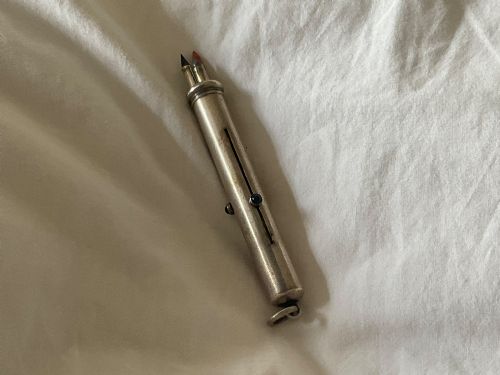
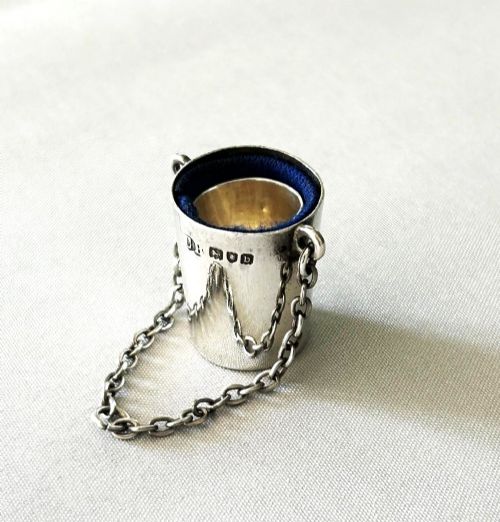
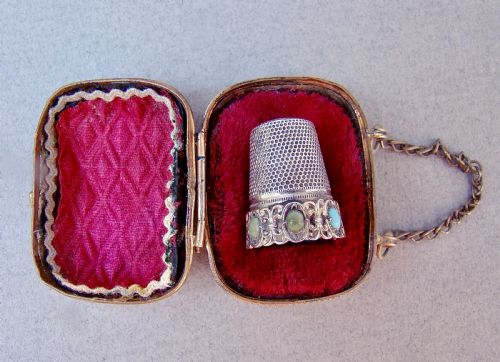
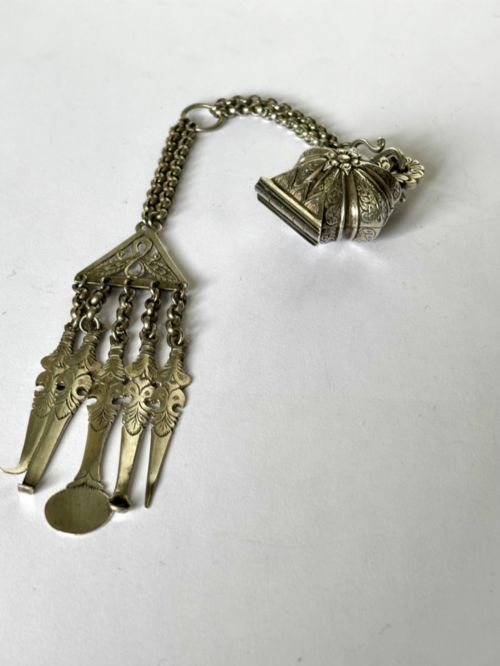
The selections encountered here span from mid-century examples through to the close of the 1900s, incorporating distinct regional influences such as Dutch and French designs alongside British craftsmanship. Formats vary from individual tools like propelling pencils and thimble buckets to complete multi-tool chatelaines with hanging implements.
Finding the right victorian chatelaine accessory involves appreciating both standalone items intended for suspension and the intricate individual components that once formed part of a larger ensemble. Each object demonstrates the period's preference for combining decorative appeal with practical everyday utility.
Assessing Quality and Craftsmanship
Superior quality in a victorian chatelaine accessory reveals itself in the crispness of chased decoration and the structural integrity of moving parts like hinged lids, scissor pivots, and detachable clasps. Finer examples display meticulous attention to detail on both visible surfaces and concealed interiors.
The integration of specialised materials, such as enamelled satin glass or matched gemstone settings, elevates certain pieces above standard production work. Maker attribution through clear hallmarks also distinguishes notable workshops from anonymous output.
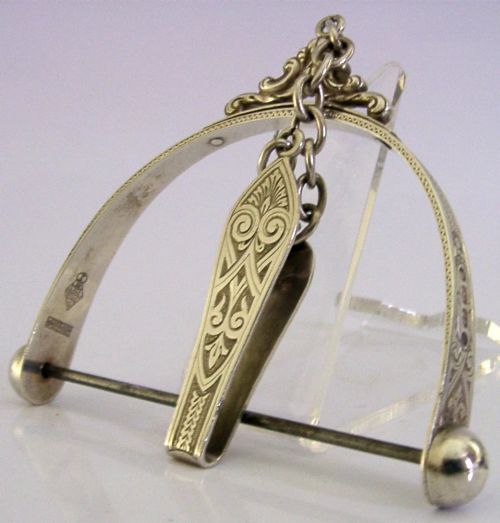
Some Victorian ladies relied on tiny mechanical skirt lifters dangling from their belts to navigate muddy puddles with immaculate grace.
Sampson Mordan·Charles Horner·Wright & Davies
The Victorian Chatelaine Accessory Glossary
- Chatelaine
- A decorative belt hook or clasp worn at the waist from which suspended chains carry various small domestic and personal tools. It served as both a practical utility belt and a status symbol for Victorian women managing a household.
- Vinaigrette
- A small ornamental box featuring an internal pierced grille, designed to hold a sponge soaked in aromatic vinegar or smelling salts. These were commonly carried to ward off unpleasant odours.
- Ormulu
- Gilded bronze or brass applied to decorative mounts, frames, and cases during the nineteenth century. It provides a rich golden appearance that complements silver and glass elements.
- Skirt Lifter
- A mechanical device designed to raise the hem of a heavy Victorian skirt off the ground while walking outdoors. They typically attach to a chatelaine via a chain or cord.
- Vesta Case
- A small pocket container specifically made for holding safety matches, often fitted with a striking surface on the base. They frequently feature detailed silver engraving.
Victorian Chatelaine Accessory: Frequently Asked Questions
How do I identify French nineteenth-century pieces?
French pieces often incorporate distinct materials like ormulu mounts, satin glass, and stone settings alongside characteristic decorative motifs. They frequently show different touchmarks compared to British silver.
Examining the construction style and secondary materials generally reveals the continental origin.
Are these accessories meant to be worn?
While historic pieces were designed for active daily wear on a belt, modern collectors often display them as cabinet pieces. Their delicate mechanisms and historic textiles require gentle handling.
If worn, secure attachment to a sturdy belt or waistband is essential to prevent loss.
How do I date Victorian silver items?
Dating relies heavily on official hallmarks stamped into the silver, which indicate assay offices and specific years of production. Stylistic clues and patent dates also help narrow down the timeframe.
Comparing the form against known maker timelines provides a reliable guide to the period of manufacture.