


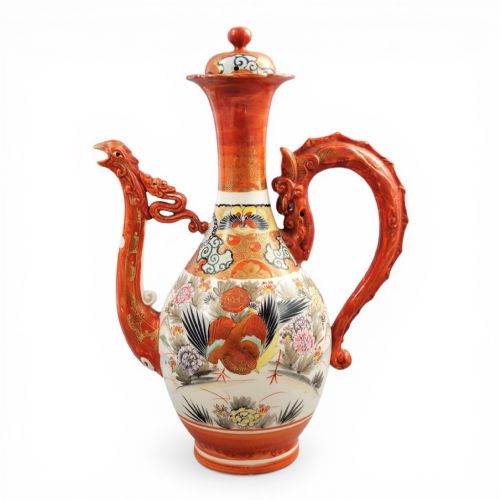


Victorian Ceramic Water Ewer
A victorian ceramic water ewer is a pouring vessel for washstands and display, prized for its sculptural form and glazed finish.
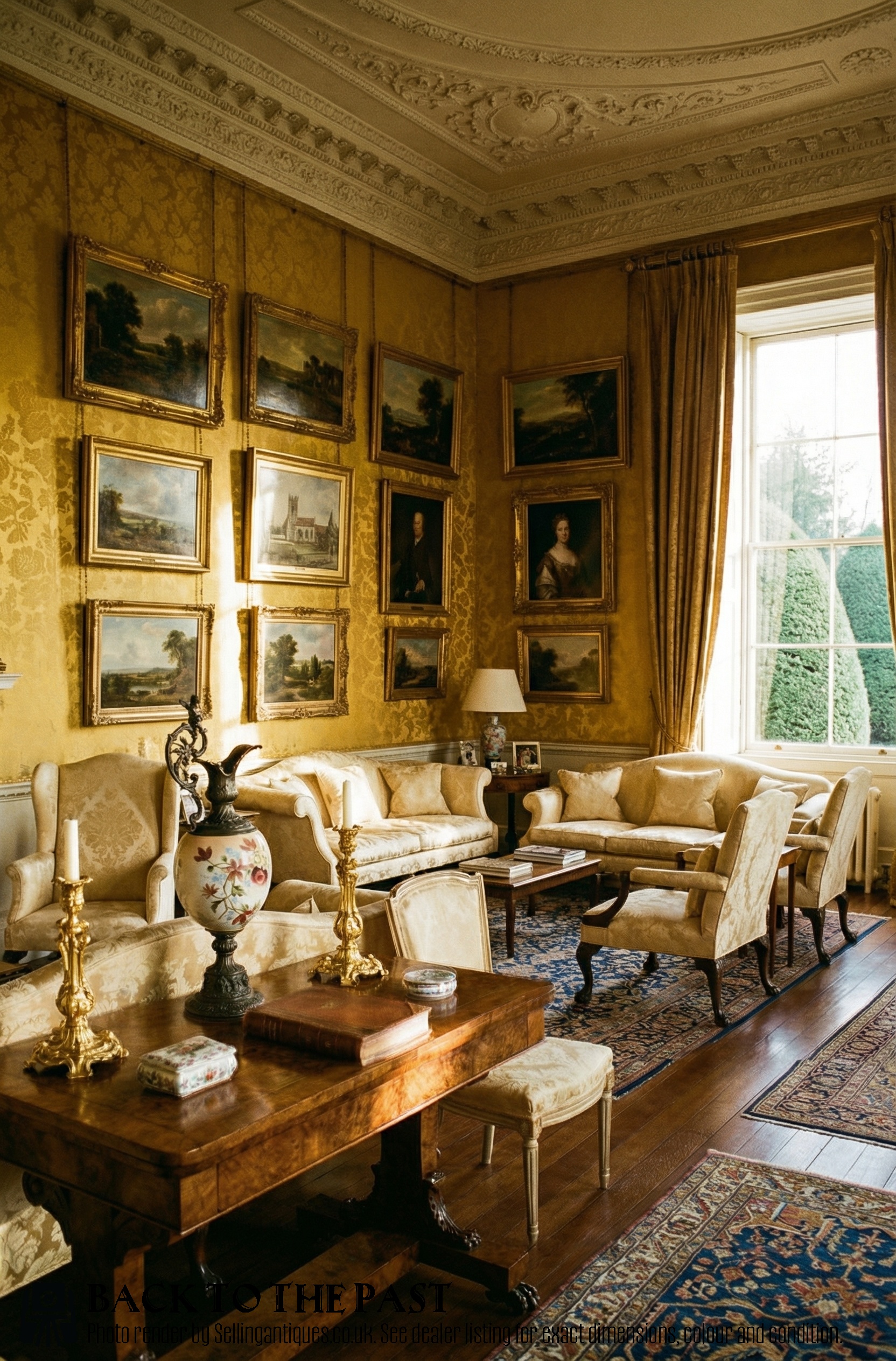
Victorian Ceramic Water Ewer
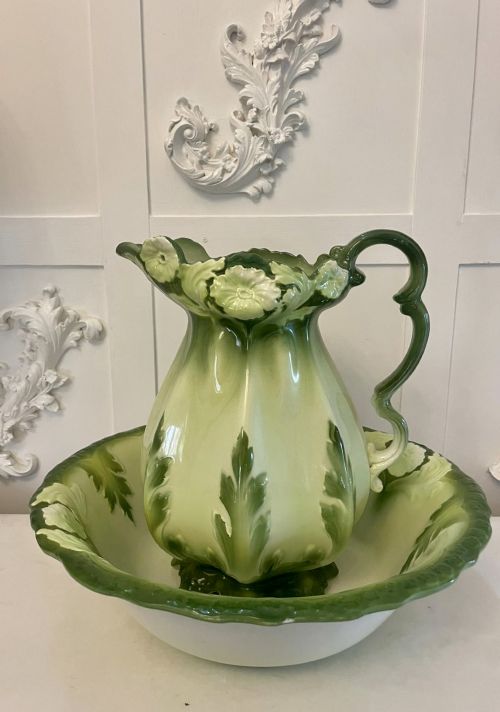
A victorian ceramic water ewer is a pouring vessel designed primarily for nineteenth-century washstand use, though many examples function as decorative ornaments. These pieces span the nineteenth century and into the Edwardian period, often appearing alongside matching basins in complete sets.
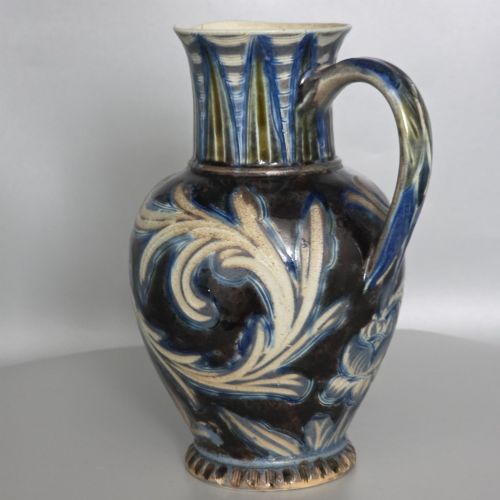
The forms range from utilitarian water jugs to ornate decorative ewers influenced by revivalist and art pottery movements. Collectors encounter standard earthenware pitchers alongside finer porcelain and ironstone models originating from English factories and continental potteries.
Materials and Manufacture
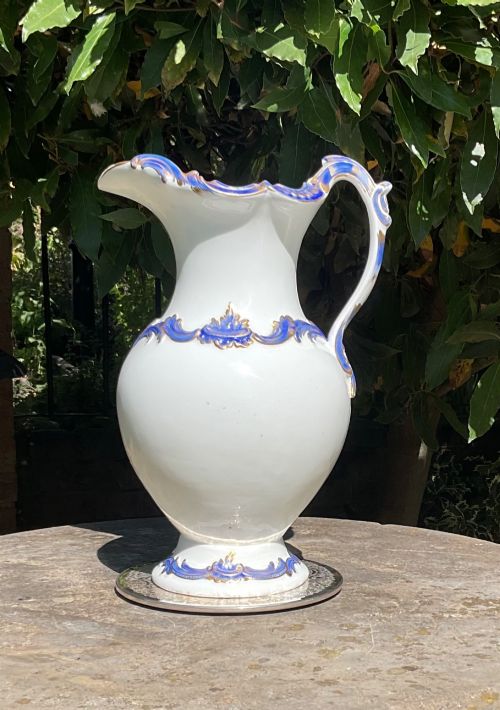
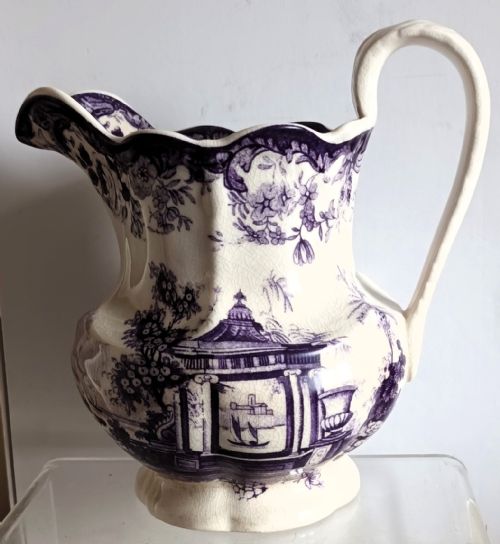
Potters shaped these ewers using earthenware, porcelain, ironstone, and stoneware, applying glazes and enamel to seal the ceramic body. Many pieces feature transfer-printed designs, hand-painted polychrome decoration, or applied gilding and gold leaf.
Moulded handles, pedestals, and spouts were joined to thrown or slip-cast bodies before firing in kilns. Specialised workshops added incised patterns, mythological figures, and raised motifs prior to final glazing.
Victorian Ceramic Water Ewer Retail Price Guide 2026
Typical asking prices for victorian ceramic water ewer among the pieces listed under this phrase on Sellingantiques today, from the lower quarter to the upper quarter. They describe what is for sale here now, not the wider market.
Listings feature earthenware, porcelain, ironstone, and stoneware bodies decorated with enamel, glaze, and gold leaf.
Assessing Quality
Quality rests in the crispness of the moulding, the precision of the handle attachment, and the balance of the pouring lip. Finer pieces demonstrate skilful control over transfer-printing and hand-painted details without smudging or firing blemishes.
Weight and ceramic density distinguish heavy ironstone and stoneware bodies from lighter porcelain and earthenware vessels. Superior examples retain intact gold leaf and crisp glaze finishes across complex relief decoration.
Doulton Lambeth·Minton·Royal Worcester·Masons Ironstone·Coalport
The Victorian Ceramic Water Ewer Glossary
- Ewer
- A large jug with a wide spout and a curved handle, traditionally used for washing or display. These vessels often feature elaborate decorative bodies.
- Faience
- Tin-glazed earthenware produced in France and other European regions. This technique creates an opaque white surface suitable for painted decoration.
- Ironstone
- A heavy, durable type of feldspathic stoneware patented in England. It bridges the gap between earthenware and porcelain.
- Transfer-printed
- A decoration method where an engraved copper plate transfers a design onto paper and then onto the ceramic body before glazing. This allowed for intricate patterns on large production runs.
Victorian Ceramic Water Ewer: Frequently Asked Questions
What was a water ewer used for?
These vessels held water for personal washing before indoor plumbing became standard in homes. They stood on bedroom washstands alongside matching basins.
Over time, many ewers transitioned into decorative mantel or sideboard ornaments. Their sculptural shapes made them popular display pieces in Victorian parlours.
Are these jugs waterproof?
Most ceramic and porcelain ewers hold water safely if the interior glaze remains intact. Stoneware and ironstone bodies are particularly robust for holding fresh flowers.
Inspect the interior for hairline cracks before filling. Unglazed earthenware portions should avoid prolonged contact with water.
How do I date a ceramic ewer?
Examine the base for maker marks, registered design numbers, and factory stamps. Stylistic clues such as transfer patterns and glaze colours also indicate the period.
Compare the manufacturing technique and clay body with known dated examples. Victorian pieces often display registration marks specific to nineteenth-century patent laws.