


Victorian Ceramic Portrait Figure
A victorian ceramic portrait figure captures the public figures, royals and literary characters of the nineteenth century in earthenware and porcelain.
Victorian Ceramic Portrait Figure
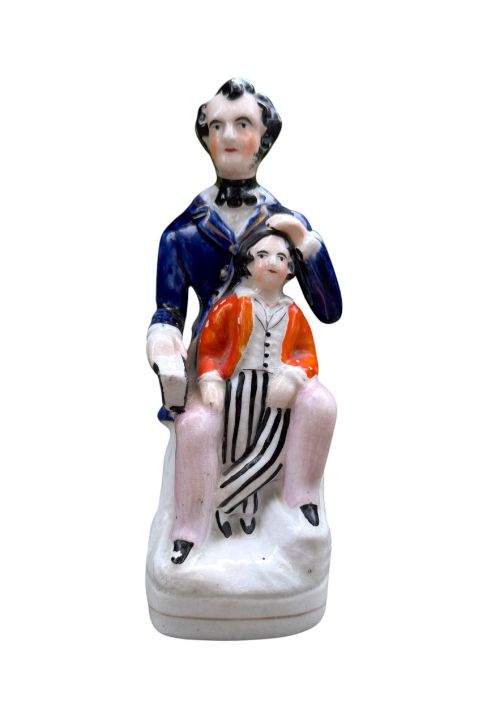
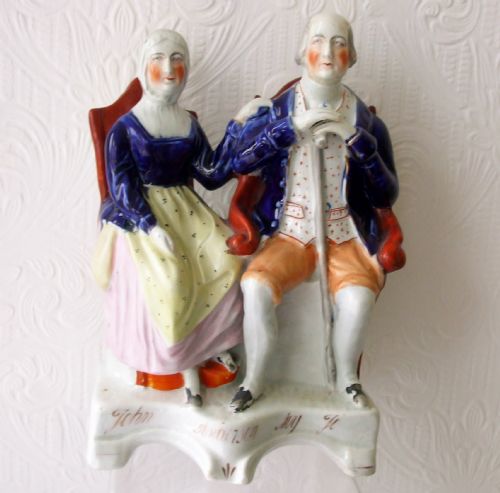
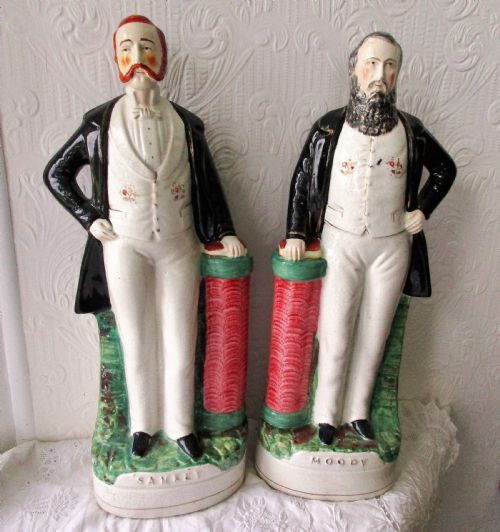
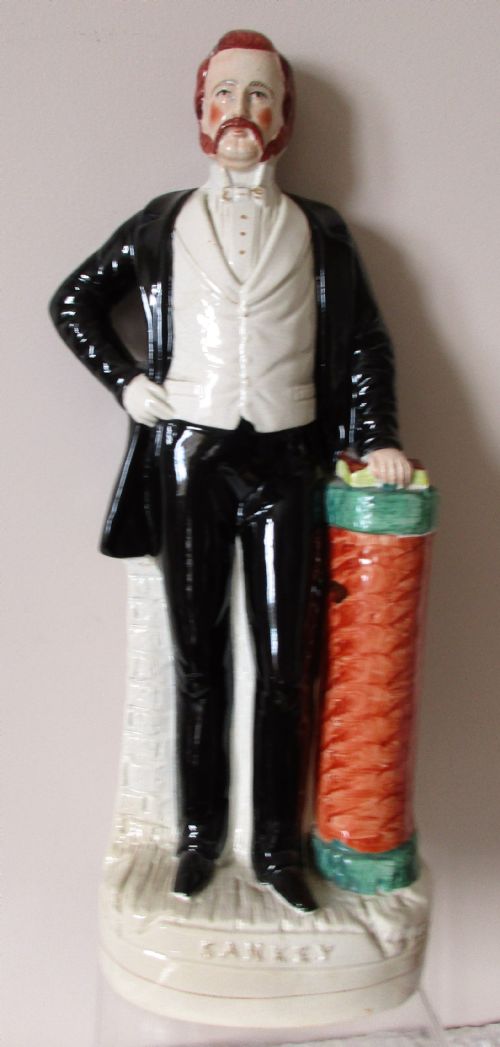
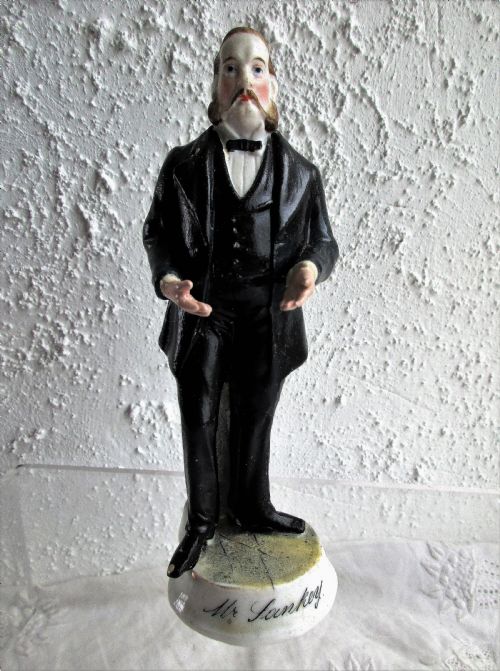
These pieces represent notable individuals ranging from British royalty and military commanders to evangelists and literary characters, modelled as single figures, pairs or groups. When searching for a victorian ceramic portrait figure, you will most frequently encounter Staffordshire earthenware productions depicting prominent historical and contemporary personalities of the era.
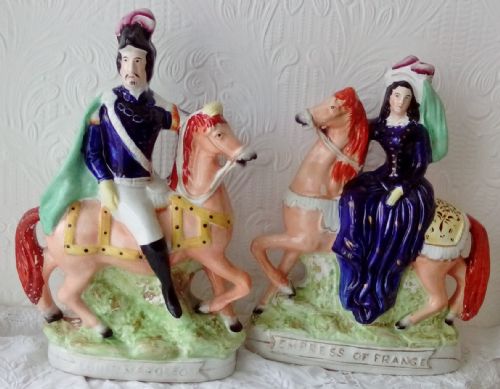
The subjects span political leaders such as Napoleon III and Queen Victoria, religious figures like Moody and Sankey, and theatrical performers including Jenny Lind. Makers commemorated current events and public interest, resulting in commemorative flatbacks and portrait groups that recorded the faces recognised in nineteenth-century homes.
Materials and production methods
Potters utilised earthenware and parian porcelain to shape these figures, applying lead glaze and enamel paint to surface details. Earthenware bodies provided an accessible base for moulded forms, which were then painted by hand with coloured enamels.
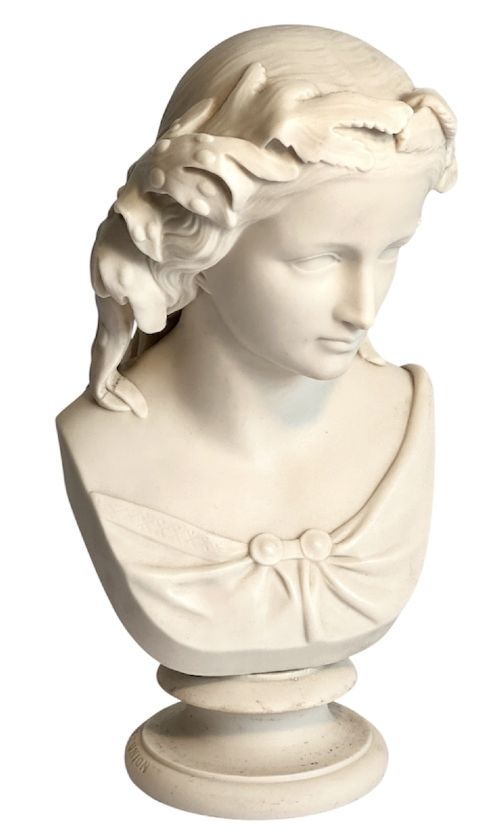
Parian porcelain allowed for finer detail in portrait busts, offering a smooth finish that imitated carved marble without requiring glaze. The combination of slip-casting or pressing into moulds followed by hand-finishing gave each piece its distinct character.
Nineteenth-century shelf-sitters included American evangelists sharing mantelpiece space with French emperors and local literary heroes.
Judging quality and modelling
The depth of historical association and the complexity of group composition also distinguish finer pieces from standard domestic output. Model definition and the preservation of the original glaze surface dictate the standing of an individual figure.
Copeland
The Victorian Ceramic Portrait Figure Glossary
- Flatback
- A ceramic figure designed with an unglazed or simply finished flat rear side intended to stand against a wall on a mantelpiece. This method saved material and weight during firing.
- Parian ware
- A fine white unglazed porcelain developed in the nineteenth century to imitate marble for portrait busts and classical figures. It fires to a smooth, matte finish that highlights sculptural detail.
- Lead glaze
- A glossy coating containing lead oxide applied to earthenware pottery before firing to seal the porous body and enrich the colours beneath. It gives early figures their characteristic surface sheen.
- Enamel paint
- Vitreous colours applied over the glaze of a fired ceramic and subjected to a second, lower temperature firing to fuse the pigments to the surface. This technique allowed for vivid reds, blues and gilt highlights.
Victorian Ceramic Portrait Figure: Frequently Asked Questions
What subjects do these figures represent?
The subjects include British and European royalty, military heroes, religious revivalists, political figures and theatrical performers of the period. Makers responded to public events by producing likenesses of contemporary figures who captured the public imagination.
Common themes feature royal weddings, political alliances and national heroes alongside literary characters and traditional folk figures.
How were these figures displayed in homes?
Most pieces were intended for display on mantelpieces, sideboards and shelves within Victorian parlours. Flatback figures were specifically shaped for placement against a wall.
Pairs and group figures were arranged symmetrically to decorate domestic living spaces and demonstrate the owner's cultural interests or political loyalties.
How can I distinguish earthenware from porcelain?
Earthenware figures feature an opaque, porous ceramic body covered in a glossy glaze, often with vibrant enamel painted details on the surface. These pieces tend to be heavier and include hollow flatbacks.
Parian porcelain objects present a matte, unglazed finish that resembles carved white marble, typically utilised for portrait busts rather than full-bodied painted figures.
Are these figures marked with makers' names?
Many Staffordshire earthenware pieces remain unmarked, bearing only handwritten or moulded titles on the base to identify the subject depicted. Collectors rely on modelling style and subject matter for attribution.
Factory-produced parian busts more frequently carry impressed manufacturer marks or registry lozenges that indicate the exact date of design registration.