



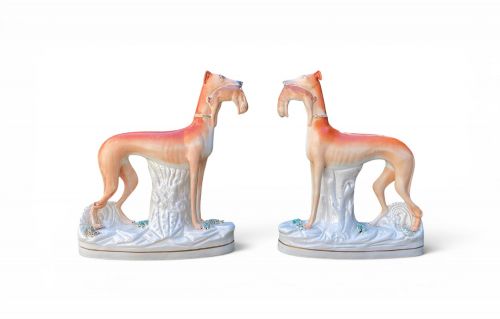
19th Century Pottery Figurine
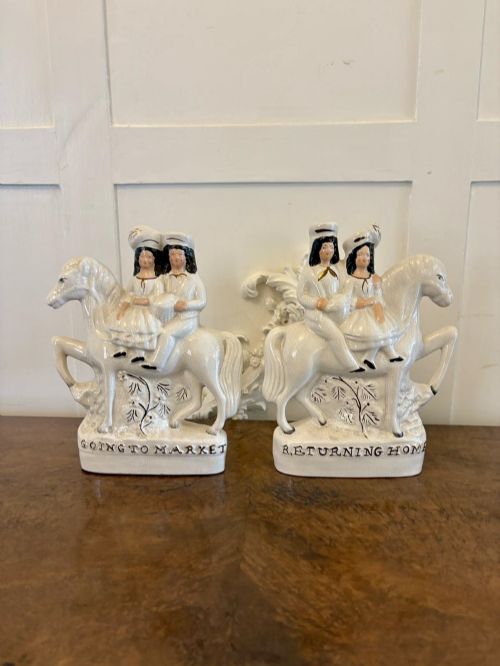
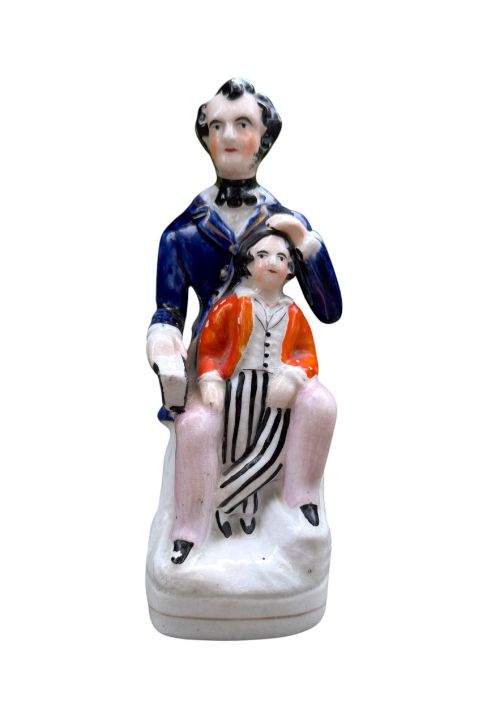
A 19th century pottery figurine brings domestic portraiture, animals and literary subjects directly into a room through moulded clay.
19th Century Pottery Figurine
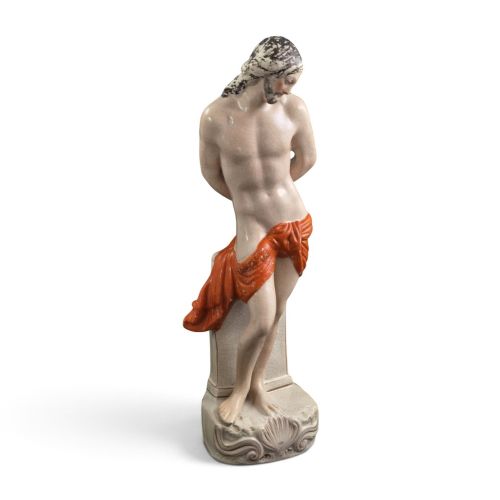
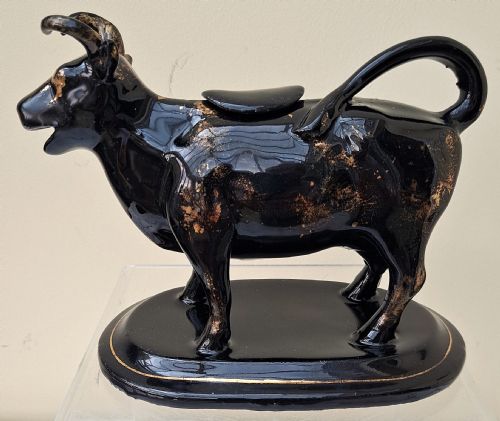
When searching for a 19th century pottery figurine, collectors encounter diverse sculptural forms spanning portrait subjects, animals and mythological groups. The evidence demonstrates that Victorian Staffordshire figures dominate the selection, appearing alongside Dutch Delftware cows, French faience figures and Italian majolica pieces.
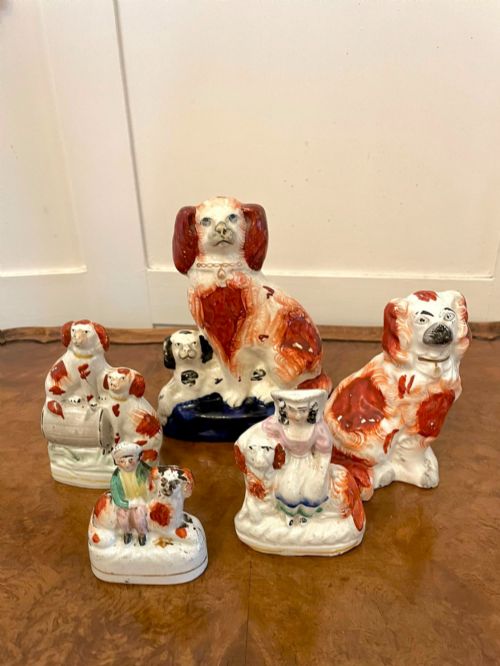
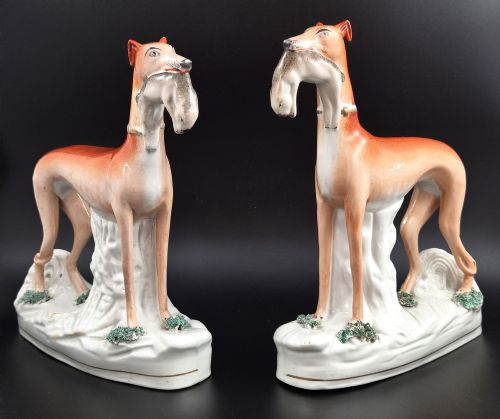
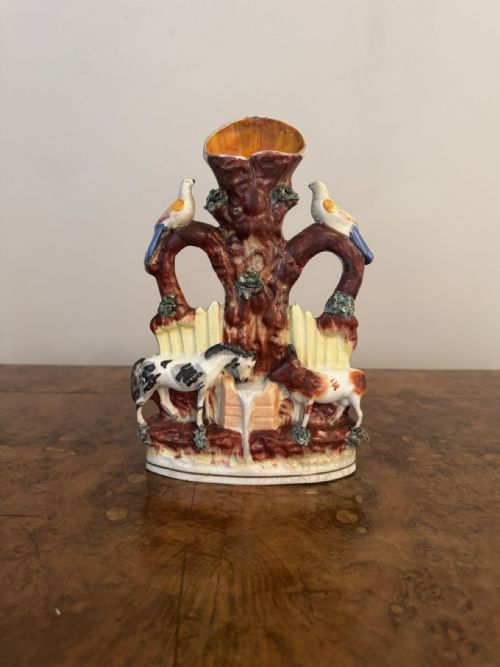
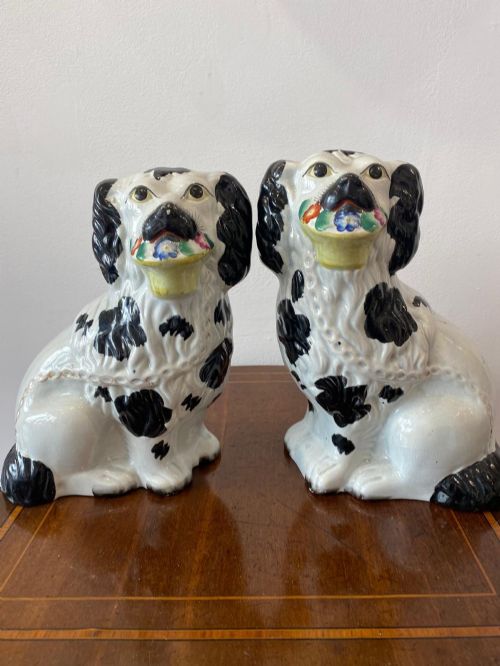
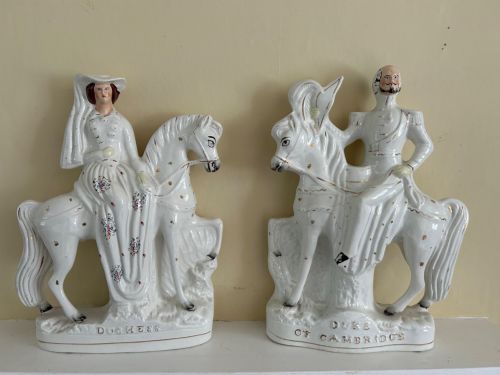
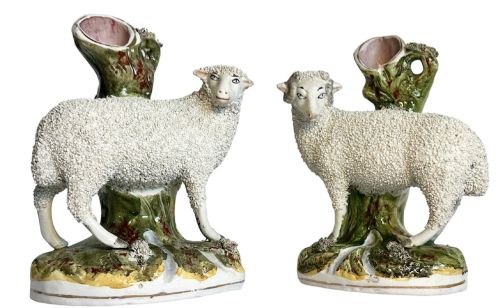
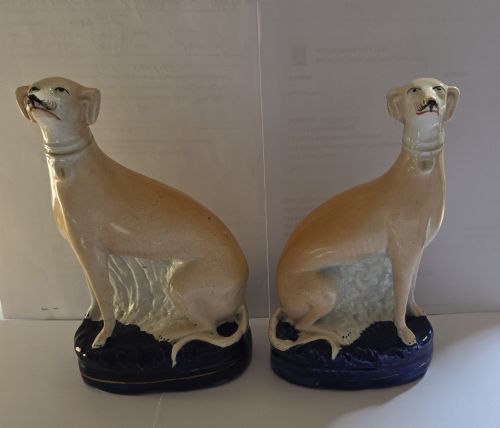
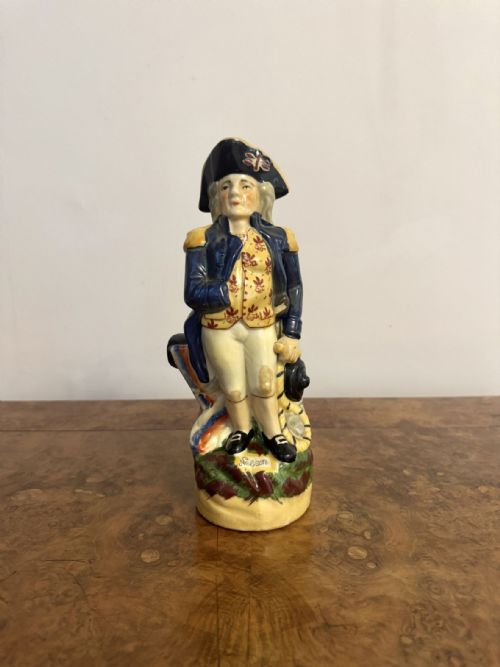
The objects take many functional and decorative shapes, including flatbacks designed for mantelpieces, spill vases incorporating wildlife, toby jugs and figural group ornaments. Animal pairs such as greyhounds, spaniels and lions recur frequently across the periods spanning the nineteenth century.
How they were made
Potters shaped these figures primarily using earthenware, pearlware or ceramic bodies, often formed in multiple moulds before hand-finishing. Lead glazes and enamel colours applied over the surface provided the characteristic vibrant palette seen on Victorian Staffordshire and Prattware examples.
Details were frequently accentuated with gold leaf or gilt highlights, while underglaze blue painting defined pieces such as the Dutch Delft cows. Firing techniques determined the final vitrification of the ceramic body and the gloss of the surrounding glaze.
Victorian mantelpieces gained silent companionship from ceramic pugs, greyhounds and spaniels staring across the room.
What varies in quality
Subtleties in proportion and the execution of secondary elements, such as foliage on spill vases or facial expressions on portrait figures, distinguish the output of accomplished makers from standard commercial output.
John Bevington·Thomas Parr
The 19th Century Pottery Figurine Glossary
- Flatback
- A figure moulded with a finished front and a largely unadorned or flat rear designed to sit flush against a wall or mantelpiece. This construction method saved clay and simplified production for mantel ornaments.
- Spill vase
- A hollow figural vase designed to hold wooden spills for lighting fires or pipes. The cylindrical holder is integrated into the sculpted composition of animals or figures.
- Pearlware
- A refined earthenware body developed in the late eighteenth century featuring a subtle bluish glaze that pooled in recesses. It bridges the transition between creamware and later white earthenwares.
- Lead glaze
- A glossy coating containing lead oxide applied to ceramics before firing to seal the porous body. It produces a smooth, reflective surface that intensifies underlying enamel colours.
- Majolica
- A colourful opaque lead-glazed earthenware characterised by rich moulded relief decoration. It gained popularity during the Victorian era for decorative ornaments and figures.
19th Century Pottery Figurine: Frequently Asked Questions
What is a flatback figure?
Flatback figures are ceramic sculptures modelled primarily for display on mantelpieces against a wall. The makers left the reverse side flat and unpainted to save materials.
This construction is characteristic of Victorian Staffordshire production found across the nineteenth century.
How were spill vases used?
Spill vases combined decoration with utility by incorporating a small cylindrical holder alongside the ceramic subject. Users placed thin wooden tapers inside to transfer flames from the hearth.
Common subjects for these vessels included deers, sheep and lions framed by naturalistic foliage.
What distinguishes pearlware from earthenware?
Pearlware utilises a refined white clay body covered with a transparent glaze containing a small amount of cobalt. This addition produced a faint bluish tint in crevices that distinguished it from earlier creamware.
Potters used this material for figures and animals during the early decades of the nineteenth century.
How do you identify Staffordshire dogs?
Staffordshire dogs typically appear as seated pairs of spaniels, greyhounds or poodles decorated with hand-painted markings and gilt chains. They were produced extensively throughout the Victorian period as chimney ornaments.
Variations in size, posture and facial detailing indicate different workshop origins and production dates.