

Victorian Ceramic Lighting
Victorian ceramic lighting combines functional domestic illumination with decorative porcelain, faience and stoneware.
Victorian Ceramic Lighting
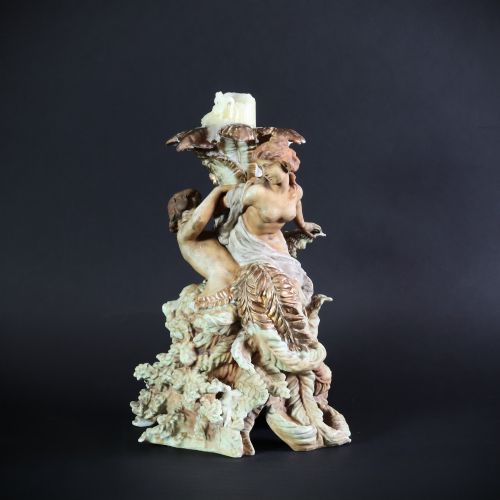
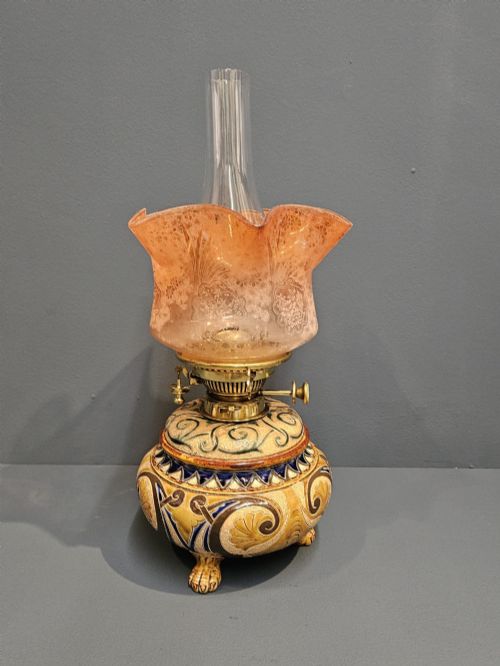
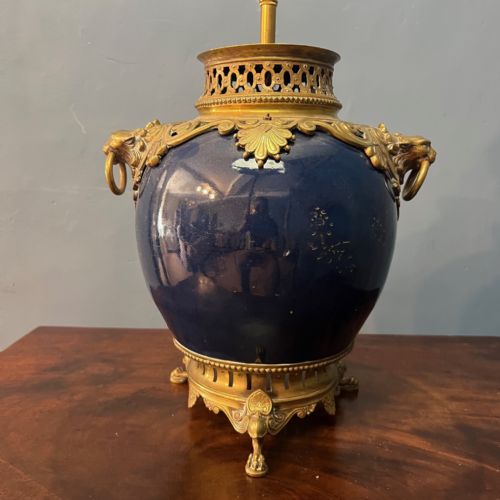
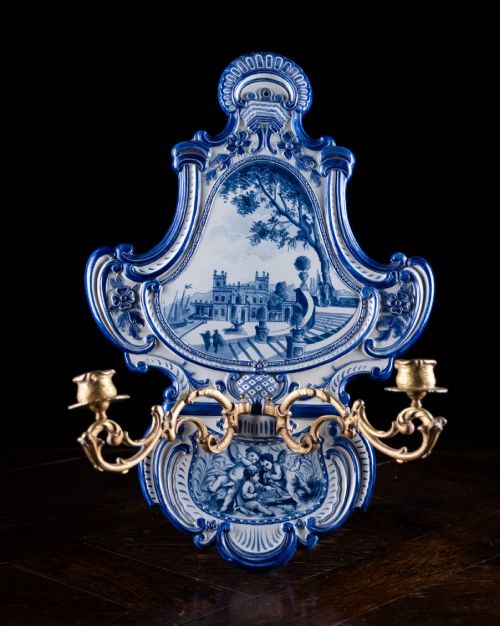
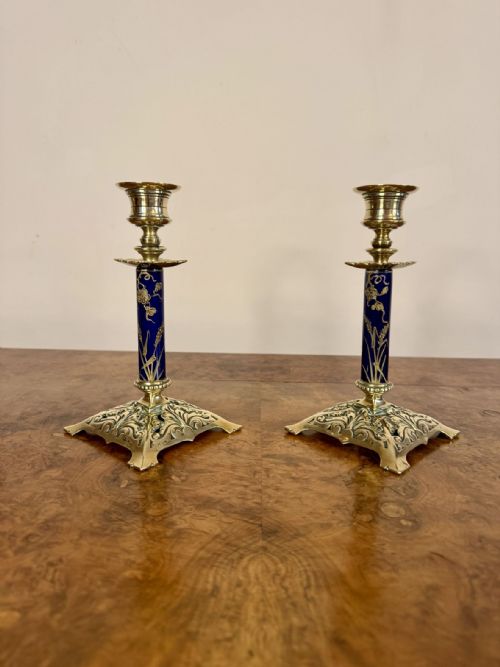
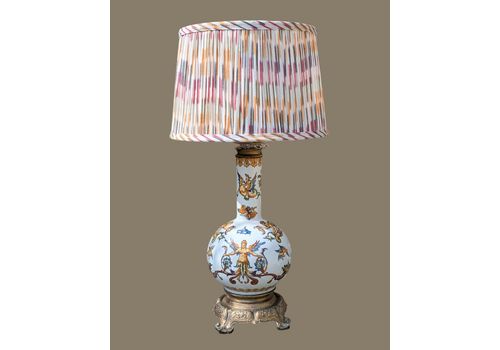
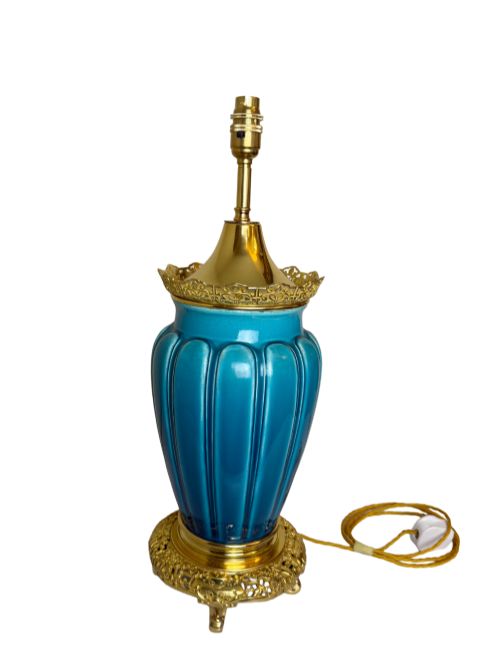
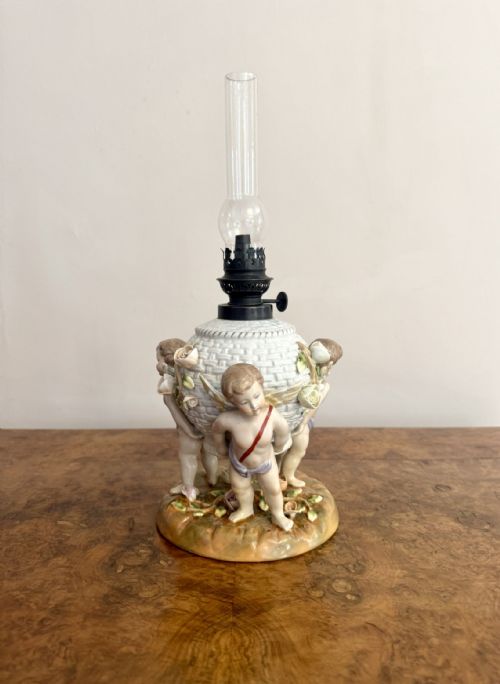
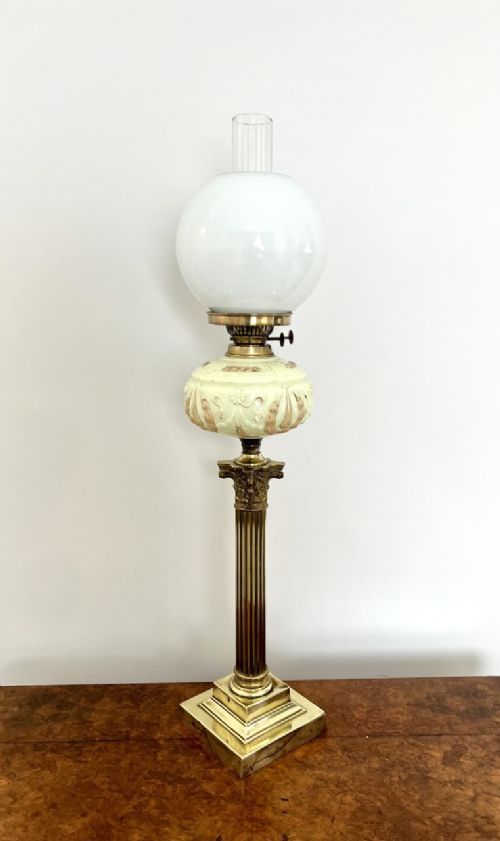
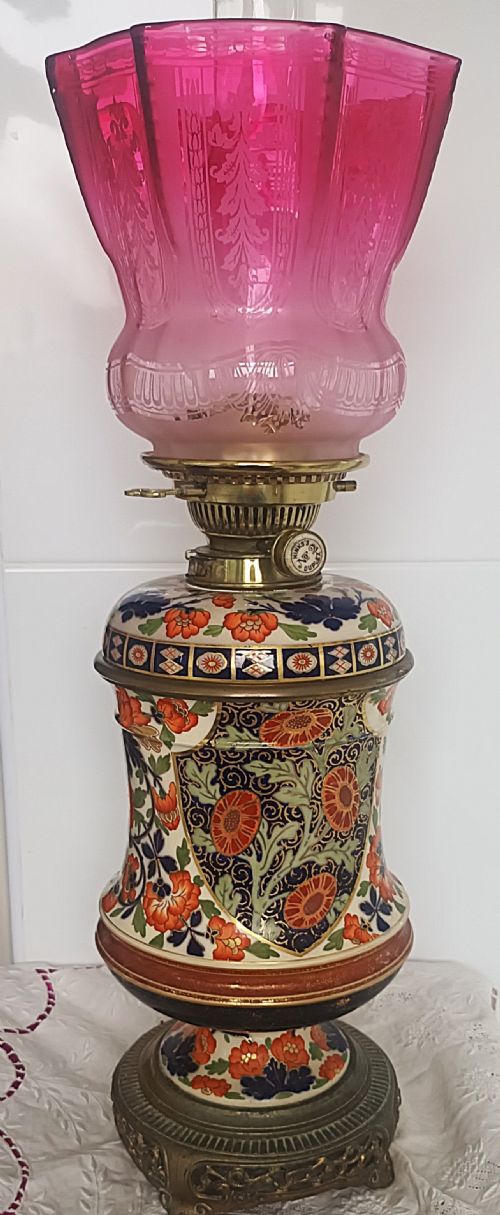
Victorian ceramic lighting encompasses oil lamps, table lamps, candlesticks and wall sconces produced during the nineteenth century. These items merge ceramic bodies with metal mounts, frequently pairing porcelain reservoirs or bases with brass or gilt bronze.
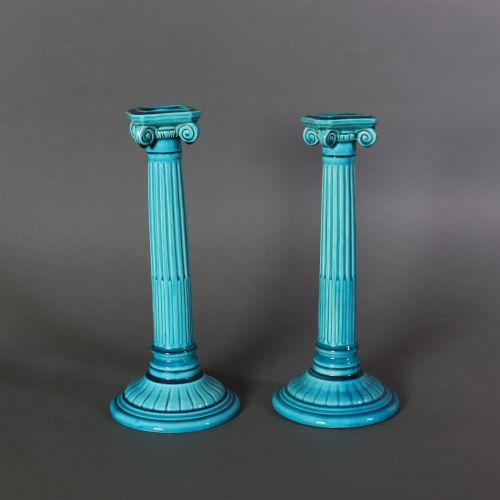
Makers utilised various regional ceramic traditions, ranging from English potteries to continental European porcelain factories. Common domestic forms include converted oil lamps, figural bases, and glazed stoneware candlesticks.
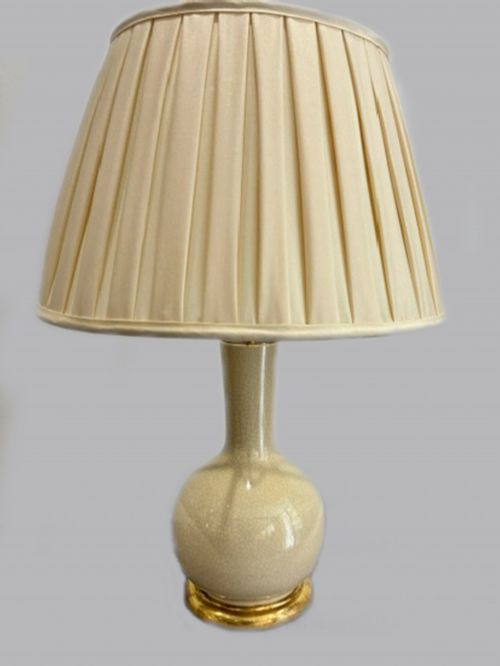
Stylistic influences span from Rococo Revival and Chinoiserie to Art Nouveau and Neoclassical designs. Pieces frequently incorporate moulded animal figures, painted floral motifs or crackle ware glazes.
How they were made
Potters shaped clay bodies through throwing or moulding before applying glazes such as Majolica, Delft, Celadon or Famille Verte. Metal elements like brass, ormolu and gilt bronze were cast and fitted to secure the ceramic components.
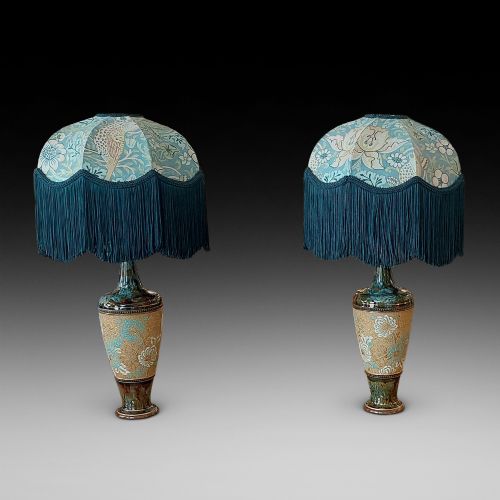
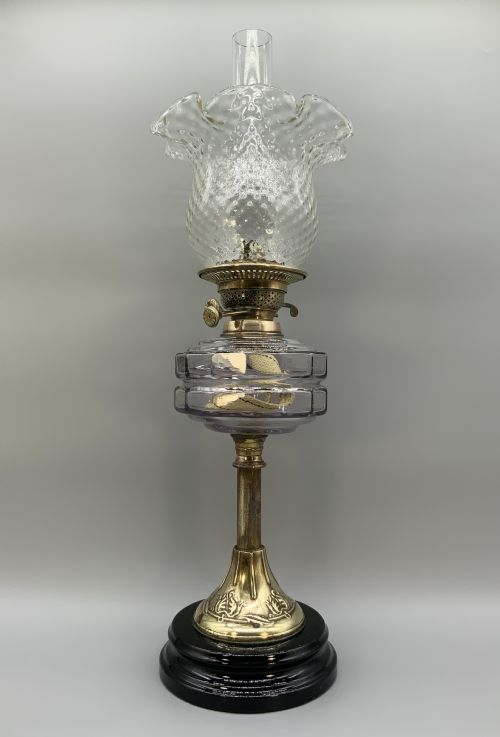
Porcelain figures and lamp bases received hand-painted details, sometimes complemented by gold leaf or enamelling. Makers frequently combined materials, mounting ceramic vessels onto black glass bases or pairing them with hand-blown glass shades and fabric elements.
Victorian Ceramic Lighting Retail Price Guide 2026
Typical asking prices for victorian ceramic lighting among the pieces listed under this phrase on Sellingantiques today, from the lower quarter to the upper quarter. They describe what is for sale here now, not the wider market.
German china fairings capture domestic humour through miniature scenes titled "The Last in Bed to Put Out the Light".
What varies in quality
The standard of modelling in figural pieces separates standard production from superior examples. Finely detailed facial expressions and hand-painted polychrome decoration indicate skilled workshop output.
The integration of metal mounts with ceramic bodies determines overall structural cohesion. Heavy cast brass, ormolu trim and balanced proportions reflect the maker's investment in materials and assembly.
Villeroy and Boch·Burmantofts Faience·Royal Doulton·Sitzendorf·Taylor Tunnicliff·Royal Worcester·Meissen·Doulton Lambeth·James Hadley
The Victorian Ceramic Lighting Glossary
- Majolica
- A type of earthenware decorated with opaque coloured glazes over an absorbent clay body. It produces vibrant green, brown and purple tones common on nineteenth century lamp bases.
- Ormolu
- Gilt bronze mounts applied to furniture, porcelain and lighting fixtures. This technique adds decorative metal highlights to ceramic bodies.
- Faience
- Tin-glazed earthenware produced in various European workshops. Burmantofts Faience represents a notable British manifestation seen in candlesticks.
- Famille Verte
- A Chinese porcelain palette dominated by green enamels, frequently adapted into nineteenth century table lamps.
- Candelabra
- A branched candlestick designed to hold multiple candles or fitted later for electrical illumination.
Victorian Ceramic Lighting: Frequently Asked Questions
How do I convert an oil lamp for modern electricity?
Conversion typically involves running wiring through the existing burner mechanism without drilling into the ceramic body. Many surviving examples retain their original brass collars while accommodating standard bulb fittings.
Professional rewiring ensures the internal components meet safety standards while preserving the antique metal and ceramic structure.
Were these lamps originally oil or gas?
The majority of nineteenth century domestic ceramic lighting functioned as oil lamps, utilising brass burners and glass chimneys. Candlesticks and candelabras held wax or tallow candles for room illumination.
Later Victorian production increasingly incorporated dual-burning systems or decorative figural oil reservoirs before widespread electrification.
How do I identify Sitzendorf porcelain lighting?
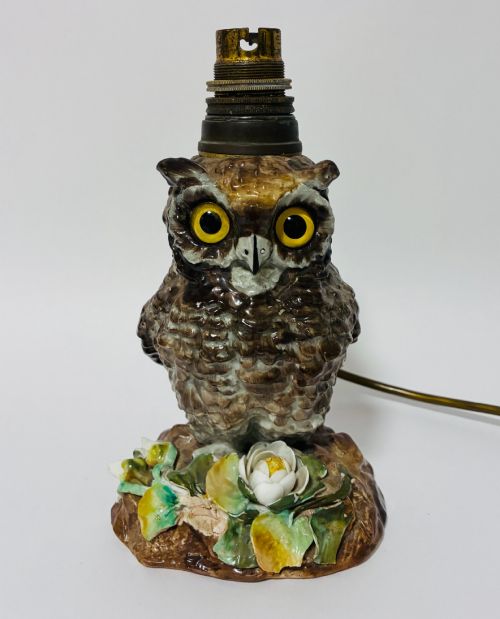
Sitzendorf pieces often feature intricate figural modelling, delicate hand-painted floral elements and characteristic blue mark signatures underneath the glaze. They frequently appear as multi-armed candelabras or owl lamp bases.
The German factory specialised in ornate porcelain figures combined with functional lighting mounts during the late nineteenth century.
Can I use fabric shades on these lamps?
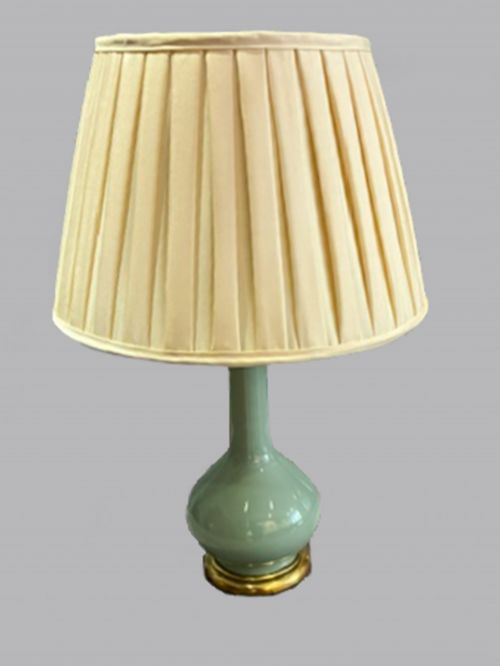
Fabric shades suit many Victorian table lamps, provided the harp or shade carrier matches the original burner dimensions. Proportion remains key when pairing large ceramic bases with textile shades.
Matching the scale of the shade to the height of the ceramic body prevents the lamp from looking top-heavy.