



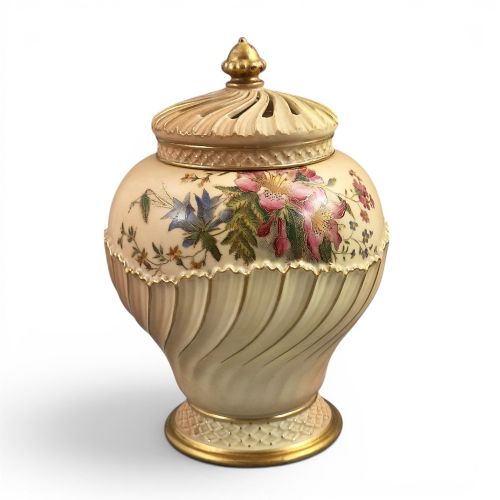
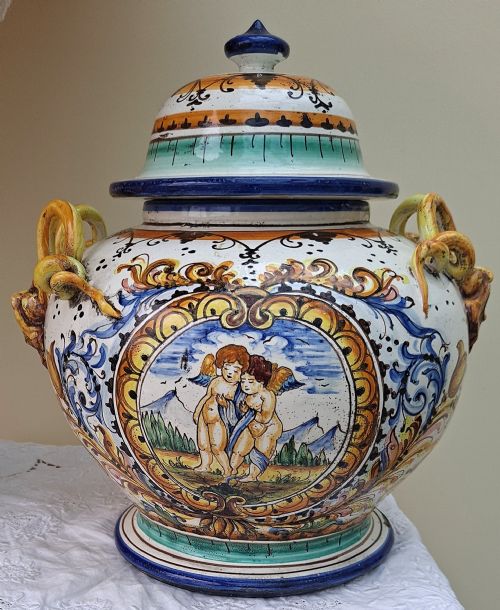
Victorian Ceramic Jar
When you search for a victorian ceramic jar, you meet heavy stoneware storage vessels, delicate pot-pourri pots and lidded biscuit barrels designed for nineteenth-century domestic life.
Victorian Ceramic Jar
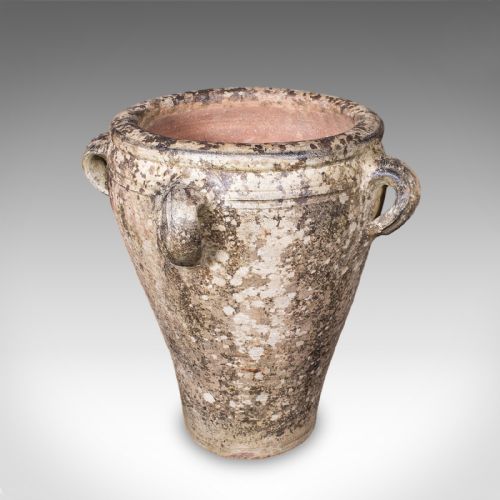
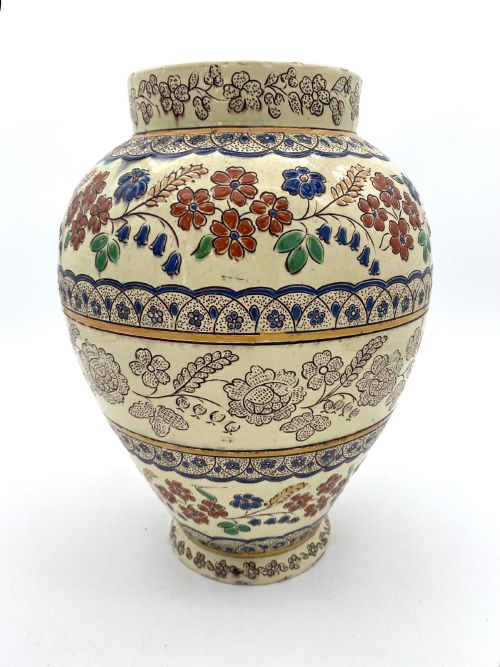
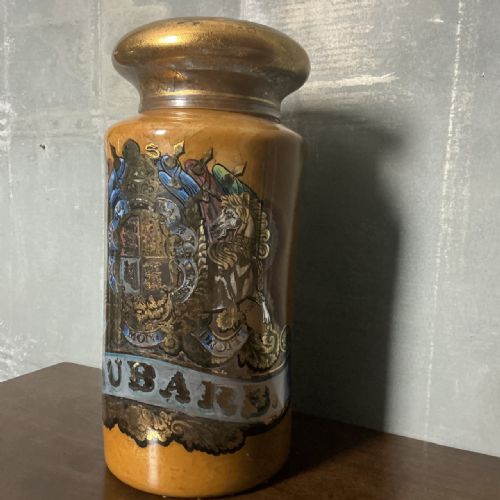
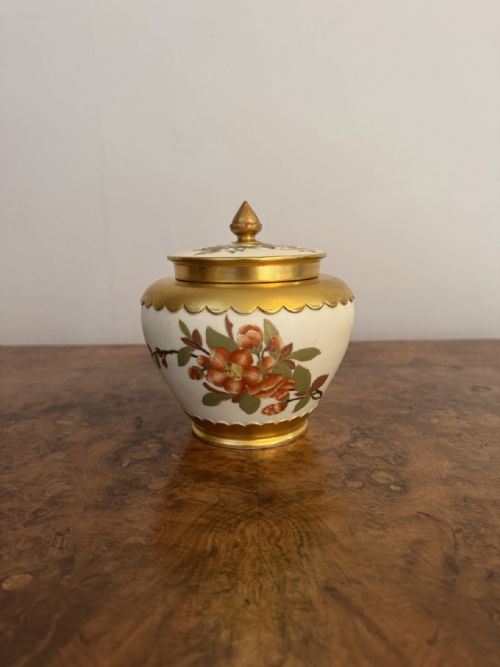
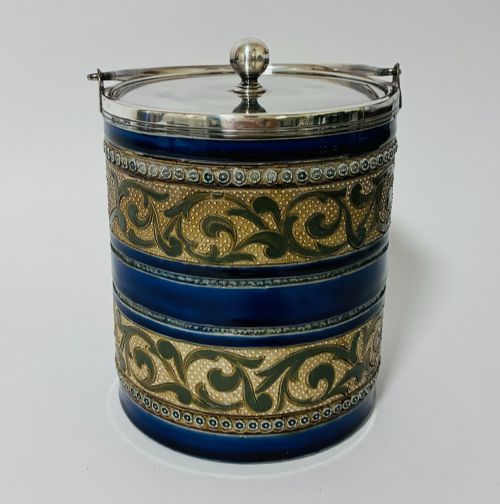
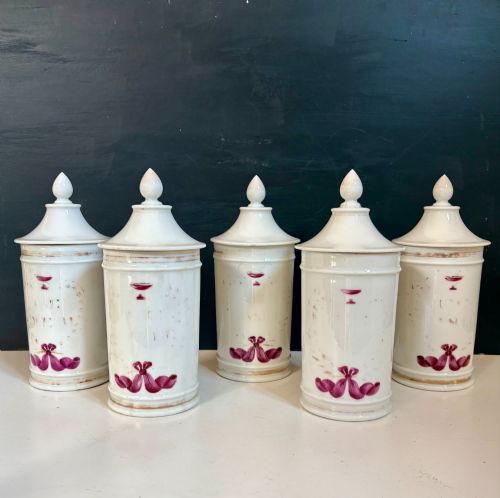
A victorian ceramic jar encompasses functional kitchen containers, pharmacy vessels and decorative mantel pieces made during the nineteenth century. The selection ranges from utilitarian apothecary jars to ornate biscuit barrels fitted with silver plate mounts.
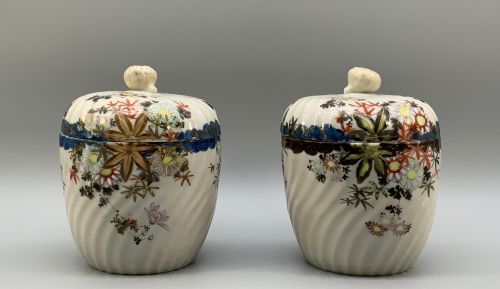
Makers produced these pieces for various domestic and commercial uses, including storing tobacco, biscuits and butter. Collectors find forms varying from simple cylindrical pots to bulbous lidded urns decorated with hand-painted flora and transfer prints.
How they were made
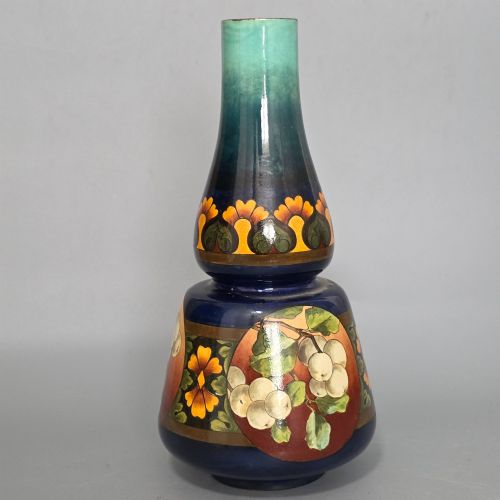
Potters shaped earthenware, stoneware and porcelain bodies on the wheel or in moulds before applying coloured glazes, enamel or gold leaf. Many utilitarian and decorative vessels received hand-painted floral decoration or transfer-printed scenes beneath a protective glaze layer.
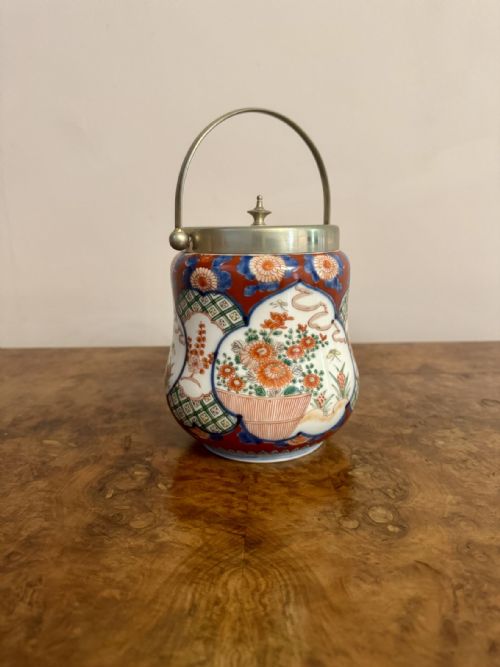
Makers frequently combined ceramic bodies with metal components, fitting biscuit barrels and tobacco jars with silver plate mounts, swing handles and hinged lids. Specialised techniques like salt glazing on stoneware provided durable surfaces for chemical and food storage.
Victorian Ceramic Jar Retail Price Guide 2026
Typical asking prices for victorian ceramic jar among the pieces listed under this phrase on Sellingantiques today, from the lower quarter to the upper quarter. They describe what is for sale here now, not the wider market.
Listings feature nineteenth-century ceramics including earthenware, stoneware and porcelain, alongside silver plate mounts and enamel finishes.
What varies in quality
The standard of modeling and hand-painting separates everyday factory output from exceptional studio and factory pieces. Crisp relief work in jasperware and delicate brushstroke detail in floral motifs indicate superior craftsmanship.
The quality of the mountings also distinguishes the range, as heavy silver plate hardware and well-fitted hinged lids mark out superior biscuit barrels and tobacco containers. Intricate polychrome enamelling and clear glaze finishes reflect greater investment of time at the kiln.
Doulton Lambeth·Royal Worcester·Samuel Alcock·Helena Wolfsohn Dresden·Wedgwood
The Victorian Ceramic Jar Glossary
- Biscuit barrel
- A covered ceramic container used for storing dry biscuits at the dining table. These vessels typically feature metal mounts and a swing handle.
- Jasperware
- A type of fine stoneware developed by Josiah Wedgwood featuring a matte surface. It is characterised by contrasting white relief ornamentation applied against a coloured ground.
- Imari
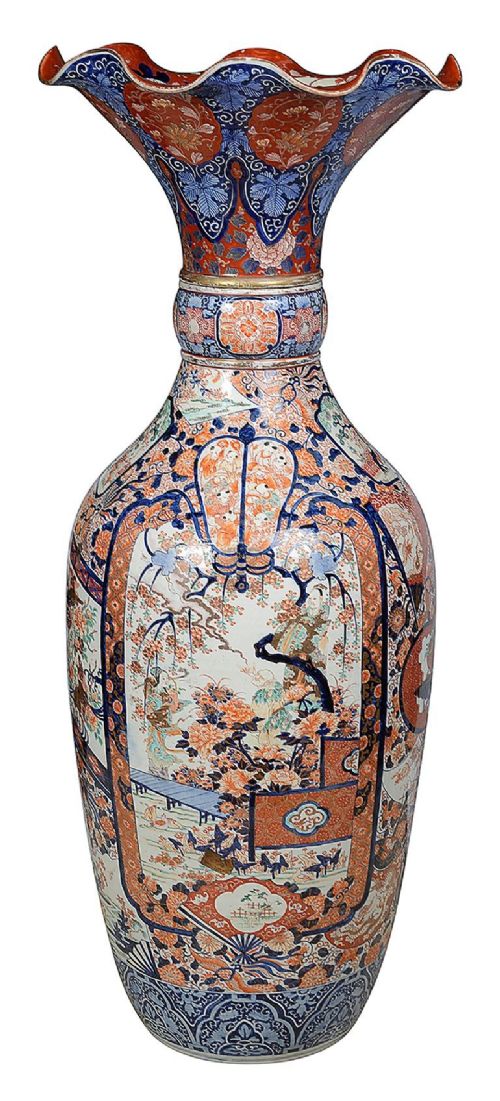
- A style of Japanese porcelain exported to Europe featuring rich underglaze blue and iron red highlights. British potteries frequently imitated these vibrant patterns.
- Majolica
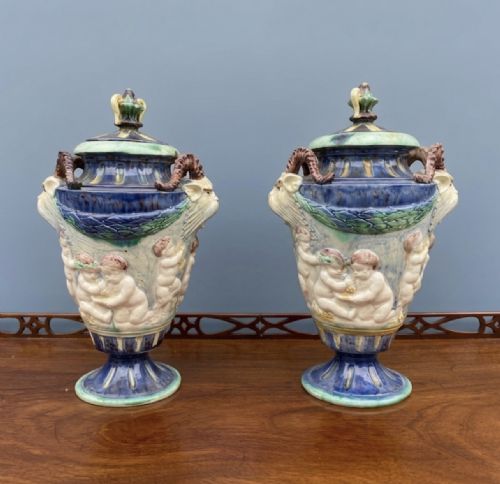
- earthenware pottery covered with an opaque tin-lead glaze. This technique allows for bright, saturated colours used in Victorian decorative urns and vases.
Victorian Ceramic Jar: Frequently Asked Questions
What were biscuit barrels used for?
Victorian households placed biscuit barrels on the dining table or sideboard during tea service to keep baked goods fresh. The fitted lids and metal mounts helped preserve crispness while offering an ornamental display piece for guests.
Servants would fill the ceramic bodies from bulk storage tins before bringing them to the parlor. These lidded jars remained popular parlor accessories throughout the late nineteenth century.
How do I identify a Victorian tobacco jar?
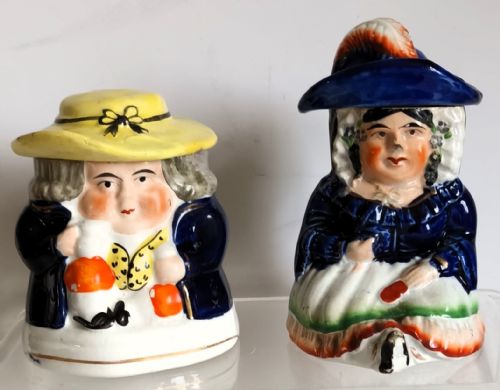
Tobacco jars feature snug-fitting lids, often with inner plugs, designed to retain moisture and keep leaf tobacco fresh. They frequently display hand-painted character figures, crests or decorative motifs related to smoking.
Many examples combine earthenware or stoneware bodies with glazed interiors. Collectors look for makers marks on the base to confirm nineteenth-century origin.
What is the difference between earthenware and stoneware?
Earthenware is a porous, lower-fired pottery body that requires a glaze to become waterproof. It permits bright surface painting and delicate modeling found in decorative Victorian jars.
Stoneware is fired at higher temperatures until the clay vitrifies into a dense, impervious material. This makes stoneware ideal for heavy apothecary and kitchen storage vessels.
How should I clean my ceramic jar?
Dust ceramic surfaces gently with a soft, dry cloth to protect fragile enamels and gold leaf highlights. Avoid submerging pieces with metal mounts or historic repairs in water.
Harsh chemical cleaners strip delicate overglaze decoration and damage antique glazes. Professional conservation advice is recommended for pieces with silver plate components requiring tarnish removal.