




Victorian Ceramic Frames
Victorian ceramic frames bring hand-painted porcelain and tiled artistry into domestic interiors through mounted plaques, mirrors and framed sets.
Victorian Ceramic Frames
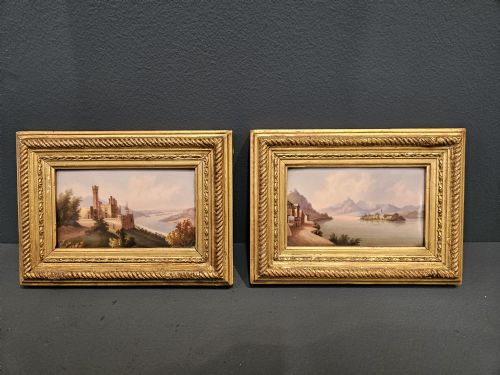
Victorian ceramic frames and mounted plaques present hand-painted porcelain panels, decorative tiles and easel mirrors shaped by nineteenth-century tastes. These objects merge fine ceramic painting with framing materials such as giltwood, wood and ormolu, creating distinct wall art and tabletop pieces.
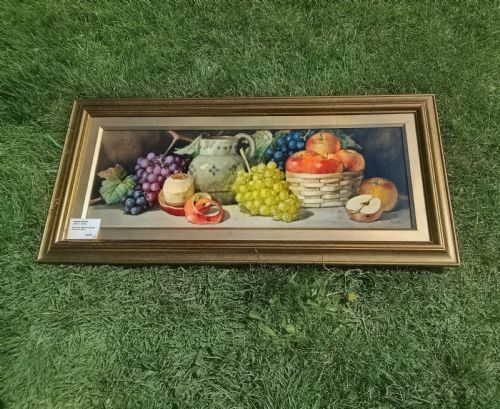
Buyers meet works originating from British and European factories, including KPM, Minton, Sherwin and Cotton, and Sitzendorf. Many examples feature portraiture, floral still lifes or genre scenes rendered carefully onto porcelain panels.
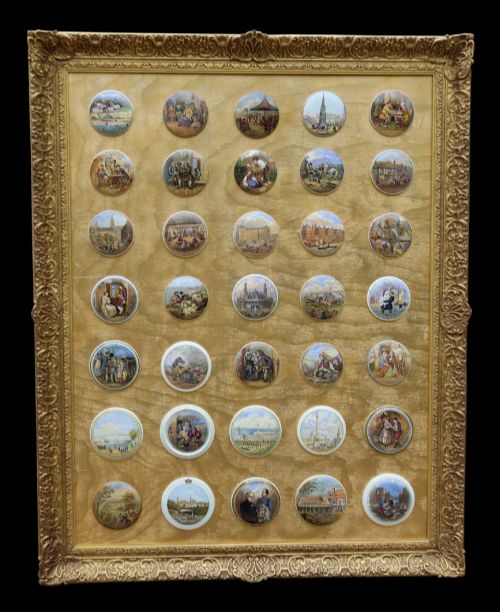
The forms range from wall-mounted plaques and framed Pratt Ware pot lids to dressing table mirrors and architectural tiles. Each piece captures the period interest in decorative porcelain displayed securely within protective borders.
Materials and Techniques
Makers utilised porcelain and ceramic panels as the primary canvas, applying hand-painted pigments and intricate pate sur pate techniques to build raised, layered designs. Kiln-firing fixed these enamels permanently onto the smooth ceramic surface.
Surrounding the ceramic centres, artisans constructed borders from giltwood, wood, glass and cast ormolu. These frames provided structural support while enhancing the visual depth of the central porcelain plaques and mirrors.
Victorian Ceramic Frames Retail Price Guide 2026
Typical asking prices for victorian ceramic frames among the pieces listed under this phrase on Sellingantiques today, from the lower quarter to the upper quarter. They describe what is for sale here now, not the wider market.
Listings feature porcelain, giltwood, wood, enamel, and glass across 19th-century and early 20th-century periods.
Judging Quality
The integration between the ceramic panel and its frame distinguishes superior pieces. Harmonious matching of carved wooden, giltwood or ormolu mounts to the specific dimensions of the porcelain indicates thoughtful craftsmanship.
Sherwin and Cotton·KPM·Minton·Sitzendorf·Birks·William Rayworth·William Yale
The Victorian Ceramic Frames Glossary
- Pate sur pate
- A French term meaning paste on paste, describing a ceramic decoration technique where liquid white porcelain slip is built up in layers on a coloured clay body to create a low relief cameo effect. This method requires immense skill from the ceramic artist.
- Porcelain plaque
- A flat, fired ceramic tablet used as a surface for fine art painting rather than as a functional vessel. These panels are often mounted directly into decorative frames for wall display.
- Ormolu
- Cast brass that has been finished with a gold-coloured mercury amalgam or plating. It provides ornate, metallic embellishment for mirror stands and picture frames.
- Pratt Ware
- Earthenware pottery associated with colour-printed underglaze lids and containers produced during the nineteenth century. These items were frequently collected and mounted in wooden frames.
Victorian Ceramic Frames: Frequently Asked Questions
How were Victorian ceramic plaques displayed?
These ceramic works were primarily hung on walls as decorative art or stood upon dressing tables using attached easels. Frames made of giltwood, wood or ormolu supported the heavier porcelain panels safely.
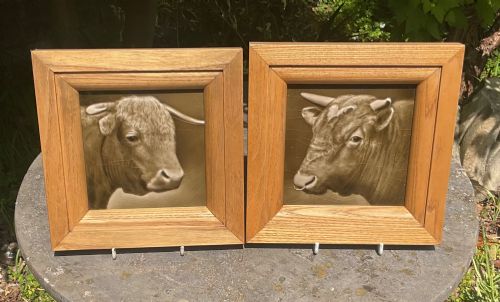
Some pieces were grouped together in shared frames, such as collections of Pratt Ware pot lids or paired decorative tiles. This allowed Victorian households to showcase detailed ceramic art alongside traditional oil paintings and watercolours.
What subjects appear on these porcelain panels?
Hand-painted porcelain pieces frequently depict portraits of historical figures, classical figures after Renaissance masters, or delicate floral still lifes. Scenes often mirror popular Victorian aesthetic themes, including animals, landscapes and allegorical figures.
Signatures from artists and factory marks on the reverse of the porcelain help identify the origin and specific painter of the composition.
Are these items fragile?
The core components consist of fired ceramic or porcelain set inside rigid wooden or metal frames, making them reasonably durable under careful handling. However, the painted enamel surfaces can scratch or chip if subjected to impact.
Wall-mounted pieces require secure fixings due to the combined weight of the ceramic panel and its protective frame.
How do I care for framed porcelain?
Dust the frame and glass surface gently with a soft, dry cloth. Avoid using liquid cleaning products directly on the exposed porcelain or painted areas to protect the historic pigments.
Keep pieces away from direct sunlight and areas of high humidity to preserve the integrity of the frame gilding and the ceramic enamels.