

Victorian Ceramic Dishes
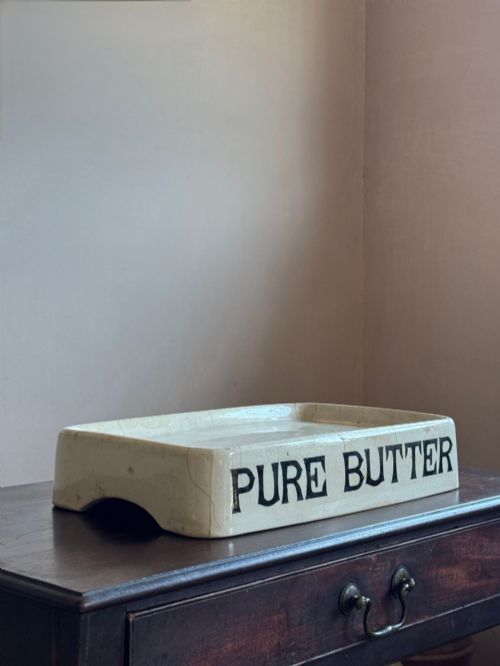
These Victorian ceramic dishes bring together the utilitarian and the decorative, offering tablewares that served dining rooms from cheese domes to dessert plates.
Victorian Ceramic Dishes
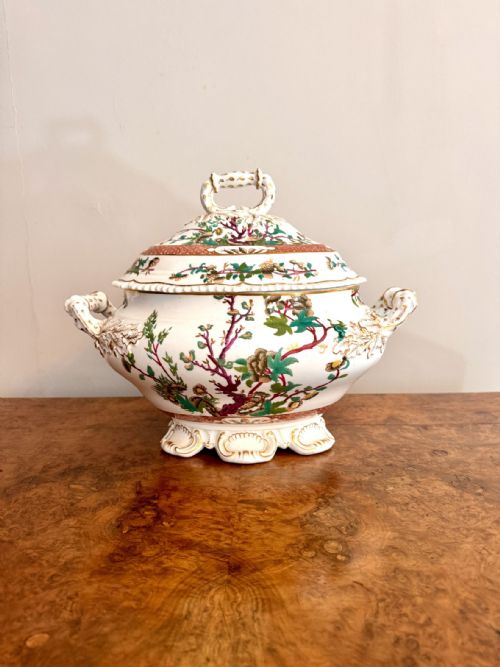
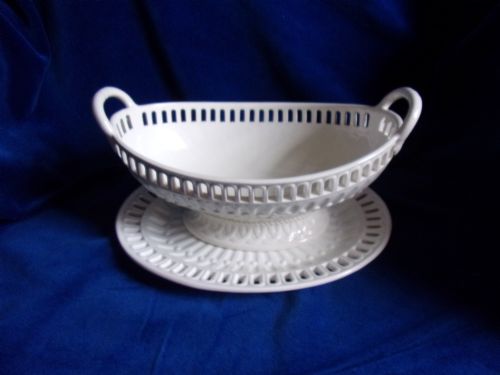
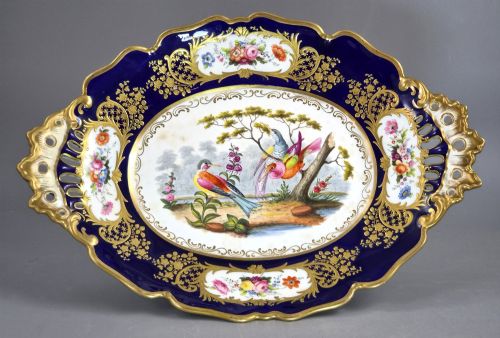
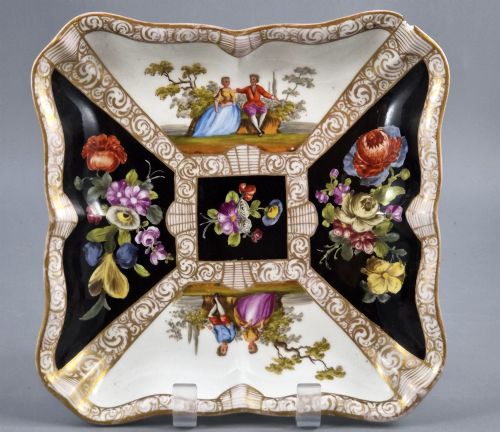
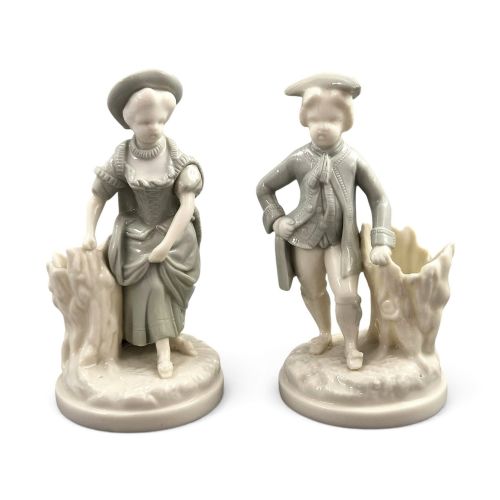
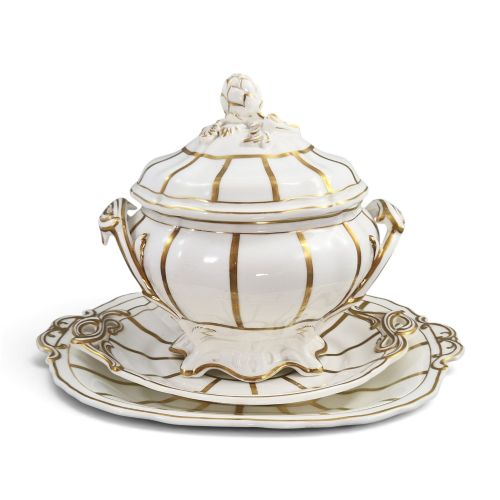
Victorian ceramic dishes encompass a wide spectrum of utilitarian and ornamental forms, with cheese domes, tureens, and serving platters appearing frequently across the selection.
The periods span the nineteenth century and stretch into the Edwardian era, reflecting both mid-century ornamentation and late-period production.
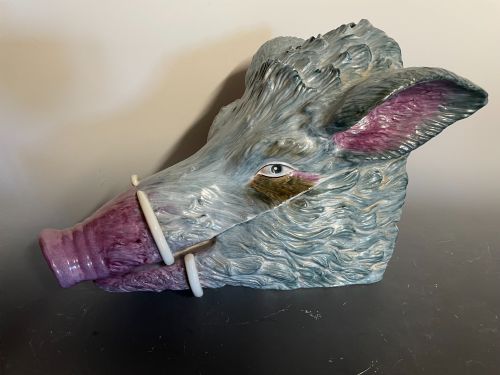
Makers utilised earthenware, porcelain, and majolica to create everything from everyday tablewares to cabinet pieces designed for display.
Materials and Technique
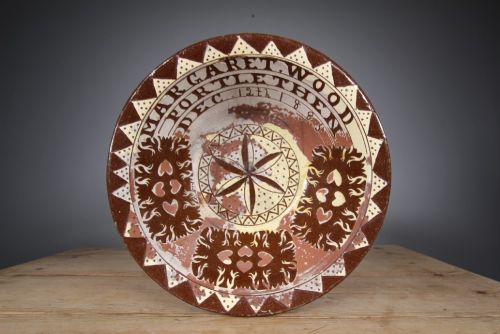
Potters employed earthenware, bone china, and porcelain bodies, often finishing pieces with an opaque glaze or intricate slipware decoration.
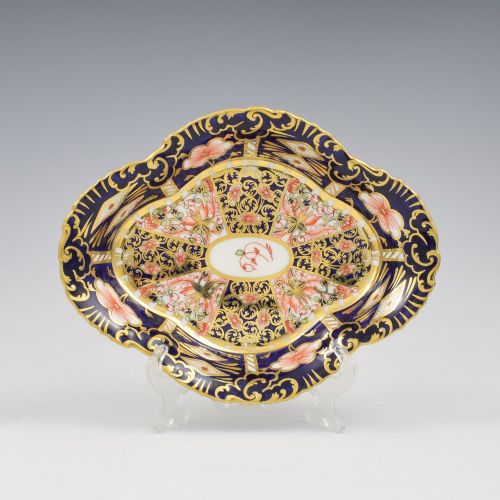
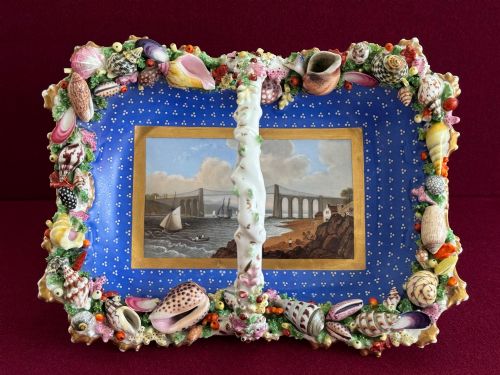
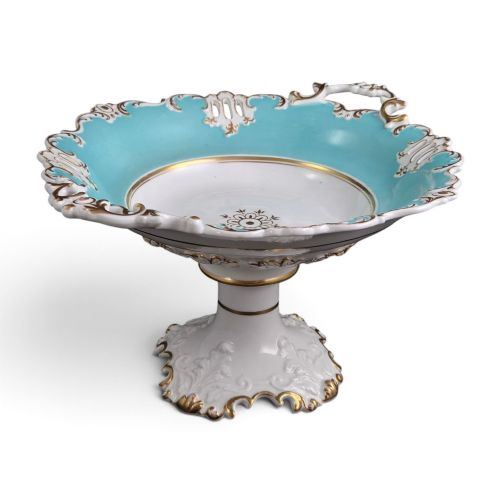
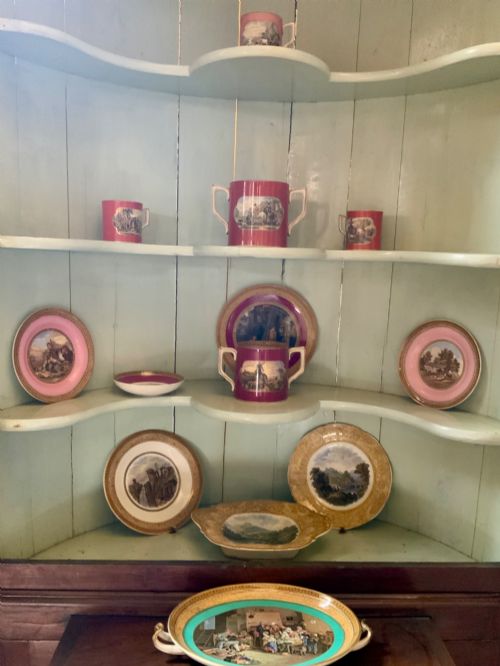
Surface design relied on hand-painted motifs, transfer printing, and relief moulding, frequently augmented with gilt detailing or gold leaf.
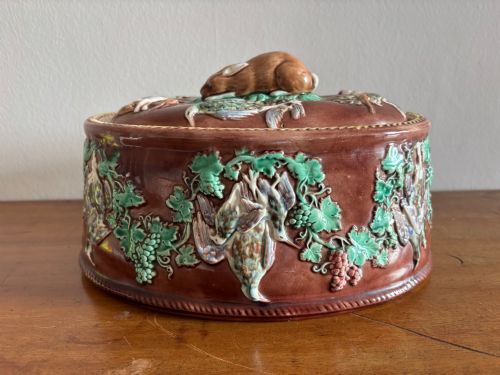
Majolica pieces received specialised colourful glazes fired directly onto earthenware blanks to produce rich botanical and figural reliefs.
Listings feature extensive examples of nineteenth-century earthenware and porcelain, spanning utilitarian cheese domes to delicate cabinet plates.
Craft and Finish
Quality rests upon the crispness of the moulding and the skill evident in hand-painted or transfer-printed surface details.
The weight, resonance, and integrity of the ceramic body distinguish standard production wares from ambitious cabinet pieces.
Glaze application and the precision of gilt highlights reveal the level of care taken in the workshop.
Coalport·Meissen·Royal Worcester·Davenport·Seaton Pottery·Wedgwood·Staffordshire Prattware·George Jones·Minton·James Wallace And Co·Royal Doulton·Samson Paris·Copeland·Walker And Hall
The Victorian Ceramic Dishes Glossary
- Majolica
- A type of earthenware characterised by colourful lead glazes applied over an opaque white tin glaze, frequently featuring naturalistic plant or animal forms.
- Bone China
- A porcelain variant incorporating bone ash, known for its high strength, bright white body, and delicate translucency.
- Ironstone
- A heavy, durable earthenware patented in the nineteenth century to imitate Chinese porcelain while offering robust utility for domestic tablewares.
- Transfer Printing
- A technique where a design is engraved on a copper plate, inked, and transferred to paper before being pressed onto the ceramic body prior to glazing.
- Drabware
- A nineteenth-century unglazed or thinly glazed stoneware displaying a characteristic muted grey-brown or tan hue, often seen on utilitarian items like cheese domes.
Victorian Ceramic Dishes: Frequently Asked Questions
What were cheese domes used for?
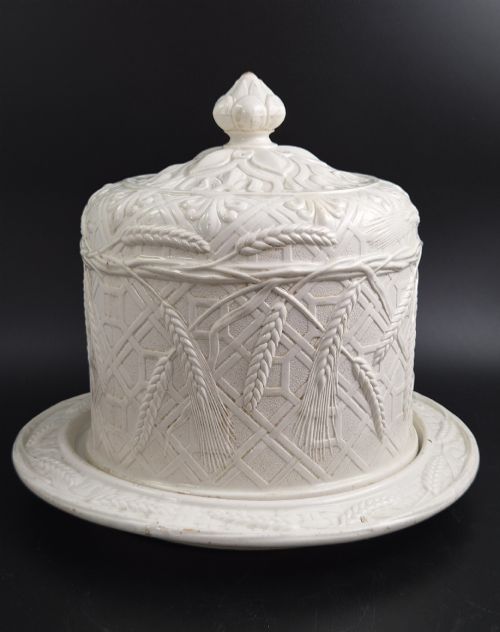
Large ceramic domes and matching stands were placed on dining tables to keep cheeses fresh and protect them from insects and dust during and after meals.
Their substantial size and decorative motifs also allowed them to serve as striking centrepieces in nineteenth-century dining rooms.
How do I identify majolica?
Majolica is defined by its vibrant, glossy coloured glazes applied over moulded earthenware bodies, often depicting leaves, fruit, or animals in high relief.
Peculiar to the Victorian period, these pieces feel heavy and present a rich, pooled colour palette across the modelled surface.
Are these dishes safe for food?
While many of these historical items were originally intended for active dining use, collectors today frequently treat them as display or decorative pieces.
Handling them with care preserves the antique glazes, enamels, and delicate gilt highlights from modern detergents and heavy use.
How do I date nineteenth-century ceramics?
Dating relies on combining stylistic clues, registration marks, pattern numbers, and the specific material composition associated with known potteries.
Changes in aesthetic movements, from Rococo Revival curves to Japanese-inspired motifs, offer clear chronological markers for individual pieces.