

Victorian Ceramic Dish
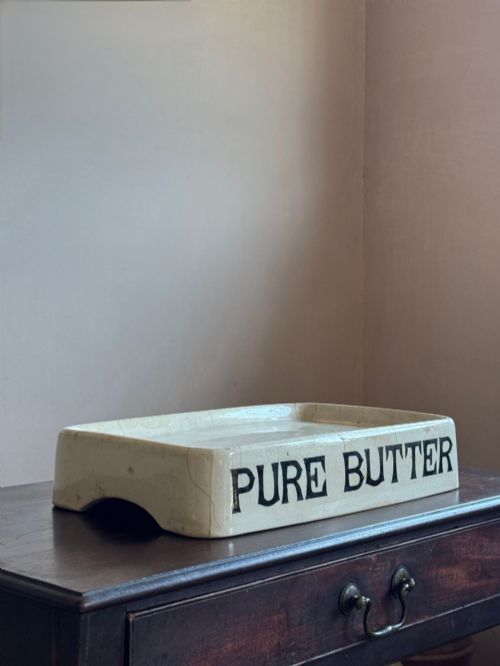
A victorian ceramic dish brings functional elegance to a table, offering everything from large cheese domes to delicate dessert plates.
Victorian Ceramic Dish
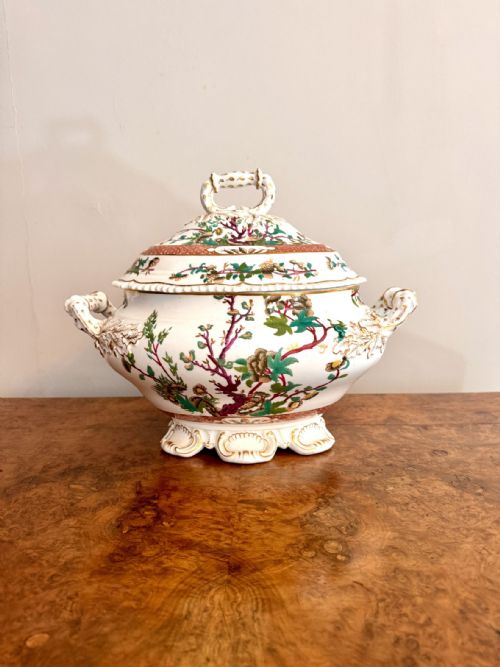
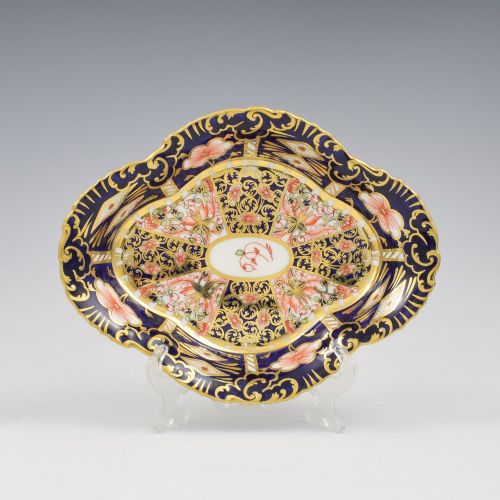
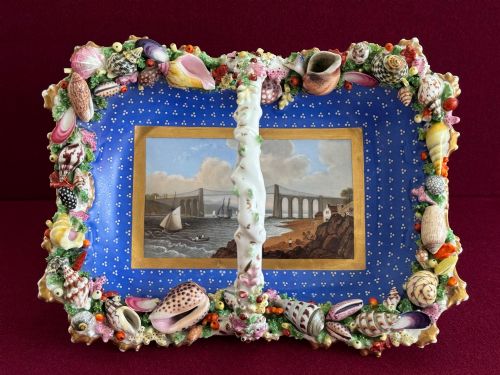
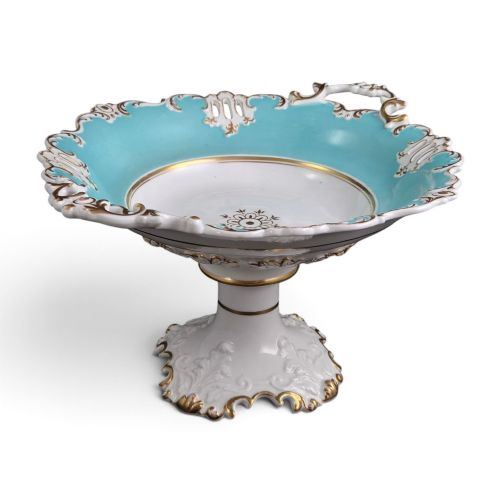
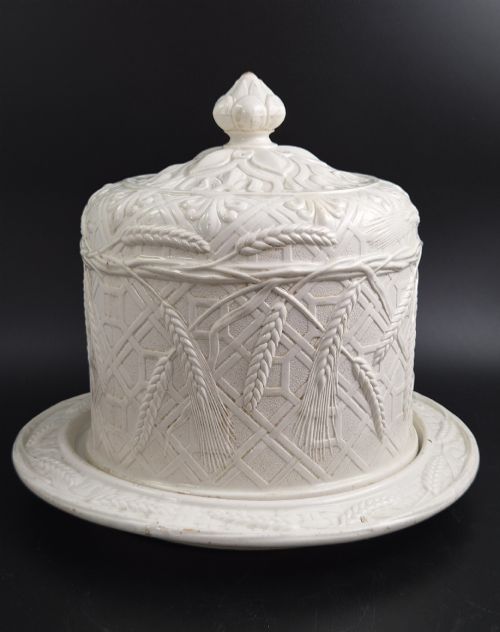
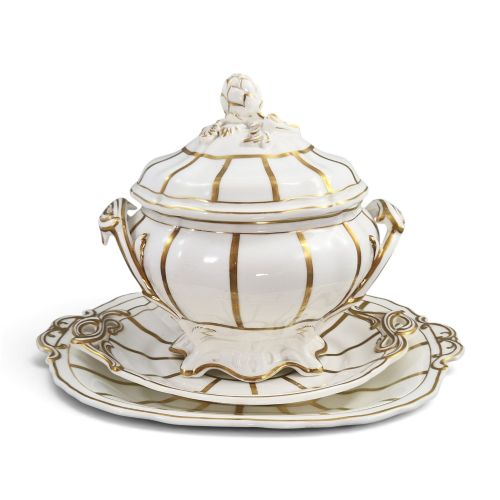
A victorian ceramic dish encompasses a diverse selection of serveware, decorative bowls, and platters created during the nineteenth century. Buyers searching this phrase will frequently encounter specialised items like cheese domes, tureens, and strawberry dishes alongside decorative plates.
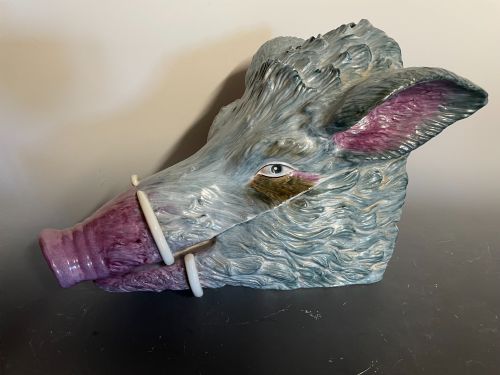
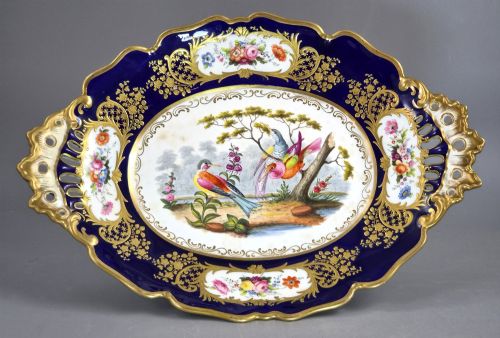
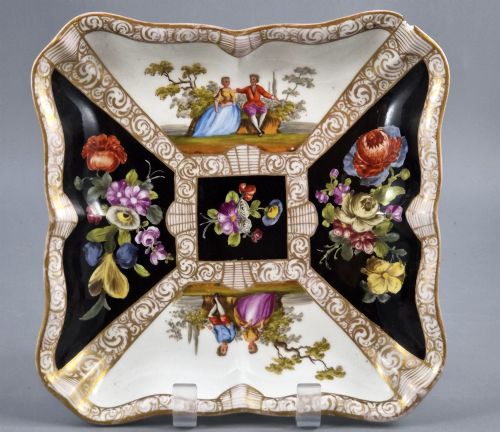
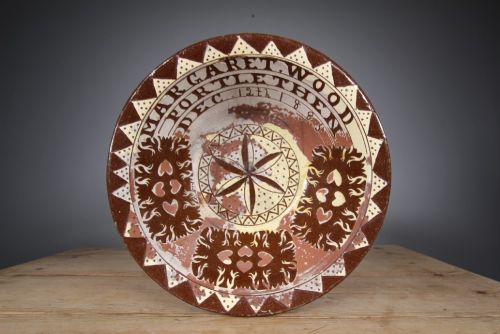
The objects originate from notable British potteries and continental manufacturers, spanning styles from Rococo Revival and Aesthetic Movement to Victorian Majolica. Pieces range from utilitarian white ironstone to highly ornate porcelain and earthenware decorated with hand-painted scenes.
Materials and Techniques
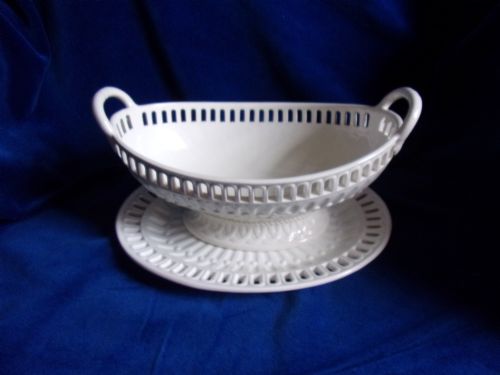
Potters utilised earthenware, bone china, and porcelain bodies, shaping them into elaborate forms such as baskets, majolica fruit designs, and footed bowls. Glazing and enamelling techniques provided durable surfaces, frequently enhanced with gold leaf and gilt detailing.
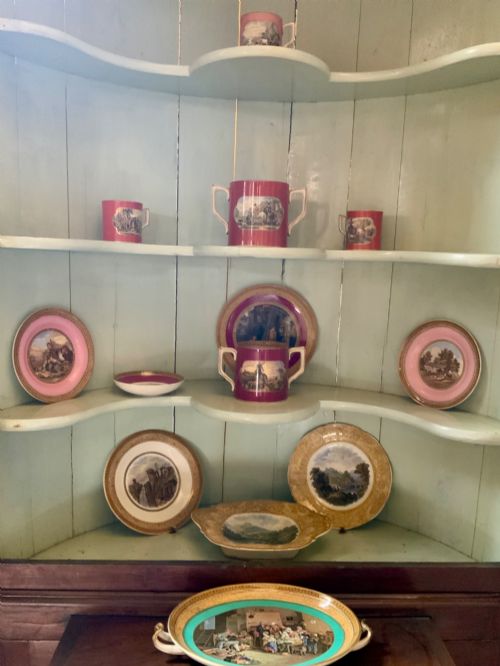
Moulding and slipcasting allowed for intricate relief work like basket weave textures and botanical motifs. Hand-painting applied over or under the glaze brought vibrant colour to birds, Watteau scenes, and floral patterns.
Markers of Excellence
Quality separates through the crispness of moulded relief details, the precision of hand-painted brushwork, and the richness of the glaze or enamel colours. Superior pieces display complex firing techniques, meticulous gilding, and defined attribution to renowned makers or artists.
The refinement of the ceramic body and the preservation of delicate decorative elements determine the standing of individual items within the wider range of nineteenth-century production.
Coalport·Meissen·Royal Worcester·Davenport·Seaton Pottery·Wedgwood·Staffordshire Prattware·George Jones·Minton·James Wallace and Co·Royal Doulton·Copeland·Copeland and Garrett·Doulton Burslem
The Victorian Ceramic Dish Glossary
- Majolica
- A type of colourful lead-glazed earthenware popular during the Victorian period, known for naturalistic fruit, flower, and animal motifs.
- Bone china
- A porcelain variety containing bone ash, prized for its strength, milky white appearance, and fine translucency.
- Ironstone
- A heavy, durable type of earthenware patented in the nineteenth century to rival true porcelain in practical kitchen and table wares.
- Tureen
- A deep covered bowl utilised for serving soups, vegetables, or sauces at the dining table.
- Jasperware
- A fine-grained, unglazed stoneware developed by Wedgwood, typically featuring white neoclassical or naturalistic reliefs against a coloured ground.
Victorian Ceramic Dish: Frequently Asked Questions
What were cheese domes used for?
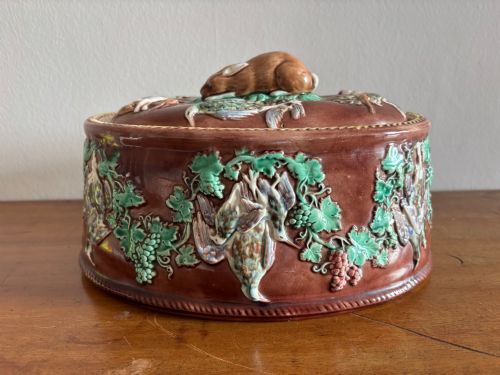
Cheese domes served to protect large cheeses from drying out and keeping pests away while resting on the dining table.
They paired with a matching ceramic stand and remained a staple of nineteenth-century dining.
How do I identify majolica?
Majolica pieces are recognised by their vibrant coloured lead glazes and moulded naturalistic designs, often depicting plants or animals.
Potters like George Jones and Minton produced notable examples featuring rich pinks, greens, and turquoise hues.
Are these dishes food safe?
Many nineteenth-century ceramic items can still serve food, though crazing in older glazes requires gentle hand washing.
Collectors often choose to display delicate porcelain and majolica pieces rather than use them for dining.
How do I date a Victorian dish?
Dating relies on maker marks, registration diamonds stamped into the ceramic, and stylistic clues like Aesthetic Movement motifs.
Comparing pattern numbers and archival records helps narrow down the production decade.