




Victorian Ceramic Decor
Victorian ceramic decor brings character to a room through glazed earthenware, porcelain figures, and decorative plates shaped by nineteenth-century tastes.
Victorian Ceramic Decor
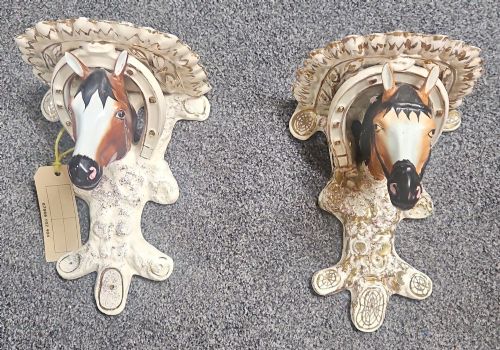
Victorian ceramic decor spans domestic ornamental objects and functional vessels produced across the nineteenth century, including Staffordshire animal figures, spill vases, wall plaques, and porcelain centrepieces. These items reflect both British pottery traditions and the era's fascination with global styles, incorporating Dutch Delft, Japanese aesthetics, and classical motifs.
Forms range from mantel ornaments and wall brackets to table service accessories such as biscuit barrels and jelly moulds. Each piece demonstrates how nineteenth-century makers combined utility with ornamental display in domestic interiors.
Materials and production techniques
Potters utilised earthenware, stoneware, and porcelain as the primary foundational bodies, shaping them through moulding, throwing, or casting. Glazes and enamel colours were then applied by hand, often complemented by raised gold decor, transfer printing, or lacquer over painted surfaces.
Coloured glazes and underglaze blue pigments defined much of the earthenware production, whilst fine porcelain pieces received delicate hand-painted details and gilding. Firing took place in traditional kilns, resulting in varied surface textures from high-gloss glazes to matte Parian ware.
Victorian Ceramic Decor Retail Price Guide 2026
Typical asking prices for victorian ceramic decor among the pieces listed under this phrase on Sellingantiques today, from the lower quarter to the upper quarter. They describe what is for sale here now, not the wider market.
Listings feature items spanning the nineteenth century, with materials ranging from basic earthenware and stoneware to fine porcelain and Parian ware.
Distinctions in quality
The choice of body material and the complexity of the glaze also distinguish tiers of manufacture. Elaborate modelling, successful multi-stage firing, and well-preserved surface decoration indicate the higher standard of Victorian ceramic production.
Sherwin and Cotton·Royal Worcester Hadley·Royal Crown Derby·Royal Dux·Mintons·Wedgwood·Dollond London·Sitzendorf
The Victorian Ceramic Decor Glossary
- Parian ware
- A fine-grained unglazed porcelain resembling white marble, often used for nineteenth-century portrait busts and figurative centrepieces. It was named after Parian marble from the Greek island of Paros.
- Spill vase
- A small hollow cylindrical vessel designed to hold taper splints used for lighting candles and fires. These were commonly modelled as animals or human figures in Staffordshire pottery.
- Moriage
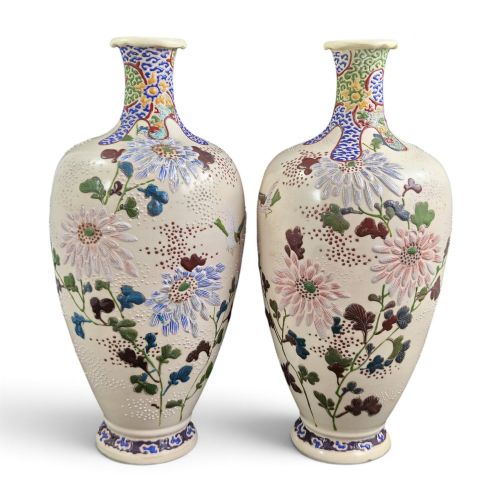
- A Japanese decorative technique where clay slip is piped onto the ceramic surface in raised dots or lines to form textured floral and geometric patterns. This method appears on Satsuma wares from the Meiji period.
- Jasper ware
- A durable fine-grained stoneware developed by Wedgwood, characterised by a matte coloured body with applied white neoclassical reliefs. Blue and sage green were favoured ground colours.
Victorian Ceramic Decor: Frequently Asked Questions
How were Victorian animal figures displayed?
Staffordshire animals and similar ceramic figures typically sat on mantelpieces in pairs, facing inward toward each other. They served purely as decorative ornaments in nineteenth-century parlours.
Larger figures and spill vases also found places on sideboards and credenzas where their painted details and bright glazes caught the light of oil lamps and candles.
What is Parian ware?
Parian ware is an unglazed porcelain developed in Britain to imitate carved white marble. It allowed manufacturers to produce detailed classical figures and centrepieces with a smooth matte finish.
Because the material resembles marble without requiring stone carving, it became a popular medium for portrait busts and decorative tableware during the nineteenth century.
How do I identify Satsuma pottery?
Satsuma pottery is distinguished by its cream-coloured, crackle-glazed earthenware body decorated with intricate enamels and gold. Many pieces feature traditional Japanese landscapes or floral motifs.
Later nineteenth-century examples often incorporate raised slip decoration known as moriage, adding a distinct tactile texture to the painted surface.
What was a biscuit barrel used for?
A biscuit barrel served as a lidded container for storing dry biscuits and sweet treats on the dining table or sideboard. These vessels were frequently made from ceramic, stoneware, or glass with metal mounts.
Well-to-do Victorian households used them during tea service to keep biscuits fresh and dry before offering them to guests.