



Victorian Ceramic Birds
These victorian ceramic birds bring painted plumage and modelled porcelain figures into the room, spanning factories from Staffordshire to Meissen.
Victorian Ceramic Birds
Victorian ceramic birds comprise figures, vases, plates and decorative objects produced across the nineteenth century and into the Edwardian period. Buyers encounter continental porcelain groups, English earthenware figures, and painted tableware featuring avian subjects.
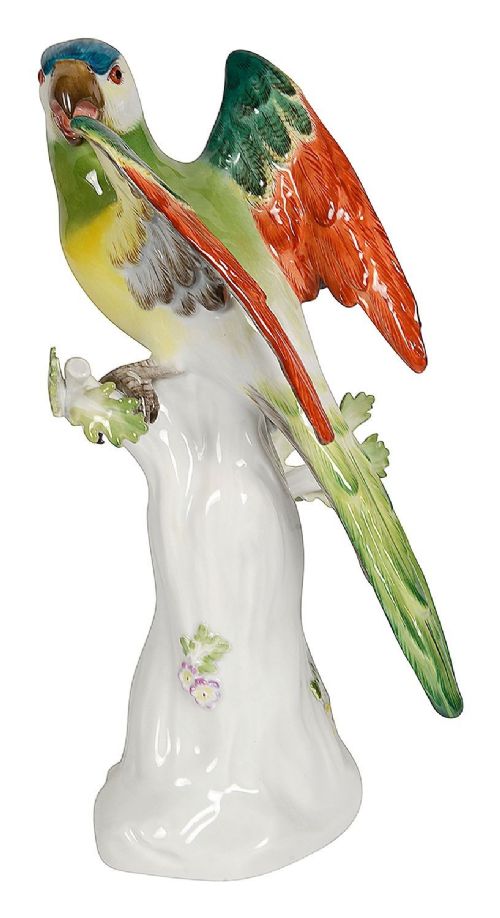
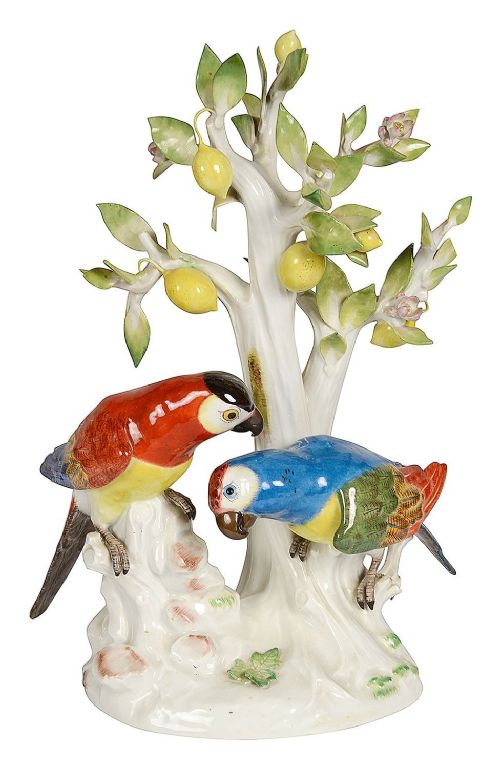
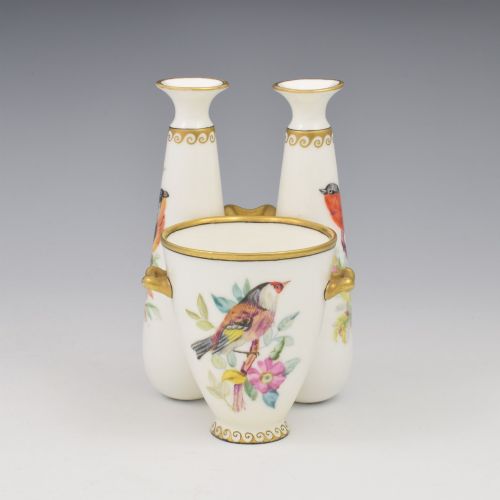
The selection ranges from Staffordshire parrots and Meissen figures under lemon trees to Royal Worcester vases decorated with ornithological scenes and Majolica jardinières. Production spans English potteries and European factories operating from the eighteen-forties to nineteen-hundred.
Materials and technique
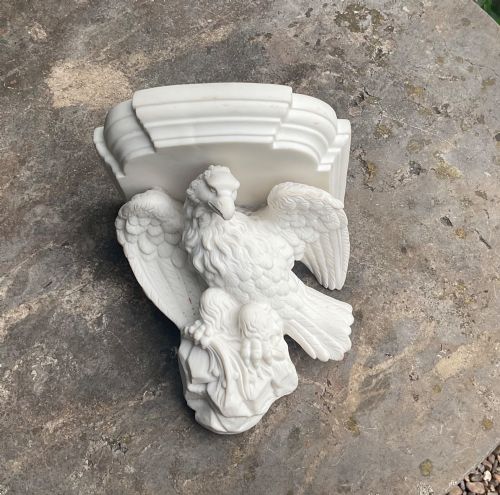
Pieces utilise porcelain, earthenware, and ironstone bodies, shaped through casting or moulding and finished with glazes, enamel colours, and gilding. Biscuit porcelain appears in unglazed figures and wall brackets.
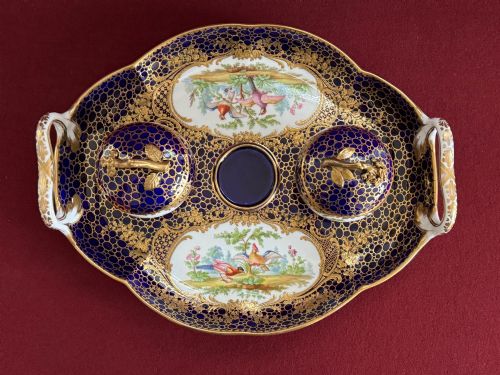
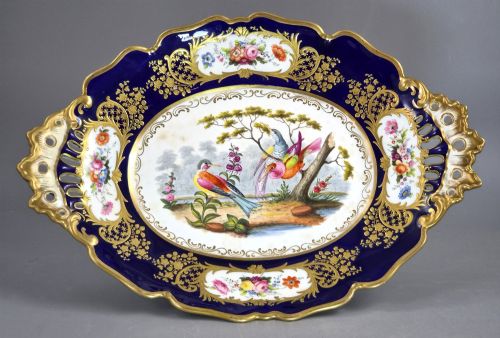
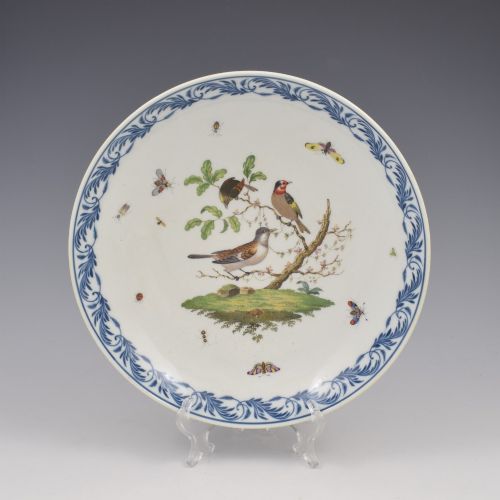
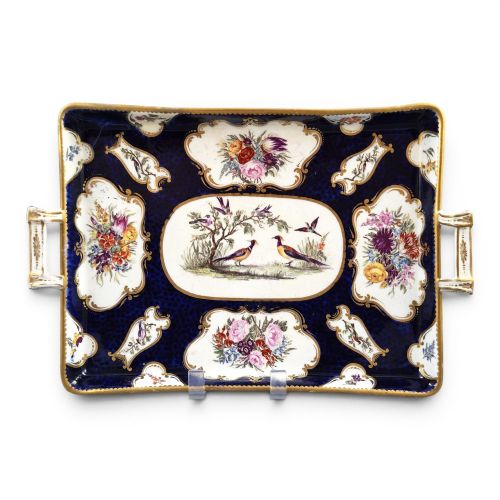
Decoration relies on hand-painting and transfer printing, with artists rendering exotic birds, storks, and parrots in polychrome palettes. Gold leaf and cobalt blue feature alongside applied details like foliage and hoops.
Victorian Ceramic Birds Retail Price Guide 2026
Typical asking prices for victorian ceramic birds among the pieces listed under this phrase on Sellingantiques today, from the lower quarter to the upper quarter. They describe what is for sale here now, not the wider market.
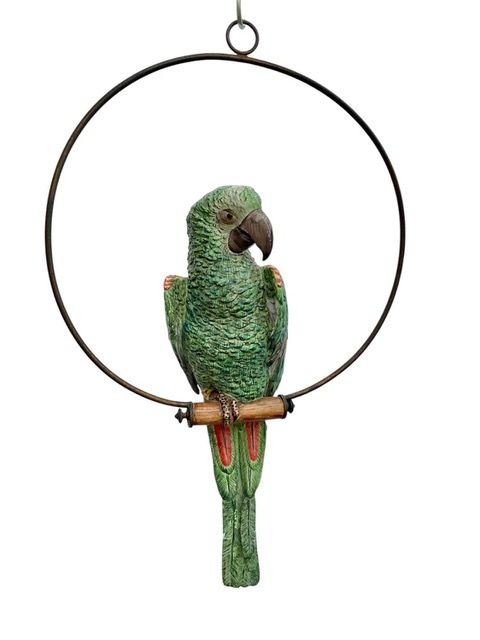
A porcelain parrot peers down from a metal hoop, frozen in clay while balancing above nineteenth-century sideboards.
Quality differences
Quality rests in the crispness of the modelling and the precision of the hand-painted feather details. Superior examples display nuanced colour blending in the enamel work and careful application of gilding.
Factory origin and the skill of the named decorator determine distinction. Pieces bearing recognised marks from Meissen, Royal Worcester, or Minton command attention through their sculptural ambition and decorative control.
Staffordshire Pottery·Samson·Bretby·Minton·Coalport·Meissen·Royal Worcester·Mason's Ironstone·Doulton Lambeth·George Jones·Royal Crown Derby
The Victorian Ceramic Birds Glossary
- Biscuit
- Unfired or unglazed ceramic fired once to a porous state, common in figures and wall brackets. It provides a matte surface that highlights sculptural detail.
- Majolica
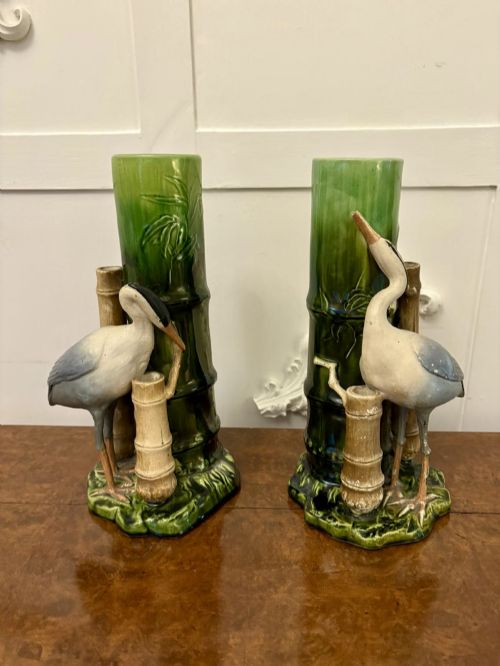
- A heavy earthenware pottery covered with an opaque coloured glaze, frequently utilised for jardinières and large vessels depicting birds and foliage. The technique produces vibrant greens, yellows and blues.
- Ironstone
- A dense, durable type of ceramic developed in England, used for chargers, plates and posy vases. It resists chipping while accepting intricate printed and painted patterns.
- Reticulated
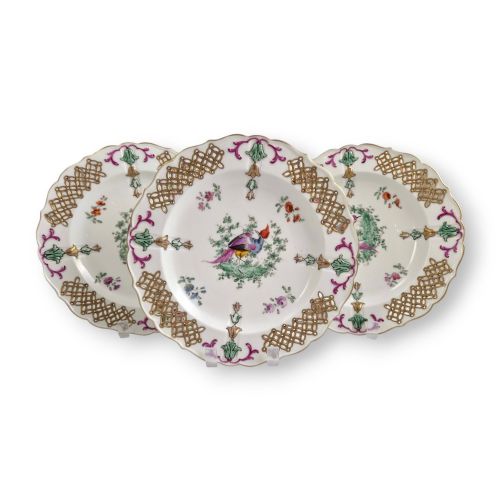
- Pierced or openwork ceramic decoration forming a net-like pattern, seen on plates and dessert dishes. This technique requires steady hands during firing to prevent distortion.
- Parian
- A fine white porcelain resembling marble, named after Parian marble and utilised for figures and brackets. It offers a smooth, tactile finish popular for classical and natural subjects.
Victorian Ceramic Birds: Frequently Asked Questions
How do I display these birds?
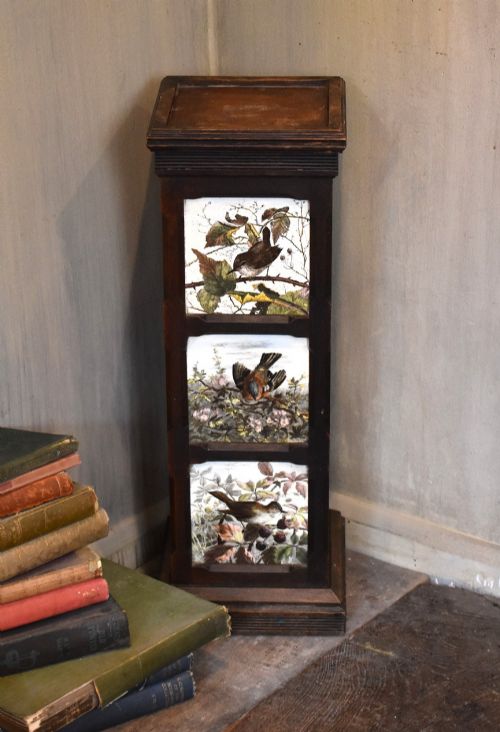
Figures and vases suit mantelpieces, cabinets and pedestals where adequate light illuminates their painted glazes and modelled surfaces. Wall brackets attach directly to vertical spaces to support plants or decorative items.
Pare larger jardinières and ewers with plain surroundings to let their coloured majolica glazes stand out. Keep delicate porcelain away from heavy traffic areas to prevent accidental knocks.
Are these pieces marked?
Many continental and English pieces carry factory stamps, painted crossed swords, or impressed numbers on the underside. These marks indicate the origin and production period.
Unmarked examples rely on style, paste composition, and decorating traditions to suggest a maker or factory attribution. Examination of the base often reveals clues about the workshop.
What styles are represented?
The selection includes pieces from the Aesthetic Movement, Rococo Revival, and Sevres Revival styles. Each movement brings distinct ornamental vocabulary to the avian theme.
Victorian and Edwardian items mix naturalistic studies of birds with classical figures and oriental influences. This variety reflects changing tastes across the nineteenth century.