


Victorian Cast Iron Holder
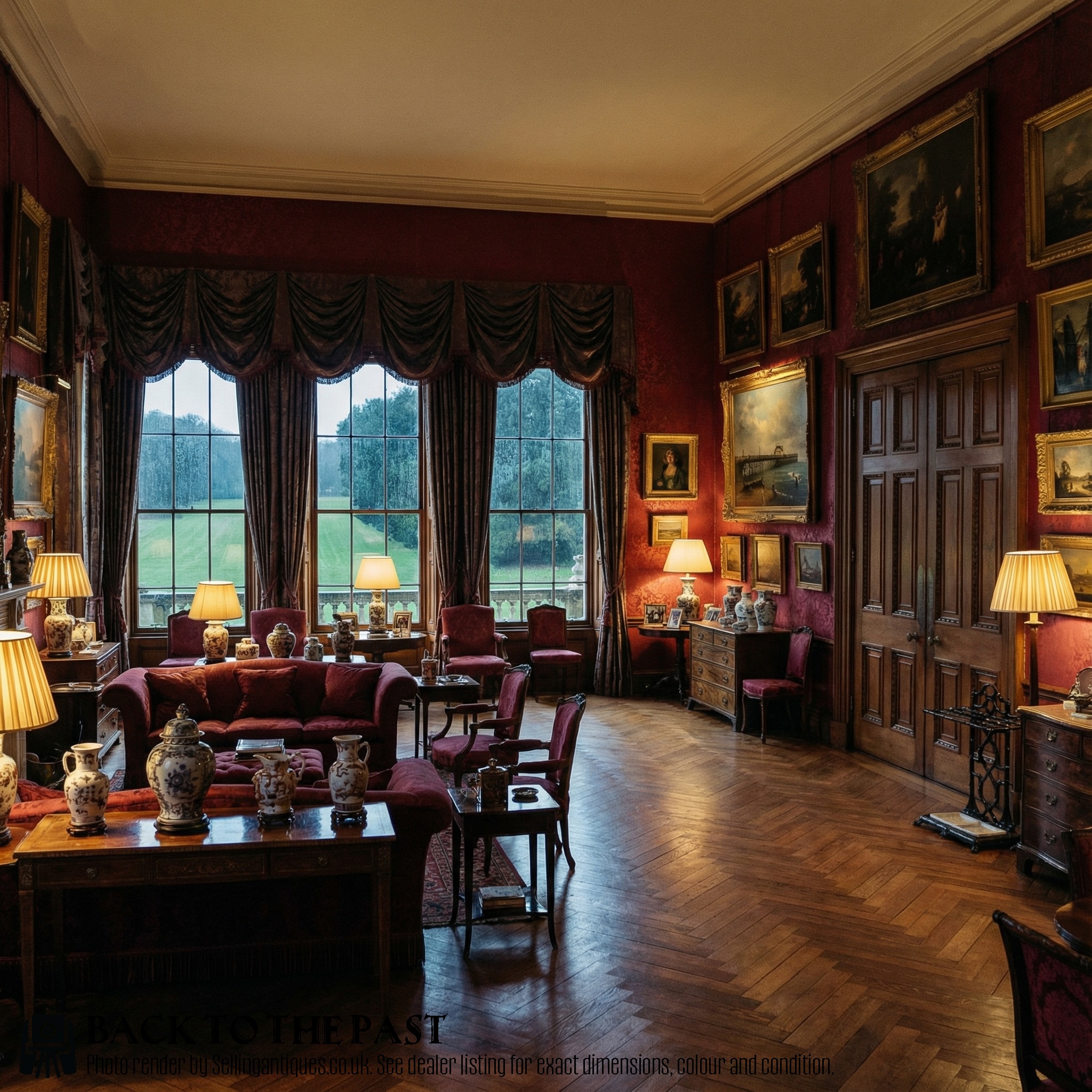
These Victorian cast iron holder items are utilitarian hall furnishings that bring robust structure and period character to an entrance hall.
Victorian Cast Iron Holder
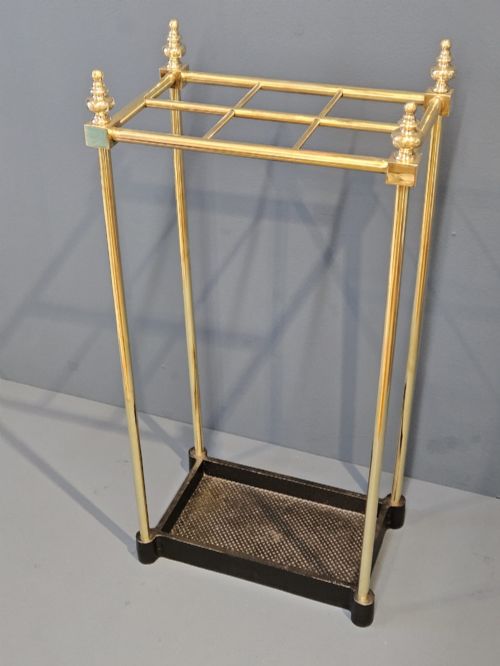
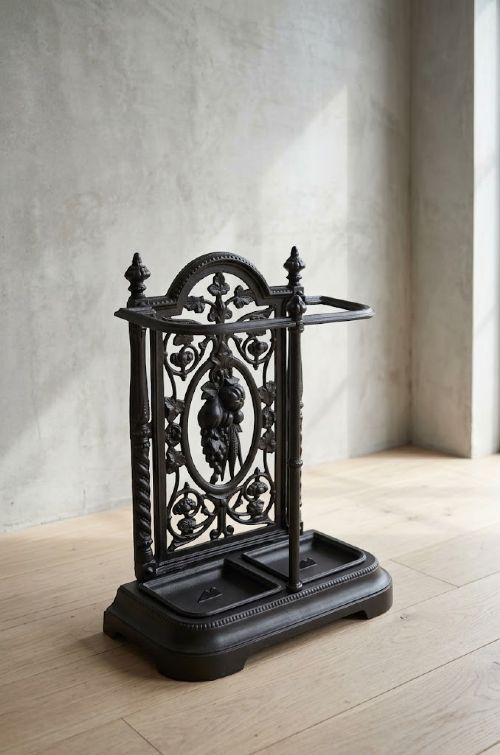
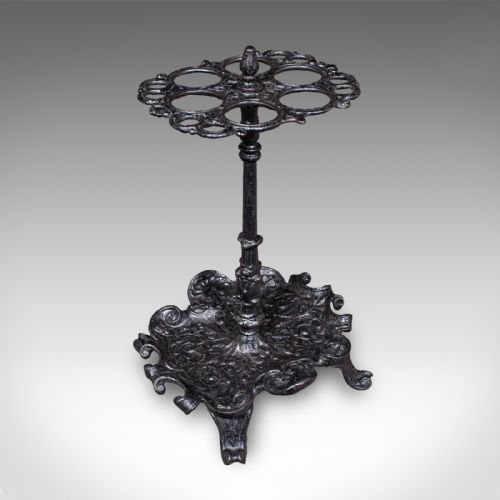
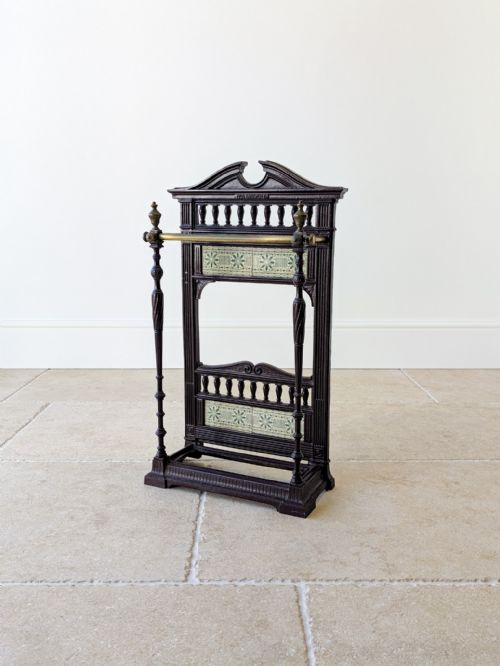
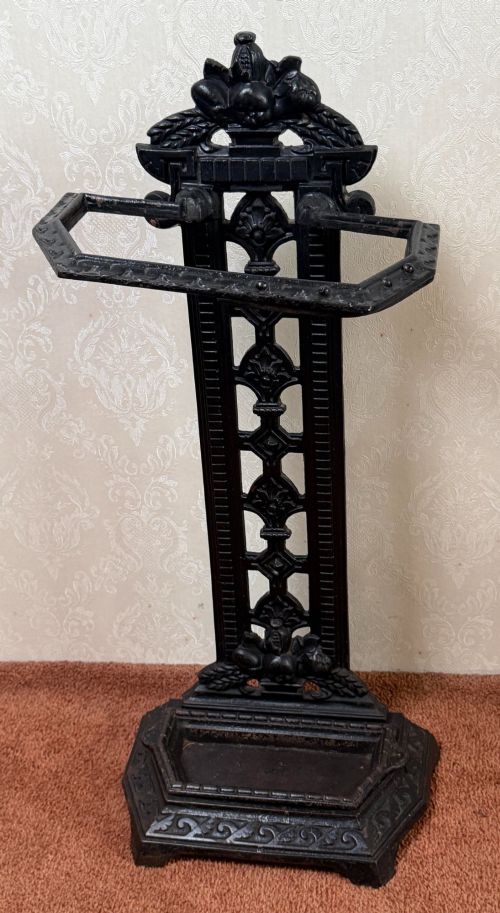
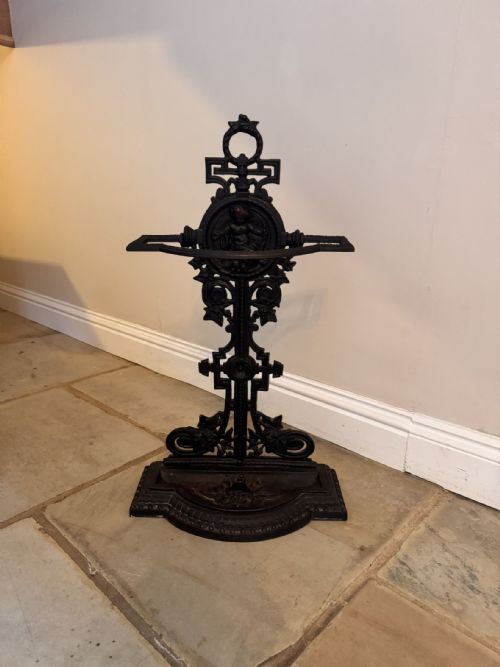
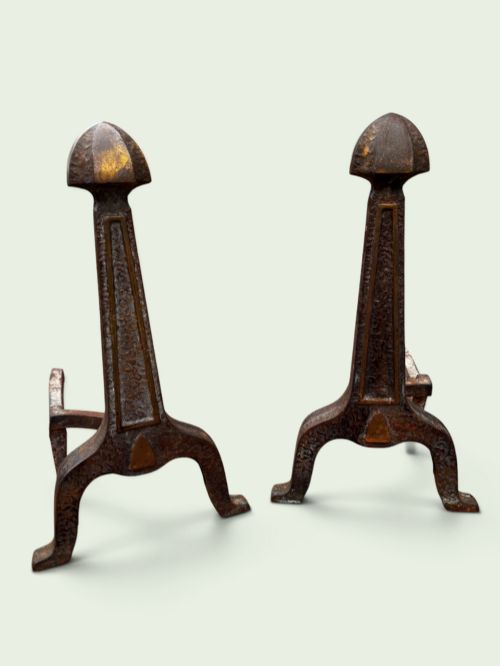
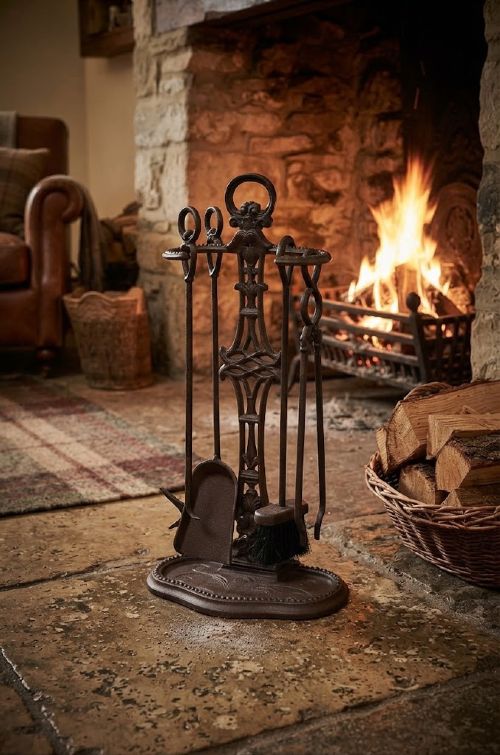
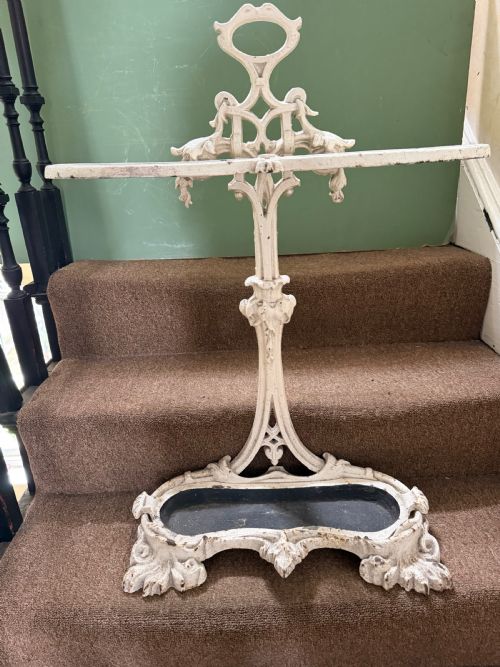
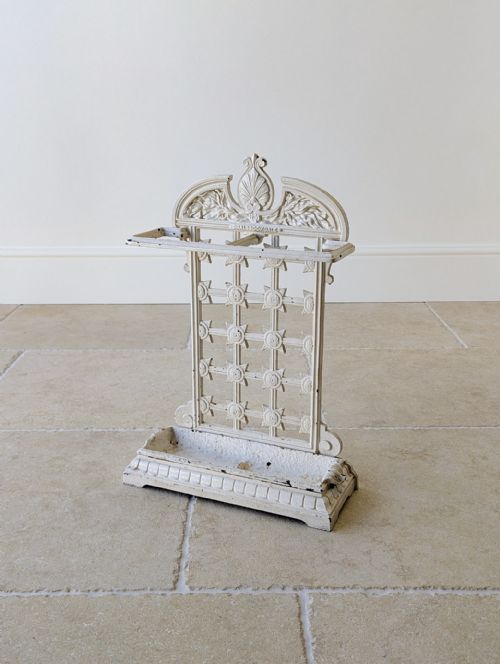
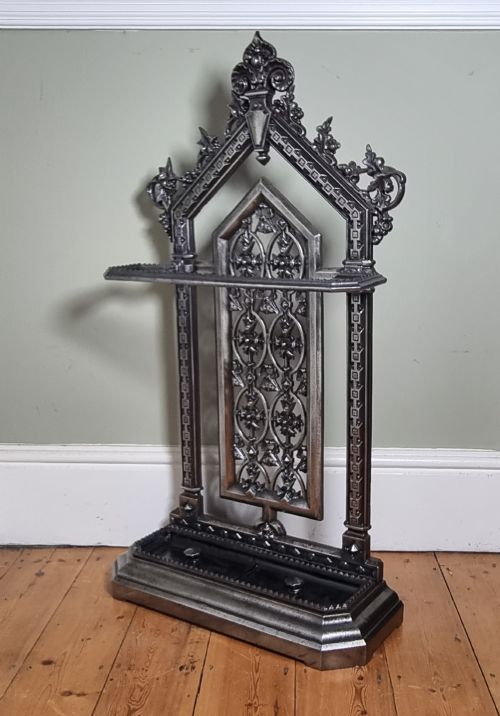
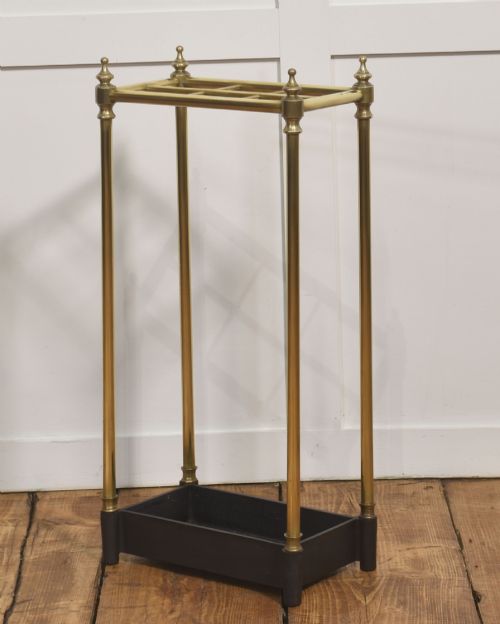
A Victorian cast iron holder is typically a heavy umbrella or stick stand designed to keep wet walking sticks and umbrellas organised in a domestic hallway. You will most frequently encounter umbrella and stick stands cast in iron, alongside related forms such as fire tool stands and plant stands.
The objects span periods from the mid nineteenth century through the Edwardian era, incorporating styles like Gothic Revival, Aesthetic Movement, and French Art Nouveau. Formats range from large hall pieces to semi-lune wall-hugging designs and occasional garden stands.
How They Were Made
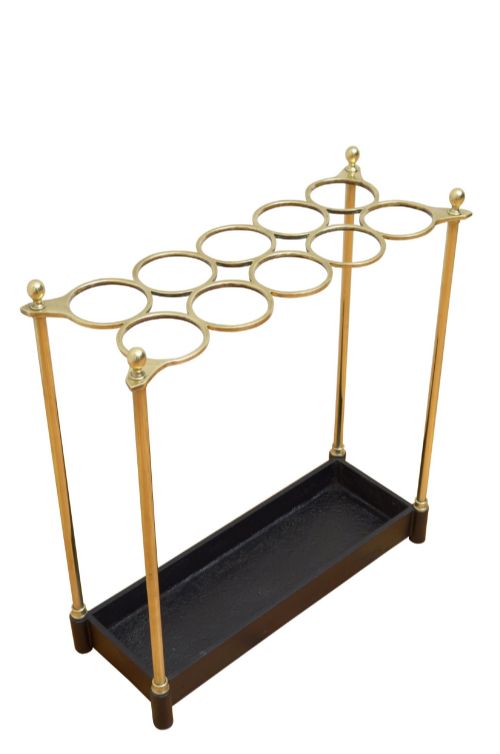
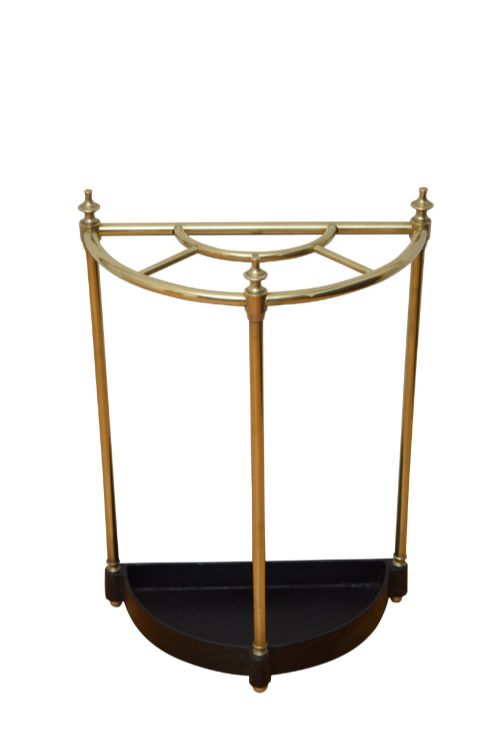
Foundries utilised sand casting techniques to pour molten iron into intricate moulds, producing crisp relief decoration and robust structural frames. Makers often combined the heavy cast iron body with brass rails, finials, or drip trays to introduce contrasting metallic tones.
Many examples received a durable layer of paint, often black or dark hues, to protect the metal from moisture and rust in busy entranceways.
Victorian Cast Iron Holder Retail Price Guide 2026
Typical asking prices for victorian cast iron holder among the pieces listed under this phrase on Sellingantiques today, from the lower quarter to the upper quarter. They describe what is for sale here now, not the wider market.
Foundries occasionally cast umbrella stands shaped as gun dogs or sporting footballers to amuse Victorian guests.
What Varies In Quality
Quality rests in the crispness of the casting detail and the sophistication of the design, distinguishing standard utilitarian foundry output from sophisticated foundry work associated with known designers. Finer examples retain their original drip trays, often removable, and exhibit balanced proportions without clumsy repairs to the brittle iron.
The presence of registered design stamps, maker marks on the base, or date lozenges points to higher grade production by major foundries.
Coalbrookdale·Thomas Jeckyll·Osborne Garrett And Co·Falkirk Ironworks·A Kenrick And Sons
The Victorian Cast Iron Holder Glossary
- Demi-lune
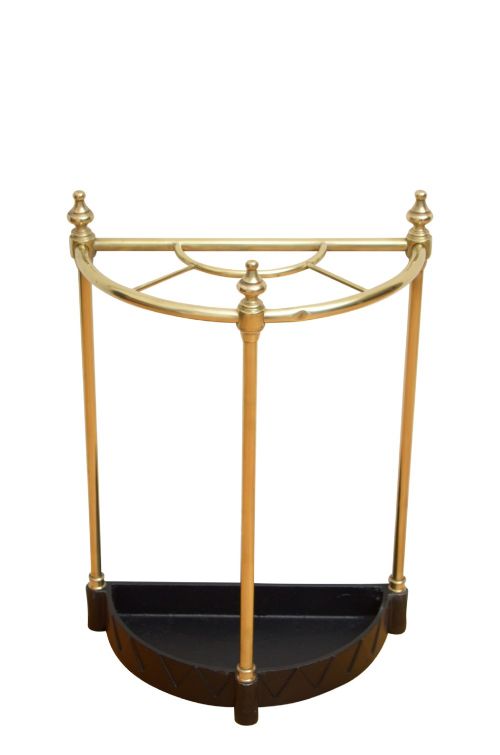
- A half-moon shape designed to sit flush against a hallway wall. This space-saving profile is common in brass and iron umbrella stands.
- Drip tray
- A metal base pan situated beneath the stick holders to catch water runoff. They prevent moisture from damaging hallway floors.
- Gothic Revival
- An architectural and decorative style drawing on medieval forms. It appears on cast iron stands through pointed arches and tracery motifs.
- Aesthetic Movement
- A late nineteenth century design style emphasising visual beauty over narrative meaning. Pieces in this style often incorporate stylised plant motifs and linear geometry.
- Finial
- A decorative terminal ornament topping a post or rail. They frequently appear in brass on the upper corners of iron stands.
Victorian Cast Iron Holder: Frequently Asked Questions
How do I clean a cast iron holder?
Dust the piece regularly with a dry cloth and avoid harsh chemical cleaners that strip historic paint.
If rust appears, treat it gently with a soft brush and a light application of protective oil.
Were these stands only used for umbrellas?
While primarily built for wet umbrellas and walking sticks, nineteenth century households used similar frames for fireplace tools.
Some variants also served as plant stands or garden jardinières in conservatories.
How do I spot a maker mark?
Foundry names and registration numbers are typically cast directly into the underside or backplate of the iron frame.
Look closely around the base or drip tray area for raised lettering.
Are brass and iron combinations authentic?
Makers frequently combined cast iron frames with brass rails, rods, and drip trays during the nineteenth century.
This mix of metals provided structural weight alongside brighter decorative elements.