

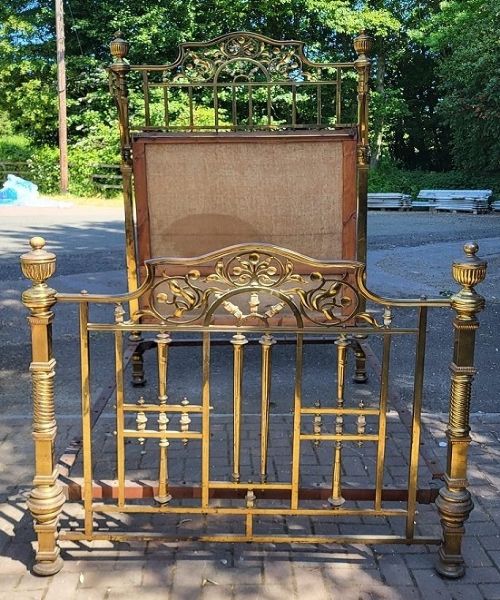
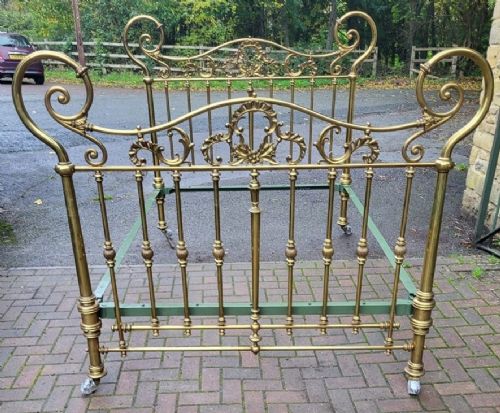
Victorian Cast Iron Furniture
Victorian cast iron furniture brings robust outdoor seating and hall storage into gardens and interiors through patterned metalwork.
Victorian Cast Iron Furniture
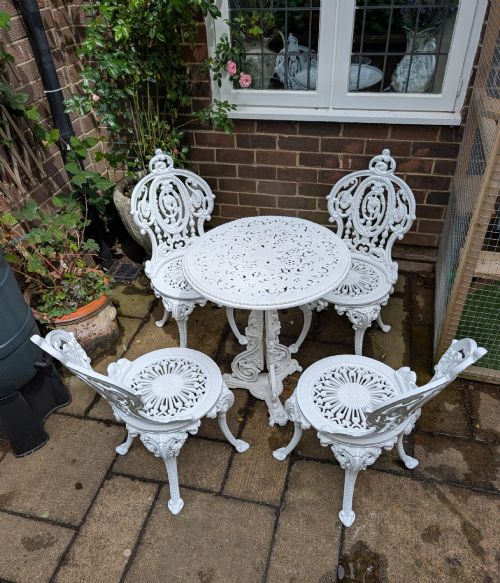
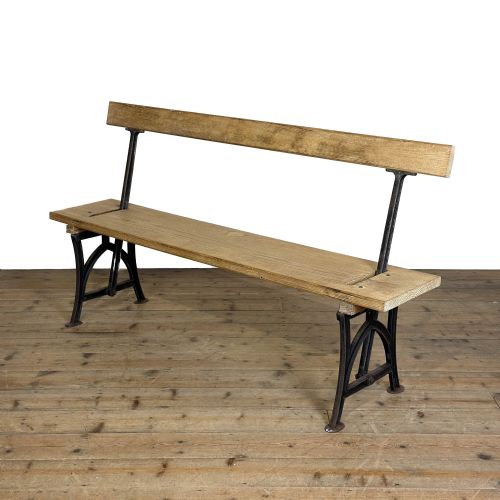
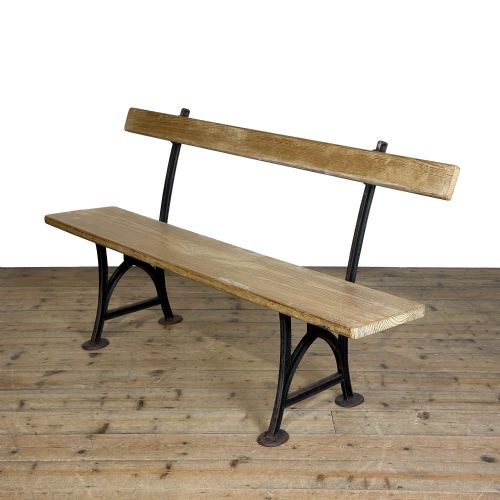
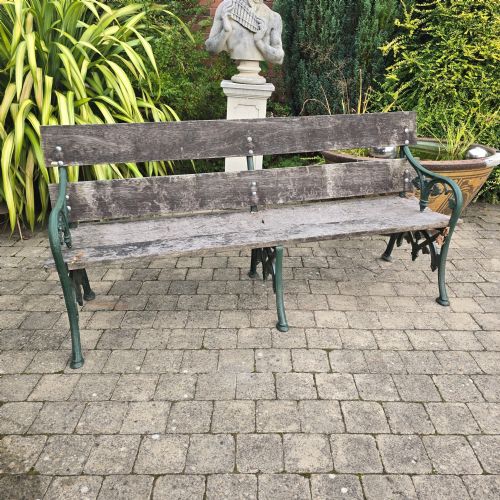
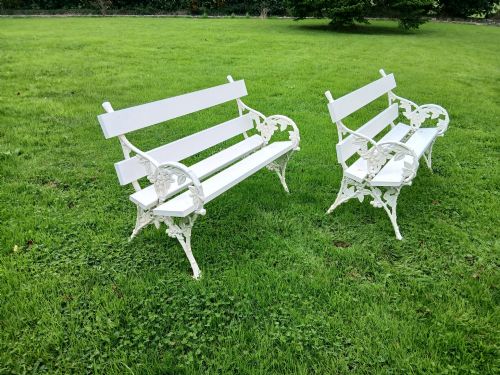
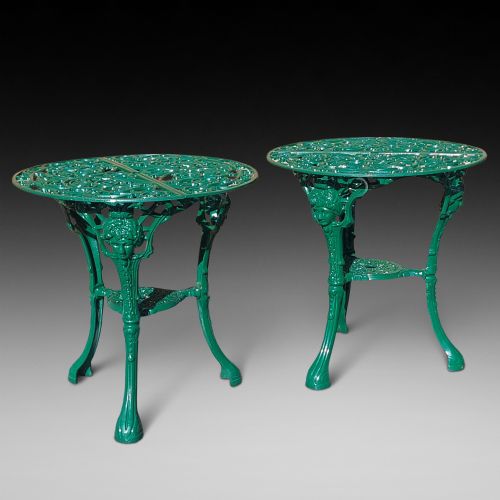
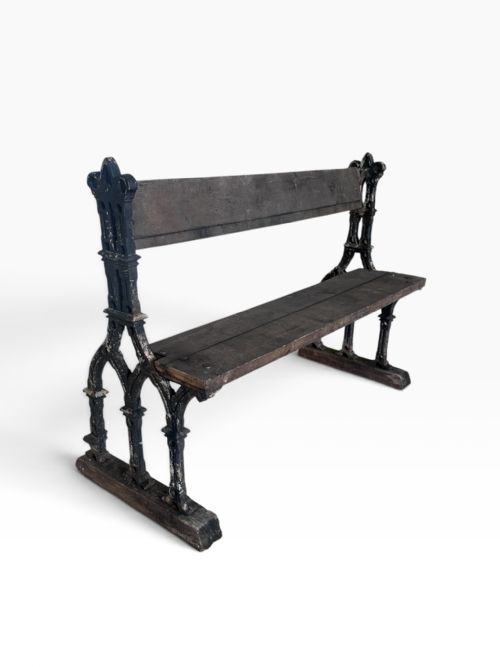
Victorian cast iron furniture encompasses heavy metal seating, tables, and umbrella stands produced across the nineteenth century and into the Edwardian period. Buyers searching for victorian cast iron furniture commonly encounter garden benches featuring botanical motifs, alongside hall stands and pub tables designed for domestic or commercial spaces.
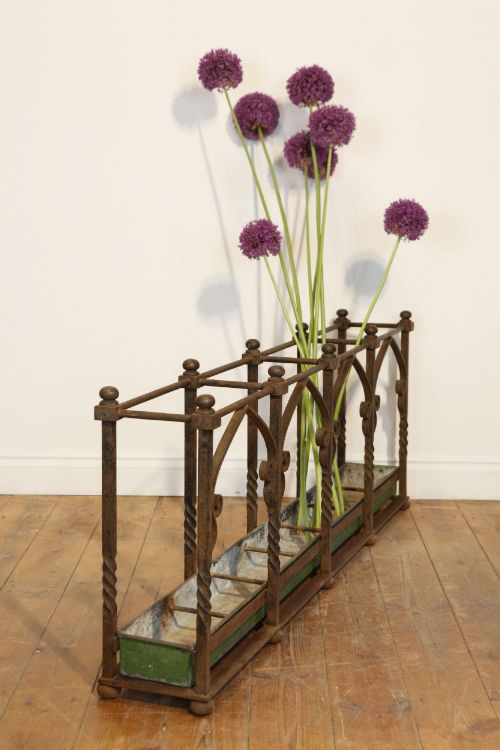
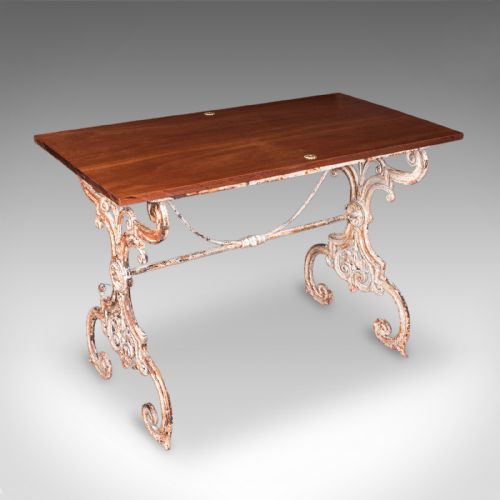
The selection ranges from rustic garden seats and bistro sets with marble tops to elaborate stick stands and conservatory tables. Pieces often bear specific nineteenth-century design traits, spanning Gothic, Rococo Revival, and faux bois styles created for both indoor display and outdoor use.
Materials and foundry techniques
Foundries utilised sand-casting techniques to pour molten iron into intricate moulds, producing detailed patterns like blackberry leaves, ferns, and rustic branches. Many items combine heavy cast iron frames with wooden slats, marble tabletops, or brass accents.
Surface finishes typically involve layered paint applied to protect the metal from weathering outdoors or to decorate hallway umbrella and coat stands.
Victorian Cast Iron Furniture Retail Price Guide 2026
Typical asking prices for victorian cast iron furniture among the pieces listed under this phrase on Sellingantiques today, from the lower quarter to the upper quarter. They describe what is for sale here now, not the wider market.
A child's garden swing cast in iron brings unexpected playground luxury to nineteenth-century domestic lawns.
Assessing quality in cast iron pieces
Quality rests upon the crispness of the foundry casting and the depth of the moulded detail, where superior examples maintain sharp leaf veins and clean background textures without surface blurring. The prestige of the founding foundry significantly elevates a piece, as demonstrated by notable works from makers such as Coalbrookdale or Falkirk Carron.
Structural integrity depends on the original thickness of the metal and the survival of secondary materials like marble tops or wooden seating slats. Pieces that retain their early painted surfaces or manufacturer registry marks command greater attention from collectors.
Falkirk Carron Foundry·Coalbrookdale·Christopher Dresser
The Victorian Cast Iron Furniture Glossary
- Faux bois
- Imitation wood grain moulded directly into the cast iron, often shaped to resemble rustic branches or twigs. This technique was popular for garden benches during the nineteenth century.
- Stick stand
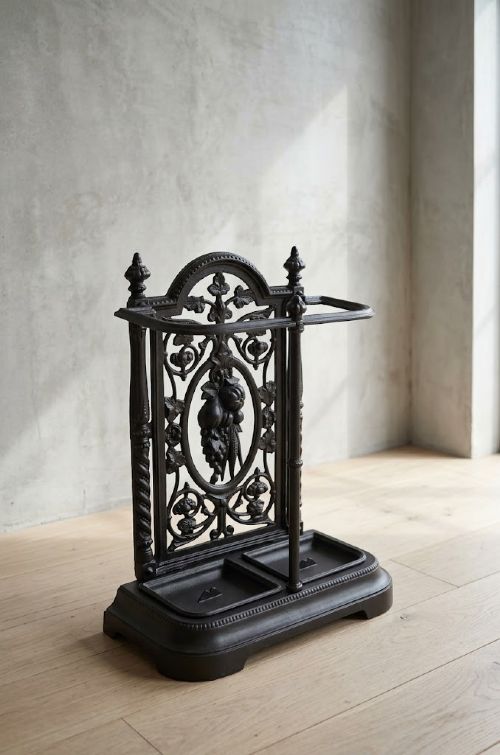
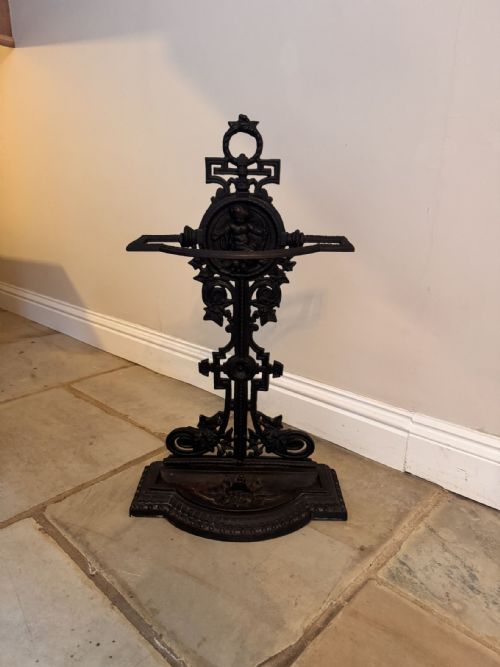
- A tall hallway piece designed for holding walking sticks and umbrellas, frequently constructed with a cast iron frame and a metal drip tray at the base.
- Coalbrookdale style
- Design motifs and patterns associated with the famous Shropshire foundry, known for botanical and naturalistic garden seating.
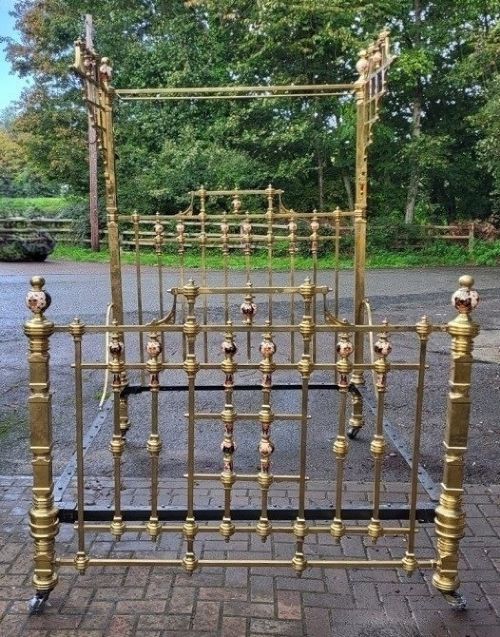
- Half tester bedstead
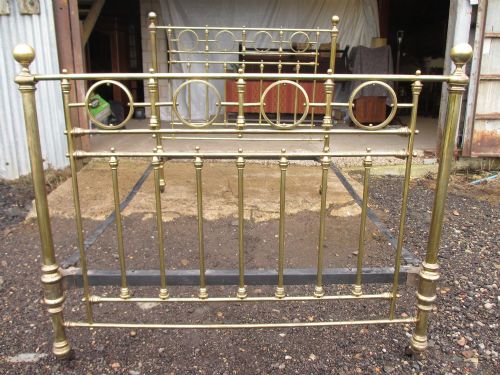
- A bed featuring a partial canopy or tester projecting from the headboard, occasionally incorporating iron framing and brass components.
Victorian Cast Iron Furniture: Frequently Asked Questions
Can these garden benches stay outside all year?
Cast iron withstands outdoor environments reliably, though winter dampness can cause surface oxidation if the protective paint layer degrades.
Regular maintenance and periodic repainting help preserve the metal against weathering in gardens and patios.
How do I identify a Coalbrookdale piece?
Authentic pieces often bear registry marks, serial numbers, or foundry stamps cast directly into the reverse of the metal framework. The precision of the plant or rustic moulding also indicates high foundry standards.
Catalogues from the period record specific fern and blackberry patterns attributed to these major manufacturers.
Are marble tops on bistro sets original?
Many nineteenth-century tables paired cast iron bases with heavy white or grey marble slabs to provide a stable, wipe-clean surface for conservatories and refreshment rooms.
Checking the underside reveals whether the stone rests securely within the original iron retaining gallery.
How heavy is a cast iron hall stand?
These umbrella and coat stands possess substantial weight due to the dense metal bases required to prevent tipping when laden with heavy garments.
Positioning them safely in a hallway requires a sturdy floor surface and careful placement away from high-traffic household hazards.