
Victorian Cast Iron Frame
When you search for a victorian cast iron frame, you find sturdy metal beds, garden benches, mirrors, and table bases built to last generations.
Victorian Cast Iron Frame
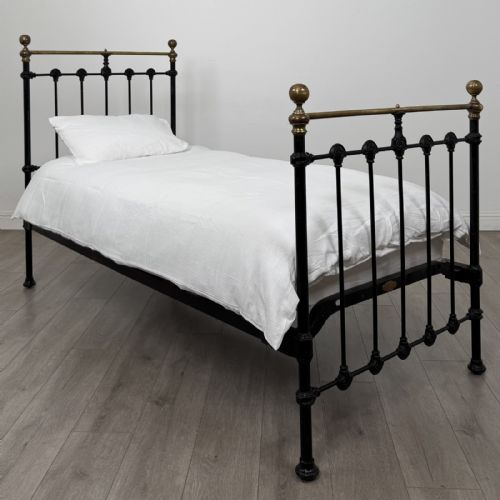
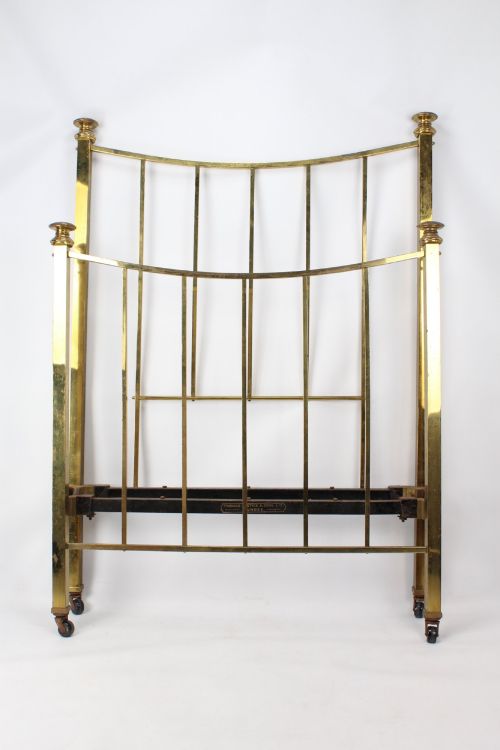
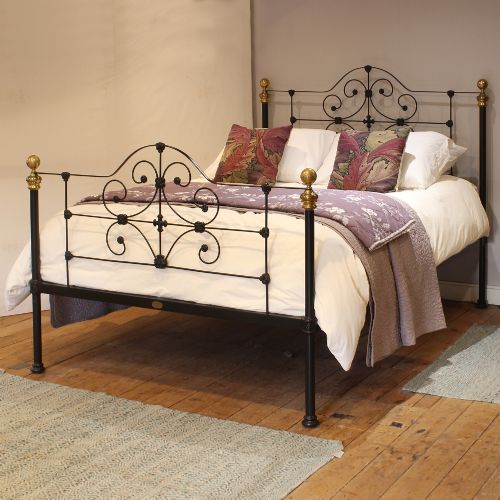
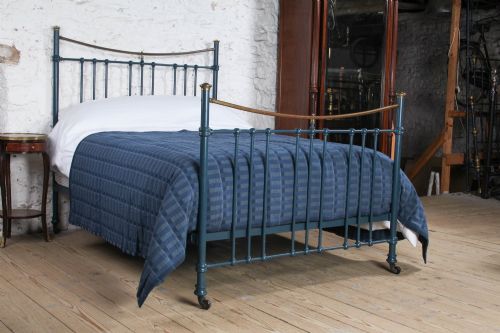
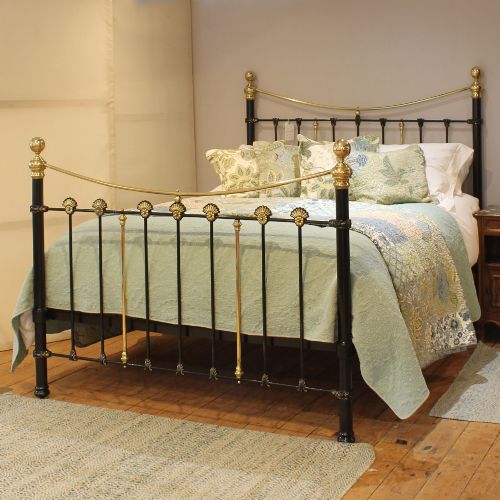
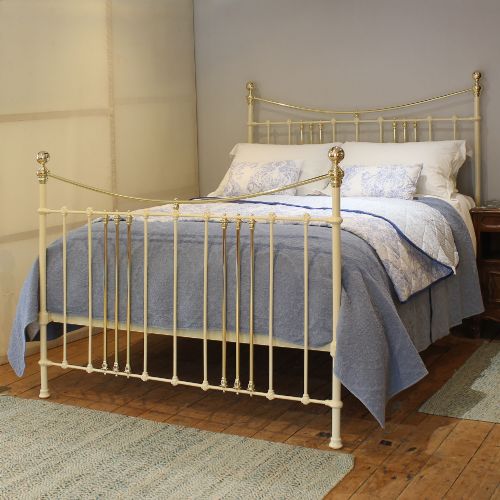
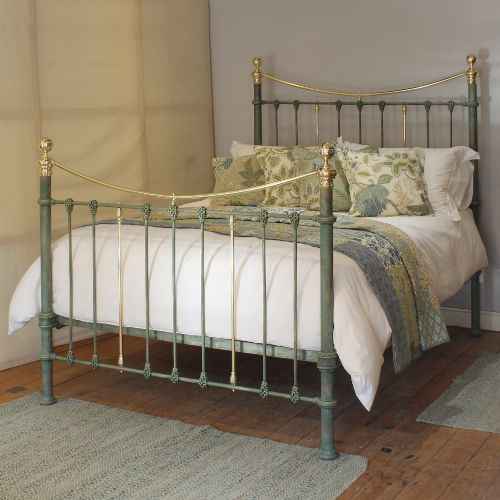
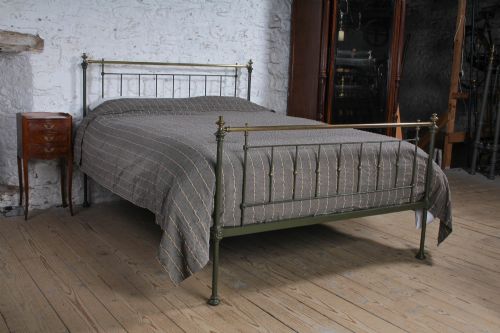
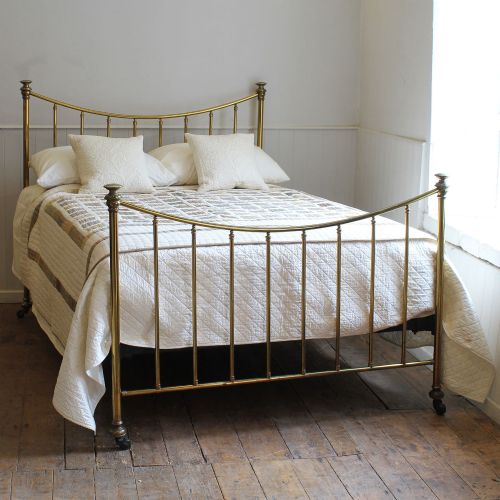
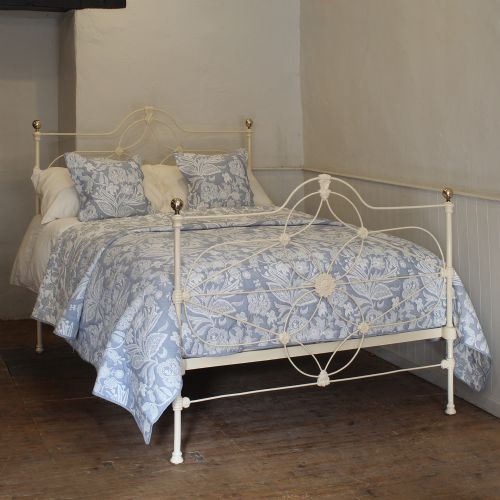
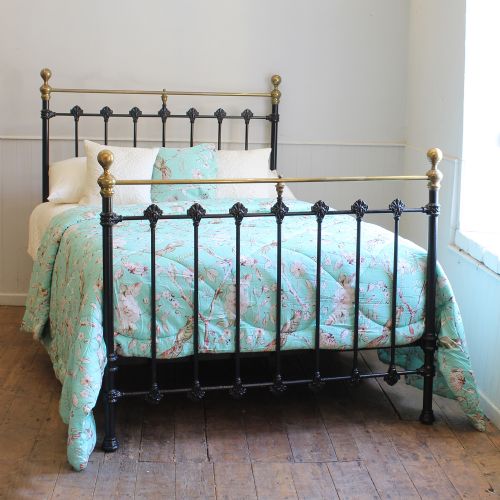
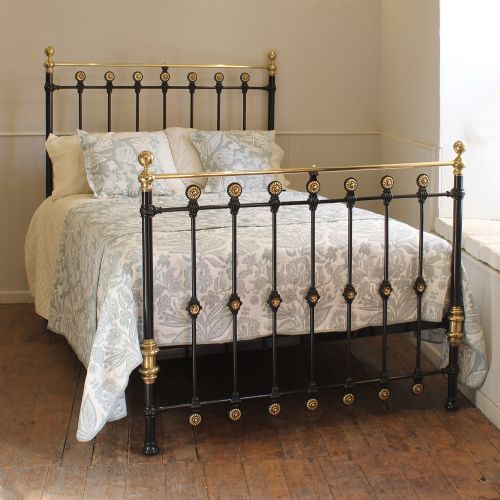
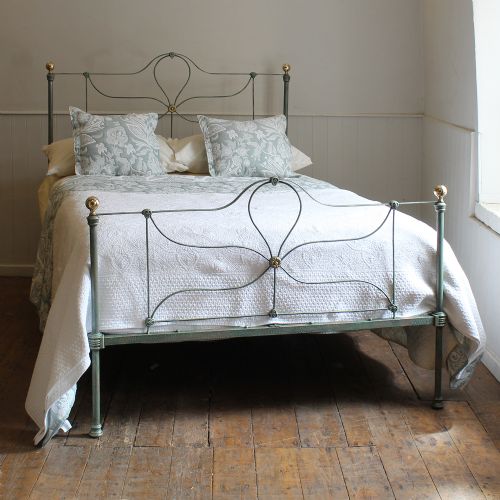
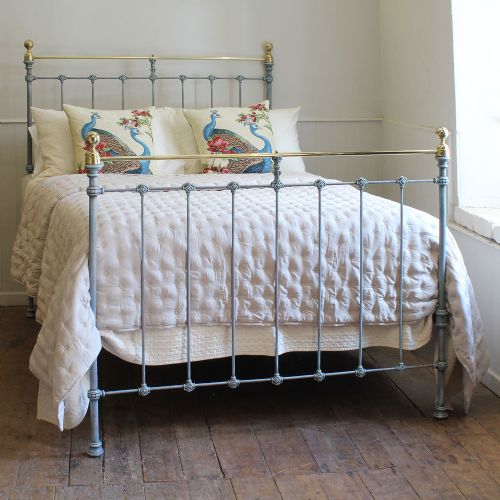
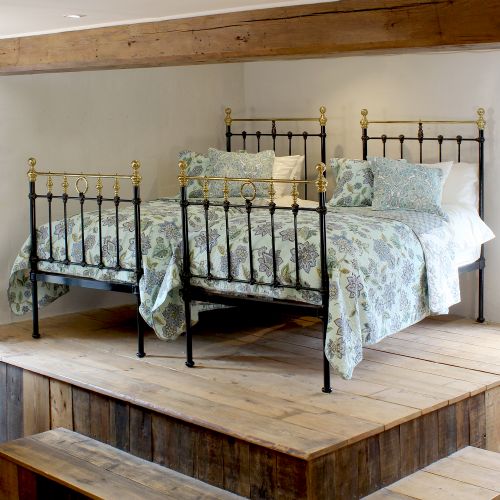
A victorian cast iron frame primarily appears in bedroom furniture, taking the form of iron and brass bedsteads, half testers, daybeds, and simple bed frames spanning single to king sizes. These pieces date across the nineteenth century and into the early twentieth century, incorporating periods like the Victorian and Edwardian eras. Buyers encounter various sizes, from small double and three quarter queen sizes to extra wide super king proportions.
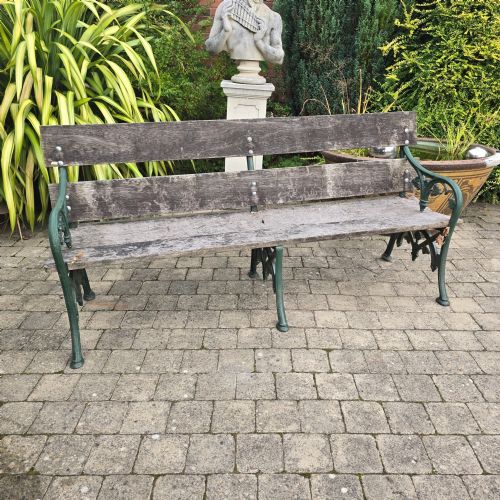
Beyond sleeping furniture, the category extends to practical outdoor and interior items. Garden benches utilise cast iron frames paired with wood for patio and park seating. Wall mirrors, umbrella stands, revolving office chairs, and table bases also form part of the selection, demonstrating the versatility of iron in period domestic and commercial settings.
Stylistic variations range from plain all-iron frames to decorative pieces featuring brass mountings, ceramic or mother of pearl details, and painted finishes in green or black. Regional and aesthetic influences include French country designs, Celtic revival patterns, and Victorian art nouveau or aesthetic movement touches.
Materials and construction
Construction relies heavily on cast iron and wrought iron, frequently combined with brass components such as brass tubing, top rails, and decorative castings. Frames often incorporate slot-in side rails and sit upon original castors, while specific beds feature tapered posts and ribbon reed shaping.
Surface treatments recorded in the evidence include applied paint finishes and decorative colour schemes in green and black. Certain furniture items integrate wood, ceramic elements, and glass, alongside specific touches like mother of pearl inlay on metal beds.
Certain iron beds feature unexpected mother of pearl details tucked among the metalwork.
Judging quality in iron frames
Quality shows in the crispness and complexity of the castings and the balance of decorative elements. Pieces with intricate curly ironwork, attractive brass details, or specific aesthetic styling stand apart from plain utilitarian frames.
Originality defines the upper tier of the range. Complete sets retaining original brass components, maker marks, matching pairs, and undamaged paint or structural integrity demonstrate superior manufacturing origin.
Winfield·Gillows of Lancaster
The Victorian Cast Iron Frame Glossary
- Cast iron
- Iron poured into a mould to take complex shapes. This material forms the rigid structural bases and decorative ends of period beds and benches.
- Bedstead
- A framework supporting a bed. These items include headboards, footboards, and side rails constructed from iron and brass.
- Half tester
- A bed with a partial canopy extending from the wall over the head of the bed. They often feature brass and iron frames with ornamental pillars.
- Daybed
- A couch that can be used for lounging or as a bed. Victorian examples utilise cast iron frames with decorative ends.
- Castor
- A small wheel mounted on a swivel attached to the legs of furniture. They allow heavy iron beds to move across the floor.
Victorian Cast Iron Frame: Frequently Asked Questions
What sizes do these iron beds come in?
Beds span single, small double, double, three quarter queen size, king size, and super king proportions. Frames cater to various room dimensions.
Larger sizes frequently pair iron with brass components and elaborate Victorian castings.
Are these beds easy to assemble?
Most pieces utilise slot in frame sets and side rails designed for straightforward dismantling and assembly. Castors often remain fitted to the legs.
Historical metal frames require careful handling during setup to protect original painted and brass surfaces.
Did cast iron frames only serve as beds?
Iron frames supported numerous household and garden objects during the nineteenth century. Surviving examples include garden benches, umbrella stands, and table bases.
Office seating and wall mirrors also incorporated cast iron structural elements.