

Victorian Cast Iron Finial
These Victorian cast iron finial examples provide the terminal points that cap architectural ironwork, bedposts, and gates.
Victorian Cast Iron Finial
A victorian cast iron finial serves as a decorative cap or terminal on architectural metalwork, bedposts, garden gates, and fire furniture. Buyers seek these components to restore missing elements on period ironmongery or to utilise them as standalone decorative objects.
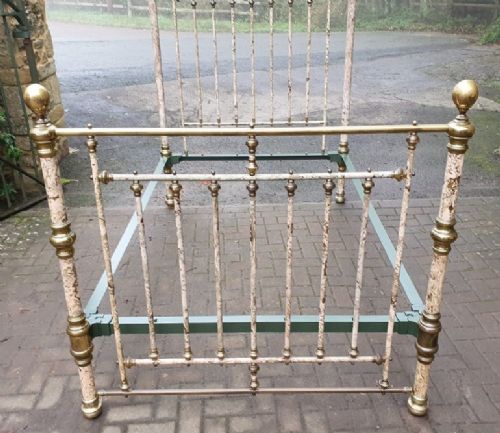
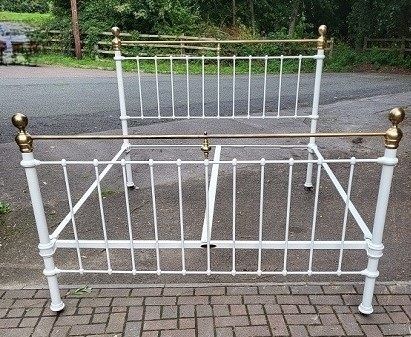
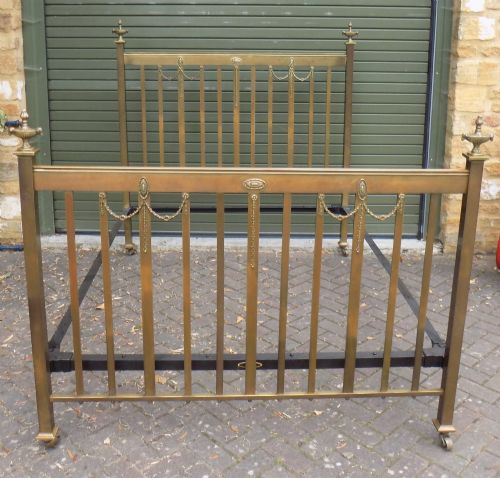
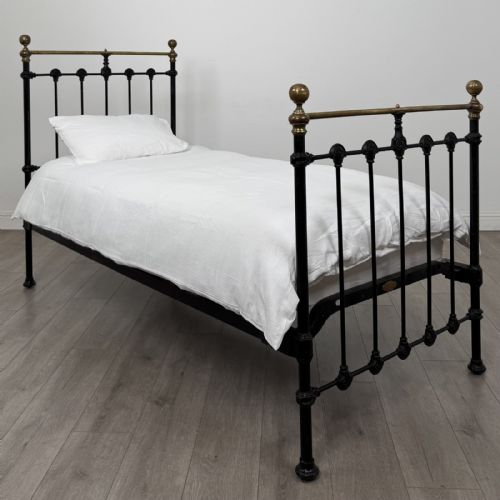
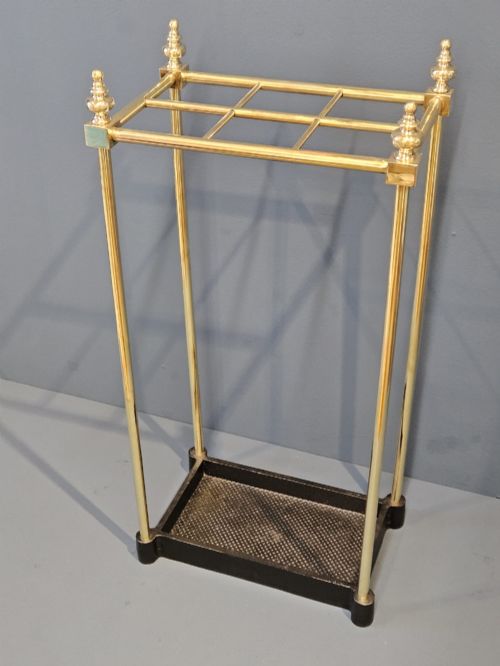
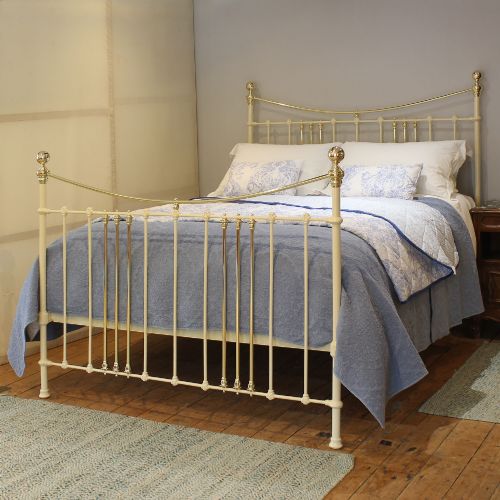
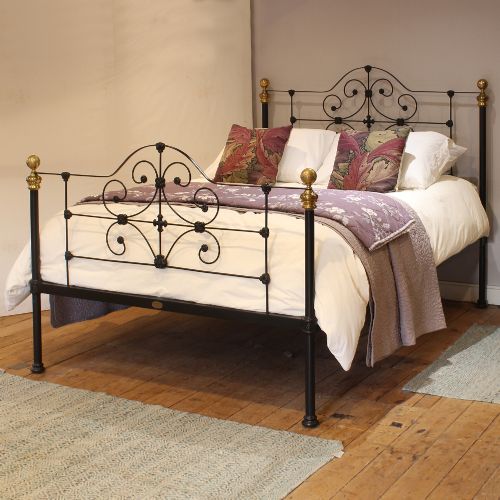
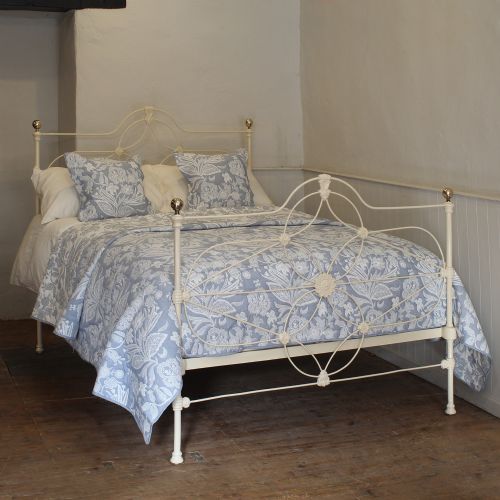
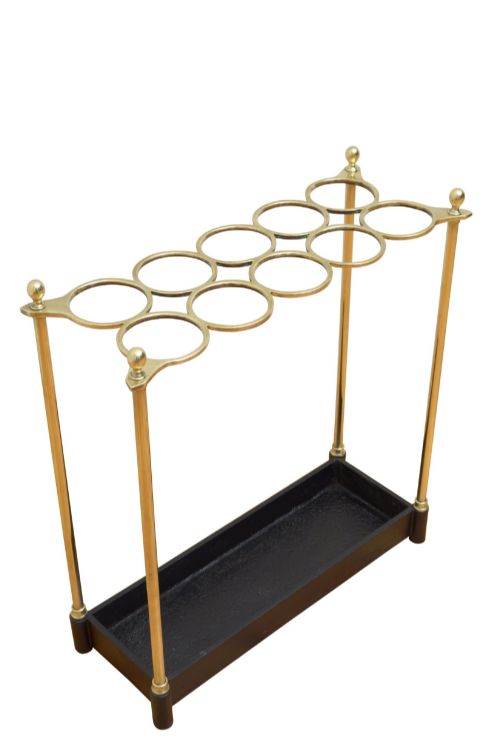
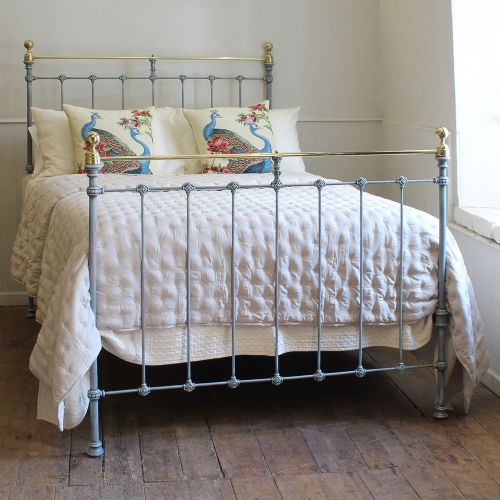
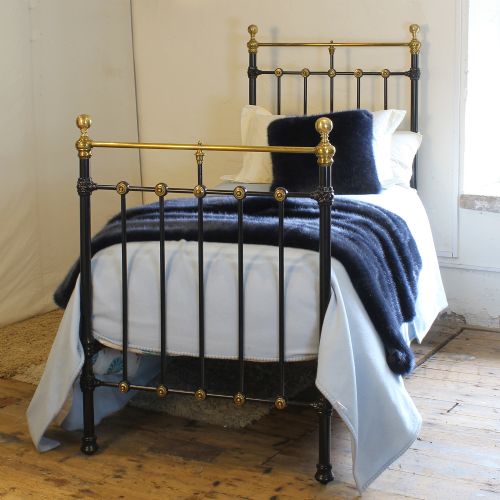
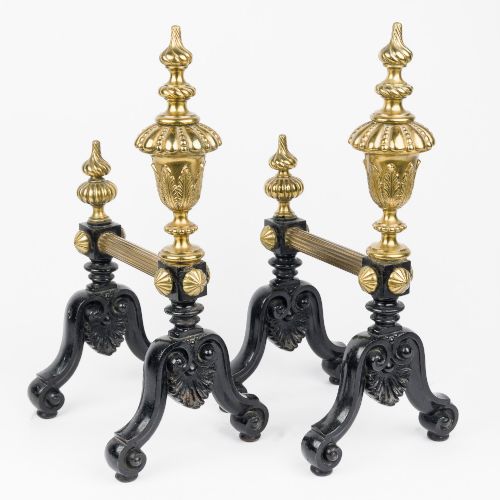
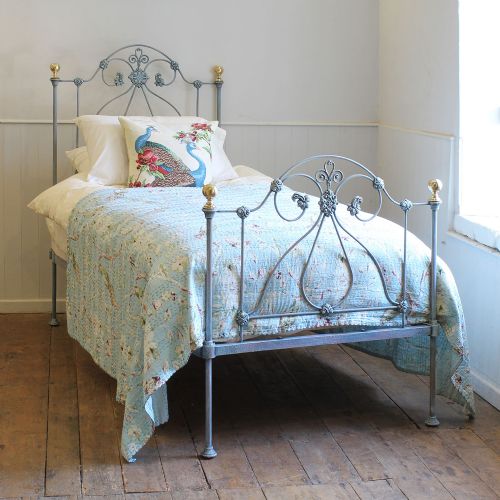
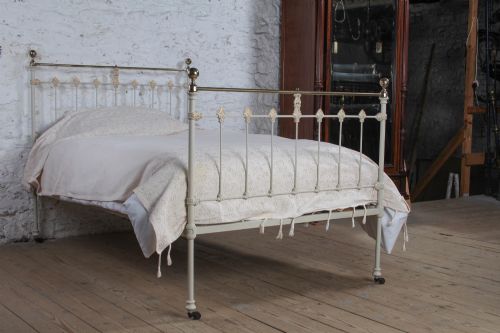
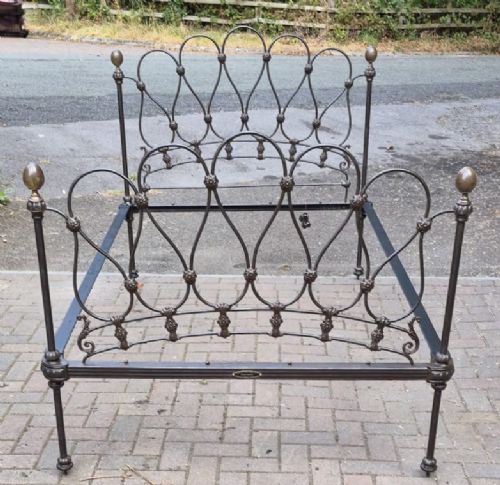
The selections encountered on this page encompass smaller mounted architectural salvage, umbrella stand terminals, and specific bedstead components featuring iron and brass elements. They reflect the industrial capabilities of the nineteenth century, ranging from simple architectural terminals to elaborate bedstead embellishments.
Materials and Production Techniques
These items rely primarily on cast iron, often paired with brass or wrought iron details, shaped through nineteenth-century foundry methods. Molten metal poured into sand moulds captured fine decorative relief before cooling.
Post-casting treatment involved protective or decorative surface applications. Surviving pieces display black finishes, japanning, blue verdigris, polished iron, or painted surfaces that provided both visual appeal and resistance to corrosion.
Victorian Cast Iron Finial Retail Price Guide 2026
Typical asking prices for victorian cast iron finial among the pieces listed under this phrase on Sellingantiques today, from the lower quarter to the upper quarter. They describe what is for sale here now, not the wider market.
Listings feature items spanning the Victorian era, alongside pieces marked by specific dates from the mid-nineteenth century through the early twentieth century.
Distinctions in Quality
Quality rests upon the crispness of the cast relief and the integrity of the metalwork. Superior examples exhibit sharply defined ornamentation without the blurring often found in secondary or heavily worn production runs.
The combination of materials further differentiates the range. Pieces that integrate well-cast iron with solid brass components or structural fittings demonstrate a higher tier of nineteenth-century metalworking craftsmanship.
Maple & Co.·R W Winfield·Winfield
The Victorian Cast Iron Finial Glossary
- Cast iron
- A hard, brittle alloy of iron and carbon poured into a mould while molten. It allowed Victorian foundries to mass-produce intricate decorative profiles and structural components.
- Finial
- A decorative ornament that terminates the peak of a structure, bedpost, or gate. These elements provided a finished aesthetic to nineteenth-century metalwork.
- Japanning
- A type of European finish that emulated Asian lacquerwork. It created a glossy, durable dark coating on iron furniture.
- Wrought iron
- A tough, malleable form of iron containing little carbon, traditionally worked by hand. It appears alongside cast elements in gates and bed frames.
- Andirons
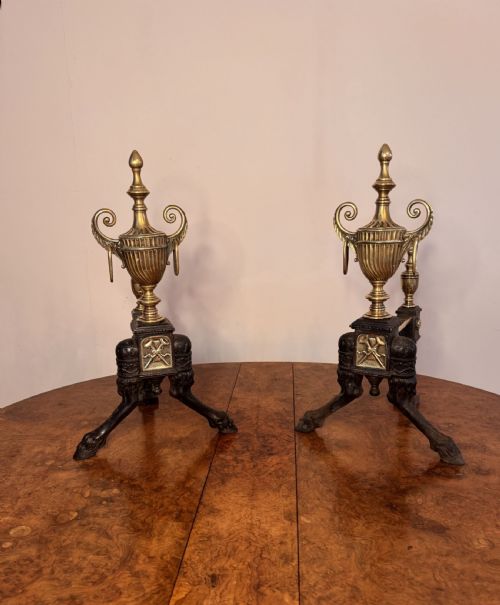
- Horizontal metal supports placed in a fireplace to hold burning logs. They frequently incorporate decorative metal terminals and brass work.
Victorian Cast Iron Finial: Frequently Asked Questions
How do I mount a loose finial?
Most finials attach via a threaded spindle or internal screw thread set directly into the core of the casting. Ensure the receiving thread matches the pitch of the replacement piece before securing.
For architectural salvage pieces without modern fittings, structural adhesives or bespoke pins provide stability when attaching to a timber or metal base.
Can these metal items go outdoors?
Cast iron withstands external conditions well if properly coated, though untreated iron will develop red oxidation when exposed to moisture. Many garden gates and architectural pieces were originally finished with protective paint.
Applying a suitable wax or rust-inhibiting coating helps preserve historical surfaces if items are placed in damp outdoor environments.
How do I clean antique ironwork?
Dust surfaces regularly with a soft, dry cloth to prevent the accumulation of grit in recessed cast details. Avoid harsh chemical cleaners that strip original japanned or painted finishes.
Light applications of microcrystalline wax can protect polished iron and dark painted surfaces from moisture without altering the historical patina.
What styles accompany these cast items?
Victorian metalwork frequently incorporates Gothic Revival motifs, Neoclassical symmetry, and functional Georgian proportions. These design influences appear across beds, fire dogs, and architectural hardware.
Matching the decorative style of a finial to the era of the parent object ensures historical consistency in restoration projects.