



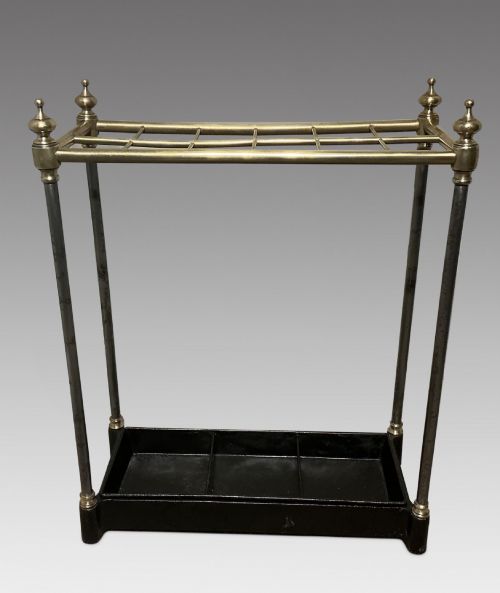

Victorian Cast Iron Cane Rack
These Victorian cast iron cane racks organise heavy walking sticks and umbrellas with durable metal framing and utilitarian stability.
Victorian Cast Iron Cane Rack
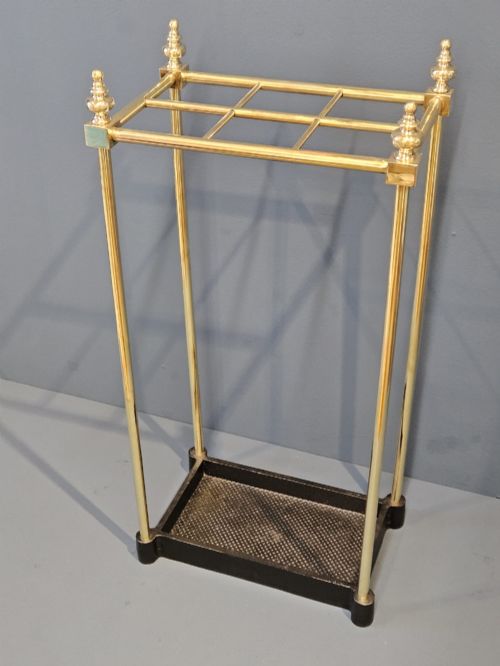
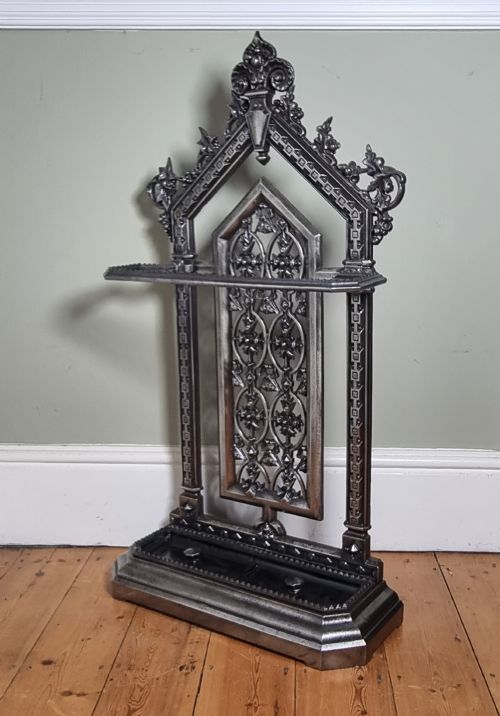
A victorian cast iron cane rack serves as a sturdy hallway furnishing designed to hold walking sticks, umbrellas and parasols upright. Buyers searching this phrase meet heavy metal stands originating from the nineteenth century through the early twentieth century.
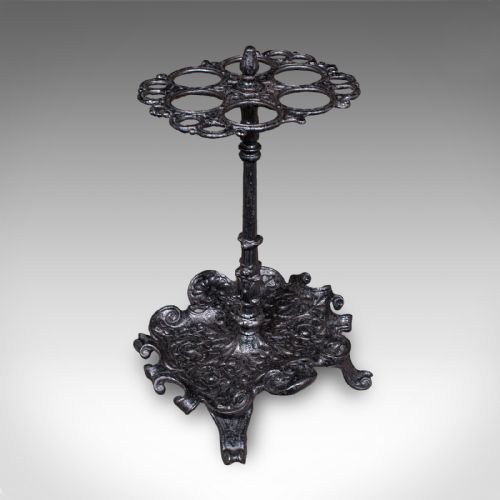
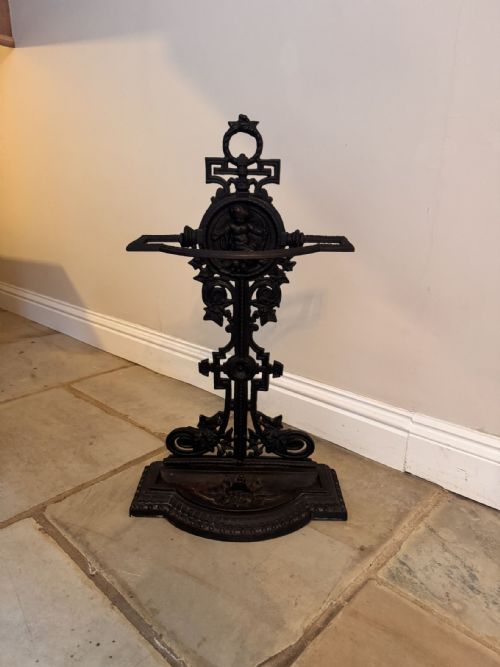
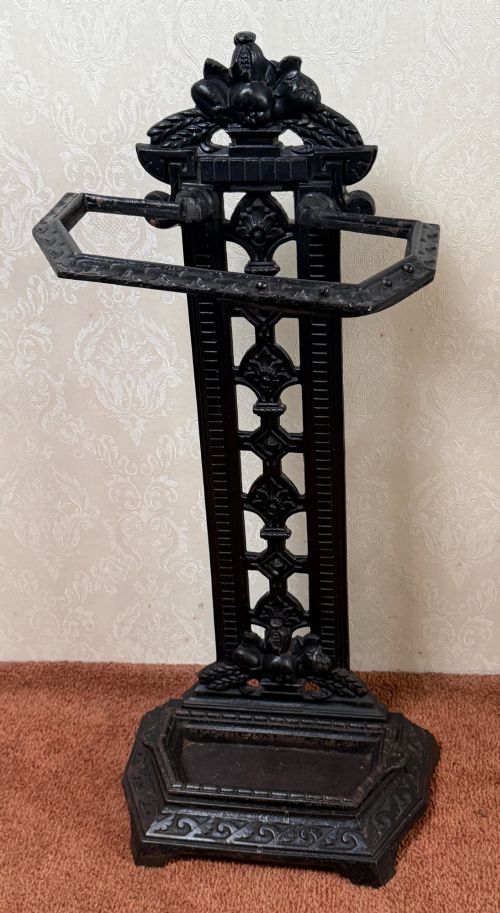
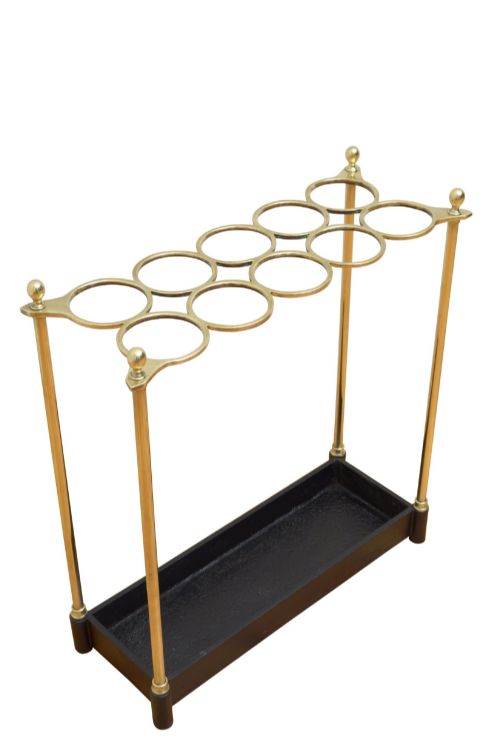
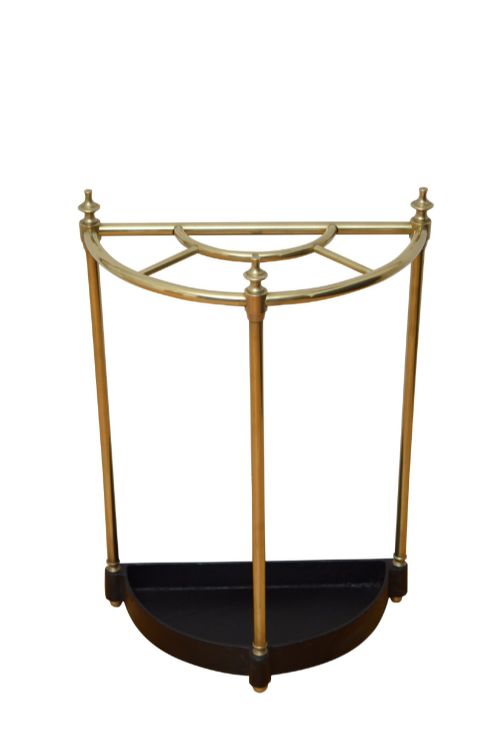
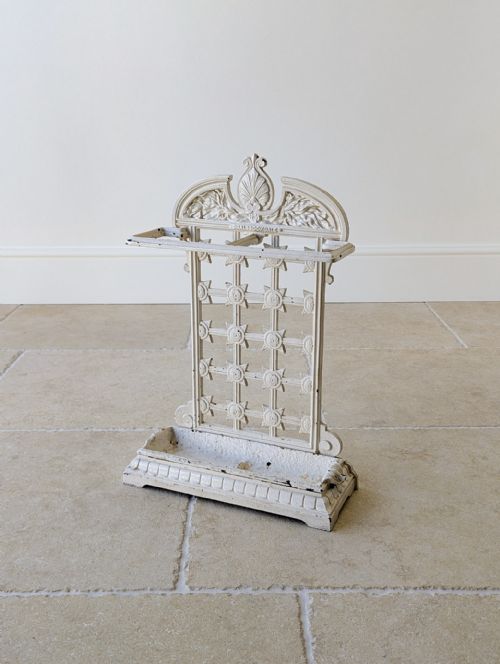
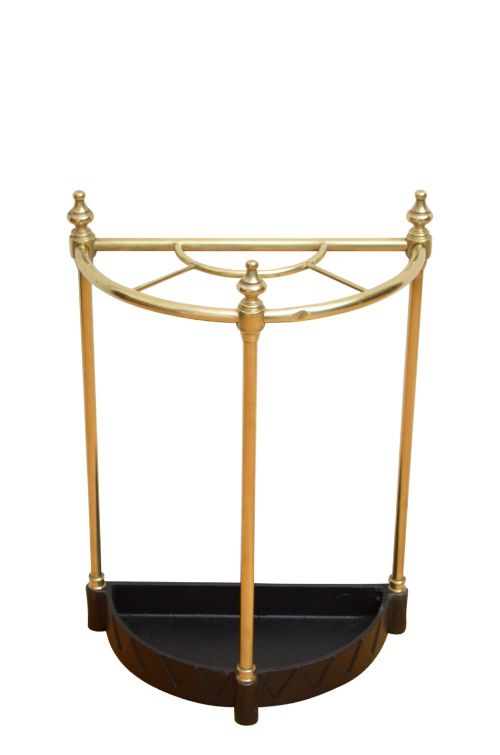
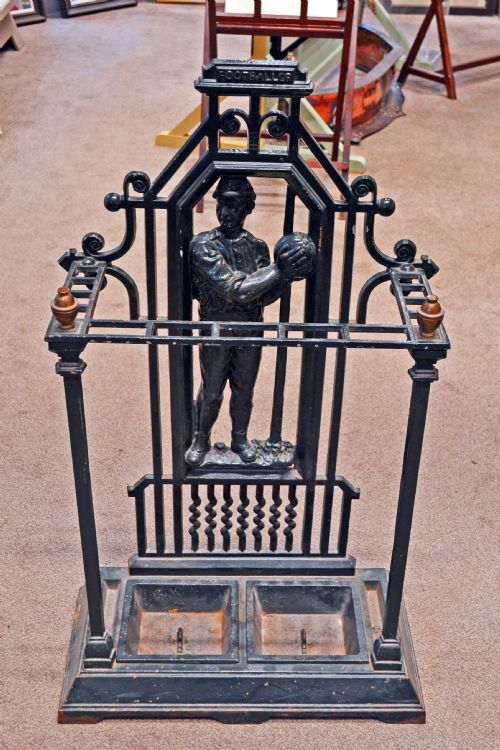
The pieces on this page appear in various configurations including half moon or demi lune shapes that fit flush against a hallway wall. Formats range from plain utilitarian frames to elaborate artistic castings depicting figures, animals and botanical motifs.
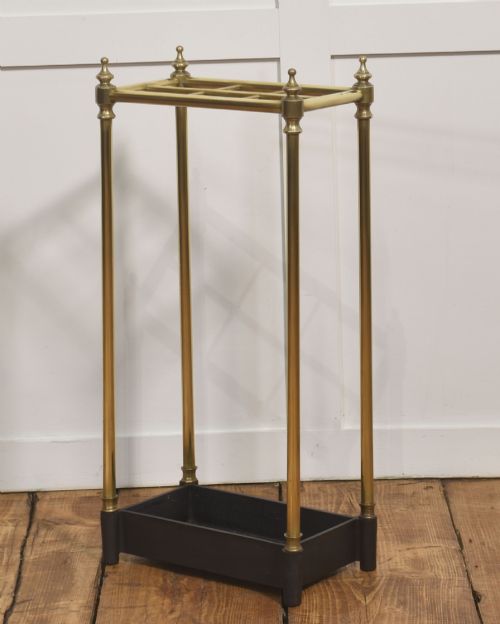
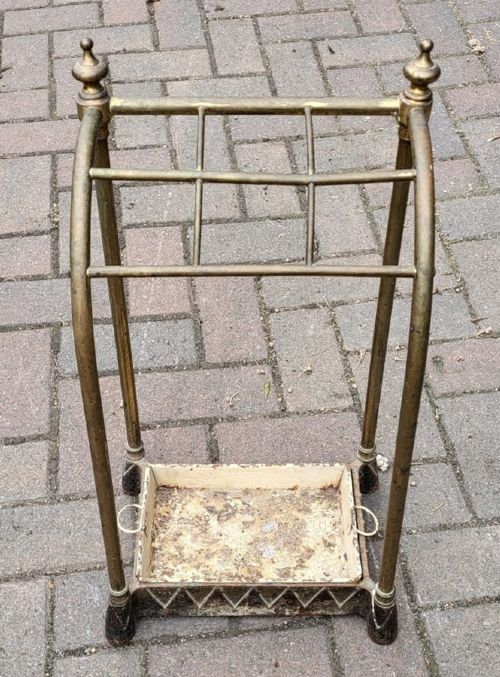
Makers utilised durable foundry methods to produce items that endured daily heavy use in domestic entrance halls. Collectors encounter examples spanning the Victorian and Edwardian eras, incorporating associated materials like brass rails and drip trays.
Casting crispness and maker identity
The presence of original drip trays and matching brass components preserves the integrity of the piece. Well executed designs from recognised foundries maintain structural stability without clumsy repairs or replacement parts.
Victorian Cast Iron Cane Rack Retail Price Guide 2026
Typical asking prices for victorian cast iron cane rack among the pieces listed under this phrase on Sellingantiques today, from the lower quarter to the upper quarter. They describe what is for sale here now, not the wider market.
Cast iron foundry workers occasionally hid whimsical characters like Jack and the Beanstalk right inside your umbrella stand.
Coalbrookdale·Falkirk Ironworks·A. Kenrick & Sons·Shoolbred
The Victorian Cast Iron Cane Rack Glossary
- Demi lune
- A half moon shape designed to stand flat against a wall, saving valuable floor space in narrow hallways.
- Drip tray
- A removable metal basin positioned at the base of the stand to catch water from wet umbrellas.
- Aesthetic Movement
- A late nineteenth century design style emphasising visual beauty over narrative meaning, often featuring stylised plant forms.
- Foundry mark
- An impressed or raised stamp on the metal indicating the manufacturing workshop or ironworks.
- Ball finial
- A spherical decorative terminal topping the vertical rods or structural uprights of the frame.
Victorian Cast Iron Cane Rack: Frequently Asked Questions
Where did these stands live?
These furnishings stood primarily in entrance halls, boot rooms and vestibules of substantial nineteenth century homes. They provided a designated drop off point for guests arriving with wet coats and walking equipment.
The open frames allowed damp parasols and heavy walking sticks to dry while protecting hallway floors from puddles.
How do I stop rust?
Keep the metal dry and clean away accumulated moisture from the base tray regularly. Gentle dusting preserves the painted or varnished surface without stripping the historic finish.
Avoid placing the stand in damp environments and ensure the removable drip tray is emptied after wet weather.
Are original drip trays important?
Original trays matching the exact contours and metal type of the frame add considerable authenticity to the piece. Many stands lost their shallow pans over decades of domestic use.
Finding a stand with its original base tray intact confirms the assembly remains complete and unaltered.
How do I spot a reproduction?
Examine the crispness of the casting and the texture of the metal surface for signs of modern manufacturing methods. Antique examples display consistent wear patterns and appropriate foundry markings.
Heavy weight and traditional fastener types further help distinguish period production from modern cast metal copies.