





Antique Porch Stick Stand
An antique porch stick stand keeps halls tidy while setting a characterful tone at the threshold through robust metals and handsome timbers.
Antique Porch Stick Stand
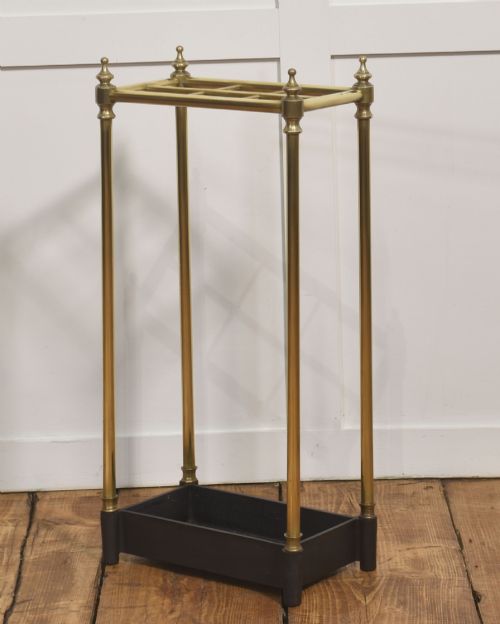
An antique porch stick stand serves the entrance hall by holding walking sticks, umbrellas and parasols. These furnishings appear across the Victorian and Edwardian periods, stretching from the mid-nineteenth century into the early twentieth century.
The forms on this page include dedicated umbrella and stick stands, larger hall stands, demi-lune shapes and bucket designs. They emerge in styles such as Gothic Revival, Jacobean Revival and Arts and Crafts.
How they were made
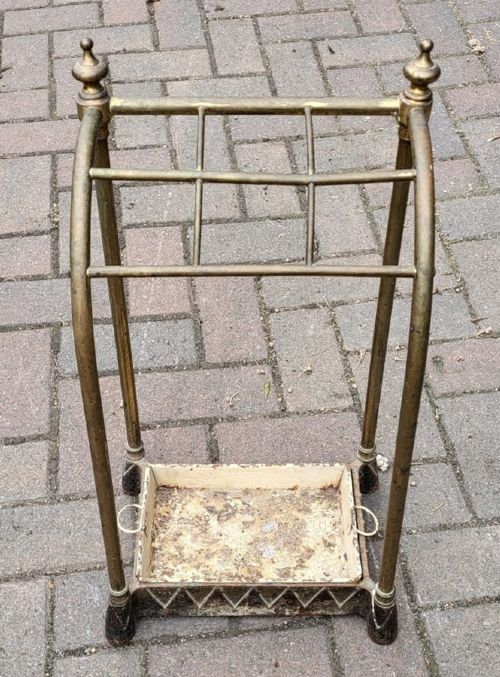
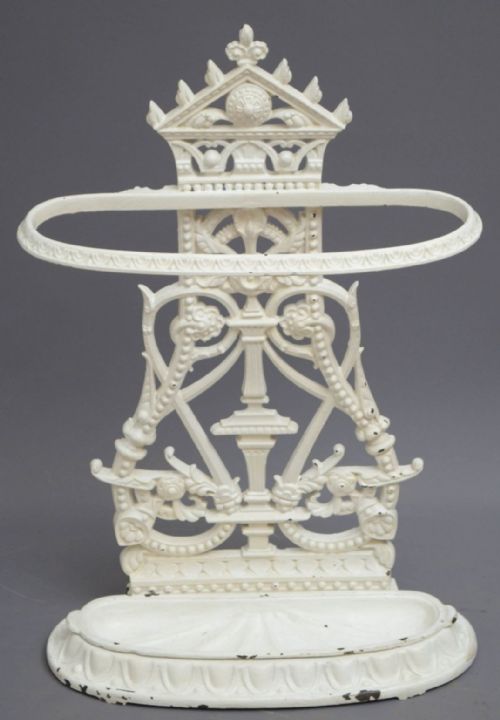
Maker construction relies heavily on solid oak and coopered wooden staves bound together for oval umbrella buckets. Metalworkers utilised cast iron and brass for structural rigidity, often combining them with copper panels.
Some decorative variations incorporate bamboo frames or include mirror glass elements within larger hall furniture. Surface detailing embraces Gothic and Jacobean tastes through carved woodwork and patterned metal loops.
Antique Porch Stick Stand Retail Price Guide 2026
Typical asking prices for porch stick stand among the pieces listed under this phrase on Sellingantiques today, from the lower quarter to the upper quarter. They describe what is for sale here now, not the wider market.
Listings feature items spanning the Victorian and Edwardian eras, constructed primarily from oak, cast iron, brass and copper.
What varies in quality
Quality rests upon the integrity of the materials and the ambition of the design. A cast iron stand featuring a figural narrative, such as a named story scene, demonstrates greater artistic effort than a plain utilitarian frame.
The presence of original components, particularly matching metal drip trays, elevates the completeness of a timber or brass piece. Finer examples show crisp timber joinery, substantial weight in the metals and purposeful styling from periods like the Arts and Crafts movement.
The Antique Porch Stick Stand Glossary
- Demi Lune
- Half-moon shape. This design allows the stand to sit flush against a hallway wall.
- Coopered
- Made from wooden staves joined side by side and bound by metal hoops. This technique traditionally creates watertight vessels.
- Drip Tray
- A shallow metal receptacle placed at the base. It catches water running off wet umbrellas.
Antique Porch Stick Stand: Frequently Asked Questions
Where should a stick stand go?
These pieces belong in a porch, boot room or entrance hallway where outdoor gear gathers. They provide a practical drop zone for walking aids and wet umbrellas right as people step inside.
Positioning the stand near the main door protects interior floors from moisture while establishing a period aesthetic for the entrance.
Are original drip trays important?
Original metal drip trays matter because they complete the functional design of the piece. Finding a stand with its matching tray ensures that water is properly contained.
Replacements can function adequately, but surviving original trays preserve the integrity and historical completeness of the stand.
How do I date a stick stand?
Dating relies on observing the materials, construction methods and stylistic revival motifs. Victorian and Edwardian pieces often display distinct hints of Gothic or Jacobean taste.
Heavier cast iron framing typically points toward nineteenth-century manufacturing, while lighter oak forms can lean closer to the early twentieth century.
Can these hold heavy walking sticks?
Cast iron and coopered oak stands possess the weight and sturdy construction needed to support heavy walking sticks and large umbrellas. Their robust build prevents tipping under daily use.
Lighter bamboo or smaller brass frames suit standard umbrellas and slender canes rather than exceptionally heavy carved staffs.