


Victorian Cast Iron Cane Holder
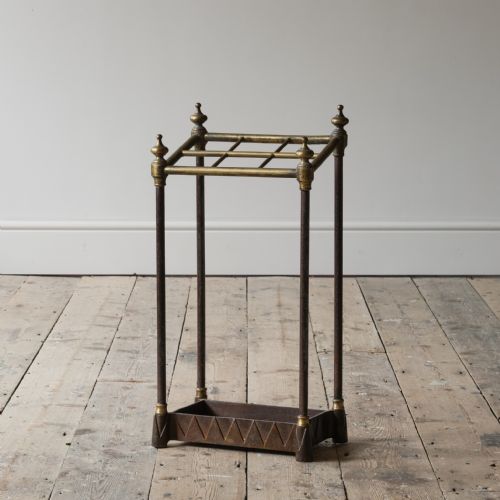
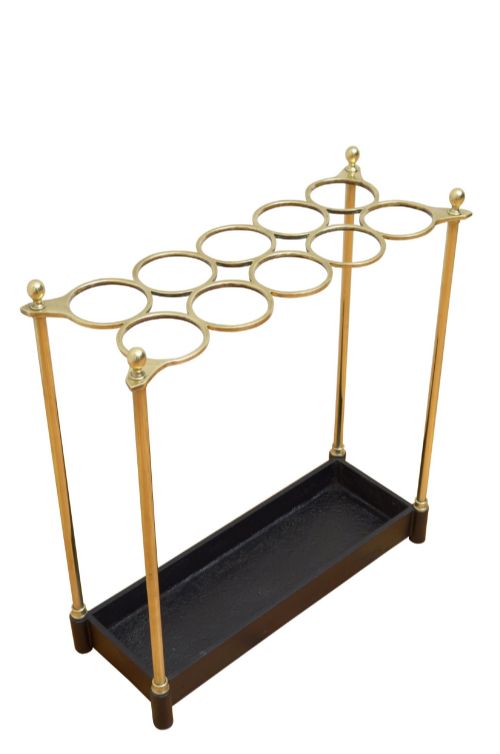
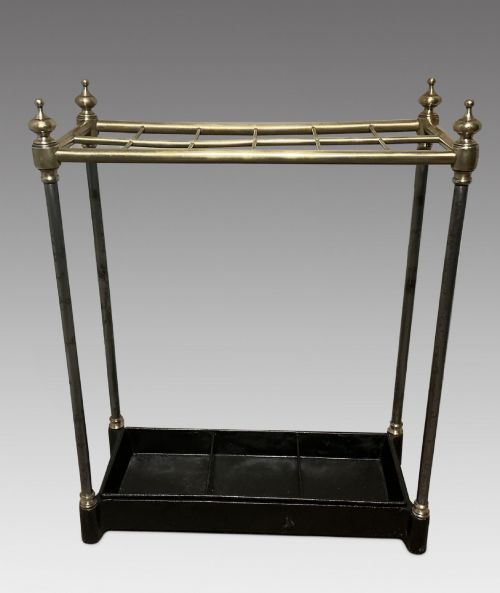
A victorian cast iron cane holder is a heavy hall stand designed to keep walking sticks and umbrellas orderly.
Victorian Cast Iron Cane Holder
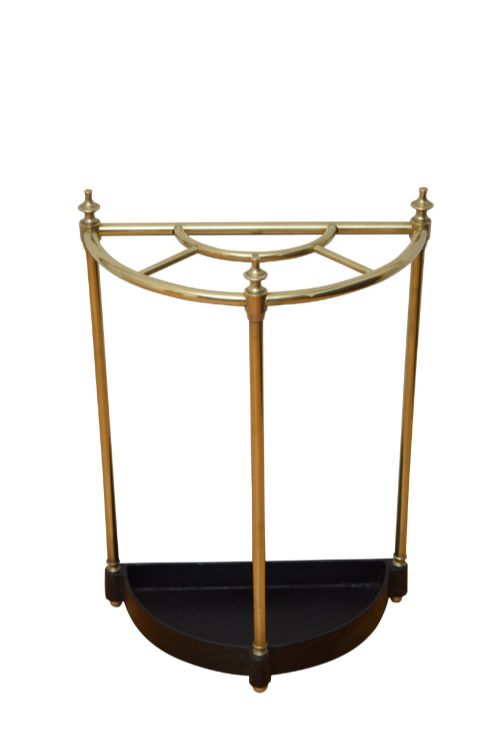
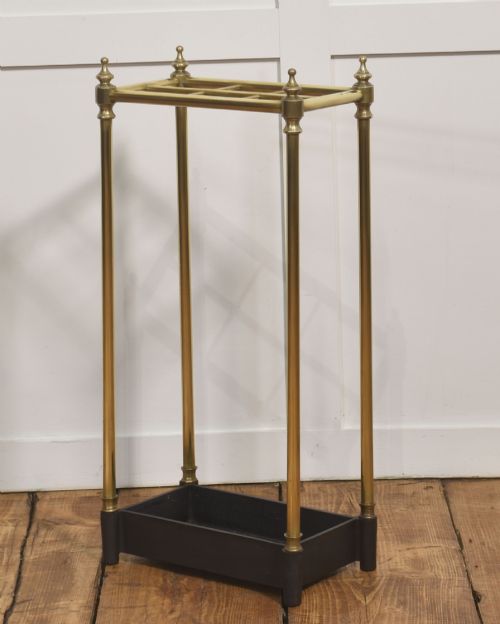
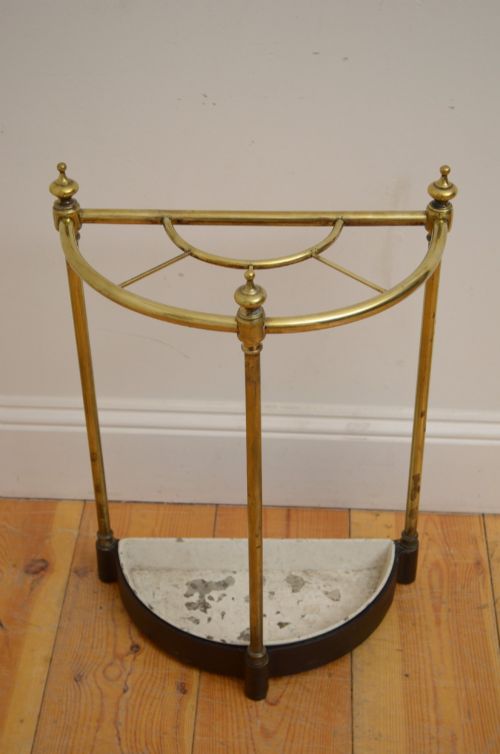
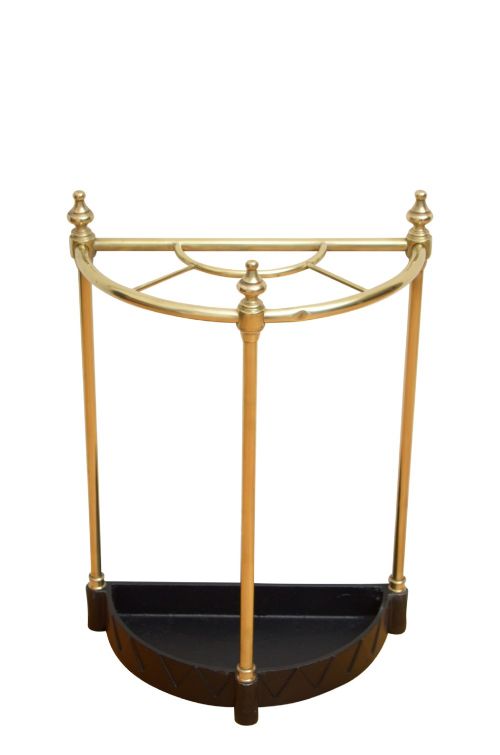
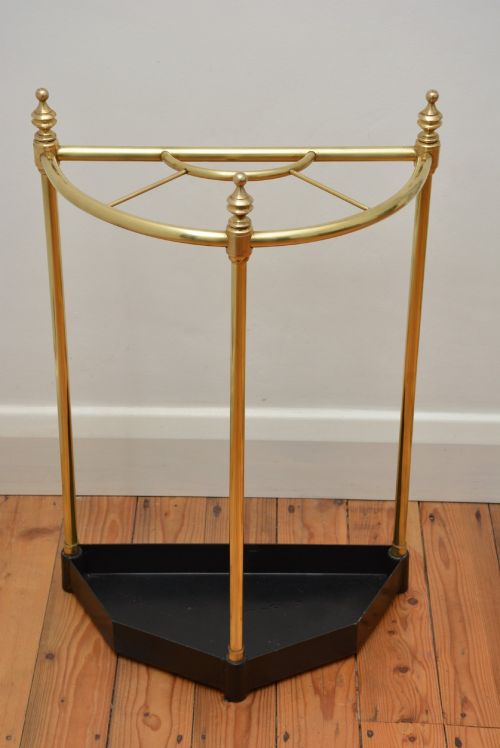
A victorian cast iron cane holder functions as a practical piece of hallway furniture designed to corral walking sticks, umbrellas and parasols. These items appear in formats including full upright stands, demi lune shapes and half moon designs meant to sit flush against a wall.
The objects found on this page span the Victorian and Edwardian periods, stretching from the mid nineteenth century into the early twentieth century. Makers and foundries utilised robust metal casting techniques to produce durable furniture for domestic entryways.
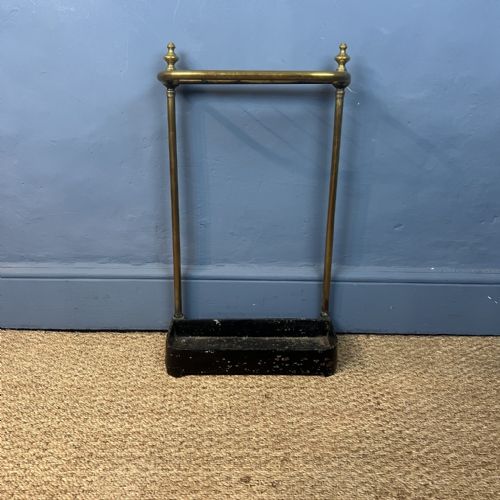
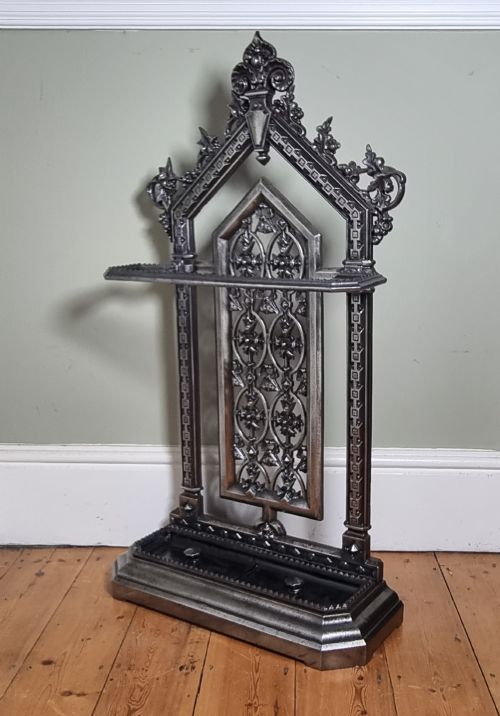
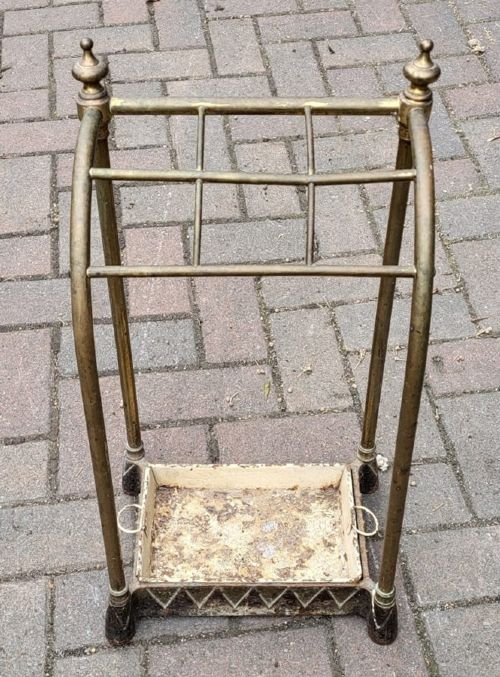
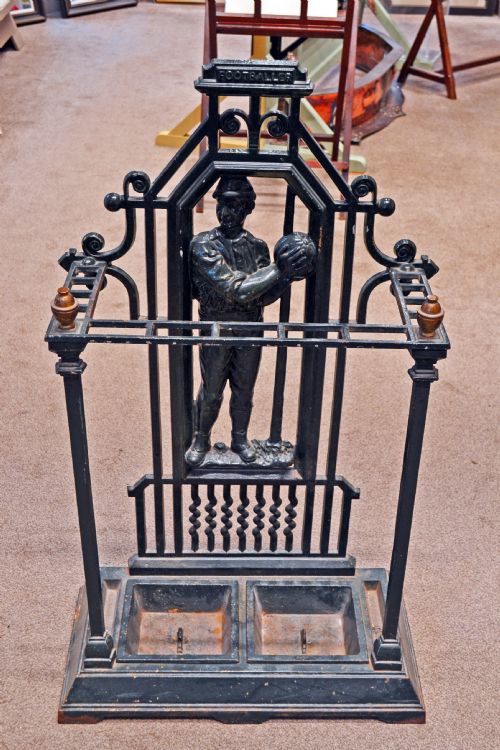
Most examples combine cast iron frames with brass or steel components, often featuring integral drip trays at the base to catch rainwater from wet umbrellas. The forms range from plain utilitarian frames to elaborate figural castings representing dogs, characters and floral motifs.
How they were made
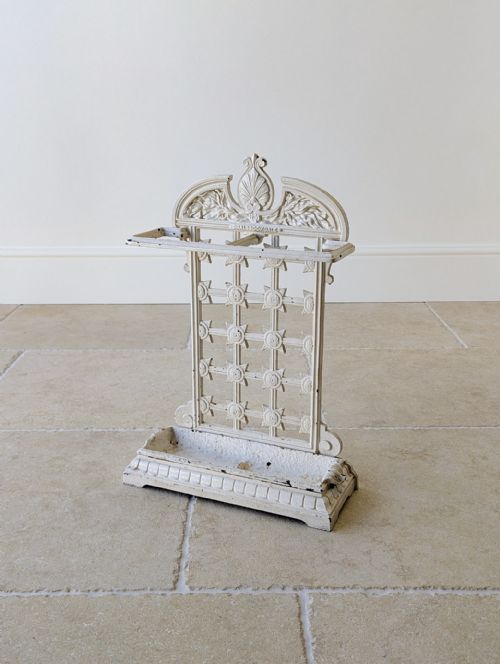
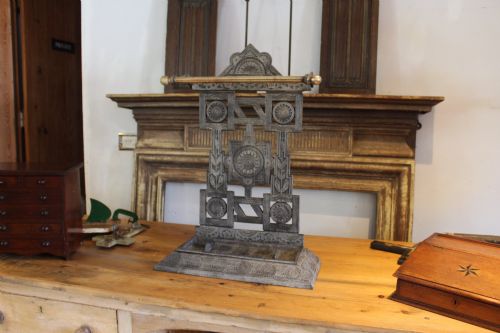
Foundries poured molten iron into sand moulds to create the heavy structural frames, incorporating intricate openwork patterns and pierced designs directly into the metal. Many pieces combine this cast iron body with brass rails, finials and removable drip trays.
Makers finished the cast iron surfaces with painted finishes, black enamels or decorative coatings to protect the metal from rust and moisture. Some variants integrate secondary materials such as mahogany bases or steel rods alongside the primary iron structure.
Object forms include umbrella stands, stick stands and demi lune variations produced by notable nineteenth century foundries.
What varies in quality
The distinction between ordinary production and superior work lies in the crispness of the casting and the depth of the modelled detail. Well executed pieces display sharp relief work on figural elements and botanical motifs without blurring in the patterns.
Heavier gauge iron and robust structural engineering separate substantial foundry pieces from lighter domestic items. The presence of maker marks, registered design numbers or foundry stamps indicates higher workshop origin.
Coalbrookdale·Thomas Jeckyll·Falkirk Ironworks·A. Kenrick & Sons·Shoolbred
The Victorian Cast Iron Cane Holder Glossary
- Demi Lune
- A half moon shape designed to stand flat against a hallway wall. This configuration saves floor space while holding multiple sticks and umbrellas.
- Drip tray
- A shallow metal basin placed at the bottom of the stand to catch water from wet umbrellas. These trays are often removable for easy emptying.
- Finial
- A decorative terminal ornament placed at the top corners or peaks of the stand. They frequently take the form of brass balls or cast metal knobs.
- Aesthetic Movement
- A late nineteenth century design style emphasising visual beauty over narrative subject matter. Pieces from this movement often feature stylised natural forms.
- Foundry
- A factory where metal is melted and poured into moulds to produce shaped objects. Major ironworks produced standardised and artistic stick stands.
Victorian Cast Iron Cane Holder: Frequently Asked Questions
Where were these placed in houses?
These holders stood in entrance halls and porches where visitors left their wet outdoor gear upon entering the home.
The heavy cast iron construction ensured the stand remained stable when loaded with numerous heavy walking sticks and dripping umbrellas.
How do I stop rust on the iron?
Keeping the metal dry and applying a light coat of paste wax helps protect the painted cast iron surface from moisture damage.
Regularly emptying and drying the base drip tray prevents standing water from corroding the lower frame of the holder.
Are these stands marked by makers?
Many pieces bear manufacturer stamps, registry diamond marks or foundry names cast directly into the reverse or base of the iron frame.
Prominent foundries like Coalbrookdale and Falkirk often signed their ironwork to denote the workshop of origin.