
Victorian Cast Iron Bench
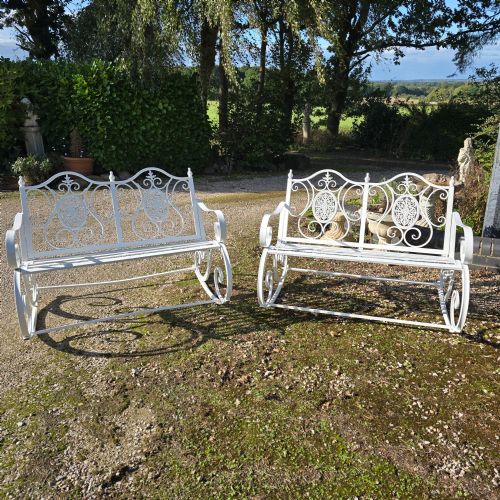
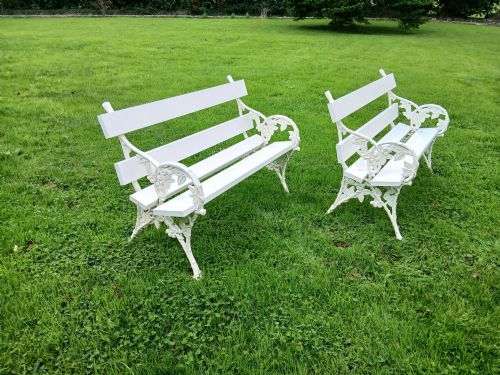
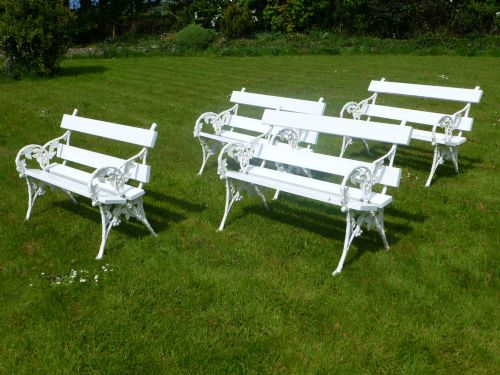
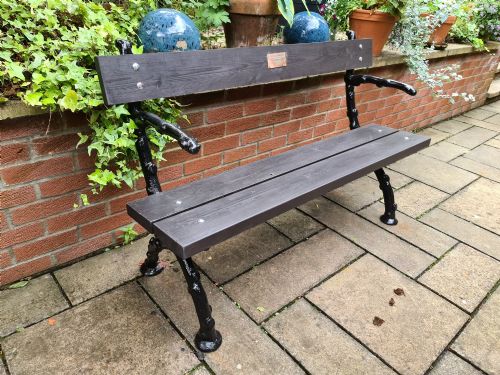
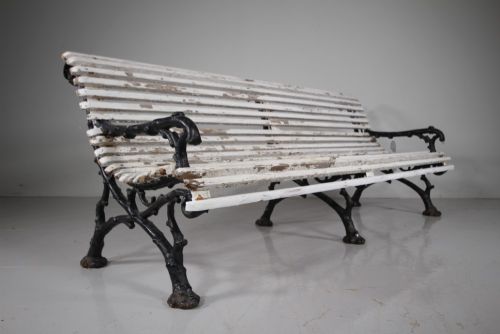
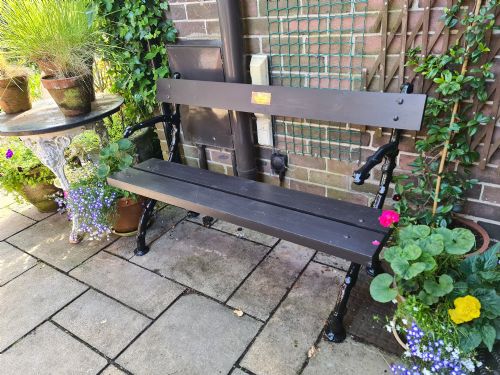
When you need a victorian cast iron bench, you are looking for robust garden furniture built with heavy metal ends and slatted wooden seats.
Victorian Cast Iron Bench
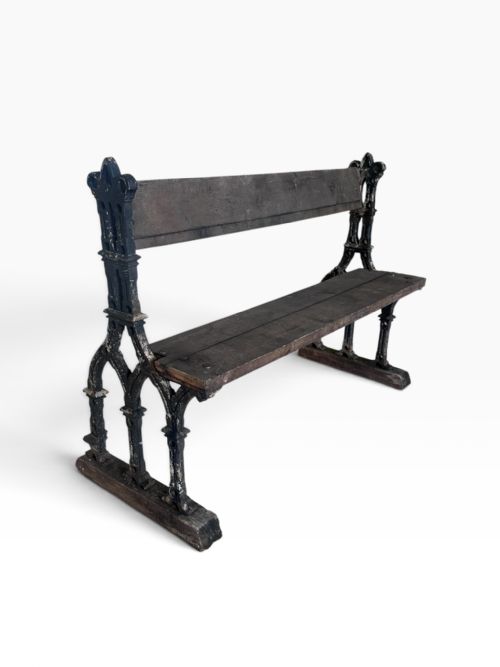
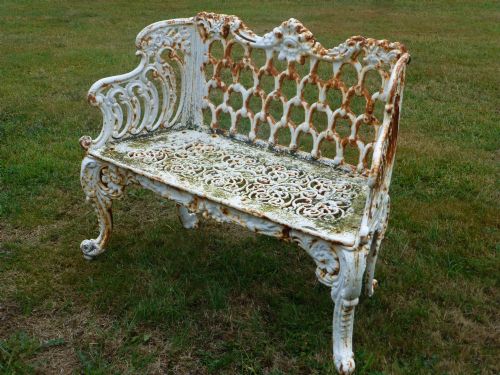
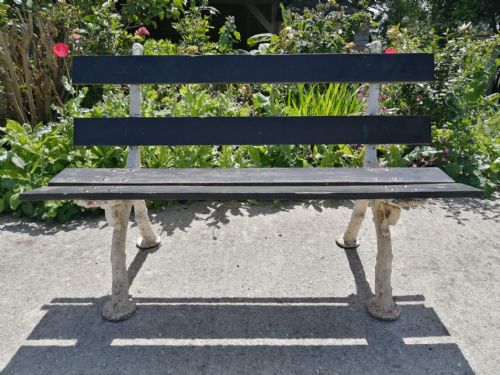
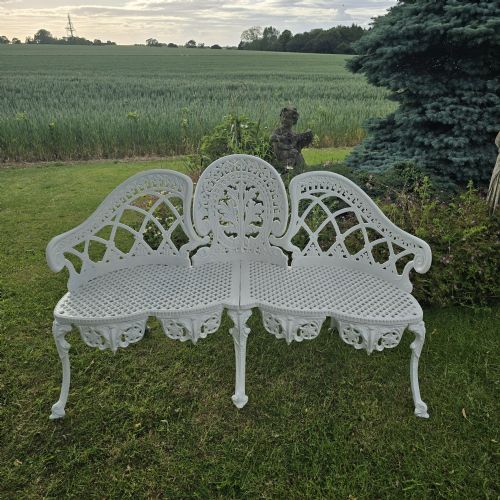
Makers utilised various regional patterns, ranging from gothic Revival arches to rustic branch designs imitating natural wood. These pieces span the nineteenth century, with many examples originating from notable foundries of the period.
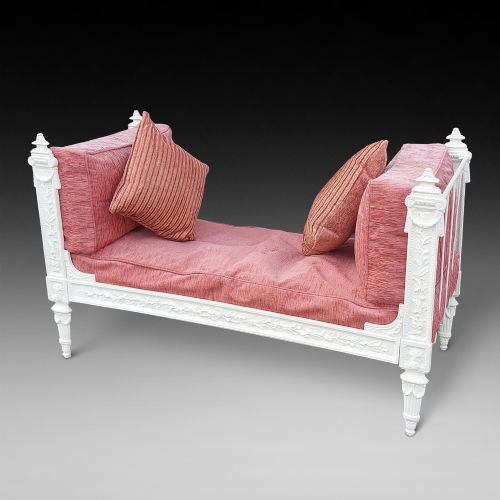
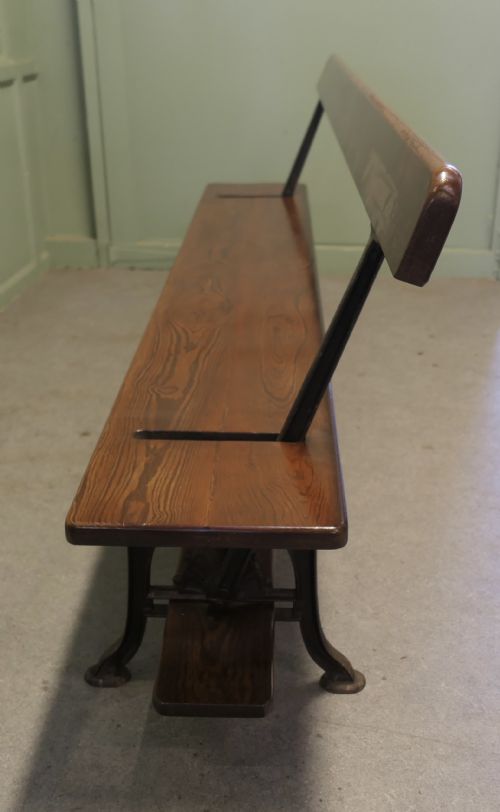
Alongside standard garden seats, variations include railway station benches with reversible backs, daybeds, and sets incorporating matching chairs. Surviving items frequently show decades of outdoor exposure through layers of weathered paint.
Materials and construction
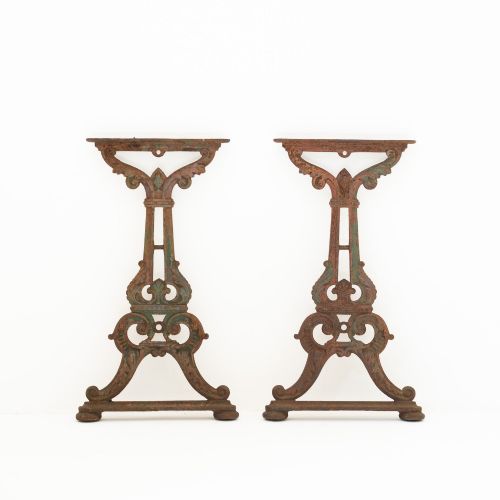
Foundries poured molten iron into sand moulds to form the intricate decorative bench ends and supports. These heavy metal structures provide the structural integrity and ornamental detail characteristic of the era.
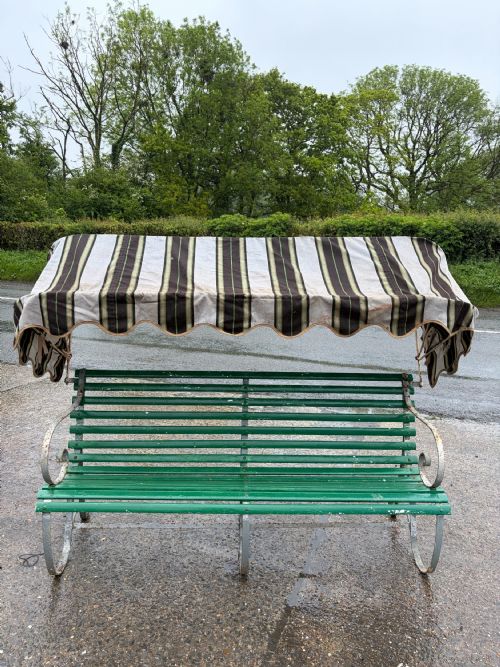
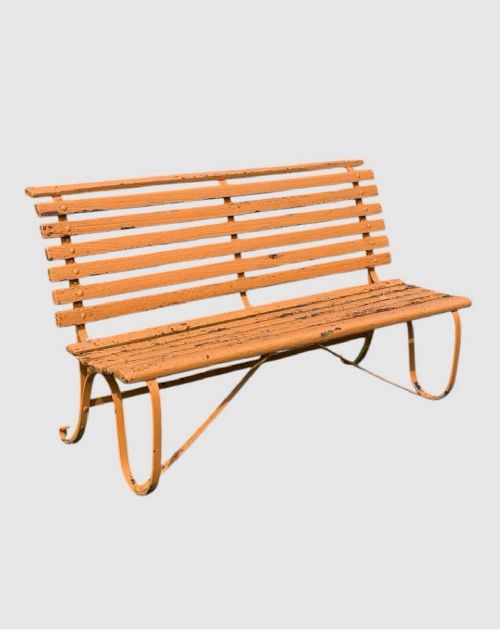
Makers combined the cast iron frames with timber slats, typically utilising teak, oak, pitch pine, or other durable woods for the seat and backrest. Metal bolts secure the wooden components to the iron supports.
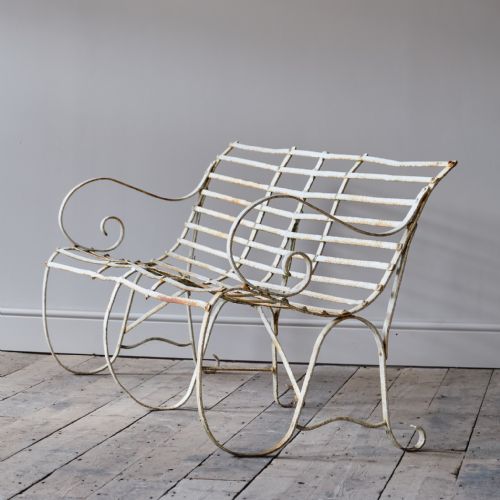
Surfaces were commonly protected with paint, which often survives in layered fragments or has been renewed during restoration work. Wrought iron strapwork also appears on specific industrial and transit designs.
Listings feature 19th century periods alongside materials like cast iron, pitch pine, and paint.
Assessing craftsmanship and design
Quality rests in the crispness and depth of the cast iron moulding, where superior examples display sharp botanical details and well-defined relief patterns. Plain or heavily worn castings lack the artistic flair found in named foundry pieces.
The choice and preservation of timber heavily influence desirability, as original teak or pitch pine slats carry more authority than modern replacements. Complete sets and matched pairs command greater interest than isolated bench ends.
Falkirk Carron Foundry·Coalbrookdale·Val D osne·John Finch·Phoenix Foundry
The Victorian Cast Iron Bench Glossary
- Bench ends
- The cast iron side panels that support the backrest and seat slats of a garden bench. They carry the main decorative patterns.
- Faux bois
- A decorative style mimicking wood or branches, often seen in nineteenth century rustic ironwork. It translates directly from the French for false wood.
- Foundry
- A factory where metal is melted and poured into moulds to create objects. Named foundries help verify the origin of pieces.
- Reversible bench
- A seat featuring a back mechanism that flips from one side to the other. These were commonly utilised on tramways and railway stations.
- Strapwork
- Flat bands of metal joined in interlaced patterns. This technique appears on specific utilitarian and decorative frames.
Victorian Cast Iron Bench: Frequently Asked Questions
How do I date a cast iron bench?
Dating relies on stylistic clues, foundry marks, and construction techniques typical of the nineteenth century. Victorian examples often feature registration diamonds or specific registry numbers cast into the metal.
Heavier casting and intricate naturalistic designs generally point to the mid to late Victorian era. Later twentieth century reproductions tend to feature softer details and different bolt configurations.
Were these benches meant to stay outside?
Iron and dense hardwoods were chosen specifically to withstand outdoor exposure in parks, gardens, and station platforms. Regular painting protected the metal from rust and the wood from moisture.
Original surfaces often show the weathering of decades spent outdoors. Modern owners often maintain this protective coating to preserve the material.
How do I maintain the wooden slats?
Maintenance depends on whether the wood is original timber or a later replacement like teak or pitch pine. Treating the slats with appropriate oils or paints protects them from rot and weathering.
Care must be taken around the iron frame to avoid damaging the surrounding metal or old paint layers. Periodic checks of the bolts ensure the structure remains secure.
What is a railway station bench?
Railway station benches are heavy public seating designs fitted with pitch pine or oak slats and robust iron supports. Many included reversible mechanisms allowing passengers to face either direction.
These pieces were built for heavy public use on platforms and transit hubs. Their utilitarian construction ensures exceptional durability.