
Vintage Park Seats
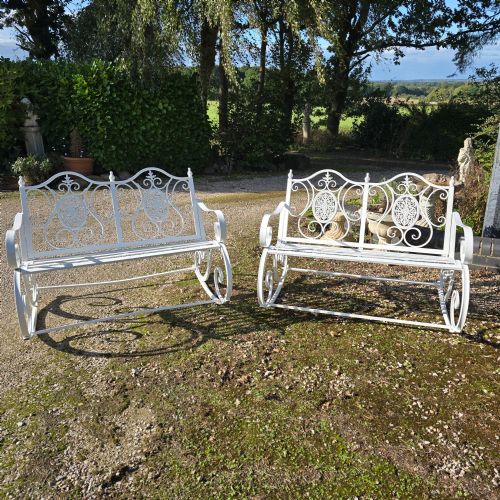
These vintage park seats bring sturdy metalwork and weathered timber straight from public grounds into domestic gardens.
Vintage Park Seats
Vintage park seats encompass robust outdoor benches and garden seats originating from periods spanning the nineteenth and twentieth centuries. When searching for vintage park seats, buyers encounter durable forms designed for public and private grounds alike.
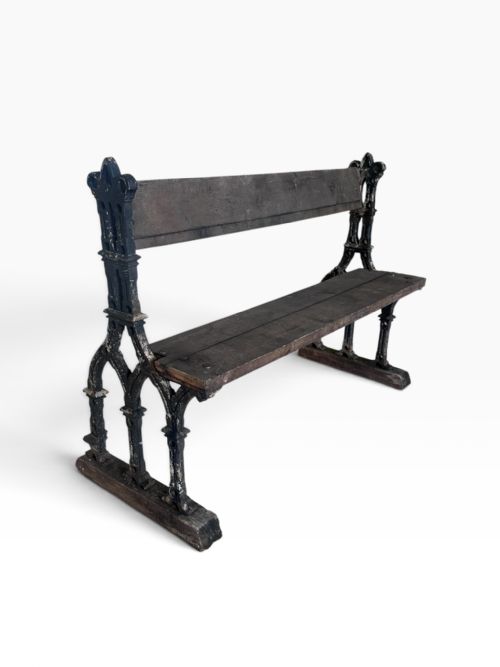
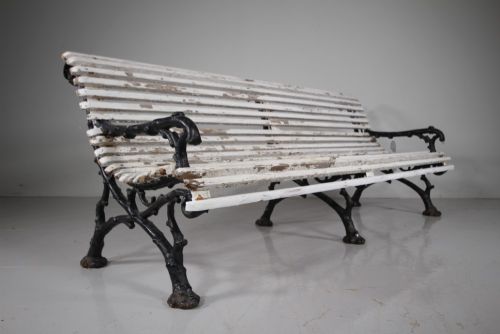
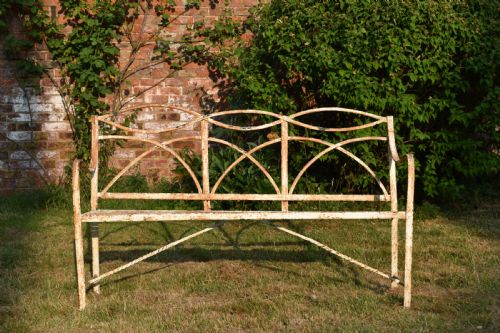
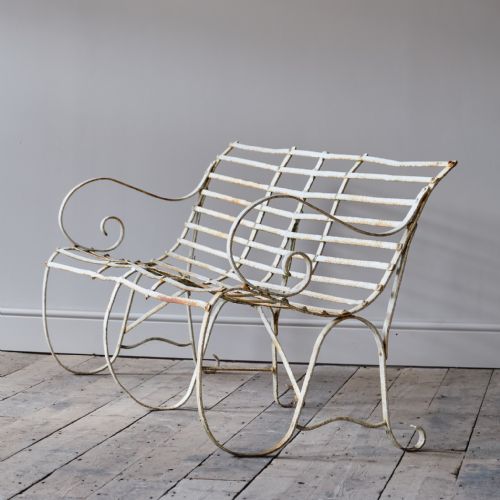
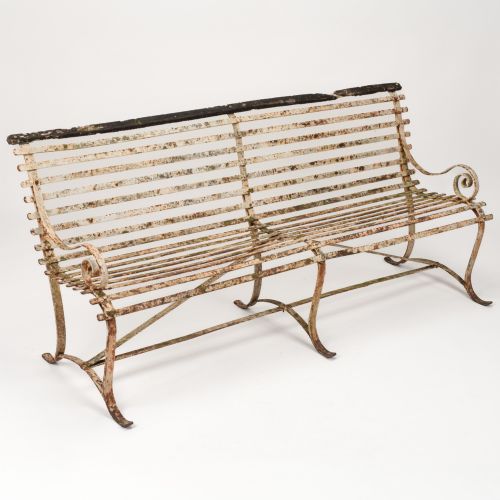
The selections on this page range from nineteenth-century Victorian Gothic designs and Regency strapwork to twentieth-century teak iterations and French metal garden benches. Forms include two-seater benches, four-seater seats, and garden armchairs.
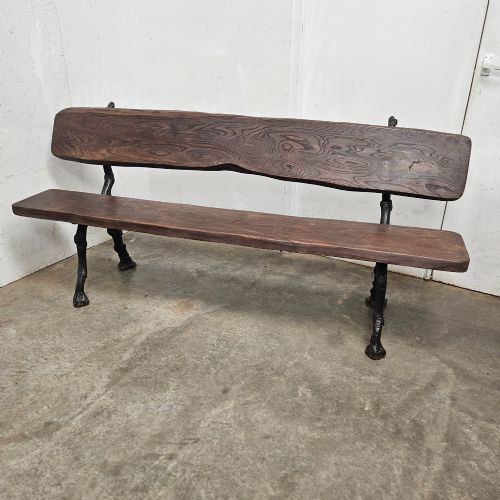
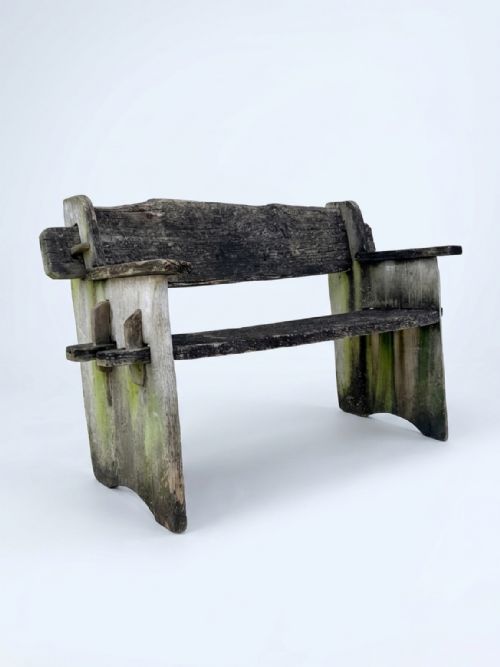
Makers and designers of note, such as Coalbrookdale, appear alongside rustic English and French country styles. Elm, teak, timber, and iron combine to create seating suited to enduring exposure to the elements.
Materials and Construction
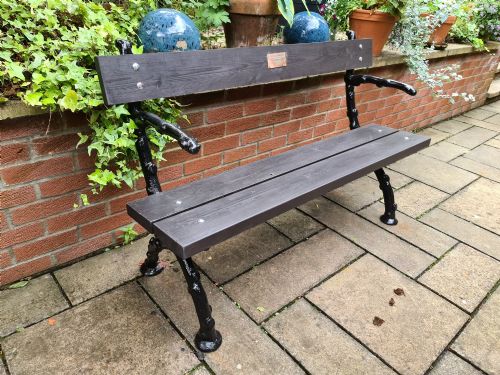
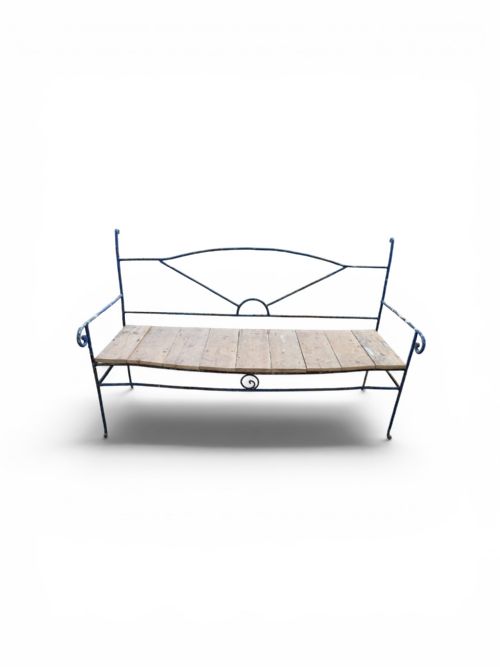
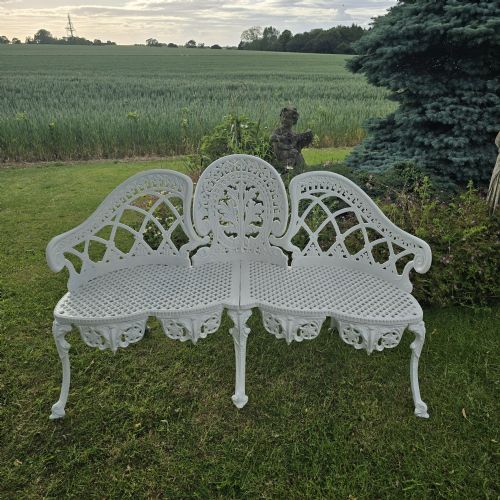
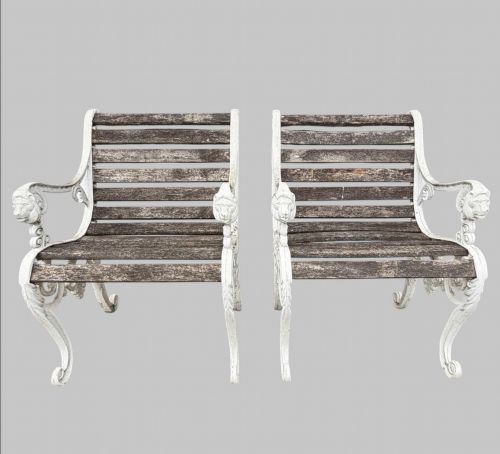
Foundries utilised cast iron and wrought iron for structural frames, bench ends, and intricate scrollwork. These metal components provide the heavy weight and durability necessary for permanent outdoor placement.
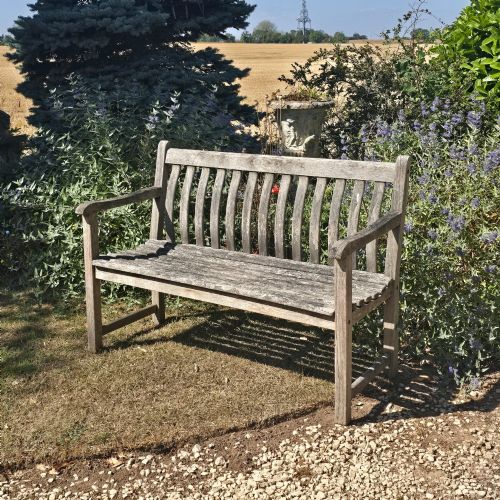
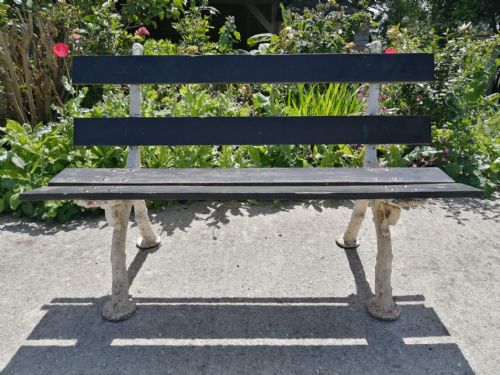
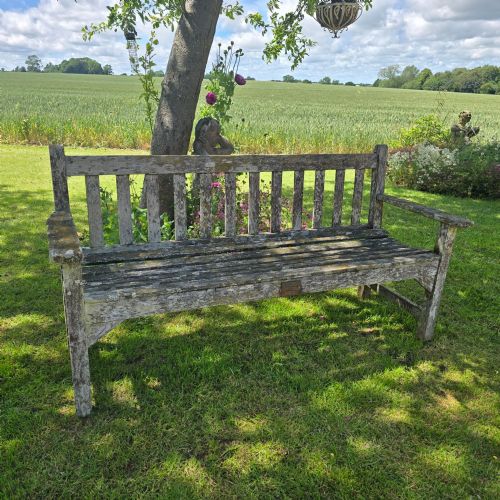
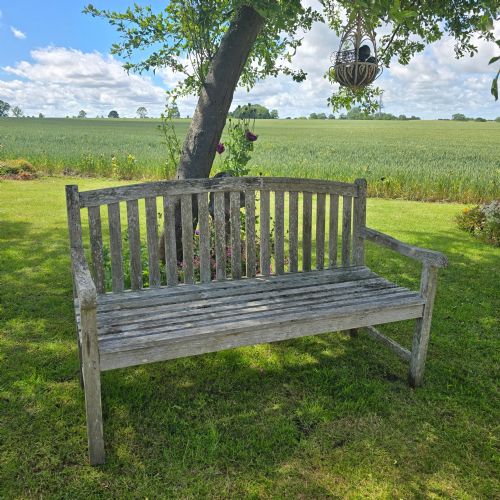
Carpenters and makers incorporated timber slats, notably teak, elm, and general wood, for seats and backrests. Teak weathered naturally to a silvered tone, while iron elements often retained layers of original paint or developed an oxidized surface.
Techniques such as faux bois moulding replicated natural wood grain in metal or concrete, a popular nineteenth-century method seen in pieces attributed to Coalbrookdale and French workshops.
One unexpected fine art painting of a lady sitting quietly in the park hides among the benches.
Factors of Quality
The integrity of the metal framework separates exceptional pieces from ordinary examples. Crisp casting detail in iron elements, particularly on bench ends and mask motifs, indicates superior foundry work.
The condition and retention of original materials dictate overall merit. Benches retaining original paint layers or well-weathered, silvered teak timbers hold distinct character compared to those with replaced components.
Coalbrookdale
The Vintage Park Seats Glossary
- Strapwork
- Flat metal bands riveted or joined in geometric patterns. This technique provided robust support for Regency and Victorian garden seats.
- Faux bois
- Imitation of wood grain applied to metal or stone. Makers used this decorative technique to blend industrial materials with natural garden surroundings.
- Bench ends
- The structural side supports of a garden seat, frequently cast in iron with decorative motifs. Collectors sometimes source these independently.
- Teak
- A dense, durable tropical hardwood resistant to decay. It forms the slatted seats and backs of many enduring twentieth-century garden benches.
Vintage Park Seats: Frequently Asked Questions
How do I care for vintage teak park seats?
Leave teak outdoors exposed to the elements to develop its characteristic silvered patina naturally over time.
Avoid harsh chemical cleaners or aggressive sanding, which strips away the protective weathered surface built up over decades.
Are cast iron benches too heavy for lawns?
Cast iron and wrought iron combinations create considerable weight that anchors the seat firmly on grass or paving.
Position the bench on flat, solid ground to prevent the iron feet from sinking too deeply into soft turf.
How can I identify a nineteenth-century piece?
Look for heavy cast iron framing, traditional strapwork patterns, and construction methods characteristic of the Victorian or Regency eras.
Design motifs like Gothic tracery or lion masks often point directly to nineteenth-century foundry catalogues.
Can these seats stay outside all winter?
Most vintage park seats utilise weather-resistant metals and durable timbers engineered to withstand year-round outdoor conditions.
Ensuring the feet rest on stone rather than direct wet soil helps prevent unnecessary moisture absorption during colder months.