
Victorian Carved Wood
Victorian carved wood brings together mahogany, walnut and oak shaped by the hands of nineteenth-century makers into mirrors, chairs and cabinets.
Victorian Carved Wood
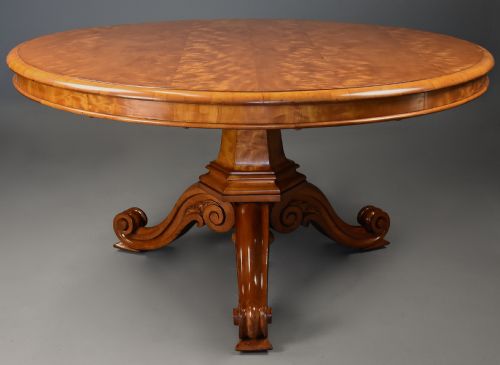
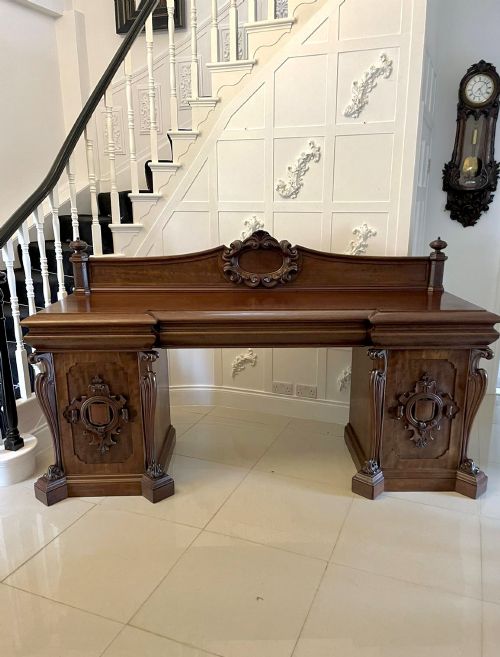
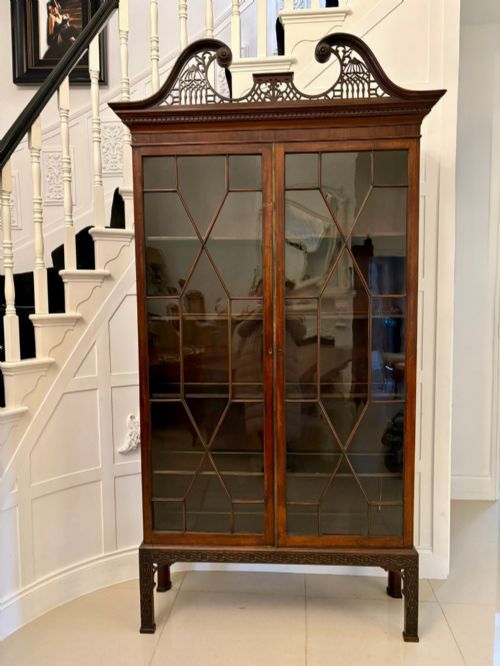
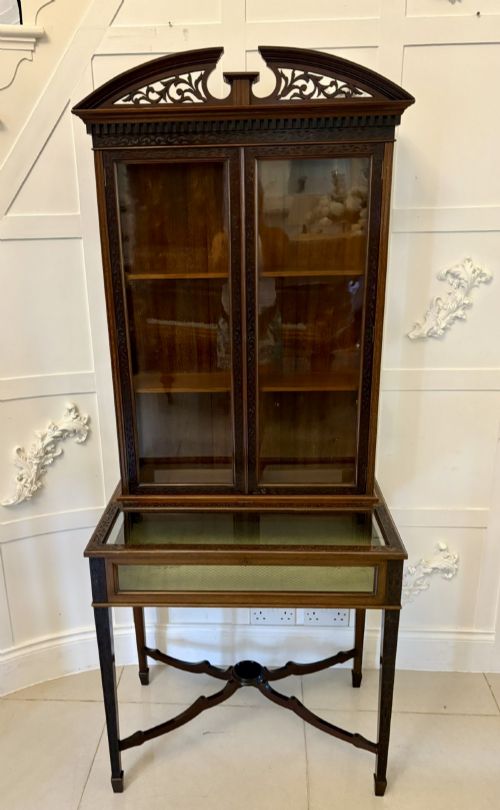
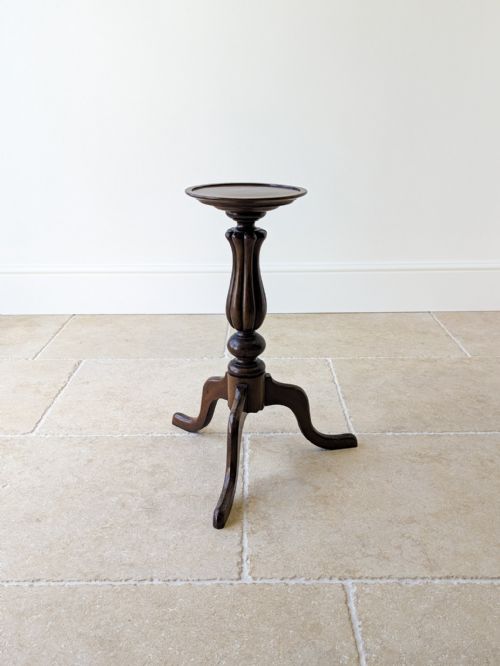
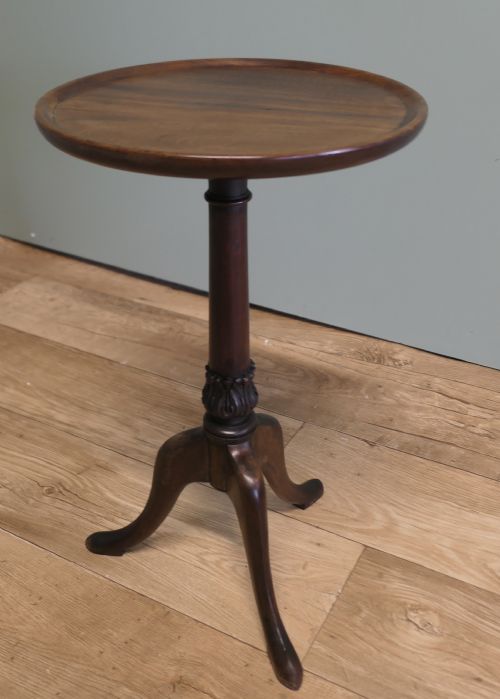
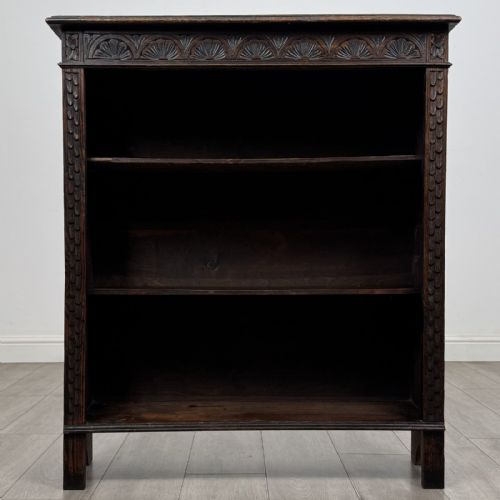
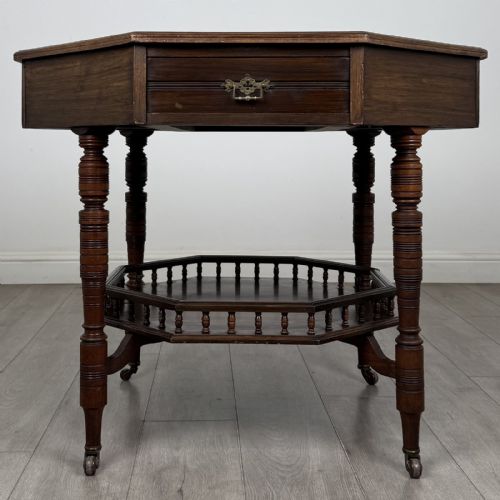
Victorian carved wood spans a wide variety of domestic objects, from dining chairs and armchairs to side tables, overmantel mirrors and sideboards. These pieces served the formal and everyday needs of nineteenth-century households, combining utility with decorative ornamentation.
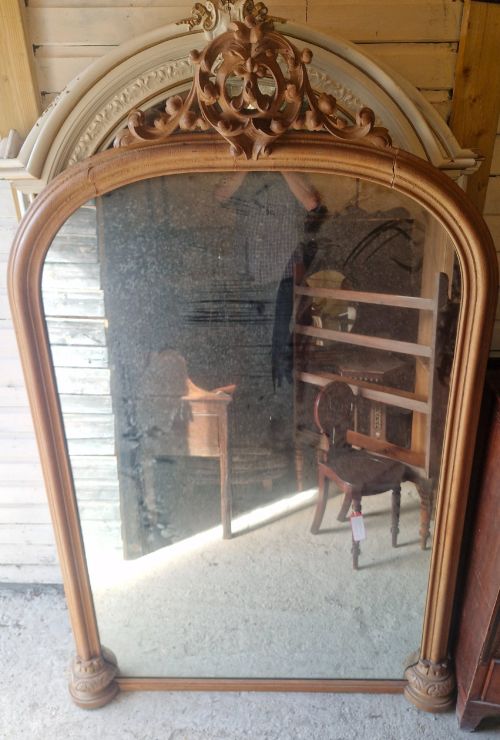
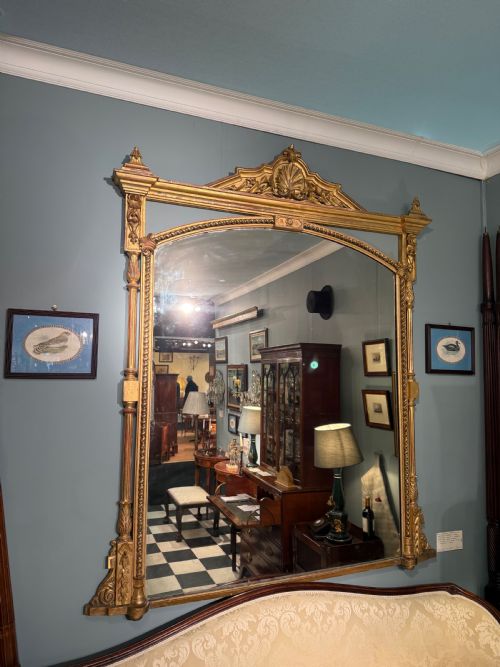
The pieces on this page lean heavily toward seating and mirrors executed in mahogany, walnut and oak. Dining chairs with reeded or carved legs and large giltwood overmantel mirrors appear frequently among the listings.
Originating from English, European and Anglo-Indian workshops, the items reflect the diverse stylistic shifts of the period. Gothic Revival, Arts and Crafts and Black Forest aesthetics shape much of the carved decoration encountered here.
Materials and Techniques
Makers relied on dense hardwoods such as mahogany, walnut and oak to hold crisp carved detail without splitting. Secondary timbers like beech, ash and elm appear in regional seating frames.
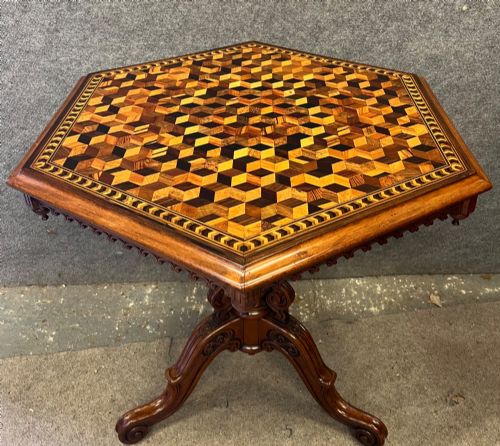
Giltwood and gesso form the decorative surfaces of wall mirrors and picture frames, applying plaster layers onto wood before gilding. Marquetry inlay also decorates walnut surfaces on tables and cabinets.
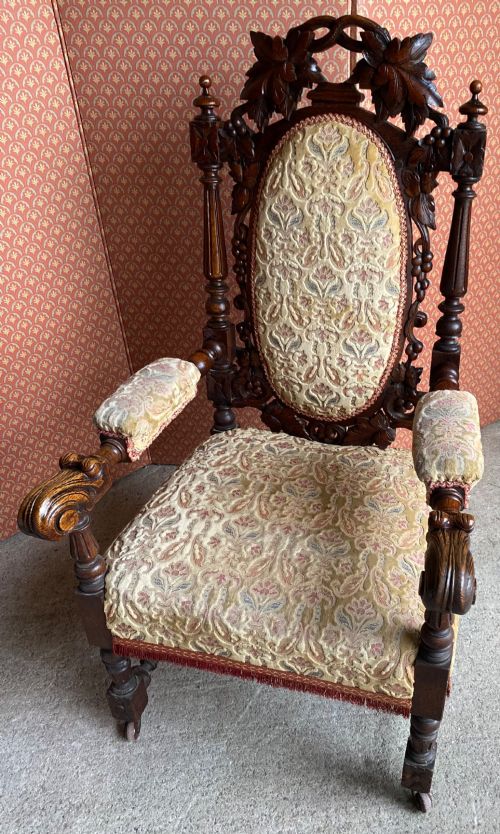
Hand carving defines the ornamentation, producing everything from foliate motifs and green man faces to figurative Black Forest bear and animal subjects. Joinery relies on traditional mortise and tenon construction for structural stability.
Arts and Crafts, Gothic Revival and Black Forest styles appear alongside standard Victorian pieces.
Judging Quality
Depth and crispness of the carving distinguish finer pieces from plain commercial output. Sharp undercut details and confident linework demonstrate the hand of a skilled artisan rather than mechanical repetition.
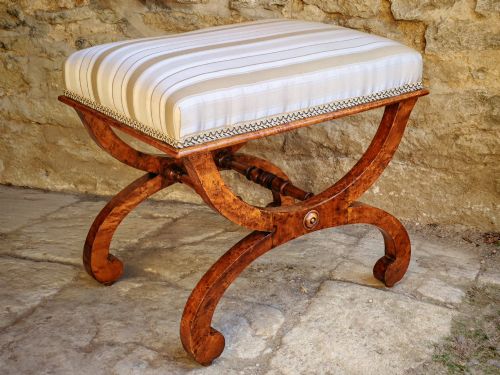
The choice and figuring of the timber dictate the status of an object. Highly figured burr walnut, dense mahogany and solid rosewood elevate the standing of chairs, tables and cabinets.
Integrity of structure and surface finish preserve the original character of the piece. Intact original gilding on gesso frames and sturdy joints on dining chairs denote superior preservation.
John Moyr Smith·James Shoolbred
The Victorian Carved Wood Glossary
- Gesso
- A plaster mixture applied to wood surfaces as a base for gilding or painting. It provides a smooth ground that can be moulded and carved before the application of gold leaf.
- Overmantel mirror
- A large mirror designed to hang above a fireplace mantelpiece. These typically feature arched or shaped wooden frames decorated with gesso and gilt.
- Purdonium
- A specialised coal box or cabinet designed to hold fuel near a fireplace. They frequently incorporate carved wooden panels and decorative handles.
- Marquetry
- The art of applying pieces of veneer to a structure to form decorative patterns and pictures. Walnut and exotic woods were often utilised for this technique.
- Black Forest
- A style of wood carving originating from the Brienz region of Switzerland, characterised by realistic animal figures and foliage. Bears are a common subject in this tradition.
Victorian Carved Wood: Frequently Asked Questions
How do I clean Victorian carved wood?
Dust surfaces regularly with a soft, dry cloth to prevent dirt accumulation in the carved recesses. Avoid modern chemical polishes that can degrade nineteenth-century finishes.
Feed dry timber occasionally with a suitable microcrystalline wax to preserve the condition of the wood. Keep pieces away from direct sunlight and heat sources to prevent warping and cracking.
Are these dining chairs sturdy enough for daily use?
Nineteenth-century dining chairs were built using robust hardwoods like mahogany and walnut with traditional joinery. Many remain entirely suitable for regular seating.
Check the joints periodically for stability and avoid rocking on the back legs. Professional tightening of loose frames ensures they withstand everyday dining.
How do I identify Black Forest carvings?
Black Forest carvings are distinguished by naturalistic depictions of animals, particularly bears, integrated into functional items like tables and chairs. The wood is typically deeply carved with foliage and rustic elements.
Originating from Swiss and German regions in the nineteenth century, these pieces often feature expressive detailing and unpainted timber surfaces.
What is the difference between an overmantel and a wall mirror?
Overmantel mirrors are proportioned specifically to sit above fireplace mantels, usually featuring wide horizontal or arched formats designed to anchor a room. Wall mirrors are more versatile and scaled for general placement.
Both types utilise carved wood and gesso frames, but overmantels often carry heavier decorative emphasis to balance the hearth below.