


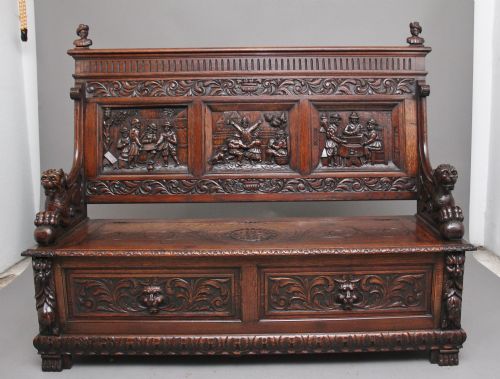

Victorian Carved Wood Panel
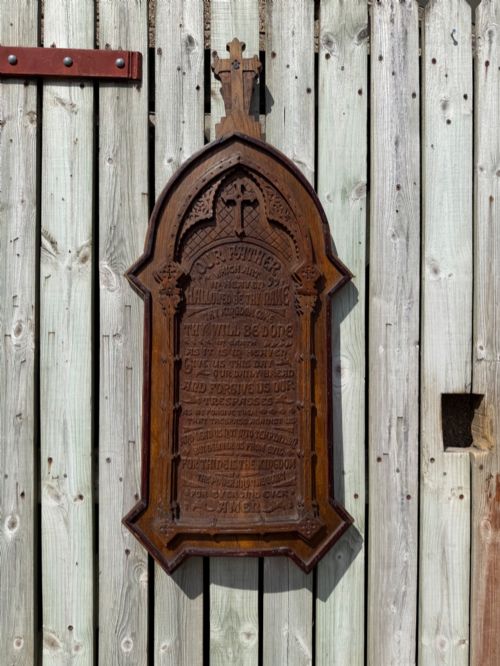
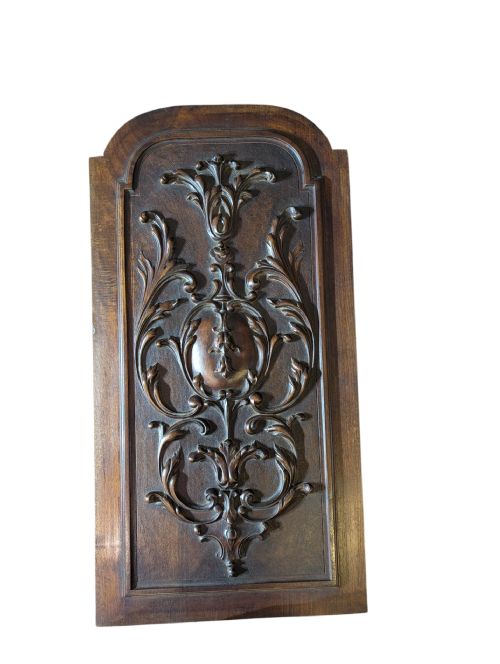
These pieces of a victorian carved wood panel bring depth to a room through relief and texture.
Victorian Carved Wood Panel
When you search for a victorian carved wood panel, you encounter architectural salvage, wall plaques, and architectural decorations originating from the nineteenth century. These objects include repurposed furniture elements, church tracery, and wall over-doors spanning various revival movements.
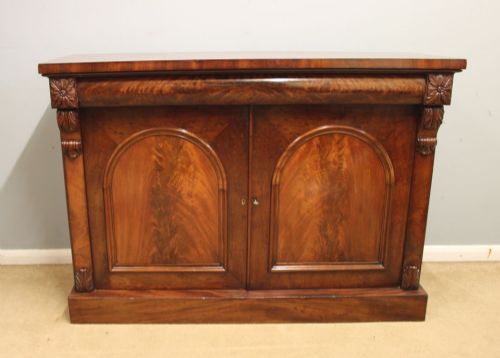
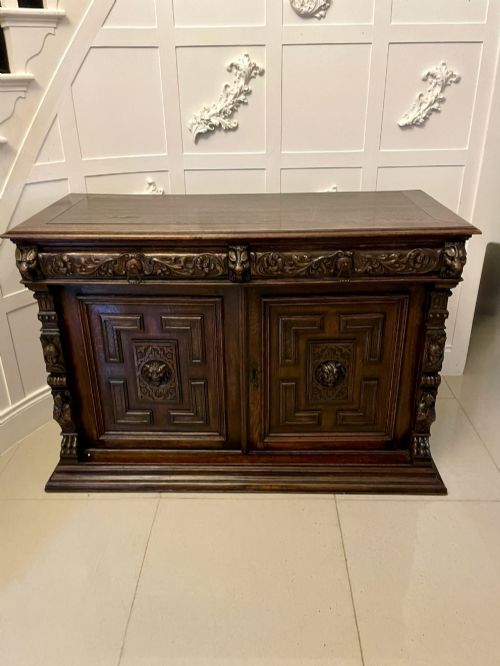
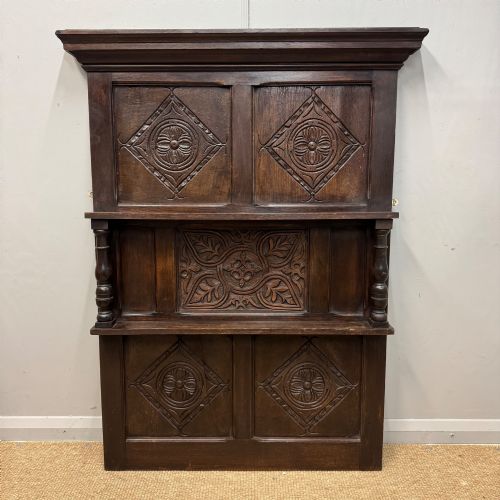
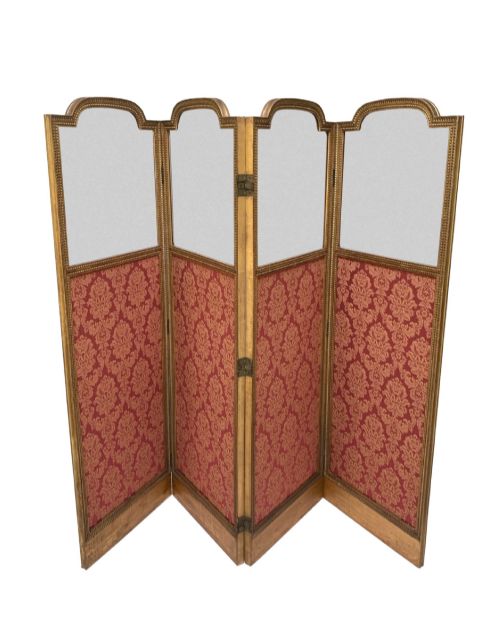
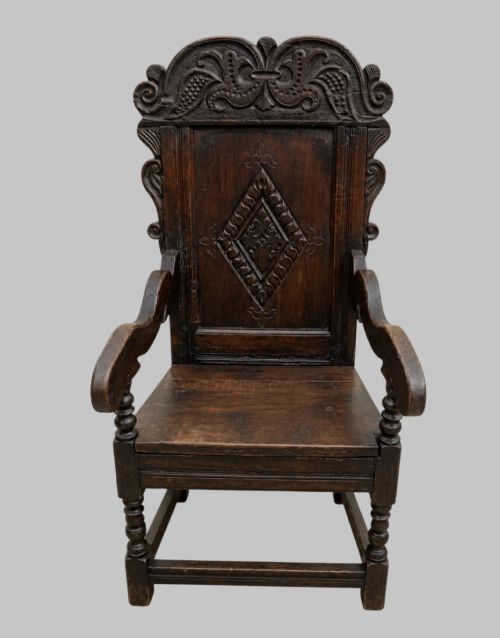
The selections on this page lean heavily towards oak and fruitwood panels created during the Victorian era, alongside continental European relief carvings. You also find panels integrated into larger furnishings such as screens, sideboards, and settle backs.
Makers and workshops across Britain and continental Europe produced these items to satisfy domestic and ecclesiastical demand for historical revival styles. Each piece reflects the specific decorative vocabulary of its decade, from gothic tracery to hunting scenes.
How They Were Made
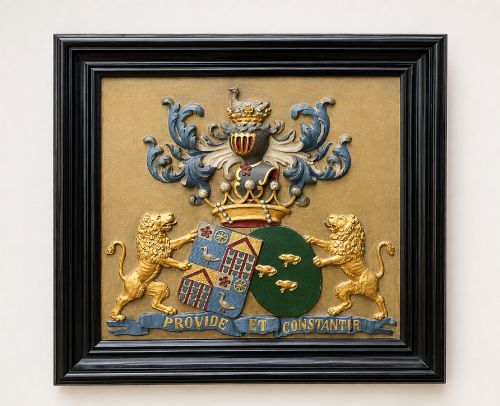
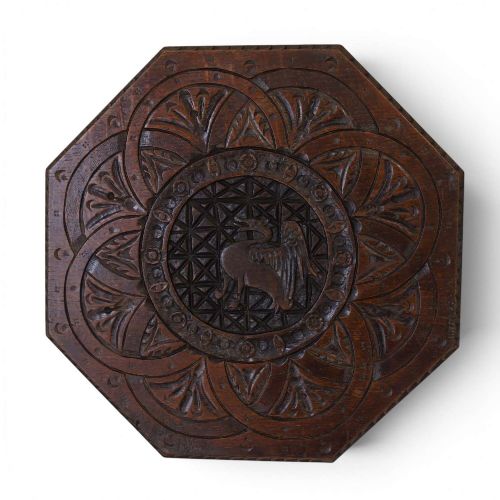
The makers relied primarily on seasoned oak, mahogany, walnut, and fruitwood, selecting timber with dense grain capable of holding crisp chisel work. Relief carvers utilised hand gouges, chisels, and parting tools to model figures, foliage, and heraldic motifs directly from the solid plank.
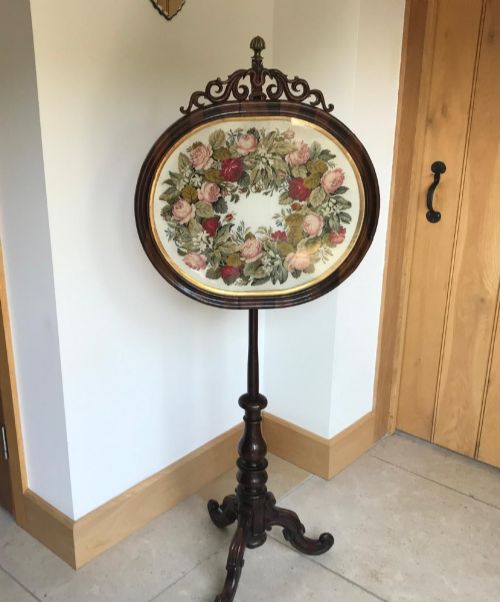
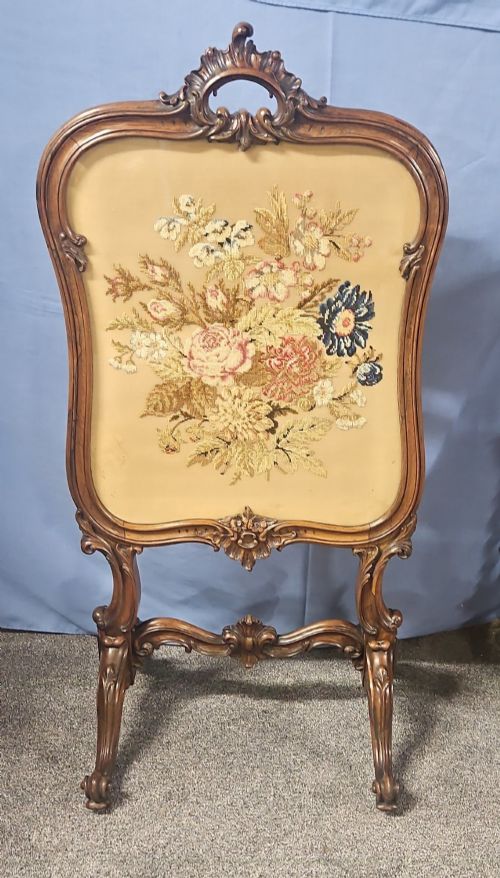
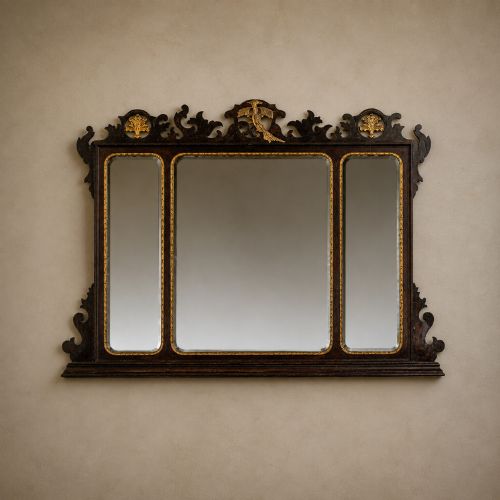
Many panels originated as structural elements of larger architectural schemes, church pews, or cabinetry before extraction as salvage. Secondary materials such as brass, giltwood, and needlework occasionally complement the woodwork in screens and mirrors.
One recorded panel depicts a dramatic German hunting scene populated by carved horses and hounds.
What Varies in Quality
Depth and undercut of the relief distinguish standard workshop output from exhibition quality carving. Superior examples exhibit anatomical accuracy in figural subjects and sharp, clean junctions in botanical or architectural ornament without mechanical smoothing.
The choice of timber heavily influences the integrity of the piece, with tightly grained oak and figured walnut holding sharper detail over centuries than softer woods. Original surface patination, untouched by harsh stripping, preserves the character intended by the carver.
Liberty and Co
The Victorian Carved Wood Panel Glossary
- Relief
- Carving where the figures project from the background plane. Low relief offers gentle contouring, whereas high relief stands almost entirely free of the support.
- Tracery
- Openwork ornamental stone or woodwork reminiscent of Gothic window designs. Makers applied this pattern to ecclesiastical panels and furniture backs.
- Architectural Salvage
- Building components rescued from demolition or alteration. These items frequently find new life as wall art or decorative plaques.
- Giltwood
- Timber treated with gold leaf or metallic paint. This finish appears frequently on nineteenth-century overmantel frames and decorative screens.
- Panel
- A flat piece of wood framed by stiles and rails or applied directly to a wall. In antique contexts, these often display hand-carved iconography.
Victorian Carved Wood Panel: Frequently Asked Questions
What is a victorian carved wood panel used for?
These items serve primarily as decorative wall art, architectural interest, or focal points above fireplaces. People mount them directly on walls or incorporate them into period room schemes.
Historically, many started life as structural elements of furniture, church fittings, or wall panelling before becoming independent decorative objects.
How do I identify a nineteenth century panel?
Examine the rear of the wood for tool marks, seasoning splits, and fixings consistent with nineteenth-century joinery. The timber species, such as English oak or continental fruitwood, also offers clues.
Stylistic markers like Gothic Revival or Renaissance Revival motifs align the carving with the aesthetic preferences of the Victorian era.
How should I clean a carved wooden panel?
Dust the surface gently with a dry, soft-bristled brush to remove particulate matter from deep crevices without disturbing the finish. Avoid liquid polishes and abrasive cleaners.
Applying a microcrystalline wax occasionally helps protect the timber surface and maintain the natural lustre of the aged wood.
Are these panels from furniture or architecture?
They originate from both sources, as nineteenth-century workshops produced standalone wall plaques alongside elements integrated into sideboards, settles, and architectural interiors. Salvaged pieces often show edge profiles where they once joined a larger frame.
Examining the thickness and rear surface usually reveals whether a panel was designed for a wall or a piece of cabinetry.