


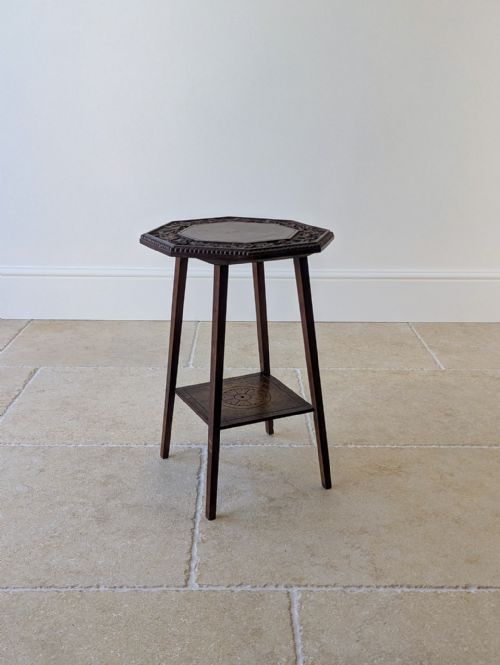
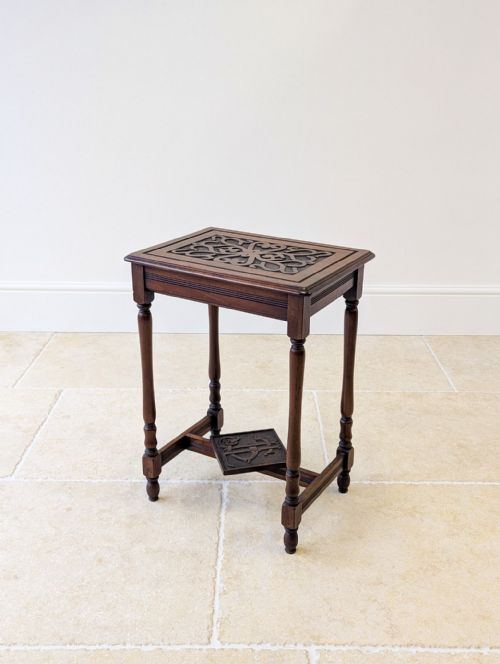
Victorian Carved Walnut Stand
When you search for a victorian carved walnut stand, you are looking at versatile nineteenth-century furniture crafted for display and utility.
Victorian Carved Walnut Stand
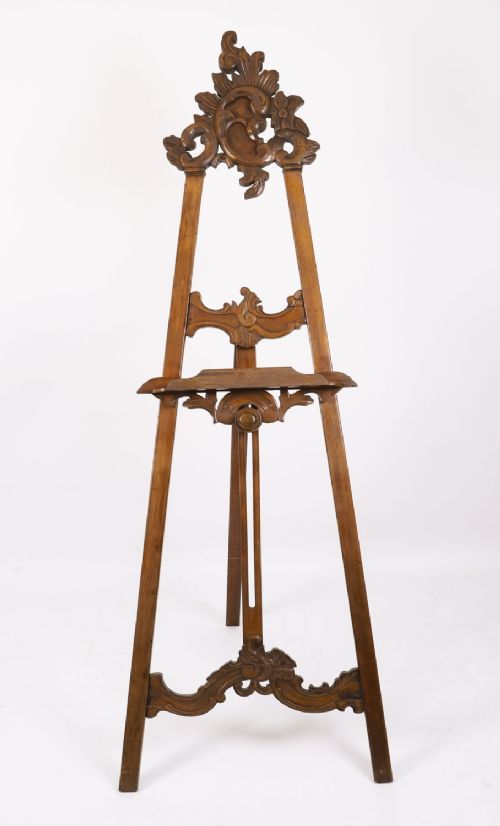
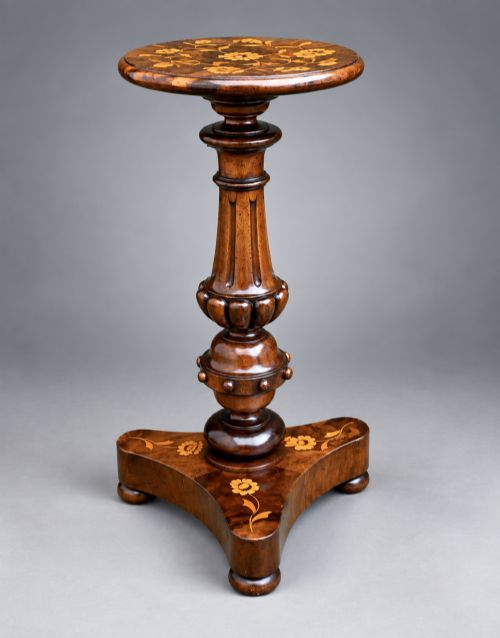
A victorian carved walnut stand encompasses a varied group of occasional furnishings designed for domestic interiors during the nineteenth century, including pedestals, lamp tables, whatnots, and music stands.
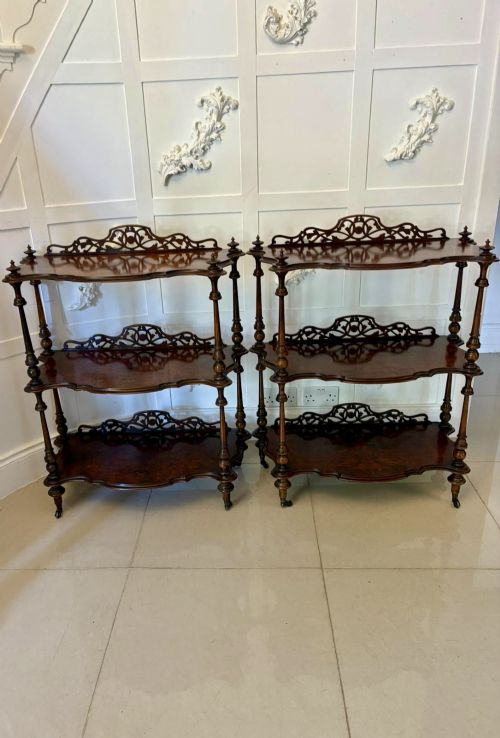
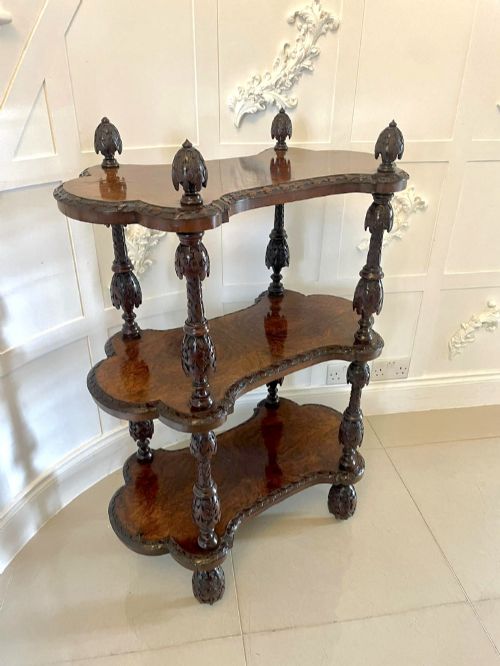
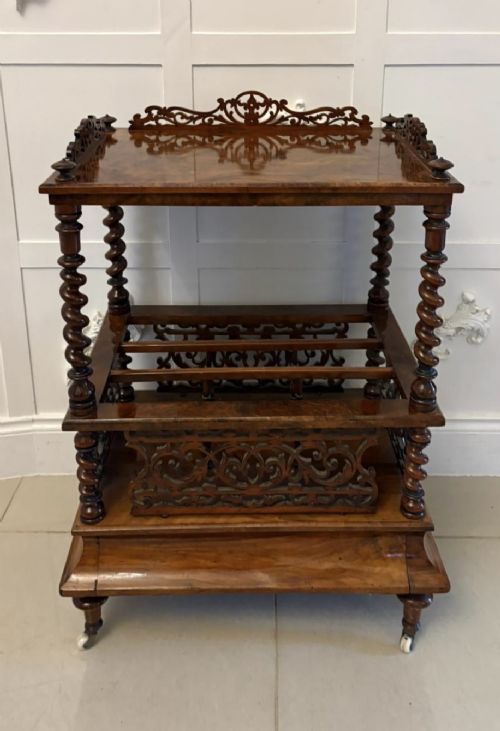
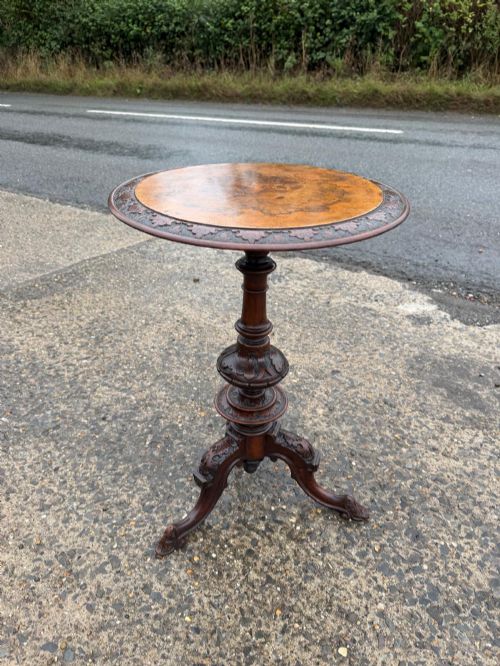
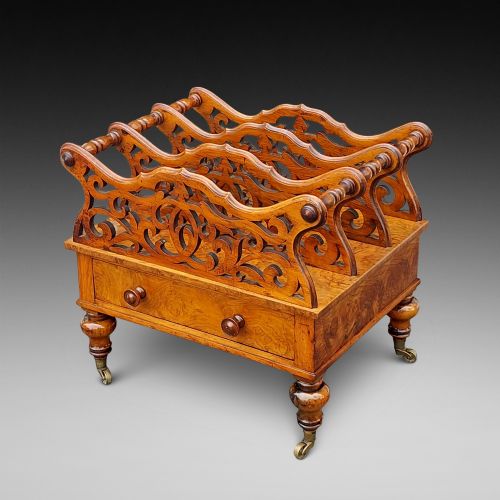
The pieces on this page lean heavily toward multi-tiered whatnots, lamp tables, and magazine canterburys, reflecting how Victorians organised their sitting rooms and parlours.
Makers utilised diverse styles ranging from High Victorian and Rococo Revival to Arts and Crafts and Aesthetic Movement, ensuring a rich selection of forms.
Materials and Construction
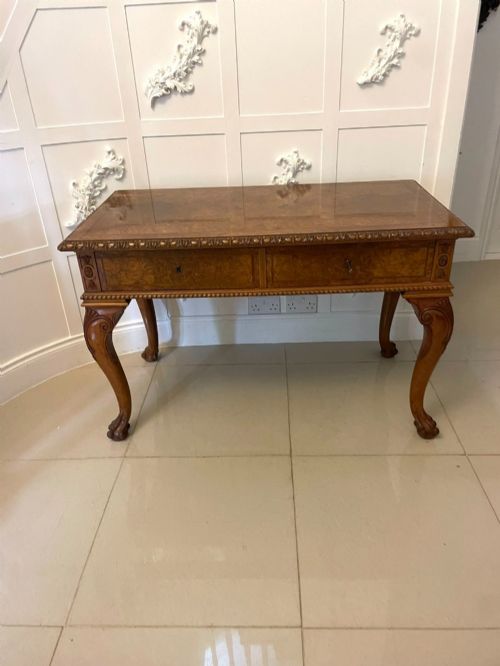
Makers relied primarily on solid walnut and decorative burr walnut veneers, prized for their rich figuring and warm colour.
Secondary elements incorporated brass, glass, ceramic, and marble to accentuate the carved wooden frames.
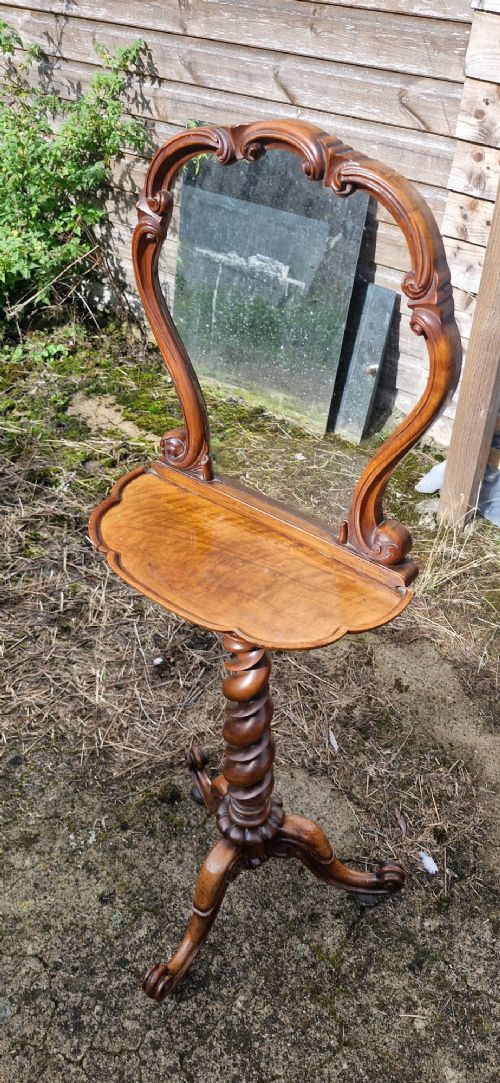
Turning, bobbin detailing, and barley twist pedestals added textural contrast to the smooth polished surfaces.
Listings feature walnut, burr walnut, mahogany, and occasional marble tops across various nineteenth-century forms.
Judging Quality
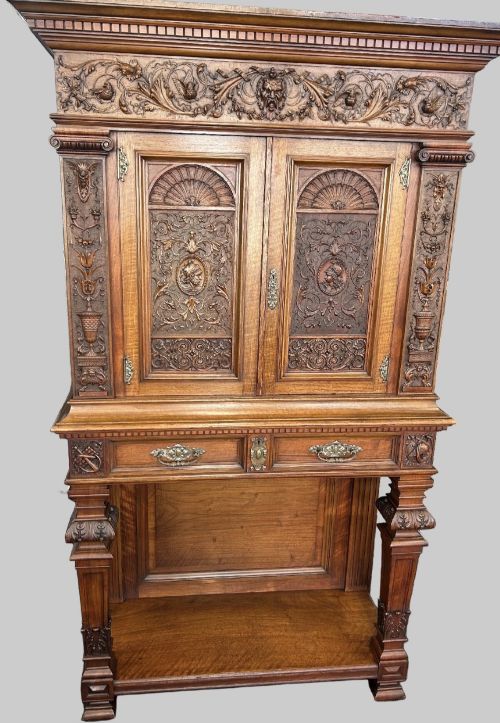
Quality rests on the depth and crispness of the carved details, distinguishing mass-produced items from exhibition pieces.
The choice of burr walnut veneer patterns and the integrity of joints dictate the structural and aesthetic success of each stand.
Gabriel Viardot·Shoolbred & Co.
The Victorian Carved Walnut Stand Glossary
- Canterbury
- A low multi-tiered stand fitted with partitions for holding sheet music, newspapers, or magazines. These often feature turned legs and castors.
- Whatnot
- An open set of multiple shelves used for displaying ornaments and small decorative objects. They frequently appear in corner or freestanding formats.
- Burr walnut
- A specialised timber cut from the gnarled growth of a walnut tree, yielding swirling, highly figured grain patterns. Cabinetmakers applied this as a veneer to tabletops and cabinet doors.
- Barley twist
- A type of turning shaped like a helix, resembling a twisted rope. This technique appeared widely on nineteenth-century table legs and upright supports.
- Aesthetic Movement
- A late nineteenth-century design style emphasising decorative art for its own sake rather than narrative function. Pieces from this movement often display clean lines and artistic carving.
Victorian Carved Walnut Stand: Frequently Asked Questions
What is a whatnot stand used for?
A whatnot serves as an open shelving unit designed specifically for displaying small ornaments, books, and curiosities within a nineteenth-century parlour.
These tiers allowed homeowners to showcase prized possessions while utilising vertical corner or wall space efficiently.
How do I identify burr walnut?
Burr walnut is distinguished by its swirling, highly figured grain patterns filled with small knots and concentric circles. It forms from irregular tree growths and yields a highly decorative surface.
Cabinetmakers sliced this timber into thin veneers to wrap tabletops, fronts, and shelves, creating striking visual textures.
What is a music cabinet?
A music cabinet is a specialised interior furnishing designed to store sheet music and scores securely. They often incorporate internal shelving or drop-front drawers.
These pieces frequently feature carved walnut panels and glazed doors to protect the paper contents.
Where should I place a lamp table?
A lamp table functions best beside seating areas where it can support a reading light, drinks, or small decorative items. Their compact footprints make them adaptable for tight corners.
Victorian examples often include lower tiers or shelves for holding books or additional accessories.